
Achieving a flawless, streak-free shine with a spray-on, rinse-off sealant can be surprisingly challenging, as improper application often leaves behind unsightly high spots, cloudy patches, or stubborn streaks on your car’s exterior surfaces. To apply Gyeon WetCoat correctly and achieve a streak-free glossy finish, you must thoroughly wash the vehicle to remove all surface contaminants, apply the product sparingly to a wet surface in small sections, rinse it off immediately with a strong stream of water, and dry the vehicle completely with a clean microfiber towel. While the process is designed to be fast and convenient, the active silica (SiO2) ingredients bond almost instantly to the paintwork, meaning that any deviation from the proper technique or environmental conditions can cause the formula to dry prematurely and leave behind residue.
Understanding how these modern spray sealants interact with water and automotive clear coats is key to avoiding common detailing mistakes. Because the formula is hydrophobic and self-activating upon contact with water, it does not require manual spreading or curing before the rinsing stage. Instead, the water pressure from your hose or pressure washer acts as the catalyst to distribute the protective layer evenly across the panels. By mastering the preparation, application, and drying stages, you can enjoy months of robust water-beading protection and enhanced paint depth without the physical effort of traditional paste waxes.
What surface preparation is needed before applying Gyeon WetCoat?
Proper surface preparation requires a thorough wash to remove all loose dirt, road grime, and surface contaminants, followed by a check to ensure the paint is free of incompatible waxes or heavy oils. This ensures that the silica-based sealant can bond directly to the clear coat without trapping debris or creating an uneven barrier. If you apply the sealant over a layer of road film or dust, the product will bond to the dirt rather than the paint, leading to poor durability, reduced gloss, and immediate streaking when you attempt to dry the vehicle.
Products mentioned in this guide
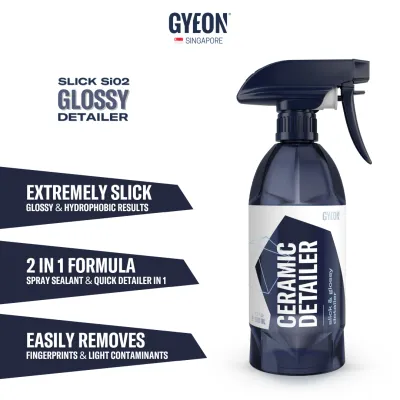
62 Lazada user ratings
Long-lasting protection, Enhances hydrophobicity. Done the ceramic coating with the same jing gang and decided to get their products as well…Read full reviewShow less
Long-lasting protection, Enhances hydrophobicity. Done the ceramic coating with the same jing gang and decided to get their products as well.
Gyeon good and effective for my truck paintworks . IUse the tire shine also last for three weeks rain or shine .
👌Ease of Use:Easy to use and apply, spray wipe n shineIdeal for car maintenance, Great performance boost,
Just received. If they are as good as what’s used by the detailers, they should be excellent products.
Super fast delivery. Well bubbled wrapped.
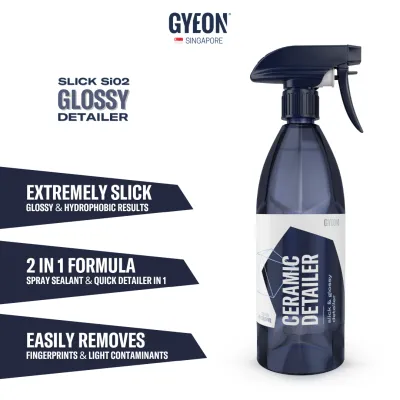
61 Lazada user ratings
Havent open yet. Gyeon peoducts are very good! Its one of the 3 brands that i only use to maintain my car.
Used this product before. Brought with good discounts. Overall happy with this purchase.
Great for maintaining ceramic coatings, Extremely glossy and slick,
Use it after every wash, with high gloss effect & protection.
Great seller, fast delivery and highly recommend.
Prices are valid at publication and may change. Please refer to the product page for the latest price.
Begin by performing a comprehensive pre-wash using a dedicated foam cannon or a gentle pre-spray to loosen larger dirt particles before touching the paint. Follow this with a traditional two-bucket hand wash using a high-quality, pH-neutral car shampoo that does not contain added waxes, gloss enhancers, or silicone glossing agents. Shampoos with built-in waxes can leave behind a temporary film that interferes with the sealant’s ability to cross-link with the clear coat, resulting in patchy protection and uneven water behavior.
Once the wash is complete, rinse the vehicle thoroughly to remove all soap residue from crevices, window seals, and panel gaps. At this stage, evaluate the condition of the paintwork by observing how water behaves on the surface; if the water pools heavily or fails to sheet off, it may indicate the presence of older, degrading waxes or embedded contaminants. For the absolute best bonding results, consider using an iron remover or a dedicated paint prep spray to strip away lingering oils and industrial fallout, ensuring a completely bare surface for the sealant.
Finally, verify the specific application instructions on your product label before proceeding. While Gyeon WetCoat is formulated as a wet-surface sealant designed to be applied to a freshly rinsed, wet vehicle, manufacturers occasionally update instructions or offer concentrated variations that require specific dilution ratios. Ensure the vehicle remains entirely wet during the preparation phase, as dry spots on the paintwork can cause the sprayed product to dry instantly upon contact, leading to severe high spots that are difficult to buff away.
How should you spray and wipe Gyeon WetCoat to avoid streaks?
To avoid streaks, you must apply Gyeon WetCoat to a wet vehicle one panel at a time, rinse it off immediately with a high-pressure water stream, and dry the surface thoroughly with a clean microfiber drying towel. Working in small, manageable sections prevents the active SiO2 ingredients from drying on the paint, which is the primary cause of high spots and uneven finishes. Trying to coat the entire vehicle before rinsing is a guaranteed way to cause premature drying and stubborn residue.

Start by dividing the vehicle into logical sections, such as the hood, individual fenders, doors, and the roof. Mist the product sparingly over the wet panel, keeping the spray nozzle roughly 30 to 40 centimeters away from the surface to ensure a fine, even distribution. A common mistake is over-applying the product; generally, two to three light sprays are more than enough to cover an entire door panel, as the rinsing process will naturally spread the formula across the remaining wet areas.
Immediately after spraying the panel, grab your hose or pressure washer and rinse the area thoroughly with a strong stream of water. Do not let the product sit or dwell on the paint for more than a few seconds. The force of the water pressure is what flushes away the carrier solvents while leaving behind a micro-thin, bonded layer of silica protection. Ensure you rinse from the top of the panel downward, flushing the residue completely out of panel gaps, door handles, and trim pieces where concentrated product might otherwise pool and dry.
Once the entire vehicle has been treated and rinsed section by section, perform a final flood rinse with a free-flowing stream of water to help sheet away the majority of the standing droplets. Immediately transition to the drying phase using a clean, plush, high-weight microfiber drying towel. Gently drag the towel across the surface to absorb the remaining water, taking care not to let any remaining water droplets dry naturally in the sun, which can leave behind mineral spots mixed with cured sealant.
To guarantee a completely streak-free finish, keep a second, dry microfiber buffing towel on hand. As you dry each section, follow up with this secondary towel to buff away any faint trails of moisture or residual product. Flipping the towel frequently to a dry side prevents you from spreading concentrated sealant residue back onto completed panels, ensuring a crystal-clear, high-gloss reflection across all paintwork, glass, and plastic trim.
What are the ideal curing and drying conditions for the sealant?
The ideal curing conditions for Gyeon WetCoat require applying the product out of direct sunlight on a cool surface, followed by keeping the vehicle dry and sheltered during its initial curing phase. Avoiding extreme heat and immediate exposure to harsh weather allows the silica barrier to fully cross-link and bond with the paintwork. If the paint is hot to the touch, the water carrier in the sealant will evaporate instantly, leaving behind concentrated silica deposits that manifest as dark, cloudy streaks.
Always perform the application in a shaded area, such as a garage, carport, or during the cooler hours of the early morning or late evening. In warm, humid climates like Singapore, the ambient temperature can accelerate the drying process, making it even more critical to work on cool panels and rinse the product off immediately. If you must work outdoors, try to position the vehicle so that the panels you are working on are shielded from direct sunlight, and work in even smaller sections to maintain complete control over the wetness of the paint.
After the application and drying process is complete, the sealant requires a brief window to cure undisturbed. Check the product label for the manufacturer’s recommended dry time before exposing the vehicle to rain, morning dew, or road grime. While the hydrophobic properties are visible immediately, the chemical bond continues to harden over the subsequent hours, and premature exposure to moisture can weaken the durability of the protective layer.
Avoid washing the vehicle with any detergents or exposing it to automatic car washes for at least 24 hours after application. Keeping the car parked in a dry, sheltered environment during this initial curing phase ensures the silica barrier achieves its maximum potential durability and chemical resistance. If unexpected rain does occur shortly after application, dry the vehicle gently with a clean microfiber towel as soon as possible to prevent water spots from etching into the fresh coating.
How can you fix high spots or streaks if they appear after application?
If high spots or streaks appear, you can resolve them by gently wiping the affected area with a damp microfiber towel or a manufacturer-approved quick detailer if caught early, or by using a light polish if the sealant has fully cured. Identifying these imperfections quickly allows for simple, non-abrasive correction before the silica coating hardens completely. High spots typically look like dark, oily, or cloudy smudges that do not disappear with a dry towel, whereas simple wiping streaks are often faint, dusty lines left by residual moisture.
If you spot a streak or an uneven patch within minutes of drying the vehicle, the product has likely not fully cured yet. Mist a clean, high-quality microfiber towel with clean water or a compatible quick detailer, and gently buff the affected area using light pressure. The moisture and mild surfactants in the detailer will help re-emulsify and level the uncured silica particles, allowing you to wipe away the excess residue and restore a uniform finish.
For streaks that have sat for several hours but are still relatively fresh, you can try re-applying a very small amount of the sealant directly to a wet microfiber towel and wiping it over the high spot. The fresh solvents in the product can sometimes soften the semi-cured layer underneath, allowing you to immediately rinse and dry the area to level the finish. However, this method requires caution and should be followed by a thorough rinse to prevent adding more excess product to the problem area.
If the sealant has fully cured—typically after 24 hours—and stubborn high spots remain visible, manual abrasion is required to remove the bonded silica layer. Apply a small amount of a fine finishing polish or a dedicated pre-wax paint cleanser to a microfiber applicator pad and work the area gently by hand. Because the sealant layer is extremely thin, a light hand polish is usually sufficient to safely abrade the high spot without removing any significant amount of the vehicle’s clear coat. Once the streak is gone, wipe the panel clean with an alcohol-based prep spray and re-apply the sealant correctly to restore protection to that section.
Community discussion
Share your experience or ask a question. Comments are reviewed before publication.