
Operating a car diffuser in Singapore’s intense heat and humidity requires careful attention to device specifications, placement, and regular maintenance. While electronic and passive diffusers offer a modern way to freshen cabin air, tropical conditions can accelerate fragrance evaporation and stress electronic components. To ensure consistent performance and safety, users must verify the manufacturer’s temperature ratings, inspect the device regularly, and adjust usage habits to match local climate realities.
Quick Assessment: Using Your Veloce Diffuser in Tropical Conditions
Singapore’s tropical climate presents unique challenges for car accessories. When parked in the open, cabin temperatures can quickly rise far above ambient outdoor levels, creating a harsh environment for both electronic components and volatile fragrance oils. High relative humidity further complicates how moisture interacts with scent dispersion mechanisms.
Before installing your Veloce diffuser, your first step should always be consulting the official user manual. Look specifically for the maximum operating and storage temperature limits specified by the manufacturer. Devices containing lithium-ion batteries or delicate ultrasonic nebulizers often have strict thermal thresholds that must not be exceeded.
Products mentioned in this guide
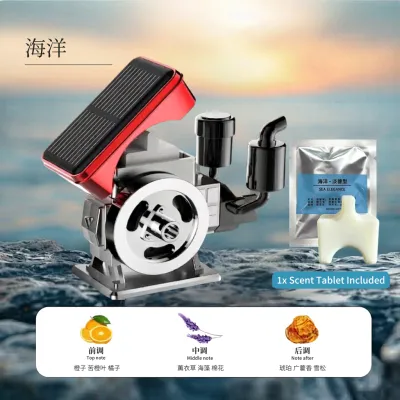


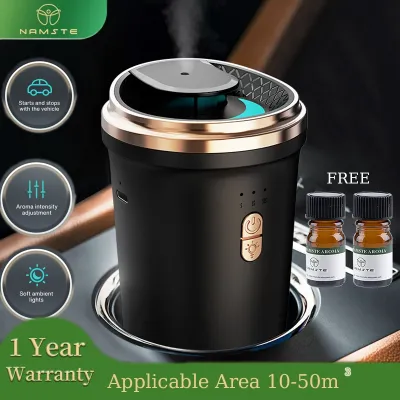
Prices are valid at publication and may change. Please refer to the product page for the latest price.
Perform a quick visual and functional inspection of your unit. Check that the casing is completely sealed, the battery compartment (if applicable) shows no signs of warping, and the fragrance reservoir is tightly secured without any micro-cracks. These initial checks establish a baseline of safety before exposing the device to daily tropical heat.
How Heat and Humidity Affect Car Air Fresheners
To understand how your diffuser behaves, it helps to examine the physics of scent dispersion under high temperatures. Heat increases the kinetic energy of liquid molecules, which dramatically accelerates the evaporation rate of fragrance oils or gels. While this might initially result in an extremely strong scent, it ultimately leads to rapid depletion of your refills, meaning you will need to replace them much faster than in cooler climates.

Active electronic diffusers face additional stress from cabin heat. Many modern car diffusers rely on rechargeable batteries to power ultrasonic plates or small fans. When a vehicle is parked under direct sunlight, the internal cabin temperature can easily exceed 60 degrees Celsius, a level that can degrade battery capacity, shorten overall lifespan, or even trigger safety mechanisms that shut the device down.
Humidity introduces another layer of complexity. High moisture levels in the air can interfere with ultrasonic nebulization, as water droplets in the cabin air can cause the micro-fine scent mist to clump together and fall out of suspension prematurely. Furthermore, prolonged exposure to high humidity can degrade rubber seals, adhesive backings, and plastic housings, potentially leading to slow leaks of concentrated fragrance oils onto your car’s interior surfaces.
Verifying Climate Specifications on Your Veloce Device
Because product designs and materials can change across different production runs or model versions, you must verify the exact specifications of your specific Veloce unit. Start by examining the physical product label, which is typically located on the bottom or back of the device, or printed within the technical specifications section of the user manual. Look for the designated operating temperature range, which is often expressed in Celsius.
If your Veloce diffuser uses liquid fragrance refills, review the packaging or the manufacturer’s safety data sheets if available online. Pay close attention to any warnings regarding flashpoints or heat stability. High-quality fragrance oils designed for automotive use are formulated to remain stable at elevated temperatures, but cheaper or non-automotive oils may separate, discolor, or lose their scent profile when exposed to intense cabin heat.
For electronic models, check the power source ratings and battery safety certifications. Look for standard international safety markings such as CE, FCC, or RoHS, which indicate the device has undergone standardized testing. If the manual explicitly warns against leaving the device plugged into a live USB port or 12V socket when the engine is off, adhere strictly to these guidelines to prevent electrical strain or battery degradation in hot weather.
Daily Maintenance and Placement for Tropical Weather
Strategic placement is your primary defense against heat damage. Avoid mounting your diffuser directly on the dashboard or in areas that receive uninterrupted sunlight through the windshield. Instead, consider placing the device in a shaded cup holder, attaching it to a lower air conditioning vent, or securing it in a console compartment that remains shielded from direct solar radiation.
Positioning the diffuser near an air conditioning vent can also help regulate its temperature while the vehicle is running. The cool airflow helps keep the device’s internal electronics within safe operating limits and assists in distributing the scent evenly throughout the cabin. However, ensure the vent clip or mount does not block the vent entirely or interfere with the vehicle’s air direction controls.
Adjust your device’s output settings to compensate for the tropical climate. If your Veloce diffuser features adjustable intensity levels or interval timers, select a lower setting. The natural heat of the cabin will already assist in volatilizing the fragrance, so a lower active setting is often sufficient to maintain a pleasant aroma without wasting oil.
Establish a regular cleaning routine to combat moisture and residue buildup. In humid environments, dust and condensation can quickly accumulate on the ultrasonic nozzle or diffusion plate, leading to clogs or reduced mist output. Once a week, gently wipe the nozzle with a cotton swab dipped in a small amount of isopropyl alcohol, ensuring the device is powered off and completely cool before cleaning.
Warning Signs of Heat or Moisture Damage
Recognizing the early warning signs of climate-induced damage can prevent permanent ruin of your diffuser or damage to your car’s interior. One of the most common indicators is a sudden change in the scent profile. If the fragrance begins to smell sour, metallic, or significantly weaker despite having a full reservoir, the heat may have broken down the chemical structure of the fragrance oil.
Inspect the physical structure of the device regularly for signs of thermal stress. Look for any swelling or warping of the plastic outer shell, which suggests the internal battery or components are overheating. Check the battery compartment for signs of corrosion, leakage, or a bulging battery cover, and immediately stop using the device if any of these physical changes are observed.
Pay attention to operational inconsistencies. If your diffuser makes unusual buzzing noises, produces an uneven or sputtering mist, or fails to turn on consistently after the car has been parked in the sun, the internal circuitry may have suffered heat damage. In such cases, disconnect the power source immediately and consult the manufacturer’s troubleshooting guide or customer support before attempting to use it again.
Frequently Asked Questions (FAQ)
Is it safe to leave the Veloce diffuser in a parked car under the sun?
Leaving any electronic device with an integrated lithium-ion battery in a car parked under direct sunlight carries inherent risks. Cabin temperatures in Singapore can rapidly climb to levels that exceed the safe storage limits of standard batteries, potentially leading to swelling, reduced battery life, or thermal runaway. If your Veloce model contains a battery, it is highly recommended to remove the device from the dashboard or windshield mount and store it in a shaded glove box, or take it with you when leaving the vehicle parked in unshaded areas for extended periods. For non-electronic, passive models, ensure the reservoir is tightly sealed to prevent pressure buildup and leakage of the fragrance oil due to thermal expansion.
Does high humidity reduce the scent throw of the diffuser?
Yes, high ambient humidity can affect how fragrance is dispersed and perceived inside your vehicle. When the air is saturated with moisture, scent molecules can bind to water vapor droplets, causing them to become heavier and settle onto cabin surfaces more quickly rather than remaining suspended in the air. To optimize the scent throw in humid conditions, run your car’s air conditioning system on the recirculation mode. This helps dehumidify the cabin air, allowing the diffuser’s mist to travel further and distribute more evenly. Additionally, keeping the interior clean and dry prevents competing musty odors from overpowering the diffuser’s fragrance.

Community discussion
Share your experience or ask a question. Comments are reviewed before publication.