
Synthetic chamois cloth, widely valued for its exceptional water absorbency and soft texture, performs very differently depending on whether you are polishing, waxing, or applying a ceramic coating to your vehicle. While this specialized material excels at drying and final buffing for traditional car waxes, it generally lacks the mechanical grip and abrasive interaction required for effective paint polishing. Furthermore, synthetic chamois is typically unsuitable for applying or leveling advanced ceramic coatings, where low-lint, low-absorbency microfiber towels are necessary to prevent uneven resin distribution. To achieve a flawless finish without risking paint damage, you must align the physical properties of your cloth with the specific chemical requirements of each detailing stage.
Core Characteristics of Synthetic Chamois Cloth
Synthetic chamois, often made from polyvinyl alcohol (PVA) or other highly absorbent synthetic polymers, features a unique porous, sponge-like structure. Unlike woven microfiber cloths that rely on tiny wedge-shaped fibers to grab dust and polish, synthetic chamois is engineered primarily to lift and hold large volumes of water through capillary action. This design makes the material incredibly soft and gentle when damp, allowing it to glide smoothly over clear coats without creating friction.
However, this lack of mechanical grip is also its primary limitation when it comes to paint correction. Because the surface of a synthetic chamois is relatively flat and uniform, it lacks a deep pile to safely trap larger dirt particles or abrasive residues. If dragged across a dry surface with loose contaminants, it can easily cause micro-marring. Consequently, its strength lies in liquid absorption and gentle surface contact rather than mechanical cleaning or friction-based product application.
Products mentioned in this guide
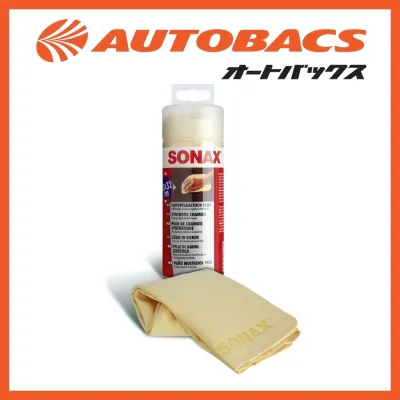
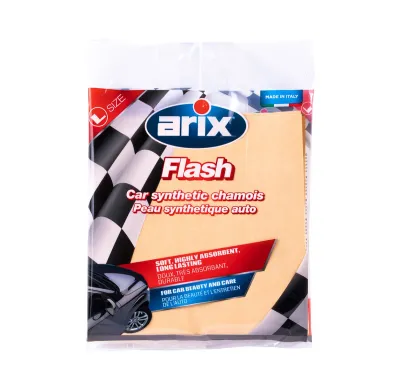
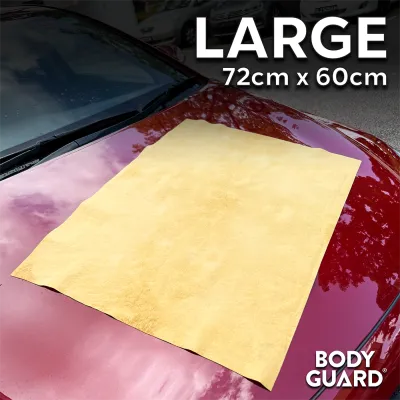


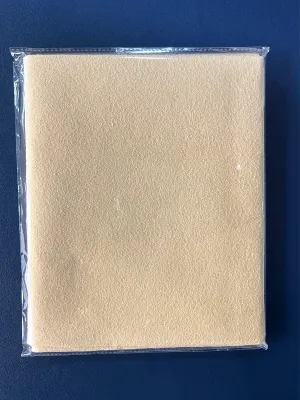
Prices are valid at publication and may change. Please refer to the product page for the latest price.
Using Synthetic Chamois for Car Polish
Car polishing is fundamentally an abrasive process designed to level the clear coat and remove fine scratches, swirls, and oxidation. To achieve this, polishing compounds require a tool that can either apply consistent mechanical friction—such as a foam pad on a dual-action polisher—or a tight-weave microfiber towel that can grab and lift the spent polish residue. Synthetic chamois lacks the structural texture to perform either of these tasks effectively.

When you attempt to wipe away polish with a synthetic chamois, the cloth tends to glide over the oily binders of the compound rather than cutting through them. This results in heavy smearing, making it difficult to evaluate your paint correction progress. Furthermore, because polishing releases microscopic clear coat particles and spent abrasives, using a flat-surfaced chamois increases the risk of dragging these contaminants across the freshly corrected paint.
While some detailers use a highly wrung-out, damp synthetic chamois for a gentle final wipe-down to remove light compounding dust, this should only be done under strict manufacturer guidelines. For the actual removal and leveling of polishing compounds, dedicated microfiber towels remain the industry standard to ensure safety and efficiency.
Using Synthetic Chamois for Car Wax
Applying and removing car wax involves two distinct phases: laying down a thin, even layer of protection and then buffing away the dried haze to reveal a deep gloss. For the initial application, synthetic chamois is not suitable; you should always use a dedicated foam or microfiber applicator pad to spread paste or liquid wax evenly. However, once the wax has cured to a light haze, a clean, slightly damp synthetic chamois can be an exceptionally gentle tool for the initial buffing stage.
Its soft, non-abrasive surface glides effortlessly over the cured wax layer, minimizing the risk of introducing fine micro-marring to sensitive clear coats. In warm, humid climates like Singapore, managing wax curing times is critical. High humidity can cause wax to dry unevenly, making a damp synthetic chamois particularly useful for lifting the sticky residue without scratching the paint, especially when detailing in shaded areas like HDB multi-storey car parks.
Despite these benefits, synthetic chamois can struggle if the wax has been allowed to dry for too long or has been applied too thickly. In these scenarios, the cloth may lack the necessary friction to break up the hardened wax binders, leading to physical fatigue and uneven patches. To prevent streaking, it is crucial to keep the chamois clean and properly wrung out; any excess moisture or trapped wax buildup on the cloth will prevent it from lifting the residue cleanly, leaving behind a cloudy finish. For the ultimate high-gloss shine, many detailers use a damp synthetic chamois to remove the bulk of the wax haze, followed immediately by a dry, plush microfiber towel for the final buff.
Using Synthetic Chamois for Ceramic Coatings
Ceramic coatings, typically formulated with silicon dioxide (SiO2) or silicon carbide (SiC), demand an incredibly precise and unforgiving application process. Once applied, these liquid resins must be leveled quickly and evenly to prevent “high spots”—dark, uneven patches where the coating cured too thickly. Synthetic chamois is highly discouraged for this leveling phase due to its extreme absorbency.
If you attempt to level a fresh ceramic coating with a chamois, the material will rapidly suck up the expensive active ingredients. This strips the coating off the paint rather than spreading it evenly, which can lead to premature failure and severe streaking. Applying ceramic coatings in tropical environments requires careful environmental control, as high humidity accelerates curing times, making precise leveling even more critical.
Additionally, ceramic coatings require a completely dry, lint-free environment to cure properly. While high-quality synthetic chamois is generally low-lint, any moisture retained within the cloth can react prematurely with the moisture-curing ceramic resin, causing it to crystallize unevenly or lose its hydrophobic properties. Unless a specific coating manufacturer explicitly approves a synthetic chamois for a specialized final buffing step, you should avoid using it entirely during this process. Instead, rely on low-pile, high-density microfiber towels designed specifically for ceramic resins, which offer the precise balance of light absorbency and structural grip needed to level and buff the coating safely.
Application Comparison and Decision Guide
To help you select the most effective tool for your detailing workflow, the following comparison outlines how synthetic chamois performs across the three primary paint treatment stages.
| Paint Treatment | Application Suitability | Buffing/Removal Suitability | Overall Recommendation |
|---|---|---|---|
| Car Polish | Not Recommended (Lacks mechanical grip) | Poor (Smeared residue, risk of dragging abrasives) | Avoid; use dedicated polishing pads and tight-weave microfiber |
| Car Wax | Not Recommended (Requires foam/microfiber applicator) | Good (Gentle on clear coats, effective for light haze removal) | Recommended for initial buffing; follow with dry microfiber |
| Ceramic Coating | Not Recommended (Excessive absorption, uneven leveling) | Not Recommended (Risk of moisture reaction and high spots) | Avoid; use specialized low-lint, low-pile microfiber towels |
- Choose synthetic chamois if: You are performing the initial buffing stage of a standard carnauba or synthetic paste wax, and you require an exceptionally soft, non-marring material to lift the bulk of the dried haze from a delicate clear coat.
- Avoid synthetic chamois if: You are actively applying compounds, polishes, or ceramic coatings. The lack of mechanical bite makes it ineffective for paint correction, while its high absorbency and moisture content will ruin the leveling and curing process of ceramic resins.
- Verify first if: You are working with modern hybrid spray sealants, spray waxes, or quick detailers. Always consult the product label or manufacturer instructions to confirm if a damp synthetic chamois is compatible, as some spray formulations can be safely spread and dried simultaneously using this method.
Cleaning and Storing Your Synthetic Chamois
Maintaining your synthetic chamois is essential to preserve its unique physical properties and prevent it from becoming a source of paint contamination. After each detailing session, wash the cloth thoroughly by hand or in a washing machine using a mild, liquid detergent free of perfumes, dyes, or fabric softeners. Fabric softeners are particularly damaging to synthetic chamois, as they leave behind a chemical coating that clogs the material’s microscopic pores, severely reducing its water absorbency and causing it to smear products during future uses.
Once clean, do not dry the synthetic chamois in a high-heat clothes dryer, as extreme heat can warp the synthetic polymers and cause the material to become stiff and brittle. Instead, wring it out thoroughly and allow it to air dry in a clean, dust-free environment. Many high-quality synthetic chamois cloths are designed to be stored slightly damp inside their original plastic storage tubes to prevent them from hardening completely; if your product specifies this, ensure it is clean and free of organic matter before sealing it to prevent mildew growth.
Regularly inspect your chamois for signs of wear and tear. If you notice that the cloth has lost its characteristic absorbency, has become permanently stiff, or has embedded grit and dirt that cannot be washed out, it is time to retire it from paintwork. Using a contaminated or degraded chamois can easily introduce deep scratches to your vehicle’s finish, defeating the purpose of your careful detailing efforts.
Frequently Asked Questions (FAQ)
Can I use the same synthetic chamois for wax and ceramic coating?
You should never use the same synthetic chamois for both waxing and ceramic coating processes. Even after a thorough washing, microscopic wax residues can remain trapped within the porous structure of the chamois. If these residues come into contact with a ceramic coating during application or leveling, they will interfere with the chemical bonding process, preventing the ceramic resin from adhering properly to the clear coat and leading to premature coating failure. To maintain the integrity of your detailing work, always dedicate separate, clearly labeled towels and cloths for each specific chemical stage.
Does synthetic chamois leave lint on dark paint?
High-quality synthetic chamois is virtually lint-free because of its continuous, sponge-like polymer structure, making it far less likely to leave fibers behind compared to traditional cotton towels or low-quality microfiber. This makes it an excellent choice for dark paint finishes, where even the smallest speck of lint is highly visible. To minimize any potential static buildup or minor linting during the buffing process, ensure the chamois is slightly damp rather than completely dry, as a bone-dry chamois can generate static electricity that attracts airborne dust to your freshly polished panels.

Community discussion
Share your experience or ask a question. Comments are reviewed before publication.