
Singapore’s tropical climate presents a unique challenge for vehicle owners who want to maintain a pleasant cabin environment. When a car is parked under the intense equatorial sun, internal temperatures rise rapidly, directly affecting how car perfumes behave. The combination of high ambient heat and direct ultraviolet (UV) radiation accelerates the evaporation of fragrance oils, often turning a subtle scent into an overwhelming burst of perfume before depleting the product entirely within a fraction of its expected lifespan.
Understanding the relationship between thermal exposure and fragrance chemistry is essential for choosing a product that lasts. By selecting the right formulation, checking product specifications, and placing the diffuser strategically, you can achieve a consistent scent throw without constant replacements or risking damage to your car’s interior.
How Tropical Heat Changes Scent Throw and Evaporation Rates
When you park your vehicle in an open lot, the cabin acts like a greenhouse. Solar radiation passes through the windshield and windows, heating the dashboard, seats, and steering wheel. This trapped energy can easily push interior temperatures past 60°C on a typical afternoon. For any fragrance product inside the cabin, this extreme thermal environment acts as a powerful catalyst, drastically accelerating the kinetic energy of the volatile organic compounds (VOCs) that make up the scent.
Products mentioned in this guide
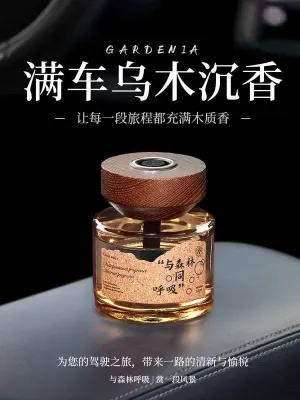
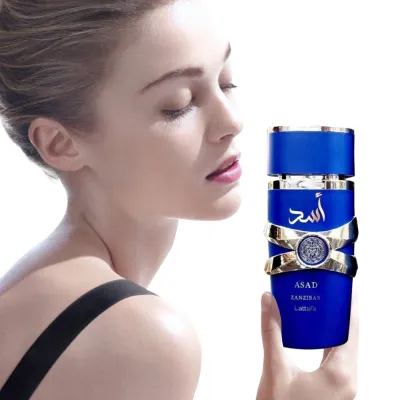
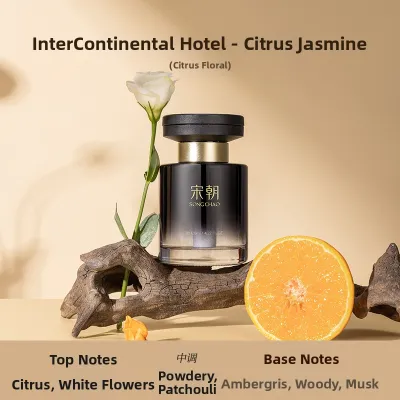
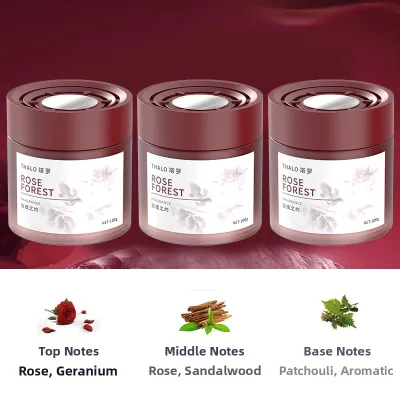
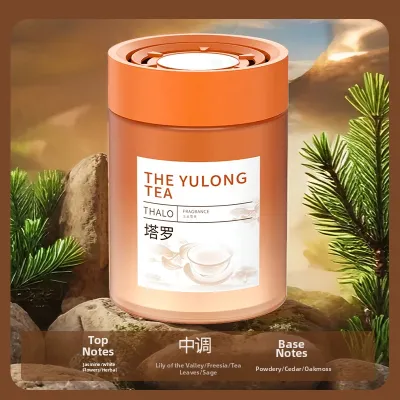

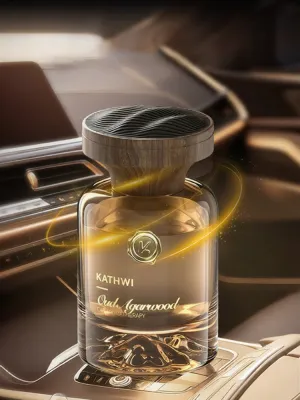
Prices are valid at publication and may change. Please refer to the product page for the latest price.
Fragrances are carefully constructed using a blend of top, middle, and base notes, each characterized by different molecular weights and evaporation rates. Top notes, such as citrus and light fruits, are highly volatile and designed to evaporate quickly to provide the initial impression. Under extreme heat, these top notes flash off almost instantly. This rapid depletion leaves behind the heavier, more dense base notes, such as musk, amber, or heavy wood scents. Without the balancing effect of the lighter notes, the remaining fragrance can smell cloying, heavy, or completely different from the intended profile.
Beyond altering the scent profile, high heat poses physical risks to liquid-based car perfumes. Liquid solvents and essential oils expand when heated. In a sealed glass bottle or a plastic container with limited ventilation, this thermal expansion increases internal pressure. If the container lacks a proper pressure-relief mechanism, the liquid can seep through seals, crack the housing, or leak onto surrounding surfaces. This not only wastes the product but also introduces chemical solvents to sensitive cabin materials.
Choosing the Right Car Perfume Formulation for High Heat
Selecting a car perfume for a tropical climate requires looking beyond the scent description to evaluate the physical medium holding the fragrance. Different formulations react uniquely to high temperatures, affecting both how long they last and how safely they perform inside a hot cabin. By comparing the thermal stability of various formats, you can avoid products that evaporate too quickly or create safety hazards.

When browsing options on e-commerce platforms, look for formulations designed to resist rapid thermal breakdown. Alcohol-free bases or products with high concentrations of natural essential oils generally resist flash-off much better than cheap, synthetic, alcohol-heavy liquid suspensions. Additionally, pay close attention to the packaging design. Opaque housings, UV-resistant plastics, and shaded diffusers help shield the active ingredients from direct sunlight, preserving the chemical integrity of the fragrance over time.
Solid Gels and Ceramic Diffusers
Solid gels and ceramic diffusers are highly stable alternatives to liquid air fresheners in hot climates. Gel-based fresheners utilize a polymer matrix to trap fragrance oils, releasing them slowly as the gel shrinks. However, not all gels are created equal. Low-quality gel beads or blocks can melt under extreme heat, turning into a sticky liquid that can spill if the container tips. When choosing a gel, verify the manufacturer’s melting point specifications to ensure the structural integrity remains intact even when cabin temperatures exceed 60°C.
Ceramic diffusers and porous stone carriers offer excellent thermal stability because they do not rely on a liquid or gel matrix that can melt. The fragrance oil is absorbed directly into the porous ceramic material, which regulates the release of the scent through capillary action. Even when the cabin gets hot, the ceramic structure prevents a sudden, overwhelming release of fragrance, ensuring a more consistent and long-lasting scent throw.
Vent Clips and Liquid Suspensions
Vent clips and hanging liquid bottles are popular for their immediate scent delivery, but they face significant efficiency challenges in tropical climates. Liquid suspensions rely on evaporation from a saturated wick or wood lid. When the car is parked and the air conditioning is turned off, the rising cabin heat causes the liquid to evaporate at an uncontrolled rate. This means a significant portion of your perfume is wasted while the vehicle is empty, leaving a heavily concentrated cloud of scent that can be irritating when you first open the door.
Furthermore, liquid suspensions carry a high risk of chemical damage. Many liquid car perfumes contain solvents that can dissolve plastics, strip paint, or discolor leather. If a hanging bottle swings during a turn or leaks due to thermal expansion, the dripping liquid can permanently damage your dashboard, center console, or electronic controls. If you choose a liquid vent clip, ensure it has a secure, leak-proof housing and is mounted away from sensitive electronic displays.
Strategic Placement to Maximize Fragrance Lifespan
Where you position your car perfume is just as important as the formulation you choose. Proper placement shields the product from the worst of the cabin’s heat and UV exposure while still allowing the vehicle’s ventilation system to distribute the scent effectively.
To maximize the lifespan of your fragrance, avoid placing any diffuser on top of the dashboard, hanging from the rearview mirror, or on the rear parcel shelf. These areas receive direct, unfiltered sunlight through the glass, creating localized heat zones that can exceed the average cabin temperature. Direct UV exposure also degrades the chemical bonds of the fragrance oils, causing them to lose their scent or turn sour.
Instead, utilize shaded areas of the cabin that remain cooler and are protected from direct sunlight. Excellent placement options include:
- Under the seats: Placing a solid gel or ceramic diffuser under the driver or passenger seat keeps it cool and out of sight while allowing the floor vents to distribute the scent.
- Center console cup holders: Many cup holders feature covers or are naturally shaded by the dashboard overhang, making them ideal for small gel canisters.
- Lower door pockets: These pockets are shielded from direct sunlight by the door panels and benefit from the airflow generated when doors are opened and closed.
When positioning your perfume, always prioritize safety boundaries. Never mount a diffuser in a way that obstructs your view of the road or interferes with the deployment zones of your vehicle’s airbags. Keep liquid-based products away from sensitive electronic controls, steering column switches, and premium upholstery to prevent accidental chemical damage.
Evaluating Car Perfume Options Like Kathwi for Hot Climates
When shopping for car perfumes, such as a car perfume kathwi, on online marketplaces, it is important to evaluate the product’s specifications against the realities of a tropical climate. Rather than relying solely on aesthetic appeal or initial scent descriptions, use a systematic checklist to verify that the product is safe and effective for high-heat environments.
First, carefully read the manufacturer’s packaging, user manual, or online product description for temperature limits and storage instructions. Reputable brands often specify the maximum safe operating temperature for their diffusers. If a product is rated only for temperate climates, it may degrade or leak when exposed to Singapore’s intense cabin heat.
Second, check for explicit safety warnings regarding flammability and pressurized containers. Avoid products that use highly flammable solvents or pressurized aerosol delivery systems if you plan to leave them in a parked car. Look for clear instructions on how to secure the diffuser to prevent it from tipping or falling during sudden stops.
Finally, verify ingredient transparency. High-quality car perfumes should list their primary ingredients or certify that they are free from harmful chemicals like phthalates, benzene, and formaldehyde. In a hot, enclosed cabin, low-quality synthetic fragrances can undergo thermal degradation, releasing harsh chemical off-gassing that can cause respiratory irritation, headaches, or allergic reactions. Choosing products with transparent, heat-stable ingredients ensures a safer and more pleasant driving experience.
Frequently Asked Questions (FAQ)
Can I leave an aerosol air freshener in my car in Singapore?
No, you should avoid leaving pressurized aerosol air fresheners inside your vehicle, especially when parking in direct sunlight. Aerosol cans are highly sensitive to temperature increases; as the cabin heats up, the pressure inside the can rises significantly. This pressure buildup can exceed the structural limits of the container, leading to a risk of rupture or explosion. Always check the manufacturer’s warning labels, which typically advise storing the product below 50°C, and remove any aerosol cans from your vehicle before parking outdoors.
Why does my car perfume smell sour after being parked in the sun?
The sour or chemical smell is caused by the thermal and UV-induced oxidation of the fragrance ingredients. When exposed to high heat and direct sunlight, the delicate chemical bonds of essential oils and synthetic fragrance compounds break down. This chemical alteration changes the molecular structure of the scent, often resulting in an unpleasant, sour, or rancid aroma. To prevent this, move your diffuser to a shaded area of the cabin, such as under a seat, or switch to a heat-stable, UV-protected formulation.
How often should I replace a gel-based car freshener in tropical climates?
Instead of relying on a fixed calendar schedule, you should visually inspect the gel’s physical condition to determine when to replace it. In a hot climate, the rate of evaporation will vary significantly depending on how often you park in direct sunlight versus shaded multi-story car parks. Check the gel regularly; when it has shrunk significantly, dried out, or hardened into a small, solid block, it will no longer release a sufficient amount of fragrance and should be replaced.

Community discussion
Share your experience or ask a question. Comments are reviewed before publication.