
Car seat hooks offer a convenient way to keep shopping bags, handbags, and umbrellas off the floor, but their actual weight capacity is rarely as simple as a single number on the packaging. While many hooks are advertised to support loads ranging from 2 kg to over 10 kg, the real-world limit depends heavily on the hook’s material, its mounting design, and whether your vehicle is stationary or navigating bumpy roads. Understanding these variables is essential to prevent sudden failures that could damage your belongings or distract you while driving.
To ensure your interior accessories perform reliably, you must look beyond aesthetic appeal and evaluate how dynamic forces affect these small organizers. A hook that easily supports a heavy bag in a parked car can quickly snap or slip off when you encounter a speed bump or make a sudden turn in busy city traffic.
Understanding Weight Ratings and Material Limits
The material composition of a car seat hook dictates its structural integrity and response to continuous stress. Common options include ABS plastic, aluminum alloy, and flexible silicone or resin composites. ABS plastic hooks are lightweight and highly affordable, making them a popular choice for light items like empty reusable bags. However, plastic is prone to degradation from UV exposure and temperature fluctuations inside a parked vehicle, which can make the material brittle over time. Aluminum alloy and metal hooks offer significantly higher rigidity and are less likely to bend under heavier loads, making them ideal for carrying laptop bags or full grocery sacks without suffering from material fatigue.
Products mentioned in this guide
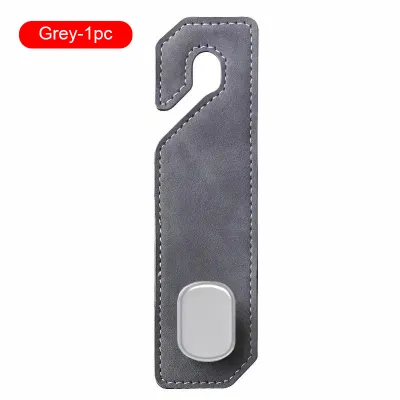
263 Lazada user ratings
🔧Durability: ok 🎨Design: ok 🔧Ease of Installation: ok first time purchase delivery take sometimes item come in good condition everything is …Read full reviewShow less
🔧Durability: ok 🎨Design: ok 🔧Ease of Installation: ok first time purchase delivery take sometimes item come in good condition everything is good and ready to use thank you so much
2 in 1 phone and hook holder, Sturdy and reliable grip, Strong load-bearing capacity, Protects car seats from marks,
🔧Durability:good material 🎨Design:good design and presentable 🔧Ease of Installation:easy to install
🔧Durability:good and strong 🎨Design:good design 🔧Ease of Installation:easy to install
Sturdy and reliable grip, No need to remove headrest,
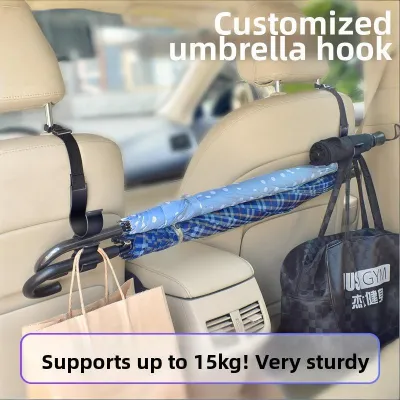
![[SG Stock] Car Hook hanger (2 pcs pack) universal Vehicle Back Seat Headrest Organizer Hanger Storage Hook for Groceries Bag Handbag car accessories](https://img.lazcdn.com/g/p/53a972d0e2d6dcc43ae869ae01a93f8a.jpg_400x400q80.jpg_.webp)
15 Lazada user ratings
Love that it doesn’t come with big hooks that my kids may accidentally knock into at the back seat
Fixed nicely into my car. Thanks
solid yet to test, feel good.
Product as advertised.
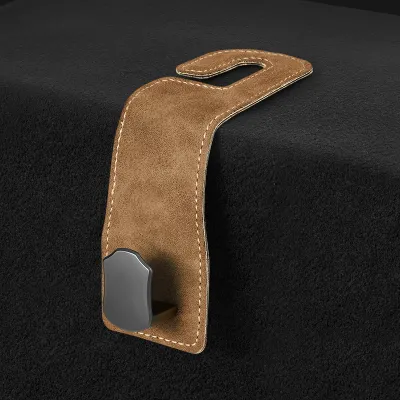
133 Lazada user ratings
The product is good, and the customer service is nice. Totally worth buying!
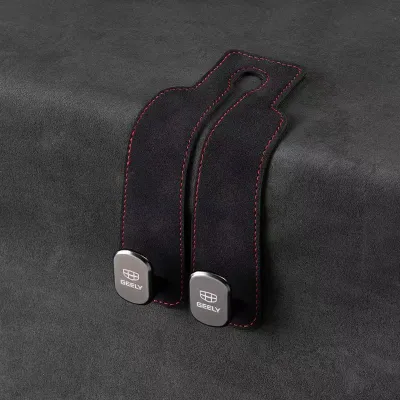
493 Lazada user ratings
Good stuff, second time ordering this product. Quality is excellent, well made with reinforced steel inside to protect wear and tear at the …Read full reviewShow less
Good stuff, second time ordering this product. Quality is excellent, well made with reinforced steel inside to protect wear and tear at the bridge and will also take on heavier weight. Logo is printed and not some plastic button sticker that will drop. Value for money.
Receive the product folded. See photo. Should not have folded and pack in my opinion. Disappointed to see the fold line
Great addition to my car interior, Sturdy and durable, Sleek design, better looking than my old one.
🔧Durability: Easy to install, Great addition to my car interior, Fits perfectly in the car,
![[✅SG Ready Stock] Car Multifunctional Water Cup Holder Car Seat Headrest Hook Auto Back Seat Organizer Bag Hanger Hook](https://img.lazcdn.com/g/p/883783c8b005ccf6d7b98e9358bcccf5.jpg_400x400q80.jpg_.webp)
2 Lazada user ratings
quality soso. hope it can last. the sticker peel out when arrive. tried sticking back but came out again. but this doesn't affect the functi…Read full reviewShow less
quality soso. hope it can last. the sticker peel out when arrive. tried sticking back but came out again. but this doesn't affect the functionality of it.
Prices are valid at publication and may change. Please refer to the product page for the latest price.
When evaluating weight limits, it is crucial to distinguish between static and dynamic loads. A static load refers to the weight a hook can support when the vehicle is completely still. A dynamic load accounts for the additional forces generated when the vehicle is in motion. When you drive over speed bumps, accelerate, or brake suddenly, the effective weight of a hanging object multiplies. A 5 kg bag can exert a force equivalent to 10 kg or more during a sudden stop, easily exceeding the physical limits of a low-grade plastic hook.
Because visual thickness can be highly deceiving, you should never estimate a hook’s strength simply by looking at it. Always refer to the manufacturer’s official specifications to identify the rated capacity, and treat those ratings as maximum limits under ideal, static conditions rather than everyday driving guidelines.
How Mounting Styles Affect Grip and Slipping Risks
The physical connection between the hook and your vehicle’s headrest determines how well the accessory stays in place during transit. The three primary mounting styles are clip-on hooks, strap-based hangers, and headrest-pole-insert designs. Clip-on hooks snap directly onto the exposed metal poles of the headrest, relying on tension and friction to stay secure. While easy to install and remove, they are highly dependent on the pole’s diameter and can easily pop off if the fit is too loose.

Strap-based designs use a loop of fabric or synthetic webbing that wraps around the headrest pole, often securing with a buckle or hook-and-loop fastener. These straps conform easily to different seat shapes and are less likely to snap off suddenly, but they can slide side-to-side if the strap material lacks a high-friction backing. Headrest-pole-insert designs require you to raise the headrest, slide the metal poles through dedicated holes in the hook’s base, and lower the headrest back down. This style offers the most secure physical lock, as the hook cannot be removed without physically lifting the headrest.
Several vehicle-specific variables influence how securely these mounts perform. The contour of your seat back plays a major role; a highly curved seat back may push the hook outward, reducing its contact area and increasing the leverage exerted on the mount. Upholstery material also affects stability. Smooth leather seats offer less friction than textured fabric seats, making it easier for a hook to slide or rotate during a journey. Additionally, headrest pole diameters vary across vehicle makes and models, meaning a clip designed for a standard pole may slip continuously on a thinner support rod.
Driving conditions introduce forces that test the limits of any mounting style. Sharp turns, sudden braking, and driving over uneven road surfaces create lateral and vertical momentum. If a hook lacks a secure grip, this momentum can cause the hook to slide down the pole, rotate out of reach, or drop your items onto the floorboards.
How to Verify Your Hook's Safe Working Load
Before subjecting a new car seat hook to daily use, taking a few minutes to verify its safe working load can prevent unexpected failures. Start by locating the official load rating, which is typically printed on the product packaging, detailed in the user manual, or sometimes stamped directly onto the hook’s body. If you purchased the item from an online marketplace, refer back to the product listing specifications, keeping in mind that these ratings represent maximum limits under static conditions.
Next, perform a thorough physical inspection of the hook before installation. Check for any manufacturing defects, such as uneven plastic molding, sharp edges that could damage your upholstery, or loose hinges. For older hooks already in use, inspect the material for stress cracks, discoloration from sun exposure, or worn non-slip rubber padding. If the hook features a dual-joint or folding mechanism, ensure the hinge moves smoothly without excessive play or signs of structural separation.
To safely test the hook’s capacity in your specific vehicle, conduct a gradual load test while parked. Hang an item of known weight—such as a partially filled bag—onto the hook and observe how the accessory behaves. Gradually increase the weight up to your typical daily load, watching closely for any signs of bending, creaking, or slipping down the headrest pole. If you notice the hook flexing visibly, or if it begins to slide down the metal rod, stop immediately; this indicates that the hook or the mounting style is not compatible with that weight level in your vehicle.
Safe Loading Strategies for Groceries and Handbags
Proper weight distribution is key to maximizing the utility of your car seat hooks while protecting your vehicle’s interior. Rather than hanging a single, heavily loaded grocery bag from one hook, distribute the items across multiple hooks or seating positions. This practice reduces the concentrated stress on a single headrest pole and minimizes the risk of a sudden structural failure. For instance, placing heavier canned goods on the floor and using the hooks solely for lighter, delicate items like bread or eggs is a much safer approach.
When hanging valuable items like handbags or backpacks—which can easily represent an investment of hundreds of S$—pay close attention to how the straps sit on the hook. Hang the bag by its thickest, strongest strap points rather than thin decorative loops, which can easily fray or snap under tension. Ensure the bag hangs vertically and does not pull the hook at an awkward angle, as uneven lateral force can cause the hook to twist and slip off the headrest pole entirely.
Safety should always remain the top priority when positioning hanging items within the cabin. Never hang items in a way that obstructs passenger legroom or interferes with the driver’s view of the mirrors. Most importantly, ensure that no hanging bags or straps block the deployment zones of side airbags or sit near the foot pedals. Keeping the driver’s footwell completely clear of potential obstructions is a critical safety rule that must never be compromised.
Frequently Asked Questions (FAQ)
Can Overloading Car Seat Hooks Damage My Vehicle's Headrest?
Yes, overloading these hooks can lead to costly damage to your vehicle’s interior components. Excessive downward force or leverage can bend the metal headrest poles, crack the plastic guide sleeves built into the seat back, or tear delicate leather and fabric upholstery. To prevent this, always consult your vehicle owner’s manual to check for any specific weight restrictions regarding headrest attachments or aftermarket accessories before installing heavy loads.
What to Do If Your Car Seat Hook Keeps Slipping?
If your hook continuously slips or rotates, first verify that the clip diameter matches the thickness of your vehicle’s headrest poles. You can also clean the mounting area with a mild, upholstery-safe cleaner to remove accumulated dust, interior dressings, or oils that reduce friction. If the slipping persists, consider replacing the accessory with a more secure mounting style, such as a strap-based hanger or a pole-insert design that locks directly beneath the headrest.
Community discussion
Share your experience or ask a question. Comments are reviewed before publication.