
Adding a gel cushion seat to your vehicle can significantly improve driving comfort, but the material of your seat cover plays a decisive role in how well that cushion actually performs. While a gel cushion is designed to distribute pressure and absorb body heat, the surrounding seat cover acts as the primary barrier between your body and the gel core. Choosing the wrong cover material can trap heat and moisture, neutralizing the cooling properties of the gel, while the right material enhances airflow and maintains structural support. To get the most out of your seating setup, you must understand how different textiles interact with gel technology under daily driving conditions.
The Interaction Between Gel Cushions and Seat Covers
Gel cushions function primarily through thermal conduction and pressure distribution. The elastomeric gel absorbs heat from your body and distributes it across its structure, which initially provides a cooling sensation. However, this heat must eventually dissipate. If the cushion is wrapped in a dense, non-breathable seat cover, the heat remains trapped within the gel, causing the cushion to warm up over time and lose its temperature-regulating benefits.
The thickness and weave density of your seat cover are the primary variables governing this heat exchange. Thick, tightly woven fabrics restrict the movement of air, creating an insulating layer that blocks the gel from releasing absorbed heat. Conversely, thin or porous materials allow air to flow freely, facilitating continuous thermal dissipation.
Products mentioned in this guide
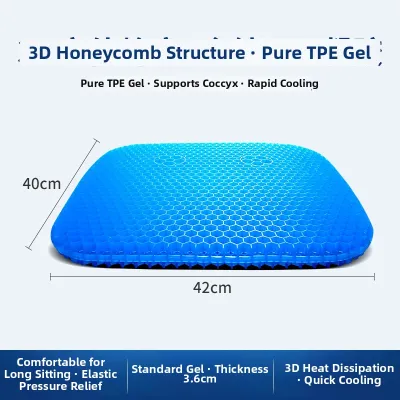
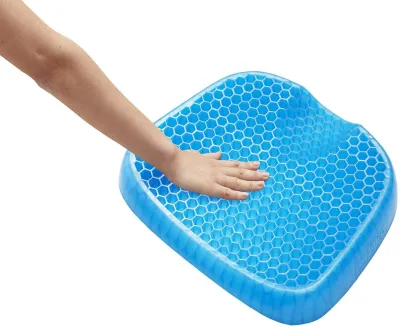
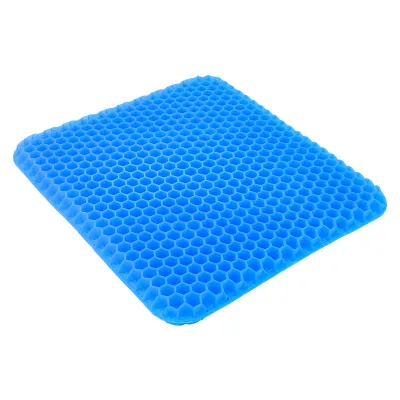
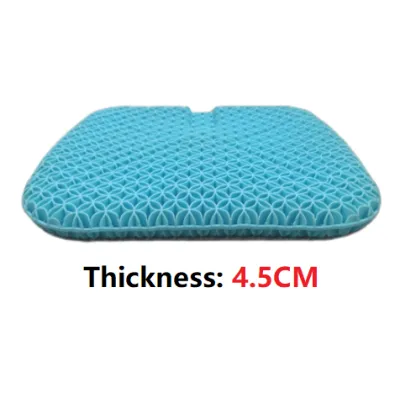
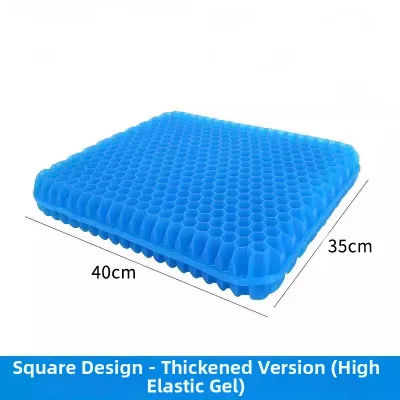
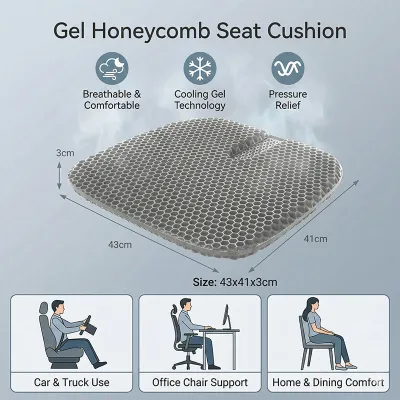
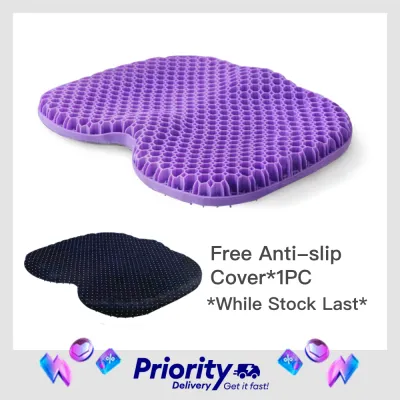
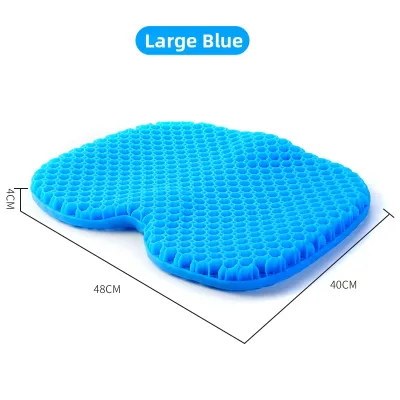
Prices are valid at publication and may change. Please refer to the product page for the latest price.
Before purchasing any cover, check the manufacturer’s product labels for exact material composition and blend ratios. Synthetic blends, such as polyester mixed with polyurethane, behave differently than natural fibers. The label will also provide specific care instructions, which are crucial because accumulated dirt and improper washing can clog the material’s pores, permanently reducing its breathability.
Leather and Synthetic Leather: Surface Feel and Heat Management
Leather and synthetic leather seat covers offer a premium aesthetic and excellent durability, but they present unique challenges when paired with a gel cushion seat. When you first sit down, leather often feels cool to the touch, creating an immediate sense of comfort. However, this initial effect is temporary because solid leather has very low natural breathability.

As you continue to drive, your body heat transfers through the leather to the gel cushion. Because standard leather lacks open pathways for air circulation, it traps this heat against your body. Over long periods, this can lead to localized sweating and discomfort, particularly in warm climates where high humidity accelerates heat buildup.
To evaluate these materials, inspect the product tags for distinctions between genuine leather and synthetic alternatives like polyurethane (PU) or polyvinyl chloride (PVC). Genuine leather possesses natural pores that offer minimal breathability, whereas basic synthetic leathers are entirely non-porous and trap heat much faster. If you prefer the look of leather, look for perforated designs. Non-perforated leather covers will almost certainly restrict the cooling performance of your gel cushion, turning a supportive accessory into a heat trap during extended commutes.
Fabric and Cloth: Airflow, Friction, and Daily Durability
Woven fabric and cloth seat covers represent a balanced middle ground, offering a combination of moderate airflow, high surface friction, and reliable daily durability. The breathability of a fabric cover depends directly on its weave tightness. Loose weaves, such as those found in lightweight canvas or open-knit polyesters, allow moderate air circulation that helps dissipate heat from the underlying gel cushion.
One major advantage of fabric covers is their high level of surface friction. Gel cushions often have a smooth, slippery exterior shell. A fabric cover grips this surface effectively, preventing the cushion from sliding or shifting when you round corners or adjust your seating posture. This stability ensures that the cushion remains properly aligned with your body’s pressure points.
Fabric covers also excel at moisture absorption, drawing sweat away from your skin. However, this means they require regular maintenance to prevent odors and staining. Always verify the cleaning requirements on the manufacturer’s care label before washing. Some fabrics shrink or degrade when exposed to hot water or machine dryers, which can alter their fit and permanently restrict their original airflow capacity.
Mesh and 3D Spacer Fabrics: Maximizing Ventilation
For drivers prioritizing temperature control, mesh and 3D spacer fabrics are the most effective options for maximizing the performance of a gel cushion seat. These materials are engineered with structural gaps and open-cell patterns that facilitate continuous air exchange. As you drive, air moves freely through the open spaces, carrying away the heat absorbed by the gel cushion and preventing moisture buildup.
While mesh offers superior ventilation, it does introduce trade-offs in surface texture. The open, patterned structure of mesh can feel rougher or more pronounced against thin clothing compared to the smooth surface of leather or soft cloth. Additionally, if the mesh layer is extremely thin, you may feel the distinct grid pattern of the underlying gel cushion, which some drivers find distracting.
When selecting a mesh cover, inspect the structural integrity of the material. Look closely at the edge binding and seams to ensure they are reinforced. Because mesh consists of interconnected strands, poor construction can lead to rapid fraying or snagging from clothing zippers and keys. High-quality mesh covers feature durable border materials that protect these vulnerable edges while keeping the central seating area fully ventilated.
Decision Guide: Matching the Cover to Your Driving Environment
Selecting the ideal combination of seat cover and gel cushion requires analyzing your daily driving habits and vehicle environment. If your daily routine consists of short commutes in a vehicle with a powerful air conditioning system, a perforated leather or high-density fabric cover may provide sufficient comfort while maintaining a premium interior look. However, if you face long drives in stop-and-go traffic, a highly breathable mesh cover is essential to prevent the gel cushion from saturating with body heat.
Your personal heat sensitivity and seating posture should also guide your choice. Drivers who run warm or sweat easily will benefit most from the active ventilation of 3D spacer mesh. If you require maximum physical stability to maintain proper spinal alignment, a high-friction fabric cover will keep the gel cushion firmly in place, preventing micro-slips that can strain your lower back over time.
Before making a purchase, use this verification checklist to ensure compatibility and safety:
- Airbag Compatibility: If your vehicle has seat-mounted side airbags, verify that the seat cover is certified as airbag-compatible. Covers must have specialized breakaway seams to ensure the restraint system deploys safely in an emergency.
- Non-Slip Backing: Check that the underside of the cover or the cushion features a reliable non-slip texture to prevent shifting on your car's original upholstery.
- Material Tags: Inspect the physical tags to confirm the exact fiber content and ensure there are no hidden synthetic backings that block airflow.
- Dimensions: Measure your car seat and the gel cushion to ensure the cover fits snugly without compressing the gel, which would reduce its pressure-relieving capabilities.
Frequently Asked Questions (FAQ)
Can I use a heated seat function with a gel cushion and a seat cover?
You must exercise caution when combining heated seats with gel cushions and covers. Always check the gel cushion manufacturer’s specifications to verify the maximum safe temperature limits, as excessive heat can degrade or melt the gel material. Additionally, confirm that your seat cover is explicitly rated for use with heated seats. If you experience any unusual odors, or if the seating surface feels excessively hot, immediately turn off the heater, stop using the cushion, and consult an automotive professional to inspect the system.
Do dark-colored seat covers make gel cushions hotter?
Yes, dark-colored seat covers absorb more solar radiation when your vehicle is parked in direct sunlight, which can significantly raise the initial temperature of the gel cushion underneath. This thermal absorption is especially pronounced in dense materials like dark leather or heavy synthetic fabrics. To mitigate this heat retention, use reflective front windshield sunshades when parked, or open your vehicle’s windows to ventilate the cabin for a few minutes before sitting down.
Community discussion
Share your experience or ask a question. Comments are reviewed before publication.