
Evaluating how a car fragrance performs in Singapore requires looking beyond the initial scent profile to understand how year-round heat and high humidity affect its physical stability and evaporation rate. Because cabin temperatures fluctuate drastically between air-conditioned drives and sun-baked parking, assessing your Kawathi car fragrance depends on verifying its specific formulation, dispensing mechanism, and placement. This guide provides a practical framework to check your product’s specifications, mitigate climate-related risks to your vehicle’s interior, and optimize its longevity in a tropical environment.
Understanding the Impact of Heat and Humidity on Car Fragrances
Singapore’s tropical climate presents a unique set of challenges for any interior car accessory, particularly those designed to disperse volatile aromatic compounds. When a vehicle is parked outdoors under direct sunlight, it acts as a greenhouse. Solar radiation penetrates the glass windows, heating up the dark surfaces of the dashboard, steering wheel, and seats. This trapped heat can cause cabin temperatures to rise significantly above the ambient outdoor temperature, sometimes reaching levels that accelerate the chemical breakdown of fragrance ingredients.
At these elevated temperatures, the volatile molecules responsible for delivering the scent gain kinetic energy and evaporate at an accelerated rate. For car owners, this physical reaction often manifests as an overwhelmingly intense fragrance immediately after parking in the sun, followed by a rapid decline in scent intensity over the subsequent days. The essential oils or synthetic aroma compounds inside the air freshener are simply depleted much faster than they would be in a temperate climate, reducing the overall lifespan of the product.
Products mentioned in this guide
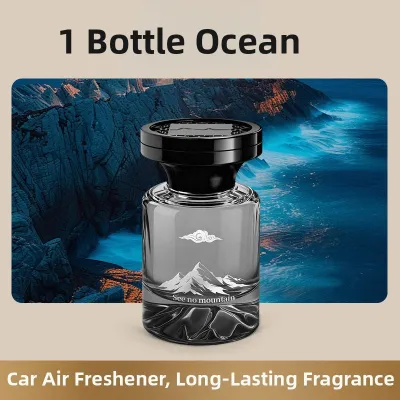
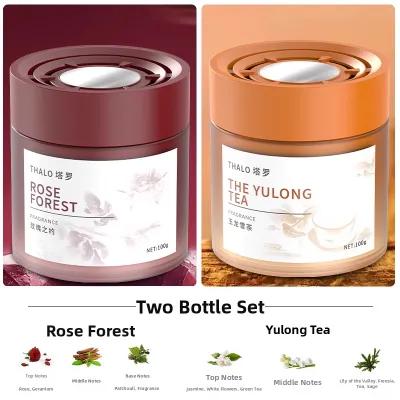


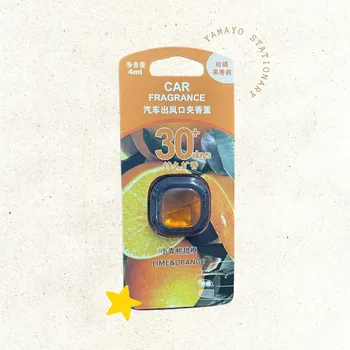



Prices are valid at publication and may change. Please refer to the product page for the latest price.
High ambient humidity, which regularly exceeds 80% in Singapore, further complicates how a fragrance behaves. Moisture-laden air can interact with the carrier materials used in air fresheners, especially those that are water-based or contain hygroscopic elements. When the air is saturated with water vapor, the rate of evaporation for certain water-compatible solvents changes, sometimes slowing down the intended diffusion or causing solid gel structures to absorb ambient moisture. This moisture absorption can lead to physical degradation, such as the softening or weeping of the fragrance medium.
Furthermore, the operational contrast between active driving and parking creates a cycle of thermal shock. During a commute, the vehicle’s air conditioning system rapidly lowers both the temperature and the relative humidity inside the cabin. Once the vehicle is parked and turned off, the interior quickly transitions back to a hot, humid state. This constant fluctuation puts continuous physical stress on the fragrance container, the seals, and the chemical stability of the scent formulation itself, making material selection and placement critical factors for performance.
Key Specifications to Check on Your Kawathi Product
To determine how a specific Kawathi car fragrance will perform in tropical conditions, you must first evaluate its physical characteristics and packaging specifications. Not all air fresheners are formulated equally, and identifying the primary fragrance base is the first step in predicting its heat tolerance. Check the product packaging or the manufacturer’s official documentation to see if the product utilizes an alcohol-based liquid, an essential oil blend, a water-based gel, or a solid polymer matrix.

Alcohol-based liquid fragrances are highly susceptible to rapid evaporation and expansion under high heat, making them less ideal for direct exposure to sunlight. Essential oil blends tend to have a more stable evaporation curve but can still degrade chemically if subjected to prolonged thermal stress. Solid polymer blocks or ceramic diffusers generally offer the highest physical stability in hot climates, as they do not contain free-flowing liquids that can expand or spill, though their scent throw may still vary depending on cabin airflow.
Another critical step is locating and interpreting the manufacturer’s stated operating, storage, or transport temperature limits. This information is typically printed on the back of the packaging or in the safety data sheet. If a product specifies a maximum storage temperature of 50°C, for example, it is highly likely to experience physical or chemical degradation if left on a dashboard parked under the Singapore sun, where surface temperatures can easily exceed this threshold. Always verify these limits before deciding where to mount the product.
Finally, evaluate the physical dispensing mechanism of your Kawathi product. Air fresheners with adjustable vent clips, sliding covers, or membrane-controlled diffusion are highly advantageous in tropical climates. These designs allow you to physically restrict the exposure of the fragrance medium to the air, helping to conserve the scent during periods of extreme heat. Conversely, open-container designs or simple hanging cardboard formats offer no way to regulate evaporation, meaning they will likely deplete rapidly when exposed to the continuous heat of a parked vehicle.
Potential Risks and Interior Protection
Using a car fragrance in a hot climate carries inherent physical risks that extend beyond premature scent loss. One of the primary concerns with liquid-based air fresheners is thermal expansion. As the temperature inside a parked car rises, the liquid inside a sealed or semi-sealed container expands, which can build internal pressure. If the container’s seal or vent mechanism cannot accommodate this pressure, the liquid may leak, drip, or spray onto surrounding surfaces.
The chemical composition of car fragrances often includes concentrated solvents, synthetic esters, or natural oils designed to carry the scent. While these ingredients are safe when contained, they can be highly destructive to a vehicle’s interior materials if a leak occurs. Dashboard plastics, painted trim pieces, leather upholstery, and sensitive electronic consoles can suffer permanent damage upon contact with spilled fragrance liquid. The solvents can dissolve protective coatings, cause plastics to bubble or crack, peel away interior paint, and leave unsightly, irreversible stains on leather, which can cost hundreds of dollars—often exceeding S$500—to professionally repair or replace.
Solid gel or wax-based formats are not entirely free from risk either. Under extreme temperatures, solid gels can undergo a process called syneresis, where liquid separates from the gel matrix and pools on the surface. This weeping liquid carries the same risk of chemical damage as liquid air fresheners. In severe cases, low-quality wax or gel formulations may melt entirely, losing their structural shape and potentially seeping through the seams of their plastic housings onto your car’s console.
To protect your vehicle’s interior, you must establish safe placement zones that strictly avoid high-risk areas. Never place a liquid or gel fragrance directly on top of sensitive infotainment screens, climate control buttons, or leather-wrapped surfaces. Additionally, ensure that any mounted fragrance does not obstruct your view of the road or interfere with the deployment paths of the vehicle’s airbags. Consult your vehicle’s owner manual to identify airbag locations before installing any accessory on the dashboard or A-pillars.
Optimizing Placement and Longevity in a Tropical Climate
Maximizing the lifespan of your Kawathi car fragrance while protecting your vehicle requires strategic placement and proactive cabin management. Instead of mounting the fragrance on the windshield, rearview mirror, or the top of the dashboard—areas that receive the most intense, direct solar radiation—look for cooler, shaded zones within the cabin. Placing the product in a lower center console cup holder, a door pocket, or secured under a seat can significantly reduce its exposure to direct sunlight and lower its peak temperature.
If you prefer using a vent-mounted fragrance, select a vent that is shaded from direct sunlight, such as those located lower on the center stack rather than the top of the dashboard. Additionally, utilize your vehicle’s climate control settings to manage airflow. When parking the car for extended periods, closing the vents where the fragrance is mounted can help trap the scent molecules within the vent ducting, reducing the rate of passive evaporation into the hot cabin air.
Using physical barriers to mitigate cabin heat is one of the most effective ways to preserve your car fragrance. Investing in a high-quality, reflective front windshield sunshade can lower interior dashboard temperatures by several degrees. By blocking direct solar radiation, you not only protect your dashboard from UV damage but also keep the ambient cabin temperature closer to the outdoor ambient level, directly extending the life of your air freshener. Whenever possible, prioritize parking in shaded areas, multi-story car parks, or basement parking lots to avoid the extreme greenhouse effect of open-air parking.
Lastly, establish a routine to monitor the physical condition of your car fragrance. Inspect the container weekly for any signs of warping, cracking, or leakage. For liquid products, check if the fluid level is dropping unusually fast or if the liquid has become cloudy or separated into distinct layers. For gels, look for excessive weeping or shrinkage. If you observe any of these signs of physical degradation, or if the scent profile becomes sour or distorted, safely remove and dispose of the product immediately to prevent any potential damage to your vehicle’s interior.
Frequently Asked Questions (FAQ)
Does leaving the car parked in the sun ruin the fragrance?
Yes, leaving your car parked in direct sunlight can significantly degrade a car fragrance. The extreme heat trapped inside the cabin accelerates the evaporation of the volatile scent compounds, causing the product to deplete much faster than intended. Furthermore, prolonged exposure to ultraviolet (UV) radiation can alter the chemical structure of the fragrance ingredients, leading to a distorted, weak, or unpleasant scent profile. To protect the fragrance and your car’s interior, always use a reflective windshield sunshade or park in shaded areas to minimize heat buildup.
Are solid or liquid Kawathi fragrances better for humid weather?
Neither format is universally superior, as both react differently to Singapore’s hot and humid climate. Liquid fragrances offer a strong, consistent scent throw but carry a higher risk of thermal expansion, leakage, and rapid evaporation when exposed to high heat. Solid gels or polymer blocks are physically more stable and eliminate the risk of major liquid spills, but they can weep, melt, or lose structural integrity if cabin temperatures exceed their specific formulation limits. Rather than choosing based on format alone, you should check the manufacturer’s temperature ratings and select a product with an adjustable dispensing mechanism to control evaporation.
Community discussion
Share your experience or ask a question. Comments are reviewed before publication.