
Engine oil viscosity directly dictates how easily your scooter’s engine starts, how smoothly it runs, and how well its internal components are protected against wear. In dense, stop-and-go city traffic, your engine experiences rapid temperature fluctuations and prolonged idling, making viscosity selection a critical factor in daily performance. Choosing the correct grade ensures the oil flows quickly to protect components at startup while maintaining a strong protective barrier under intense heat.
For riders navigating urban environments, understanding this relationship is key to maintaining fuel efficiency and preventing premature engine wear. The tropical climate, characterized by high ambient temperatures year-round, further amplifies the thermal demands placed on your scooter’s lubricant. Selecting the wrong viscosity can lead to sluggish performance, increased fuel consumption, or even severe mechanical damage over time.
Decoding Viscosity Grades for Scooter Engines
Viscosity refers to a fluid’s resistance to flow. To help riders choose the right lubricant, the Society of Automotive Engineers (SAE) established a standardized grading system. Most modern scooter oils are multi-grade, designated by a rating such as 10W-30 or 10W-40, which indicates how the oil behaves at both low and high temperatures.
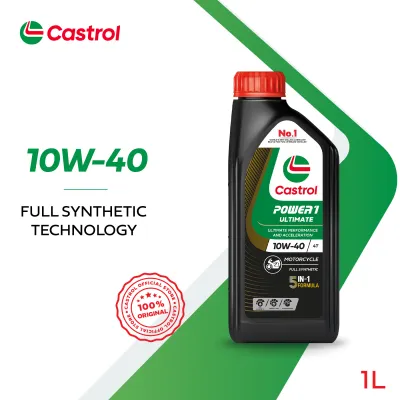
Products mentioned in this guide
![🇸🇬 MOTUL 7100 4T 10W40 10W50 15W50 100% Synthetic Ester Engine Oil Motorcycle Oil [1L]](https://img.lazcdn.com/g/p/00450279a13a350708397ff343c39c19.png_400x400q80.png_.webp)
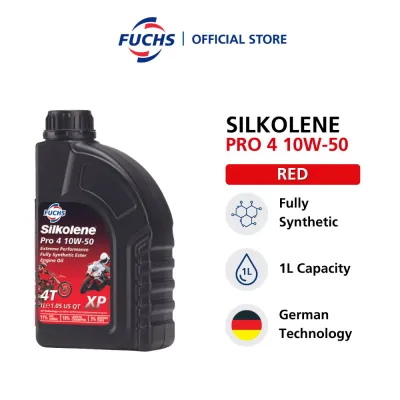
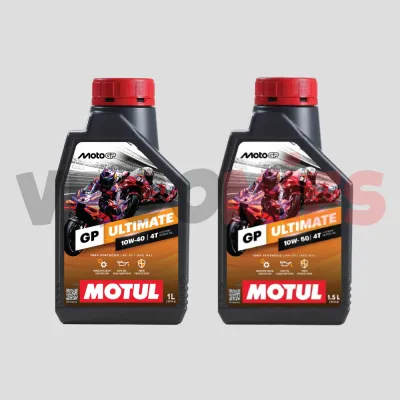
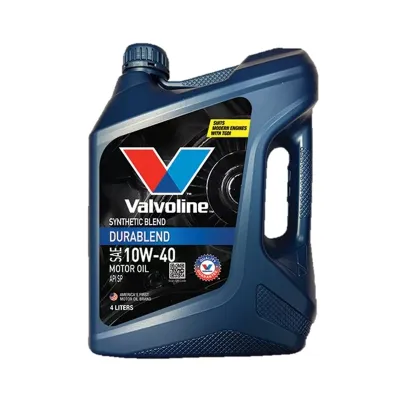
Prices are valid at publication and may change. Please refer to the product page for the latest price.
The number preceding the “W” (which stands for winter) represents the oil’s flow characteristics at cold temperatures. A lower number means the oil remains more fluid in cooler conditions, allowing it to circulate rapidly through the engine immediately upon startup. Even in a warm climate, a cold-start rating is relevant because an engine at rest is still significantly cooler than its optimal operating temperature.
The second number indicates the oil’s viscosity at 100°C, which represents typical engine operating temperatures. A higher second number means the oil retains more thickness and film strength under extreme heat. Proper viscosity ensures that the oil can form a continuous protective barrier between rapidly moving metal parts, preventing direct contact and minimizing wear.
How Stop-and-Go City Traffic Stresses Your Engine Oil
Daily commuting in a bustling city environment presents a unique set of challenges for a scooter’s engine. Frequent idling at traffic lights and crawling through congested streets significantly reduce the natural airflow that helps cool the engine. Unlike larger motorcycles, many scooters rely on compact cooling systems that struggle to dissipate heat efficiently during prolonged periods of stationary idling.

This lack of airflow causes engine temperatures to spike, subjecting the engine oil to intense thermal stress. Under high heat, the chemical bonds within the oil can begin to break down, a process known as thermal degradation. As the oil thins out beyond its intended parameters, the protective film between moving parts becomes compromised, increasing the risk of friction and accelerated component wear.
Conversely, very short commutes—such as a brief three-kilometer trip to a local transit hub—prevent the engine from reaching its optimal operating temperature. When an engine runs cold, moisture from combustion condensation and unburnt fuel can accumulate in the crankcase. Without sufficient heat to evaporate these contaminants, they mix with the oil, leading to fuel dilution and the formation of harmful engine sludge.
Furthermore, the constant cycle of rapid acceleration and sudden braking in heavy traffic subjects the engine to mechanical shear. This physical stress can permanently shear the polymer additives used to maintain viscosity in multi-grade oils. Over time, this mechanical breakdown permanently thins the oil, reducing its ability to protect the engine even under normal operating conditions.
Matching Viscosity to Your Scooter and Daily Commute
The primary authority for selecting the correct engine oil viscosity is always your scooter’s owner’s manual. Manufacturers design engines with precise clearances between moving parts, such as the piston rings and cylinder walls. They specify a baseline viscosity grade that ensures optimal lubrication, sealing, and hydraulic pressure within those specific tolerances.
While the manual provides the baseline, certain riding conditions may warrant a careful adjustment within the manufacturer’s approved range. For instance, if you consistently ride in extreme ambient heat or carry heavy passenger loads, opting for the slightly thicker end of the recommended spectrum (such as choosing 10W-40 over 10W-30, if both are permitted) can offer enhanced thermal protection. High-mileage engines with slight internal wear might also benefit from a slightly thicker oil to help seal clearances and reduce oil consumption.
However, deviating too far from the recommended specifications can cause significant performance issues. Using an excessively thick oil increases internal fluid drag within the engine. This extra resistance forces the engine to work harder, resulting in sluggish throttle response and a noticeable decrease in fuel efficiency. It also restricts the oil’s ability to flow quickly during startup, leaving critical top-end components temporarily starved of lubrication.
Reading Oil Labels to Ensure Compatibility
Finding the correct viscosity grade is only the first step; you must also ensure the oil meets the specific technical standards required by your scooter’s engine design. Scooter engines operate differently from standard motorcycle engines, primarily due to their transmission systems. Reading the product label carefully will help you verify compatibility before purchase.
The most critical certification to look for on a scooter oil bottle is the JASO (Japanese Automotive Standards Organization) standard. Most modern scooters utilize a continuously variable transmission (CVT) with a dry centrifugal clutch, meaning the engine oil only lubricates the engine itself. For these vehicles, you should look for the JASO MB specification. JASO MB oils are formulated with friction modifiers that reduce internal drag, maximizing fuel efficiency and power delivery.
In contrast, motorcycles with wet clutches require JASO MA or MA2 oils, which contain specific friction characteristics to prevent clutch slippage. While using a JASO MA oil in a dry-clutch scooter will not cause mechanical damage, it will increase internal friction and reduce fuel economy. Always check the label to ensure you are not accidentally purchasing a wet-clutch motorcycle oil for your dry-clutch scooter.
Additionally, locate the API (American Petroleum Institute) service classification on the bottle, usually displayed within a circular symbol. This rating indicates the oil’s performance level and chemical stability. Ensure the API rating (such as SN or SP) meets or exceeds the minimum standard specified in your owner’s manual to guarantee adequate protection against oxidation and deposit formation.
Maintenance and Oil Change Intervals for Urban Riding
Because city riding involves frequent idling, short trips, and high operating temperatures, it is typically classified as “severe service” by vehicle manufacturers. This means the standard maintenance intervals listed in your owner’s manual may not be sufficient to protect your engine. Commuters who ride primarily in urban environments should adhere to a shortened oil change schedule to prevent premature engine wear.
Under severe operating conditions, engine oil degrades and loses its protective properties much faster than it would during steady highway riding. Shortening your oil change intervals—often by up to fifty percent of the standard mileage recommendation—helps ensure that fresh, clean lubricant is always circulating through your engine.
Regularly checking your oil level and condition is a simple yet vital maintenance task. Park your scooter on its center stand on a flat surface, allow the engine to cool, and locate the dipstick or sight glass. The oil level should always rest between the minimum and maximum indicators. Running a scooter with low oil levels accelerates thermal stress and can lead to catastrophic engine failure.
While checking the level, inspect the visual condition of the oil on the dipstick. Healthy oil is typically amber or light brown. If the oil appears thick, black, and gritty, it has accumulated excessive soot and carbon, indicating an immediate need for a change. A milky or frothy texture suggests coolant or moisture contamination, while a strong smell of fuel indicates fuel dilution. If you observe any of these signs, replace the oil immediately and have the vehicle inspected by a professional.
Frequently Asked Questions (FAQ)
Can I use standard car engine oil in my scooter?
It is highly recommended to avoid using standard automotive engine oil in your scooter. While some car oils share similar viscosity grades, they are formulated for different operating temperatures, engine speeds, and emissions systems. Scooter engines typically run at much higher revolutions per minute (RPM) and operating temperatures than car engines, requiring specialized additive packages to prevent oil shear and maintain a stable protective film.
Is a thicker viscosity grade better for an older scooter engine?
Using a slightly thicker oil within the manufacturer’s approved range can sometimes help reduce oil consumption and cushion worn clearances in high-mileage engines. However, going too thick can restrict oil flow, increase oil pump strain, and reduce fuel efficiency. Always consult your owner’s manual or a qualified mechanic before changing viscosity grades to ensure you do not inadvertently accelerate engine wear.
How often should I change the oil if I only ride short distances?
If your daily rides are primarily short trips under five kilometers, you should follow the severe service maintenance schedule. Short trips prevent the engine from reaching its optimal operating temperature, leading to moisture and unburnt fuel accumulating in the oil. To prevent harmful sludge buildup, change your oil more frequently, focusing on time-based intervals (such as every six months) rather than just mileage.
Community discussion
Share your experience or ask a question. Comments are reviewed before publication.