
Determining whether a Hooga car perfume is suitable for Singapore’s intense heat and humidity requires looking closely at how different product formats and chemical compositions interact with a closed vehicle cabin. While these home-inspired fragrances are popular for creating a relaxing, aesthetic environment, the thermal environment inside a car parked under the tropical sun is vastly different from a temperature-controlled living room. Cabin temperatures can quickly escalate far beyond the ambient outdoor temperature, turning your car into a high-heat chamber that tests the physical limits of any air freshener. To ensure your vehicle’s interior remains pristine and your fragrance performs optimally, you must understand how to verify product specifications, identify heat-related risks, and apply safe placement strategies.
How Different Car Perfume Formats React to High Heat
Car perfumes generally come in several distinct formats, including liquid diffusers, gel blocks, solid waxes, and vent clips. Each of these formats reacts uniquely to the extreme thermal conditions experienced in Singapore, where outdoor temperatures frequently hover around 32°C to 35°C, pushing closed cabin temperatures well past 60°C.
Liquid-based car perfumes, often housed in glass bottles with wooden diffusers or reed-like mechanisms, carry the highest risk of rapid evaporation and pressure buildup. As the air inside the bottle heats up, it expands, which can force the liquid upward through the wooden cap or seals faster than intended. This accelerated movement not only depletes the fragrance prematurely but also increases the risk of liquid overflowing or leaking onto sensitive dashboard plastics and console materials.
Products mentioned in this guide
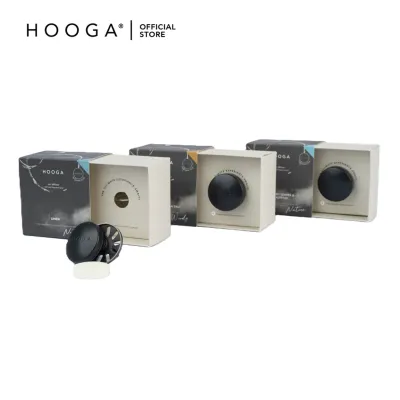
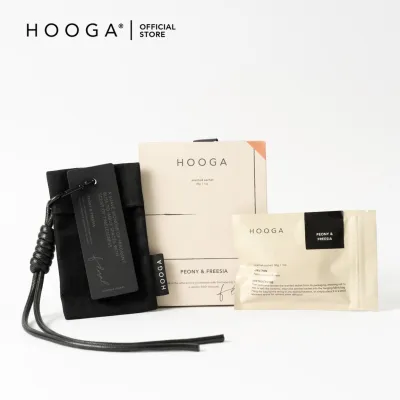
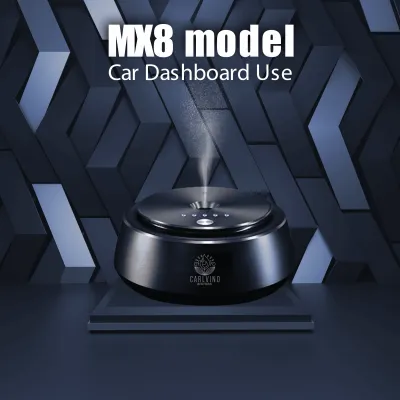

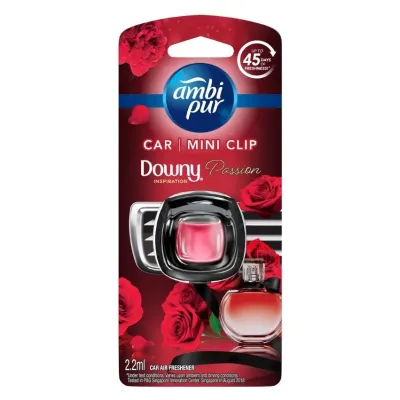

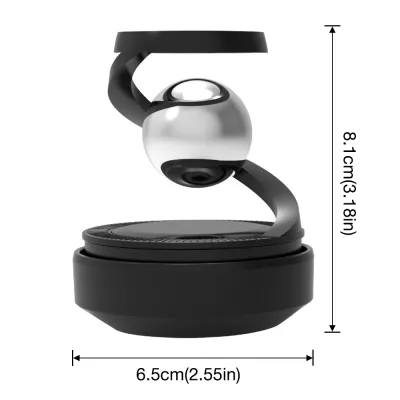
Prices are valid at publication and may change. Please refer to the product page for the latest price.
Gel and solid wax formats present a different set of challenges under prolonged heat exposure. Many gel air fresheners rely on water- or oil-based polymer matrices to hold the fragrance molecules. When subjected to intense cabin heat, these matrices can undergo structural breakdown, causing the gel to liquefy, shrink rapidly, or melt into a sticky residue. Solid wax options, while less prone to sudden spilling, can soften or warp, potentially releasing concentrated oils that can stain surrounding surfaces if the container is not completely sealed.
Vent clips and passive diffusers rely on the vehicle’s air conditioning system to disperse scent throughout the cabin. However, when the car is parked and the air conditioning is off, the ambient heat inside the cabin continues to drive passive evaporation. Once you start the car and turn on the fan, the sudden rush of air over a highly heated, saturated vent clip can result in an overwhelming burst of fragrance that may cause olfactory fatigue or physical discomfort. Before purchasing, always verify your vehicle’s vent slat dimensions and mounting positions to ensure a secure fit that will not damage the vent mechanism under thermal stress.
Checking Hooga Product Labels for Tropical Climate Suitability
Before installing any Hooga car perfume, it is essential to thoroughly inspect the product packaging and manufacturer labels for specific usage instructions and safety warnings. Because these products are often designed for multi-market distribution, their labels contain critical parameters regarding maximum operating temperatures and environmental limitations that you must verify.

Look closely for explicit temperature thresholds or warnings against leaving the product in direct sunlight. Many manufacturers specify a safe storage and operating temperature range, often warning that exposure to temperatures exceeding 40°C or 50°C can compromise the product’s structural integrity. If the label contains a warning about high-temperature exposure, it is a clear indicator that the product should not be left on the dashboard or in an unshaded parked vehicle for extended periods.
The ingredient list is another vital source of information when assessing tropical suitability. Pay close attention to the presence of alcohol, volatile organic compounds, or specific solvents used to carry the fragrance oils. Formulations with high alcohol content evaporate at much lower temperatures, making them highly volatile in tropical climates. This rapid volatilization not only shortens the product’s lifespan but can also lead to localized pressure buildup inside sealed glass or plastic containers.
Finally, verify whether the packaging indicates that the formulation has been stabilized or tested for high-humidity and high-temperature environments. While some premium car perfumes feature specialized stabilizers to slow down evaporation in hot climates, others are standard formulations that will degrade rapidly under tropical conditions. If the label lacks any mention of high-temperature stability, you should assume the product requires careful placement and active monitoring to prevent heat-induced failures.
How Singapore's Climate Affects Fragrance Longevity
Singapore’s unique combination of high ambient temperatures and persistent humidity directly influences how fragrance molecules behave inside a confined vehicle cabin. Understanding these physical processes can help you set realistic expectations for how long your Hooga car perfume will last and how its scent profile will evolve over time.
Elevated cabin temperatures significantly accelerate the volatilization of fragrance oils. In chemical terms, heat increases the kinetic energy of the liquid molecules, causing them to transition into gas at a much faster rate. This means that a car perfume rated to last up to 45 days in a temperate climate might only deliver 15 to 20 days of noticeable fragrance in a vehicle parked regularly under the tropical sun. The top notes of the fragrance—typically light, citrusy, or floral scents—will evaporate almost immediately, leaving behind heavier base notes that may alter the intended scent profile.
High humidity levels further complicate scent projection and olfactory perception. When the air inside the cabin is saturated with moisture, it can alter the evaporation rate of water-soluble components in the perfume. Additionally, high humidity affects how your nasal passages perceive scent molecules; damp air can make certain heavy, sweet, or musky fragrances feel incredibly dense and cloying, while masking lighter, fresher notes. This can lead to a perception that the perfume is either overwhelming or strangely distorted.
You can identify when your car perfume is depleting prematurely by watching for specific environmental stress indicators. If you notice a sudden, dramatic drop in liquid level over just a few days, or if a gel format shrinks to a fraction of its original size within a week, the product is evaporating too quickly due to thermal stress. Recognizing these signs early allows you to adjust your parking habits or relocate the perfume to a cooler part of the cabin before the fragrance is completely exhausted.
Safe Placement and Maintenance Strategies for Hot Cabins
To maximize the lifespan of your Hooga car perfume and protect your vehicle’s interior from potential damage, you must adopt strategic placement and maintenance habits. Proper positioning can mitigate the worst effects of localized heat buildup and prevent costly damage to your car’s cabin surfaces.
The most critical rule is to avoid placing any car perfume in direct sunlight, particularly on top of the dashboard or hanging directly from the rearview mirror. The area directly beneath the windshield acts like a greenhouse, concentrating solar radiation and creating localized hot spots that can easily melt plastics, warp containers, and cause rapid liquid expansion. Instead, opt for shaded, lower-temperature zones within the cabin, such as under the seats, inside a door pocket, or attached to a low-level air conditioning vent that is shielded from direct sun.
If you are using a liquid or gel format, always employ a protective barrier or a designated, secure holder. Even high-quality containers can develop micro-cracks or slow leaks when subjected to repeated heating and cooling cycles. Placing the perfume container inside a silicone cup, a plastic tray, or a dedicated cup-holder insert ensures that any accidental leaks or condensation are contained, preventing the highly concentrated chemical oils from coming into direct contact with your vehicle’s leather upholstery, soft-touch plastics, or sensitive electronic consoles.
Establish a routine visual inspection habit to catch potential issues before they escalate. Every few days, take a moment to examine the perfume container for signs of physical stress, such as warping, bulging, or cracking. Check the integrity of the seals and look for any oily residue accumulating around the cap or vent clip attachment. If you notice any structural changes, remove the product immediately to prevent a spill that could permanently stain or dissolve your dashboard materials.
When to Remove or Replace Your Car Perfume
Knowing when to retire or replace your car perfume is essential for maintaining a safe and clean vehicle interior. Continuing to use a degraded or structurally compromised product can lead to unpleasant odors, chemical exposure, or physical damage to your car’s cabin.
Be alert to physical changes in the perfume itself, such as distinct discoloration, separation of liquid layers, or the appearance of unusual cloudiness. These visual cues indicate that the chemical bonds holding the fragrance oils and solvents together have broken down under the stress of high heat. If the scent suddenly changes from its original profile to a sour, chemical, or burnt odor, the formulation has degraded and should be discarded immediately.
Structural failures require instant action. If you observe a cracked container, a compromised seal, or active leaking, remove the product from your vehicle without delay. Do not attempt to patch a leaking container with tape or glue, as the chemical solvents in the perfume can easily dissolve common adhesives, leading to further leaks.
In the event of an accidental spill, immediate and proper cleanup is vital. Concentrated fragrance oils can quickly soften and bubble dashboard plastics, strip protective coatings from leather, and leave permanent stains on fabric. Blot the spill immediately with a clean, dry microfiber cloth—avoid wiping, which can spread the liquid over a larger area. Clean the affected surface using a mild, material-safe automotive cleaner recommended by your vehicle manufacturer, and avoid using harsh household detergents that could worsen the damage. If the spill occurs on sensitive electronics or premium leather, consult a professional automotive detailer to minimize long-term damage.
Frequently Asked Questions (FAQ)
Can I Leave Hooga Car Perfume in a Parked Car Under the Sun?
Leaving a Hooga car perfume in a vehicle parked directly under the sun carries significant risks due to the rapid temperature spikes caused by the greenhouse effect. Inside a sealed car, temperatures can easily climb 20°C to 30°C above the outdoor ambient temperature within an hour. If you are using a liquid diffuser or a pressurized container, this extreme heat can cause rapid expansion, leading to leaks, container warping, or even structural failure. Solid formats or well-sealed gel packs carry a slightly lower risk of sudden leakage, but they will still degrade and lose their fragrance rapidly. If you must park in unshaded areas for extended periods, it is highly recommended to place the perfume in a shaded glove box, under a seat, or temporarily remove sensitive liquid formats from the vehicle entirely.
Does High Humidity Make the Fragrance Smell Stronger or Weaker?
High humidity levels inside a vehicle cabin can make a fragrance feel significantly heavier and more overwhelming, rather than weaker. When the air is saturated with moisture, water vapor can trap volatile organic compounds and fragrance molecules, slowing down their dispersion and keeping them concentrated in a smaller space. This concentrated moisture-scent barrier can lead to rapid olfactory fatigue, where your nose quickly becomes desensitized to the smell, making you believe the perfume has lost its strength when it is actually still highly concentrated. To manage this effect and maintain a balanced scent throw, utilize your vehicle’s air conditioning system to dehumidify the cabin air, and periodically use the fresh air intake mode to ventilate the space and clear out stagnant, moisture-laden air.

Community discussion
Share your experience or ask a question. Comments are reviewed before publication.