
The Honda Shuttle is a staple on Singapore roads, cherished for its exceptional fuel efficiency, cavernous boot space, and family-friendly versatility. However, because many of these station wagons serve as daily commuters, family haulers, or private-hire vehicles, their cabins endure relentless wear and tear. Over time, high-contact surfaces like the driver’s seat, steering wheel, floor mats, and cargo area inevitably show signs of aging, fading, or physical damage. Keeping these interior components in top condition not only preserves the aesthetic appeal of your vehicle but also helps maintain its resale value and supports a safe, comfortable driving environment.
Addressing worn interior parts requires a clear understanding of which components degrade fastest and what replacement options exist in the market. From custom-fit seat covers that protect against spills to heavy-duty cargo liners designed for the Shuttle’s unique fold-flat seating, owners have access to a wide array of original equipment manufacturer (OEM) and aftermarket solutions. By identifying high-wear areas early and choosing the right materials, you can restore your cabin’s comfort and functionality while safeguarding critical safety features like seat-mounted side airbags.
Identifying High-Wear Interior Components in Your Honda Shuttle
Conducting a systematic visual and tactile inspection of your Honda Shuttle’s cabin is the first step in identifying which components require immediate attention. Start by examining the driver’s seat, particularly the outer side bolsters, which experience constant friction every time you enter or exit the vehicle. Run your hands along the steering wheel grip to check for peeling leather, sticky spots, or worn textures that can compromise your hold. Additionally, inspect the high-traffic footwells—especially beneath the accelerator and brake pedals—where heels can wear deep grooves into the factory carpeting.
Products mentioned in this guide
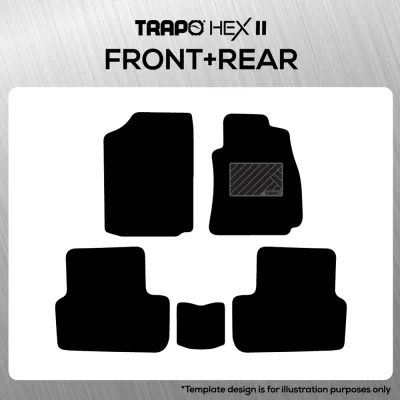
23 Lazada user ratings
Delivered in a big cardboard box and received in good condition. All fit perfectly except for the rear centre piece. It is kind of "floating…Read full reviewShow less
Delivered in a big cardboard box and received in good condition. All fit perfectly except for the rear centre piece. It is kind of "floating". Overall, antislip as advertised and happy with it. The odour will dissipate after few days.
Appearance: excellent Quality: as good as my first Trapo Mat My 2nd Trapo. Can’t go wrong with them. Thanks guys!
Items are reliable and good. Just the shipping take some time but the items are great and will buy again.
Fit perfectly! material seem tough & hard wearing. bought at good price. thank you seller
The product is well-packed and in good condition.
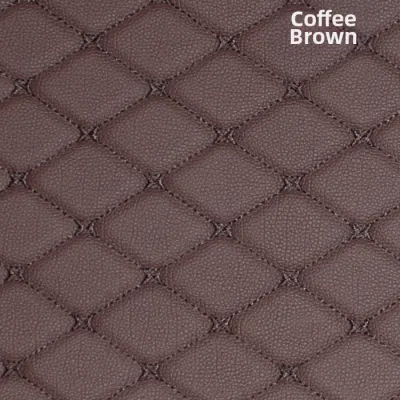
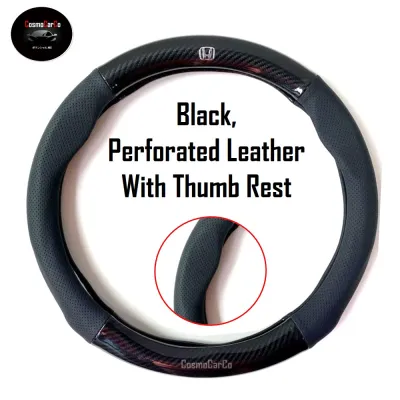
25 Lazada user ratings
Recieved item in good condition...take some time to fit but no issue.Good firm hold after installation.
Good quality good buy delivery very fast, good grip while driving
item received in good condition 👍. fast delivery
Good quality and fast delivery
Looks and feels good
Prices are valid at publication and may change. Please refer to the product page for the latest price.
The tropical climate of Singapore plays a significant role in accelerating the degradation of your Shuttle’s interior materials. Intense ultraviolet (UV) radiation passing through the windshield can cause the dashboard to dry out, warp, or develop a sticky residue over time. High humidity levels also trap moisture within fabric seats and carpets, leading to musty odors, adhesive breakdown, and potential mold growth. These environmental factors mean that even low-touch areas, such as the upper door cards and rear headrests, can suffer from premature aging and color fading.
When assessing damaged components, you must decide whether a simple cosmetic cover-up is sufficient or if a complete part replacement is necessary. Minor surface scratches on plastic trim or slight fading on fabric can often be addressed with protective conditioners or slip-on covers. However, if the structural integrity of a component is compromised—such as collapsed seat foam, torn seat belts, or cracked dashboard panels—a full replacement is essential. Prioritizing structural repairs over cosmetic fixes helps ensure that your vehicle remains safe and comfortable for all occupants.
Seat Covers and Upholstery: Materials and Replacement Choices
Upgrading or replacing your Honda Shuttle’s seat upholstery requires balancing durability, comfort, and maintenance requirements. Neoprene is an excellent choice for active drivers, offering exceptional water resistance and a cushioned feel that stands up well to wet gear or sports equipment. Synthetic leather, such as high-grade polyurethane (PU) or polyvinyl chloride (PVC), provides a premium, upscale appearance that is incredibly easy to wipe clean after spills. For those prioritizing maximum ruggedness, heavy-duty canvas covers offer exceptional resistance to punctures and abrasions, though they tend to have a stiffer texture.

Fitment is a critical factor when choosing seat covers, as it directly impacts both the aesthetics of your cabin and your safety. Universal slip-on covers are widely available and budget-friendly, but they often fit loosely, bunch up during drives, and can slide out of position. Custom-molded covers, designed specifically for the Honda Shuttle’s seat contours, offer a seamless look that mimics original upholstery. More importantly, custom covers are engineered with specialized breakaway stitching or open slots to allow the seat-mounted side airbags to deploy without obstruction during an accident.
There are scenarios where off-the-shelf seat covers are inadequate, making professional reupholstery the preferred path. If your seat’s internal foam has collapsed, or if the original fabric is severely torn and exposing the metal frame, a simple cover will not restore comfort or support. Professional upholstery shops can rebuild the seat cushion foam, repair integrated seat heaters, and sew custom leather or fabric skins directly onto the frame. This comprehensive approach restores the seat’s original ergonomic support and ensures that all integrated safety sensors remain fully functional.
Floor Mats and Cargo Liners: Protecting the Cabin and Boot
The footwells of your Honda Shuttle bear the brunt of daily dirt, mud, and moisture, making high-quality floor mats a necessity. Traditional carpeted mats offer a soft, premium feel underfoot and can trap dry dust effectively, but they are difficult to clean when soaked and prone to holding damp odors. In contrast, all-weather thermoplastic elastomer (TPE) or thermoplastic polyurethane (TPU) trays feature raised edges that contain liquid spills, mud, and sand. These durable trays can be easily removed, hosed down, and dried within minutes, making them highly practical for Singapore’s frequent rain showers.
One of the Honda Shuttle’s standout features is its versatile cargo area, which utilizes a fold-flat seating configuration to maximize utility. To protect this space, look for custom-fit boot liners that are specifically molded to accommodate the folding mechanism of the rear seats. Some advanced liners feature split designs or flexible joints, allowing you to fold the seats down without removing the protective tray. Pairing these liners with foldable trunk organizers helps secure loose items, preventing groceries, tools, or sports gear from sliding around and scratching the plastic side panels.
Safety must remain your top priority when installing or replacing floor mats in the driver’s footwell. Unsecured mats can slip forward, potentially trapping the accelerator pedal or blocking the brake pedal, which poses a severe driving hazard. Always ensure that your replacement mats are equipped with compatible retention clips that lock securely onto the factory floor anchor points. Regularly inspect these clips to confirm they are not cracked or loose, and never layer multiple mats on top of one another, as this increases the risk of pedal interference.
Dashboard, Door Panels, and Steering Wheel Trim Options
The dashboard is the most exposed surface in your Honda Shuttle, bearing the full force of solar heat and UV radiation. To help prevent cracking, warping, and fading, consider using a custom-fit reflective sunshade whenever your vehicle is parked outdoors. Additionally, applying a high-quality, non-greasy UV-protective conditioner to the dashboard surface helps maintain the plastic’s flexibility and prevents the development of a sticky texture. Avoid using shiny, silicone-based dressings, as they can create a distracting glare on the windshield during bright daylight driving.
A peeling or worn steering wheel not only looks unsightly but also reduces your grip and control over the vehicle. Installing a high-quality steering wheel cover made of perforated leather or microfiber can instantly restore a premium feel and protect the original surface from hand oils and sweat. When selecting a cover, choose a slim, stitch-on variant rather than a thick slip-on model to avoid adding excessive bulk to the wheel. A stitch-on cover requires more time to install but provides a tight, factory-like fit that will not slip during sudden steering maneuvers.
Door panels and lower cabin trim are highly susceptible to scuffs, scratches, and physical damage from shoes during entry and exit. Applying self-adhesive door panel scuff guards made of durable vinyl or carbon-fiber-textured film can shield these vulnerable areas from permanent damage. If you notice that your door panels are rattling or pulling away from the metal frame, the culprit is often broken or degraded plastic trim clips. Replacing these inexpensive clips with OEM-spec fasteners restores a tight, rattle-free fit and keeps your cabin feeling solid and quiet.
Sourcing OEM vs. Aftermarket Honda Shuttle Interior Parts
When sourcing replacement interior parts for your Honda Shuttle, you must weigh the benefits of original equipment manufacturer (OEM) components against aftermarket alternatives. OEM parts are produced to the exact specifications of the manufacturer, ensuring a highly accurate color match, precise fitment, and identical material durability. This is particularly important for safety-critical components, such as seat belt assemblies, airbag covers, and structural trim pieces. While OEM parts typically carry a premium price tag, they offer peace of mind and preserve the original look and feel of your vehicle’s cabin.
Aftermarket options, on the other hand, provide a wider variety of styles, materials, and price points, allowing for greater customization. These parts can be sourced from authorized local automotive accessory shops, specialized trim dealers, or reputable online marketplaces. When exploring the aftermarket, look for brands that specialize in JDM (Japanese Domestic Market) vehicles, as the Honda Shuttle is a JDM-specific model (chassis codes GP7, GP8, GK8, and GK9). This specialization increases the likelihood that the parts will fit your specific trim level without requiring extensive modifications.
Before finalizing any purchase, it is crucial to perform several verification steps to avoid compatibility issues. Always verify the exact model year, chassis code, and trim level of your Shuttle, as minor interior updates during facelift cycles can alter part dimensions or mounting points. Cross-reference part numbers with official catalogs whenever possible, and ask the seller for detailed measurements or photos of the mounting clips. Finally, review the seller’s return and exchange policies, especially when ordering custom-fit items like seat covers or floor mats, to ensure you can return the product if the fitment is incorrect.
Frequently Asked Questions (FAQ)
Can I install custom seat covers without blocking the side airbags?
Yes, you can install custom seat covers, but you must ensure they are explicitly certified as airbag-compatible. These specialized covers feature breakaway stitching or dedicated side openings designed to tear open instantly when the seat-mounted side airbag deploys. Never use universal, uncertified seat covers on seats equipped with side airbags, as they can restrict deployment and lead to severe injuries during a collision. Always verify the manufacturer’s safety labels and certification tags before installation.
How do I remove stubborn stains from the Shuttle's original carpet?
To remove stubborn stains from your Honda Shuttle’s carpet, start by applying a dedicated automotive carpet cleaner formulated for fabric upholstery. Gently agitate the stained area with a soft-bristled brush, working from the outside of the stain inward to prevent it from spreading. Use a clean microfiber cloth or a wet-dry vacuum to extract the liquid, ensuring you do not oversaturate the carpet, which can lead to mold growth or damage under-floor wiring. For deep, oil-based, or persistent stains, consult a professional automotive detailer who uses specialized steam extraction equipment.

Community discussion
Share your experience or ask a question. Comments are reviewed before publication.