
Deciding whether your Honda Jazz requires a full side mirror assembly replacement or just a simpler glass or cover swap depends entirely on the extent of the damage. If the internal motors, wiring, and electronic features remain fully functional, a partial replacement is usually sufficient and highly cost-effective. However, structural damage to the base or failures in integrated electronics will mandate a complete assembly change to maintain safety and vehicle functionality.
In urban driving environments like Singapore, where tight parallel parking, narrow multi-storey carpark ramps, and close-quarter traffic are common, side mirrors are highly susceptible to scrapes and impacts. Determining the exact level of damage early prevents unnecessary spending while ensuring your vehicle remains completely roadworthy. By systematically evaluating the components, you can choose the most practical repair path.
How to Inspect and Diagnose Your Honda Jazz Side Mirror Damage
To determine the correct repair path, you must conduct a systematic visual and functional inspection of the entire mirror unit. Start by examining the mirror glass itself. Look closely for hairline cracks, deep chips, or signs of delamination, where the reflective backing begins to separate from the glass. When inspecting, avoid applying excessive pressure to the glass or the backing plate, as aged plastic clips behind the mirror can easily snap under sudden force.
Products mentioned in this guide
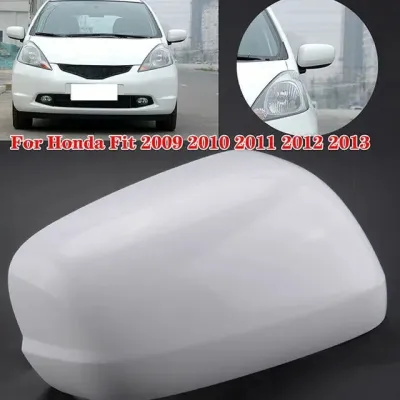
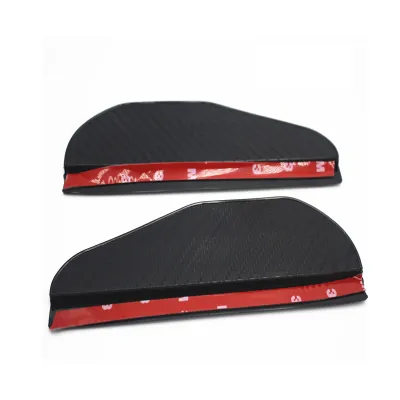
Prices are valid at publication and may change. Please refer to the product page for the latest price.
Next, shift your attention to the exterior components. Inspect the outer plastic cover and the mounting base that attaches directly to the car door. Look for deep scratches, scuffs, broken plastic clips, or gaps where the cover meets the main housing. In tropical climates with heavy rainfall, even minor cracks or loose clips can allow water to seep into the housing, potentially damaging the sensitive electrical components inside.
Finally, test all electronic functions from the driver’s seat. Turn on your vehicle’s ignition and operate the mirror adjustment switch to see if the glass moves smoothly in all directions. If your Honda Jazz is equipped with power-folding mirrors, press the folding button several times to check for smooth operation. Listen closely for any unusual grinding, clicking, or straining noises, which indicate internal gear wear. For higher trim levels, test the heating elements and verify that the integrated turn signals or LaneWatch camera systems function without flickering or error codes on your dashboard.
When a Glass-Only or Cover-Only Replacement is Enough
A glass-only replacement is a highly practical and budget-friendly solution when the damage is strictly confined to the reflective surface. If your mirror glass is shattered or cracked but the underlying backing plate, heating elements, and adjustment motors still function perfectly, there is no need to replace the entire housing. This partial fix restores clear rearward visibility quickly without the high cost of a complete assembly.

Similarly, a cover-only replacement is suitable when the damage is purely cosmetic. If you scraped the outer shell against a pillar in a tight parking space, resulting in paint scuffs or a cracked plastic cover, you can replace just this outer piece. This is only viable if the internal mounting clips on the main housing remain unbroken and the weather seals are completely secure. Replacing just the cover preserves the original factory-installed motor and wiring.
However, attempting a DIY glass or cover replacement carries specific risks that you must consider. Removing cracked glass requires careful prying, as uneven pressure can easily snap the delicate plastic backing plate or damage the motor gears behind it. Additionally, cleaning up old adhesive residue or managing the tiny clips requires patience and the right tools. If you are uncomfortable handling fragile plastic components, seeking professional assistance is highly recommended to avoid causing further damage.
When You Must Replace the Full Side Mirror Assembly
There are several scenarios where internal mechanical or electrical failures make a complete side mirror assembly replacement absolutely necessary. The most common indicator is an internal motor failure. If the mirror glass no longer responds to the cabin controls, or if the power-folding mechanism fails completely while emitting a loud grinding noise, the internal plastic gears are likely stripped or the motor has burned out. Because these motors are sealed inside the main housing, they cannot be easily repaired individually.
Another critical factor is the presence of integrated safety and convenience features. Modern Honda Jazz models often feature turn signal indicators built into the mirror housing, and some trims include the LaneWatch camera system on the passenger side. If a collision damages the camera housing, cracks the lens, or severs the internal wiring harness, a simple glass or cover replacement will not restore these driver-assist functions. These advanced systems require a fully intact housing and precise alignment to operate correctly.
Structural compromise to the mirror’s physical structure also demands a full replacement. If a significant side-impact collision has cracked the mounting base, broken the internal metal bracket, or left the mirror hanging solely by its electrical wires, the unit is no longer safe. A loose or vibrating mirror distorts your view of the road and poses a hazard to other road users. In such cases, replacing the entire assembly is the only way to ensure the mirror remains securely attached and compliant with road safety standards.
Sourcing the Right Parts and Planning the Installation
When sourcing replacement parts, accuracy is essential to ensure a proper fit and seamless electronic integration. You must verify your exact Honda Jazz generation, model year, and trim level before purchasing any components. Honda has updated the Jazz mirror designs across different generations, meaning a mirror from an older model will not fit a newer chassis. Furthermore, trims with heated glass, power-folding motors, or integrated cameras use different wiring harnesses and connector pins than base models.
You will generally choose between Original Equipment Manufacturer (OEM) parts and aftermarket alternatives. OEM parts offer guaranteed compatibility, matching paint finishes, and reliable vibration resistance, but they typically come at a higher price point. Aftermarket parts can be more affordable, but you must carefully verify their specifications. Some aftermarket mirrors may suffer from excessive vibration at highway speeds or feature different plug-and-play connector configurations that complicate installation.
For any installation involving electrical work, camera systems, or advanced driver-assistance sensors, safety must be your top priority. Always refer to the original vehicle manufacturer instructions before attempting any disassembly. Because systems like the LaneWatch camera require precise calibration to function accurately, professional installation is highly recommended. A qualified technician can ensure that all electrical connections are secure, weather seals are properly seated, and safety sensors are calibrated correctly to keep your vehicle operating safely.
Frequently Asked Questions (FAQ)
Can I replace a heated or power-folding mirror glass myself?
Replacing mirror glass that features integrated heating elements or power-folding mechanisms is significantly more complex than replacing standard glass. The heating element wires and camera connections located directly behind the glass are extremely fragile and can easily tear if pulled with too much force. If you are unfamiliar with the backing plate mechanism or the specific wiring layout of your vehicle, it is best to check your owner’s manual and consult a qualified automotive technician to prevent costly damage to the electrical system.
Will an aftermarket mirror cover fit my specific Honda Jazz year?
An aftermarket mirror cover will only fit if it is designed specifically for your exact model year and trim. Honda frequently introduces subtle styling updates and structural changes during mid-cycle facelifts, which alter the shape of the mirror housing, the position of the mounting clips, and the overall contours. To avoid compatibility issues, always check the specific part numbers, read the fitment notes carefully on online automotive stores, and verify the seller’s return policy before making a purchase.
Community discussion
Share your experience or ask a question. Comments are reviewed before publication.