
Upgrading the exterior of a crossover is a highly effective way to personalize its appearance, and adding a rear spoiler is often the first step. For owners of the Honda HR-V (and its Japanese domestic market sibling, the Honda Vezel), selecting the right spoiler requires balancing personal style with precise vehicle compatibility. The market offers several distinct designs, including subtle trunk lip spoilers, extended roof spoilers, and aggressive wing spoilers.
However, because the HR-V has evolved across multiple generations with distinct body shapes, a spoiler designed for one model year will not fit another. Choosing the wrong component can lead to poor fitment, visible gaps, or even damage to your vehicle’s tailgate. To make an informed decision, you must understand your vehicle’s specific chassis code, evaluate the material properties of aftermarket parts, and select an installation method that can withstand local driving conditions.
How to Identify Your Honda HR-V Generation and Chassis Code
Before browsing any aftermarket listings or purchasing a honda hrv body kit, you must accurately identify your vehicle’s specific generation and chassis code. Relying solely on the manufacturing or registration year listed on your vehicle documents is a common mistake. Car manufacturers often sell previous-generation models alongside newly launched ones during transition years, and mid-cycle facelifts can introduce subtle changes to tailgate contours, mounting points, and taillight housings.
Products mentioned in this guide
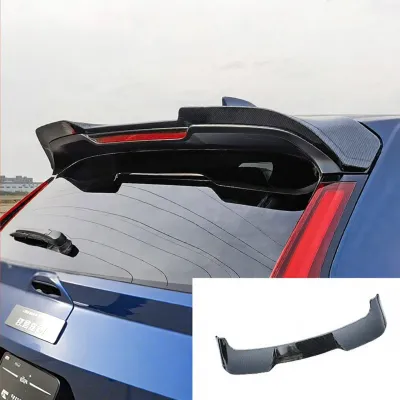
Prices are valid at publication and may change. Please refer to the product page for the latest price.
In Singapore, the distinction is further complicated by the presence of both authorized dealer models (historically sold as the Honda HR-V) and parallel-imported models (sold as the Honda Vezel). While these vehicles share the same basic platform, minor differences in trim levels, rear wiper configurations, and hybrid badging can affect how a spoiler sits against the bodywork. A spoiler molded specifically for a Japanese-market Vezel might require slight modifications to fit a local dealer-spec HR-V perfectly.
To find your exact chassis code, locate the vehicle’s metal identification plate. This plate is typically riveted to the vehicle’s firewall under the hood or affixed to the passenger-side B-pillar door jamb. Alternatively, you can log into the Land Transport Authority (LTA) OneMotoring portal to view your vehicle registration details, where the prefix of your chassis number will clearly indicate the model code.
The three primary generations relevant to the modern aftermarket are:
- First Generation (GH Chassis, 1999–2006): A boxy, pioneering compact crossover. While rare on roads today, it retains a niche enthusiast following.
- Second Generation (RU Chassis, roughly 2013–2021): The highly successful crossover that dominated the roads. Common chassis variants include the RU1 (1.5L petrol), RU3 (Vezel Hybrid), and RU5 (1.5L Turbo).
- Third Generation (RV Chassis, 2022–Present): The current generation, featuring a sleek, fastback-inspired silhouette. Common variants include the RV3 (1.5L petrol) and the RV5 (e:HEV hybrid).
Confirming these details is the absolute prerequisite for any exterior modification. A mismatch of even a single chassis digit can result in a part that cannot be safely mounted to your tailgate.
Spoiler Styles Explained: Lip, Roof, and Wing Designs
Aftermarket spoilers for crossovers generally fall into three design categories, each offering a different visual impact, aerodynamic profile, and installation complexity.

Lip Spoilers
Lip spoilers are designed to mount flush against the trailing edge of the tailgate, just below the rear window or along the mid-section crease of the hatch. These components offer a subtle, “OEM-plus” aesthetic that extends the vehicle’s rear profile without drastically altering its factory silhouette. From an aerodynamic perspective, lip spoilers on crossovers serve a primarily aesthetic purpose; at legal road speeds, any reduction in aerodynamic drag or lift is negligible. They are highly popular among drivers who prefer a clean, understated look.
Roof Spoilers
Roof spoilers mount at the very top of the rear hatch, extending the vehicle’s roofline over the rear windshield. This style is exceptionally popular for SUVs and crossovers because it addresses a practical design challenge. The boxy rear end of a crossover naturally creates a low-pressure wake directly behind the rear glass, which sucks up road grime, dust, and rainwater. A well-designed roof spoiler helps direct airflow downward across the rear window, which can reduce dirt accumulation and keep the glass cleaner during heavy downpours. Visually, they give the HR-V a sportier, more balanced stance.
Wing Spoilers
Wing spoilers feature an elevated design where the spoiler blade is raised above the tailgate surface on pedestal mounts or struts. This style delivers an aggressive, motorsport-inspired appearance. However, wing spoilers add physical weight to the tailgate and alter the vehicle’s center of gravity. Because they experience high aerodynamic upward or downward forces at highway speeds, they cannot rely solely on adhesive tape and require permanent mechanical fastening.
Material Considerations
When selecting a spoiler, the material composition plays a critical role in its durability, paint finish, and resistance to environmental stress:
- ABS Plastic (Acrylonitrile Butadiene Styrene): This is the industry standard for high-quality aftermarket body parts. ABS is injection-molded, highly impact-resistant, and possesses excellent dimensional stability. It is flexible enough to absorb minor vibrations without cracking and accepts automotive paint exceptionally well.
- FRP (Fiberglass Reinforced Plastic): FRP is highly rigid and relatively inexpensive to manufacture in low volumes, making it common among budget aftermarket brands. However, fiberglass is brittle. It is highly prone to cracking upon impact, and over time, engine vibrations and road bumps can cause hairline fractures in the gel coat or paint.
- Carbon Fiber: Representing the premium end of the market, carbon fiber spoilers feature an attractive, visible weave pattern and offer high structural rigidity with minimal weight. However, they require meticulous manufacturing. If the carbon fiber does not feature a high-quality, UV-resistant clear coat, Singapore’s intense tropical sunlight will cause the resin to turn yellow, haze, or delaminate within a few years.
Matching Spoiler Styles to Your HR-V Generation
To achieve a cohesive look, the design language of the spoiler must complement the factory body lines of your specific HR-V generation.
First and Second Generation (GH and RU Chassis)
The second-generation RU chassis features a rounded, organic design with a relatively upright rear hatch. Because this model was immensely popular worldwide, the aftermarket ecosystem offers an abundance of styling options.
For the RU chassis, mid-sized roof spoilers—often styled after premium JDM tuning packages like Mugen or Modulo—provide the most natural visual integration. They extend the curved roofline backward, balancing the vehicle’s high rear proportions. Subtle mid-gate lip spoilers also work well on this generation, adding a distinct horizontal line that breaks up the large expanse of metal below the rear glass.
When shopping for an RU spoiler, pay close attention to mid-cycle facelift variations. Models produced from 2018 onward feature slightly revised rear light clusters and tailgate trim. Some wrap-around lip spoilers designed for early RU models may interfere with the clearance of these updated taillights. Additionally, large pedestal wing spoilers are generally not recommended for standard RU models; the rounded, tall crossover body lines do not easily harmonize with aggressive track-style wings, often resulting in an unbalanced aesthetic.
Third Generation (RV Chassis, 2022–Present)
The third-generation RV chassis represents a radical departure from its predecessor, adopting a sleek, fastback-inspired silhouette with a sharply sloping rear windshield and a continuous horizontal LED light bar. This modern, coupe-like design requires a highly precise approach to styling.
Extended roof spoilers are highly effective on the RV chassis. By continuing the flat plane of the roof slightly further back, they accentuate the vehicle’s fastback slope and make the car appear lower and wider. Because the rear tailgate of the RV features a very sharp, integrated metal crease directly below the glass, any aftermarket lip spoiler must be manufactured to extremely tight tolerances. Poorly molded fiberglass or low-grade plastic lip spoilers will fail to sit flush against this crease, leaving visible gaps that collect dirt and moisture.
If you are planning to install a comprehensive rear body kit that includes lower bumper extensions or diffusers, you must verify your specific powertrain variant. The e:HEV hybrid models and the standard petrol variants often feature slightly different rear bumper designs, exhaust outlet locations, and underbody paneling. Ensure that any rear lower kit is fully compatible with your specific exhaust layout to prevent heat damage to the new plastic panels.
Installation Methods: Adhesive vs. Drilling in Singapore's Climate
Installing an aftermarket spoiler requires choosing between non-invasive adhesives or mechanical fasteners. Each method has distinct safety, longevity, and regulatory implications, especially when subjected to Singapore’s demanding tropical climate.
Adhesive Tape (3M VHB)
High-quality double-sided acrylic foam tape, such as 3M VHB (Very High Bond), is the industry standard for mounting lightweight lip spoilers and small roof spoilers. When applied correctly, this adhesive forms a durable, moisture-resistant bond that can easily withstand highway speeds. However, successful adhesive installation requires meticulous surface preparation:
- Thorough Cleaning: Wash the mounting area with a dedicated car shampoo that contains no waxes or gloss enhancers. Any residual wax or sealant will prevent the adhesive from bonding directly to the clear coat.
- Chemical Degreasing: Wipe down the contact surfaces on both the vehicle and the spoiler using isopropyl alcohol (IPA) to remove stubborn road oils, grease, or polish residues.
- Adhesion Promoter: Apply a thin layer of automotive adhesion promoter (such as 3M Primer 94) to the mounting channels of the spoiler and the corresponding area of the car's paintwork. This chemical agent significantly increases the surface energy of the plastic and paint, ensuring a stronger bond.
- Curing Time: After positioning the spoiler and applying firm, even pressure across the entire surface, the adhesive must be allowed to cure. In Singapore's high humidity and intense heat, skipping the curing process is a recipe for failure. The vehicle should remain dry and parked in a shaded environment for at least 24 to 48 hours. Exposing uncured tape to a sudden monsoon downpour or parking it under direct sunlight can cause the adhesive layer to shear, creating a severe road hazard if the spoiler detaches at high speeds.
Drilling and Bolting
For larger roof spoilers and all pedestal-mounted wing spoilers, mechanical fastening is mandatory. Drilling through the vehicle’s sheet metal ensures that the spoiler remains securely attached under high aerodynamic loads.
However, drilling introduces significant long-term risks. Singapore’s high ambient humidity (often exceeding 80%) accelerates metal oxidation. Any bare metal exposed by drilling must be thoroughly deburred, treated with a zinc-rich rust-inhibiting primer, and sealed with automotive-grade silicone sealant or rubber grommets to prevent water from slowly seeping into the tailgate structure. Over time, undetected water leaks can destroy electronic components inside the hatch or cause the metal surrounding the mounting bolts to rust and weaken.
Electrical and Structural Safety
Modern tailgates are not simple sheets of metal; they are complex assemblies housing rear wiper motors, high-mount third brake lights, backup cameras, keyless entry antennas, and electrical wiring harnesses. On higher-trim HR-V models, the tailgate may also feature motorized struts and sensitive pinch sensors.
DIY drilling carries an exceptionally high risk of severing these internal electrical lines or interfering with the structural reinforcement bars of the tailgate. Before undertaking any installation that requires drilling, consult the original-vehicle workshop manual to verify wiring paths, or hand the vehicle over to a qualified professional automotive workshop.
LTA Compliance
All exterior modifications in Singapore must comply with the strict guidelines enforced by the Land Transport Authority (LTA). Under current regulations, any aftermarket spoiler or body kit component must meet the following criteria:
- Dimensional Limits: The spoiler must not protrude beyond the outermost lateral width of the vehicle (excluding the side mirrors).
- Pedestrian Safety: The component must not feature sharp edges, pointed corners, or aggressive protrusions that could increase the severity of injuries to pedestrians in the event of a collision.
- Visibility: The spoiler must not obstruct the driver's rearward field of view, obscure the rear license plate, or block the visibility of any factory lighting, including the high-mount rear stop lamp.
Using non-compliant parts can result in failed vehicle inspections, costly fines, and a mandatory order to restore the vehicle to its factory configuration.
Pre-Purchase Checklist for HR-V Spoilers and Body Kits
To avoid costly shipping returns, poor fitment, or paint mismatches, use this practical checklist before finalizing your purchase:
- [ ] Verify the Exact Chassis Code: Do not rely on generic product titles like "Honda HR-V Spoiler 2015-2022." Ensure the product description explicitly lists your specific chassis prefix (e.g., RU1, RU3, RU5, RV3, or RV5).
- [ ] Confirm Paint Code Compatibility: If you are ordering a pre-painted spoiler, locate your vehicle's official Honda paint code (such as NH731P for Crystal Black Pearl or NH883P for Platinum White Pearl) on the chassis identification plate. Keep in mind that factory paint undergoes subtle color shifting over years of exposure to UV radiation; a brand-new pre-painted aftermarket part may exhibit a slight color variance compared to your vehicle's aged panels under direct sunlight.
- [ ] Evaluate Retailer and Hardware Quality: Avoid unbranded listings on general online marketplaces that do not provide clear return policies or technical support. Reputable retailers should supply genuine mounting hardware, detailed installation templates, and high-grade adhesive tape.
- [ ] Inspect for Shipping Warpage: Large ABS plastic or fiberglass spoilers can warp if stored incorrectly in hot warehouses or subjected to high temperatures during international transit. Before painting or applying adhesive, lay the unpainted spoiler flat against your vehicle's tailgate to inspect for symmetry, straightness, and any physical gaps.
Frequently Asked Questions (FAQ)
Will adding a spoiler improve my HR-V's fuel efficiency?
At legal city and highway speeds, the aerodynamic drag reduction from an aftermarket spoiler is negligible. While some roof spoilers are designed to clean up the airflow trailing behind a crossover, they do not generate enough aerodynamic efficiency to result in measurable fuel savings. The primary benefits of an aftermarket spoiler remain visual personalization, keeping the rear window slightly cleaner, and providing a minor improvement in high-speed stability.
Can I install a roof spoiler if my HR-V has a panoramic sunroof?
If your HR-V is equipped with a factory panoramic sunroof, you must carefully check the sunroof’s opening mechanism before purchasing a roof spoiler. On certain RU and RV trim levels, the glass panel slides backward and upward, extending over the front portion of the roof. A large, aggressively forward-swept roof spoiler can physically block the sliding path of the sunroof glass, potentially damaging the sunroof motor or cracking the glass if operated. Ensure the spoiler’s forward edge does not encroach on the sunroof’s operating clearance.
Do I need to declare a spoiler modification to my insurance provider?
Yes, you should declare any exterior modification to your motor insurance provider in Singapore. Even if a small, adhesive-mounted lip spoiler seems minor, failing to report modifications can give insurers grounds to void your policy or reject a claim in the event of an accident. This is especially critical for spoilers that require drilling or are part of a larger, comprehensive body kit, as they alter the vehicle’s factory specifications and replacement value.
Community discussion
Share your experience or ask a question. Comments are reviewed before publication.