
Navigating the daily commute through Singapore’s bustling traffic and sudden tropical downpours presents a constant challenge for motorcyclists, especially when it comes to securing and protecting an expensive helmet. Whether you are parking at an HDB multi-storey car park or stopping for a quick bite at a hawker centre, leaving your helmet exposed to the elements or potential theft is a risk few riders want to take. The choice between a dedicated helmet backpack and utilizing under-seat storage depends heavily on your motorcycle’s frame design, your daily route’s weather exposure, and whether your bike has the physical capacity to house your specific helmet model. By understanding how these two carrying methods perform under real-world riding conditions, you can select the solution that keeps your gear secure without compromising your comfort or riding posture.
How does your motorcycle type dictate your helmet storage options?
Your motorcycle’s physical architecture is the primary factor that determines which storage solutions are physically viable. Scooters and maxi-scooters are designed with built-in under-seat compartments, but their actual capacity varies significantly between models. While some maxi-scooters can easily accommodate two full-face helmets, smaller commuter scooters often feature shallow compartments that can only fit an open-face or demi-jet helmet. If you wear a modern full-face helmet with prominent aerodynamic spoilers, external action camera mounts, or integrated Bluetooth communicator units, you may find that the seat will not latch shut even if the compartment’s volume seems sufficient on paper. Always verify your specific helmet’s dimensions and your motorcycle’s under-seat clearance against the official manufacturer documentation rather than assuming compatibility based on generic helmet size categories. Forcing the seat closed can damage both the helmet’s outer shell and the seat locking mechanism.
Conversely, if you ride a naked bike, sport bike, or cruiser, factory under-seat storage is virtually non-existent. These motorcycle designs typically feature a slim subframe with just enough space beneath the pillion seat to store a basic tool kit, registration papers, or a compact rain suit. For these riders, a dedicated helmet backpack is often the most practical primary option, as the bike itself offers no built-in protection.
Products mentioned in this guide
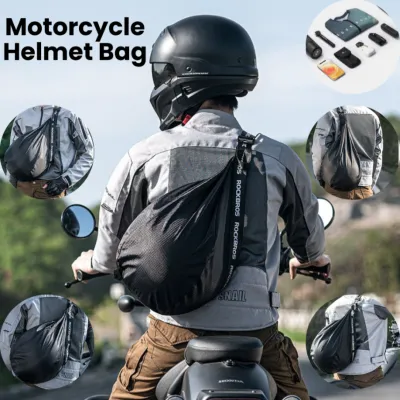
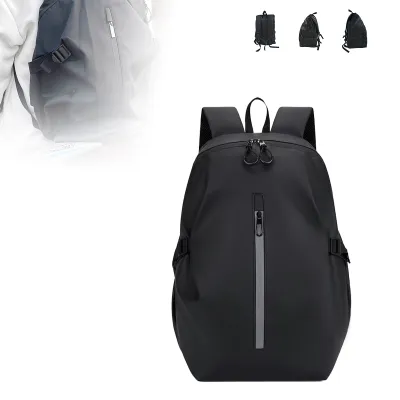
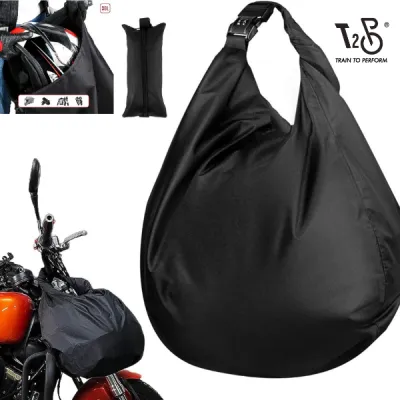
58 Lazada user ratings
delivery is fast. thoughtful as in give you a pouch with buckle to keep your bag when not using it. inside is soft , outer is nylon. only co…Read full reviewShow less
delivery is fast. thoughtful as in give you a pouch with buckle to keep your bag when not using it. inside is soft , outer is nylon. only concern is a pen knife easily cut through. very best not 100% rain proof but the very least it keep your helmet out of sight.
Very good quality
item received
Very useful
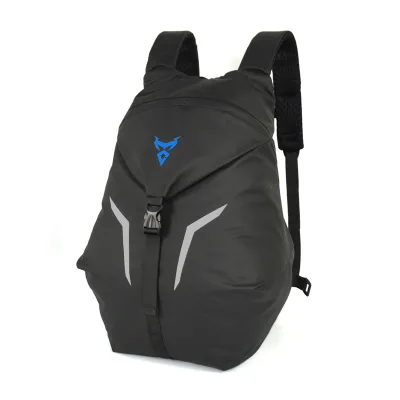
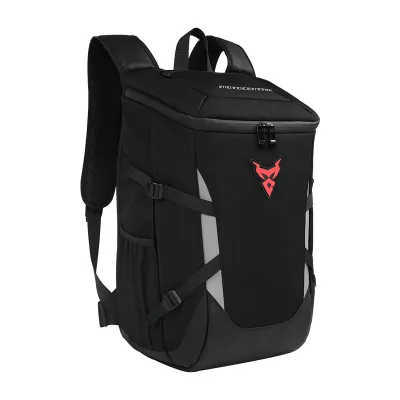
15 Lazada user ratings
Easy to carry on motorcycle, able to fit in a full face helmet. Delivery was quick as well and the zips are waterproof.
Easy to carry on motorcycle, Perfect for motorcycle and cycling trips, loving it!
🛠️Durability:no comment 🔋Capacity:no comment 🔧Ease of Installation:no comment
nice and seems like good quality
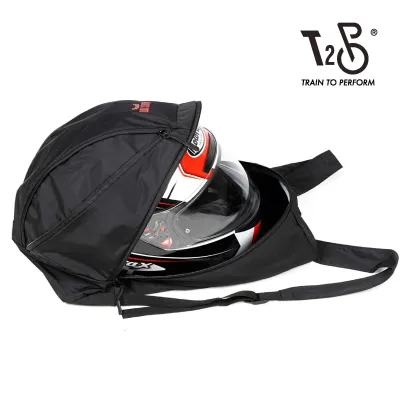
59 Lazada user ratings
Easy to store when not in use. Quality of sling is so-so. Free delivery to door step is a plus point. would prefer product review reward to …Read full reviewShow less
Easy to store when not in use. Quality of sling is so-so. Free delivery to door step is a plus point. would prefer product review reward to be LazCash rather than LazCoin. For Lazada to consider.
super fast delivery. well done. Efficient service from Singapore, Compact and lightweight, Satisfied with the purchase,
🔌Compatibility: Satisfied with the purchase, Convenient for travel,
Quality product. Thanks
Thanks seller
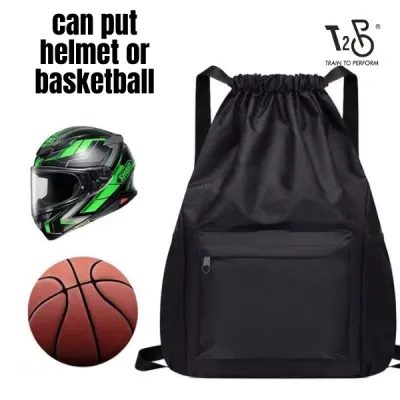
6 Lazada user ratings
I'm very happy with this helmet bag! It's made from durable oxford fabric and has plenty of space for my helmet or even a basketball. The dr…Read full reviewShow less
I'm very happy with this helmet bag! It's made from durable oxford fabric and has plenty of space for my helmet or even a basketball. The drawstring closure is convenient and it looks great too.
Exactly what i was looking for! I like this very much. Can put helmet, gloves, extra pair of shoes and hold my water bottle! And does not fe…Read full reviewShow less
Exactly what i was looking for! I like this very much. Can put helmet, gloves, extra pair of shoes and hold my water bottle! And does not feel or look bulky.
very spacious, I wear an L size helmet and can still add more items inside, no problem. straps are adjustable. good buy.
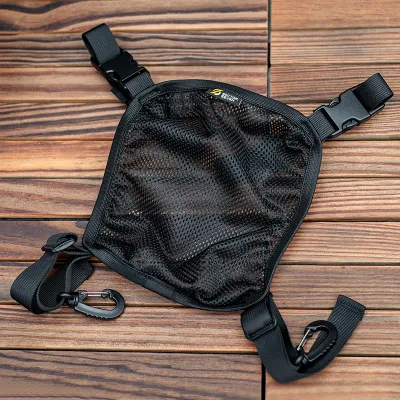
Prices are valid at publication and may change. Please refer to the product page for the latest price.
If you are considering aftermarket under-seat bags or soft tail bags to bridge this gap, you must carefully evaluate your bike’s mounting points and clearance. These bags typically secure to the passenger footpeg brackets, subframe rails, or license plate holders using nylon straps. It is critical to verify that the mounting straps do not come into contact with hot exhaust pipes, which can melt the fabric and cause the bag to detach while riding. Furthermore, you must ensure that the bag does not sag or interfere with the rear wheel’s travel or the swingarm’s movement, as this poses a severe safety hazard. Before purchasing any aftermarket luggage, consult your motorcycle’s manual to verify approved mounting zones, weight limits, and road legality of external modifications.
What are the security and weather protection differences for Singapore commuters?
Singapore’s tropical climate, characterized by high humidity and sudden, intense rainstorms, demands a storage solution that offers reliable weather protection and security. Under-seat compartments excel at keeping gear dry because they are shielded by the motorcycle’s bodywork and typically sealed with a rubber gasket. However, the effectiveness of this seal can degrade over time due to heat and UV exposure, allowing water to seep in during heavy downpours. If you use an aftermarket under-seat or tail bag, you must check its waterproof rating and seam construction. Many soft bags are only water-resistant and require an external rain cover to keep your helmet completely dry during a torrential downpour on the expressway.

Dedicated helmet backpacks, on the other hand, are engineered specifically to withstand harsh weather. High-quality options feature roll-top closures, TPU-coated fabrics, and seam-sealed zippers that prevent water ingress even during prolonged exposure to heavy rain. However, wearing a wet backpack after a rainy ride means you must find a suitable place to dry both the bag and your helmet once you reach your destination, whereas an under-seat compartment keeps the wet gear entirely separate from your personal space.
Security at public parking areas is another critical consideration for daily commuters. Storing your helmet inside a locked under-seat compartment provides excellent physical security, keeping your gear out of sight and protected from opportunistic theft. This is especially important when protecting an expensive helmet, which can easily cost upwards of S$400 for premium models. However, older scooter models or poorly adjusted seat latches can sometimes be pried open with basic tools. If you rely on external helmet locks or strap-based tail bags left on the bike, your helmet remains exposed to the elements, dust, and potential vandalism or theft. Carrying your helmet with you in a dedicated backpack completely eliminates the risk of theft from the bike, giving you peace of mind when parking in unattended or poorly lit areas.
Another often-overlooked factor is ventilation and moisture trapping. Placing a damp helmet—whether from sweat after a long ride in the afternoon heat or from light rain—directly into a sealed under-seat compartment creates a warm, humid environment. This trapped moisture can accelerate the growth of mold and bacteria, leading to unpleasant odors and the premature degradation of the helmet’s comfort liner and EPS safety foam. A helmet backpack allows for better airflow, and carrying your helmet indoors allows it to air out and dry properly in an air-conditioned office or home environment.
Weatherproofing and Seal Integrity
When evaluating weather protection, look for bags with certified waterproof ratings or those that include a dedicated, high-visibility rain cover. Inspect the rubber gaskets around your scooter’s under-seat compartment regularly for cracks or flattening, and apply a silicone lubricant if necessary to maintain the seal’s flexibility and prevent water intrusion.
Theft Prevention and Peace of Mind
While under-seat storage keeps your gear hidden, a determined thief can still damage your motorcycle’s bodywork trying to access it. If you ride to areas with high foot traffic or limited security monitoring, carrying your helmet in a backpack is the most reliable way to ensure your expensive safety gear remains safe.
How do these carrying methods affect your riding posture and daily convenience?
The physical ergonomics of how you carry your gear can significantly impact your comfort, fatigue levels, and overall safety during your daily commute. Wearing a helmet backpack adds weight directly to your shoulders and back, which can alter your riding posture. A typical full-face helmet weighs between 1.4 to 1.7 kilograms; when combined with the weight of the backpack itself and any daily essentials like a laptop or water bottle, the total load can easily exceed 4 kilograms. On longer commutes along the Central Expressway (CTE) or Pan Island Expressway (PIE), this extra weight can lead to shoulder strain, neck fatigue, and upper back discomfort, especially if your motorcycle has an aggressive, forward-leaning sport riding position.
Furthermore, a bulky helmet backpack increases your aerodynamic profile, creating additional wind resistance at highway speeds. This drag can pull on your shoulders and require more physical effort to maintain a stable riding position, particularly on windy days. In contrast, storing your helmet under the seat or in a securely mounted tail bag keeps the weight low and centered on the motorcycle’s chassis, preserving the bike’s natural handling characteristics and keeping your body free from physical strain.
Convenience during quick stops is another area where these two methods differ. If you frequently make short stops—such as running into a convenience store or picking up food—lifting your scooter’s seat to store or retrieve your helmet takes only a few seconds. There is no need to adjust straps, lift heavy bags, or carry extra weight on your shoulders. Conversely, using a helmet backpack requires you to take the pack off, unzip the main compartment or expand the helmet carrier mesh, secure the helmet, and put the backpack back on. This process can become tedious if you make multiple stops throughout your journey.
If you regularly carry a passenger, you must also consider pillion comfort. A rider wearing a bulky helmet backpack can severely restrict the space available for a pillion rider, forcing them to sit further back on the seat or adopt an uncomfortable posture to avoid bumping into the backpack. Similarly, aftermarket tail bags or side-mounted under-seat bags can encroach on the passenger footpegs or the pillion seat itself, making it difficult or impossible to ride double. If carrying a passenger is a regular part of your routine, built-in under-seat storage or a compact backpack that does not protrude excessively is highly preferable.
Which helmet carrying solution should you choose for your specific commuting routine?
To make the right choice, you must align your storage method with your motorcycle’s design, your daily route, and your personal comfort preferences. Scooter riders who own models with spacious under-seat compartments should generally utilize this built-in feature as their primary storage method. It offers the best balance of security, weather protection, and riding comfort. However, if your scooter’s compartment is too small for your preferred full-face helmet, or if you ride a naked, sport, or cruiser bike, a dedicated helmet backpack becomes the most practical and secure alternative.
For riders who face long daily commutes on high-speed expressways, minimizing body fatigue is crucial. In these scenarios, if your bike lacks under-seat space, look for a highly ergonomic helmet backpack featuring wide, padded shoulder straps, a chest buckle, and a waist belt to distribute the weight evenly across your torso. Alternatively, consider a secure tail bag that can be unclipped easily when you park, allowing you to keep the weight off your body while riding.
Before purchasing any carrying solution, use this final checklist to verify compatibility and safety:
- Measure your helmet's outer dimensions, including any aftermarket accessories like Bluetooth units or camera mounts, and compare them against the manufacturer's specifications for the backpack or under-seat compartment.
- Verify the waterproof rating of any backpack or aftermarket bag, ensuring it features seam-sealed zippers or comes with an integrated rain cover.
- Check the mounting straps of aftermarket bags to ensure they can be routed safely away from hot exhaust components and moving parts.
- Test the fit of a loaded backpack while wearing your riding jacket to ensure the straps do not restrict your arm movement or interfere with your shoulder armor.
Community discussion
Share your experience or ask a question. Comments are reviewed before publication.