
Parking your vehicle outdoors in Singapore exposes it to some of the most punishing environmental conditions in the world. A standard, single-layer car cover will quickly degrade under the relentless equatorial sun, trap moisture during sudden tropical downpours, and scratch your paintwork when buffeted by strong winds. To safeguard your vehicle’s clear coat, rubber seals, and interior plastics, you need a heavy duty car cover specifically engineered to withstand these unique climate challenges.
A truly heavy duty cover is defined by a multi-layer composite construction that combines a highly reflective outer barrier, a waterproof yet vapor-permeable middle membrane, a soft non-abrasive inner lining, and a robust wind-anchoring system. It must actively balance maximum weather resistance with continuous moisture dissipation to prevent paint damage and mold growth. Understanding these technical specifications allows you to look past generic marketing claims and select a cover that offers genuine, long-term outdoor protection.
Why Singapore's Climate Demands More Than a Standard Car Cover
Singapore’s geographical location near the equator subjects outdoor-parked vehicles to intense, year-round ultraviolet (UV) radiation. This constant solar bombardment accelerates the oxidation of your car’s clear coat, leading to premature fading, paint peeling, and the degradation of rubber window seals. When temperatures inside a sealed, uncovered cabin soar, interior plastics, leather seats, and sensitive dashboard electronics also suffer irreversible thermal damage.
Products mentioned in this guide
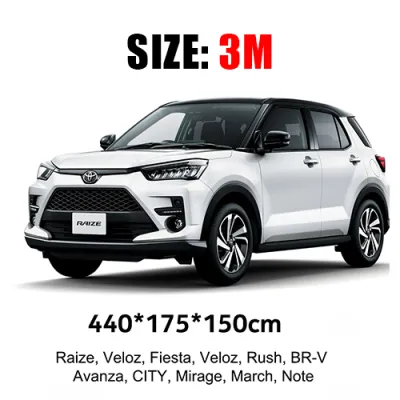
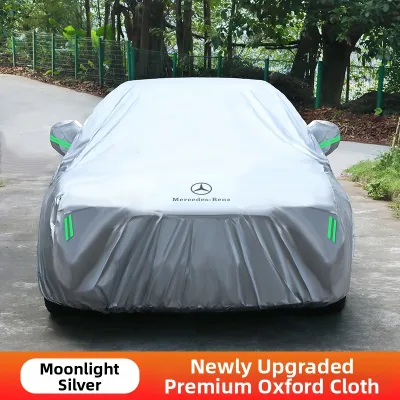
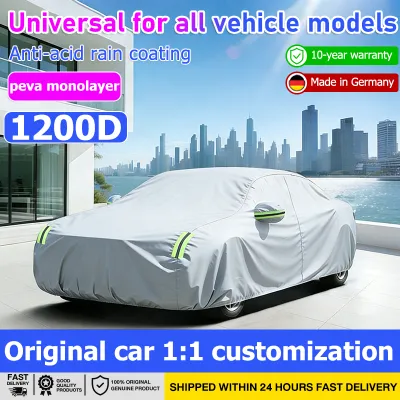
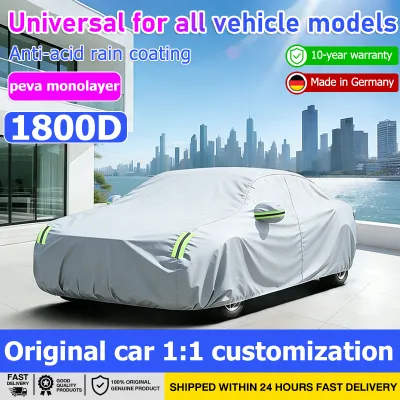
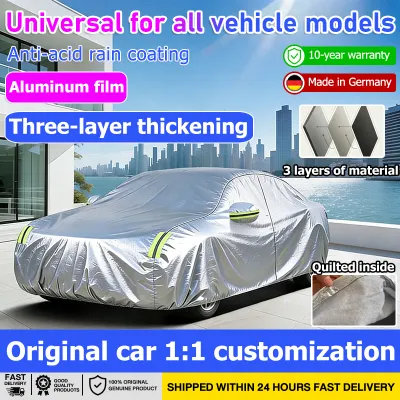
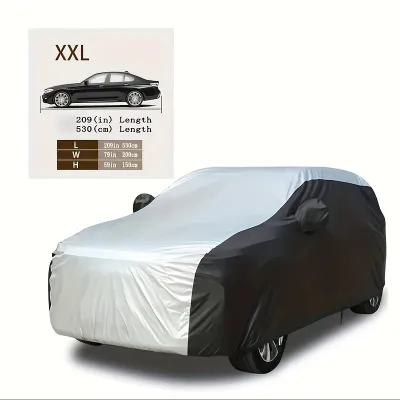
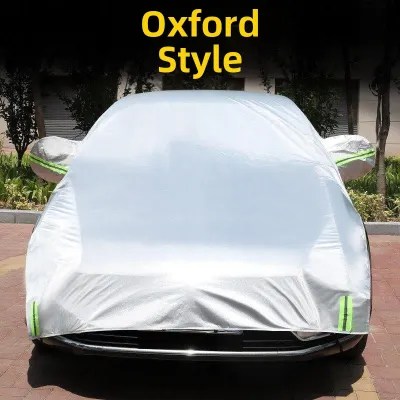
Prices are valid at publication and may change. Please refer to the product page for the latest price.
Compounding this heat is Singapore’s high relative humidity, which consistently averages over 80% and frequently approaches 100% during rainy periods. In this environment, sudden monsoon downpours or rapid afternoon convection storms are common. A standard car cover that is merely water-resistant will quickly saturate, allowing water to pool on the car’s horizontal surfaces and seep through the seams directly onto your paintwork.
Furthermore, thin, single-layer utility covers present severe failure modes when used outdoors. Without UV inhibitors, standard synthetic fabrics become brittle and tear like paper within a few months of exposure. If a cover is completely waterproof but lacks breathability, it traps rising ground moisture and engine heat underneath. This creates a hot, humid greenhouse effect that can lead to osmotic paint blistering, mold infestation in the cabin vents, and corrosion of exposed metal components.
Local outdoor parking environments also introduce biological hazards. Parked under Singapore’s iconic rain trees or near urban green spaces, vehicles are frequently targeted by acidic bird droppings, sticky tree sap, and decaying organic debris. These substances are highly corrosive and can etch into a vehicle’s clear coat within hours under direct sunlight. A heavy duty cover must act as an impenetrable, chemical-resistant shield against these organic acids while remaining firmly anchored during sudden, violent Sumatra squalls.
Essential Material and Construction Features of a Heavy Duty Car Cover
When shopping for a heavy duty car cover, the term “heavy duty” should not be treated as a vague marketing label. Instead, you must evaluate the specific material composition, layer structure, and performance ratings provided by the manufacturer. A high-quality cover is an engineered system designed to address distinct physical threats.

Multi-Layer Construction and UV Resistance
To survive the equatorial sun, a heavy duty cover should feature a multi-layer composite construction, typically consisting of three to five distinct layers bonded together. The outermost layer is your primary defense against solar radiation and physical debris. High-performance covers often utilize heavy-duty, solution-dyed polyester or high-density polyethylene (HDPE) treated with advanced UV inhibitors.
Rather than relying on generic “sunproof” packaging claims, look for verifiable UV protection indicators. These include certified Ultraviolet Protection Factor (UPF) ratings of 50+ or documented laboratory testing showing resistance to accelerated UV degradation. Solution-dyed fabrics are particularly resilient because the UV-stabilizing pigments are integrated directly into the polymer melt before the fibers are spun, ensuring the protection does not wash or wear off over time.
The color of the outer layer plays a critical role in thermal management. Highly reflective outer colors, such as bright silver, aluminum-coated finishes, or light grey, are essential for outdoor parking in Singapore. These reflective surfaces bounce solar radiation away from the vehicle rather than absorbing it. By minimizing heat transfer, a reflective cover prevents the car’s metal body panels from expanding and contracting excessively, which helps preserve the structural integrity of your paint’s clear coat and keeps cabin temperatures manageable.
Waterproofing vs. Breathability in High Humidity
Achieving the perfect balance between keeping heavy rain out and letting trapped moisture escape is the ultimate engineering challenge for a tropical car cover. You must first differentiate between water-resistant covers, which merely shed light rain, and fully waterproof covers designed to withstand torrential downpours. For genuine waterproofing, verify if the manufacturer specifies a hydrostatic head rating (which measures the water pressure the fabric can resist before leaking) and check that all seams are double-stitched and heat-taped or sealed.
However, a completely waterproof cover made of non-breathable materials like standard PVC or PEVA is highly dangerous for outdoor parking in Singapore. When the sun beats down on wet ground after a rainstorm, moisture evaporates from the asphalt and rises into the vehicle’s undercarriage, becoming trapped beneath a non-porous cover. This trapped vapor condenses on the cool metal surfaces of your car, leading to persistent dampness, mold in the air conditioning vents, and paint blistering.
To prevent this, a heavy duty cover must incorporate a breathable micro-porous membrane. This middle layer features microscopic pores that are large enough to allow water vapor molecules (gas) to escape from underneath, yet small enough to block liquid water droplets (rain) from penetrating from the outside. Additionally, look for covers designed with dedicated, hooded ventilation flaps along the upper profile. These vents promote continuous air circulation and heat dissipation without allowing wind-driven rain to enter, ensuring the microclimate under the cover remains dry and stable.
Design Details That Ensure a Secure and Scratch-Free Fit
Even the most advanced fabric will fail to protect your vehicle if the cover does not fit properly or lacks secure anchoring mechanisms. Wind is a constant factor in outdoor parking, and a loose cover can cause significant physical damage to your car’s exterior.
A soft, non-abrasive inner lining is non-negotiable for a heavy duty cover. Look for backings made of high-density cotton fleece, flannel, or soft microfiber. When wind blows across an outdoor parking lot, it inevitably causes the cover to shift and vibrate against the car’s body. If the inner lining is rough or plastic-like, these micro-movements act like fine-grit sandpaper, scratching the clear coat and leaving unsightly swirl marks. A thick, soft lining cushions these movements and protects the paint.
To prevent the cover from shifting or blowing away entirely during sudden squalls, look for robust, multi-point fastening systems. Elasticized front and rear hems are essential to help the cover hug the contours of your front and rear bumpers. Additionally, the cover must feature heavy-duty, adjustable windproof straps with buckles that pass directly underneath the vehicle’s chassis, securing the middle and rear sections. Custom or semi-custom mirror pockets are also critical; they anchor the cover to the vehicle’s widest points, preventing the fabric from ballooning or lifting in high winds.
Practical usability features also distinguish a premium heavy duty cover. Look for reinforced grommets along the lower edge, which allow you to thread a security cable and padlock to prevent theft and provide extra wind security. Zippered driver-side door panels are highly convenient, allowing you to access the cabin to retrieve forgotten items without undergoing the tedious process of completely removing and refitting the cover.
Finally, remember that a heavy duty cover must be specifically sized or semi-customized to your vehicle’s exact make, model, and year. Before purchasing, always verify your vehicle’s physical dimensions, mounting positions, and any aftermarket modifications (such as spoilers or roof racks) against the product’s documentation. Never infer compatibility solely from generic category terms like “SUV cover” or “sedan cover.” A loose fit will inevitably lead to friction damage, while an overly tight fit will strain the seams, compromise the waterproof seals, and eventually cause the fabric to tear. For any vehicle modifications, antenna removals, or mirror-folding mechanisms, consult your vehicle’s original owner’s manual before fitting a cover.
How to Maintain Your Heavy Duty Car Cover in a Tropical Climate
A heavy duty car cover is an investment that requires regular maintenance to preserve its protective qualities and maximize its lifespan in Singapore’s harsh tropical environment. Neglecting maintenance can lead to fabric degradation and, worse, damage to your vehicle’s paintwork.
Establish a routine cleaning schedule to remove accumulated environmental contaminants. Acidic bird droppings, sticky tree sap, and industrial fallout must be cleaned off promptly, as they can chemically degrade the outer UV-resistant and water-repellent coatings. To clean the cover, it is generally safest to hand wash it while it is fully fitted on your clean vehicle. Use a soft sponge, plenty of clean water, and a mild, pH-neutral automotive shampoo. Never use harsh household dish soaps, laundry detergents, bleach, or fabric softeners, as these chemical agents will strip away the fabric’s specialized water-repellent treatments and degrade the synthetic fibers.
If you wish to machine wash the cover, first check the manufacturer’s care label to confirm if machine washing is explicitly permitted. If allowed, use only a heavy-duty, commercial front-loading washing machine without a center agitator, as home top-loaders with agitators can easily catch and tear the fabric or ruin the seams.
Before performing any cleaning, maintenance, or applying aftermarket treatments, always check the applied product’s label and your vehicle manufacturer’s instructions. If instructions conflict, the cover material is unidentified, or the specific use is not covered, stop immediately and consult the manufacturer or a qualified professional detailer.
Thorough drying before storage is absolutely critical. In Singapore’s hot and humid climate, folding and packing a damp or wet cover into its storage bag will rapidly trigger the growth of mold, mildew, and foul, musty odors. This can ruin the inner lining within 24 to 48 hours. Always hang the cover to dry completely in a well-ventilated, shaded area out of direct sunlight before folding it.
Over time, continuous exposure to heavy rain and intense UV light will naturally wear down the cover’s original durable water repellent (DWR) finish. You can identify this failure when water stops beading up on the surface and instead begins to saturate the outer fabric layer. If the underlying fabric layers and seams are still structurally sound, you can restore the water resistance by applying a compatible aftermarket fabric waterproofing spray. Before doing so, read the waterproofing product’s label carefully, ensure it is authorized for your cover’s specific material, and perform a spot test on a small, hidden area of the cover to verify compatibility before treating the entire surface.
Finally, adhere to a strict safety boundary: never place a car cover on a dirty, dusty, or wet vehicle. Trapping dirt particles between your car’s paint and the cover’s inner lining creates an abrasive layer that will scratch the clear coat as the cover moves in the wind. Trapping moisture on a hot day can also trap steam against the paint, leading to permanent clear coat clouding or blistering. Always wash and dry your vehicle thoroughly before covering it.
Frequently Asked Questions (FAQ)
Can I use an indoor car cover outdoors in Singapore?
You should strongly avoid using an indoor car cover outdoors in Singapore. Indoor covers are typically made from lightweight, single-layer materials like satin, flannel, or woven cotton, which completely lack UV-resistant inhibitors, waterproof membranes, and secure wind-fastening straps. If exposed to Singapore’s outdoor climate, an indoor cover will saturate instantly during rain, degrade and rot rapidly under the sun, and flap violently in the wind, which can cause severe abrasive scratches across your vehicle’s paintwork.
Will a heavy duty car cover trap heat inside the car?
While any physical barrier limits natural convective airflow around the vehicle, a high-quality heavy duty cover with a highly reflective silver or light grey outer layer and built-in ventilation flaps actually keeps the cabin cooler than leaving the car uncovered. The reflective surface blocks direct solar radiation from penetrating the windows and heating up the dashboard, steering wheel, and seats. The integrated breathable vents allow any rising heat and humidity to escape, preventing the interior from turning into a heat trap.
How often should I wash my car cover in Singapore's weather?
As a general rule, you should perform a thorough wash of your car cover every three to six months to remove embedded dust and grime. However, you must spot-clean the cover immediately whenever it is exposed to highly acidic contaminants like bird droppings, tree sap, or heavy mud. Allowing these organic acids to remain on the cover under the hot sun will accelerate the breakdown of the protective coatings, compromise the fabric’s waterproof integrity, and significantly shorten the lifespan of the cover.
Community discussion
Share your experience or ask a question. Comments are reviewed before publication.