
Quick Answer: Which Car Hook Fits Your Daily Routine?
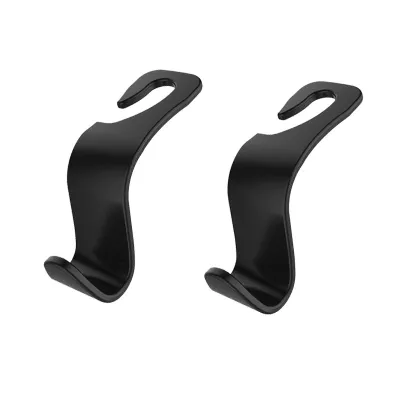
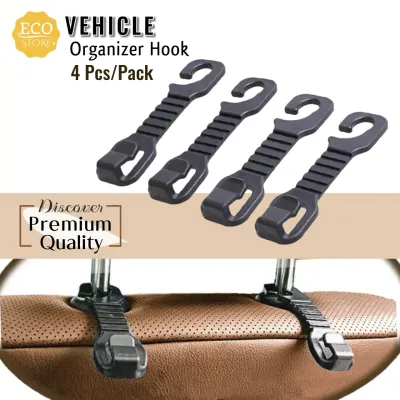
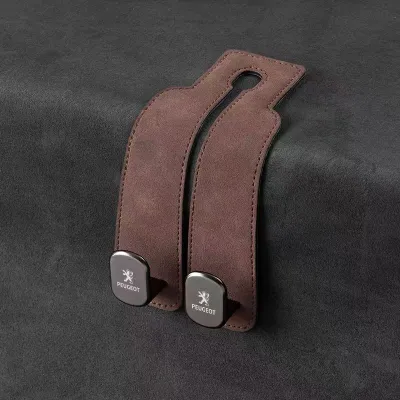
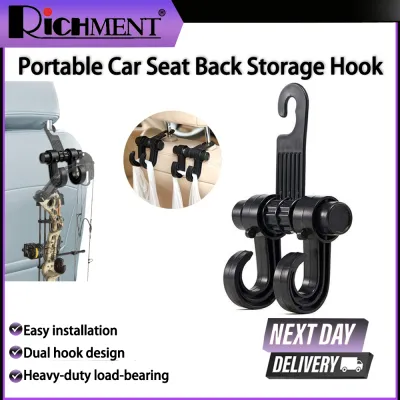
Choosing between headrest and dashboard car hooks depends primarily on your vehicle’s seat design and the items you plan to carry. Headrest hooks serve as the practical default for most drivers. They utilize the unused space behind the front seats, making them ideal for securing heavier, bulkier items like grocery bags, backpacks, and umbrellas.
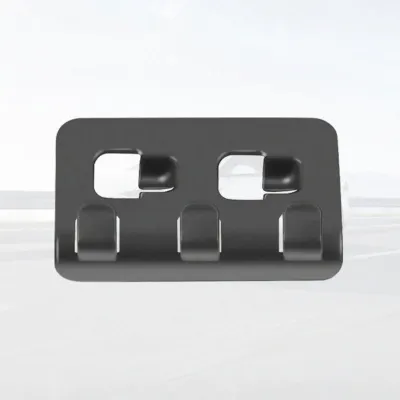
Conversely, dashboard or center console hooks offer a specialized alternative. They are best suited for vehicles with integrated, one-piece sport seats that lack exposed headrest poles, or for drivers who need immediate, front-cabin access to lightweight items like face masks, charging cables, or small trash bags.
Before purchasing either style, you must verify your vehicle’s physical layout. Check if your headrests have adjustable metal poles, and inspect your dashboard’s surface texture and material to ensure compatibility with adhesives or clips.
Products mentioned in this guide
![[Bundle of 2] Car Seat Hook / Car Seat Hanger / Car Backseat Hook / Universal Hook / Double Hook / Universal Holder](https://img.lazcdn.com/g/p/282e535c4461d079f3e5c34065bed293.png_400x400q80.png_.webp)
Prices are valid at publication and may change. Please refer to the product page for the latest price.
Checking Vehicle Compatibility Before You Buy
Headrest hooks typically mount by clipping around or hanging from the exposed metal support poles of the front seats. To ensure a secure fit, you must measure the diameter of these poles and check their shape. While most vehicles feature standard round poles, some modern models use thicker or non-standard oval bars that may prevent universal hooks from snapping into place.

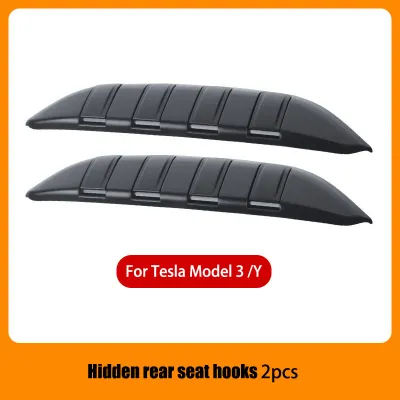
Seat design is another critical limiting factor for headrest mounts. Standard seats with adjustable headrests leave a clear gap and exposed metal rods. In contrast, many modern vehicles, particularly those with sporty trims or integrated head restraints, feature one-piece seats where the headrest is a continuous part of the seat back. In these configurations, standard pole-mounted hooks cannot be installed at all, forcing you to look for alternative cabin storage solutions.
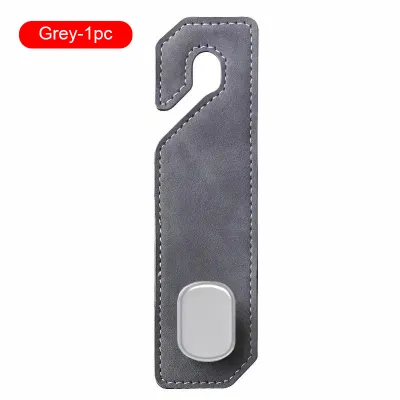
Dashboard hooks rely on either adhesive backings or mechanical clips that grip onto air vents or panel seams. If you are considering an adhesive hook, you must evaluate the dashboard’s surface material. Smooth, hard plastics provide the strongest bond for double-sided tapes. Soft-touch materials, synthetic leather wraps, and highly textured surfaces often prevent adhesives from forming a complete seal, leading to premature failure, especially under high cabin temperatures.
For clip-on dashboard hooks, inspect the thickness of the panel edges and the layout of your air vents. Some clips require a thin, rigid edge to bite onto, while others are designed specifically for horizontal or vertical vent slats. If your dashboard features seamless, flush-mounted panels or curved, thick bezels, finding a secure mounting point for a mechanical clip can be challenging.
Daily Usability: Accessibility, Space, and Sightlines
Consider how easily you can reach your items while seated in the driver’s position. Headrest hooks are positioned behind the front seats, meaning they are highly accessible to rear passengers but require the driver to reach blindly behind the passenger seat to retrieve a bag. This makes them excellent for storing items you only need after parking, such as grocery bags or wet umbrellas.
Dashboard hooks keep items within your direct line of sight and arm’s reach. This setup is highly convenient for active driving needs, allowing you to quickly grab a cleaning cloth, a pair of sunglasses, or a charging cable. However, because the dashboard area is compact, hanging larger items here can quickly clutter your primary control zone.
Maintaining a clear view of the road and your vehicle’s instruments is paramount. Items suspended from dashboard hooks must not block your view of the infotainment screen, instrument cluster, or side mirrors. Even a small, swaying item like a key ring or a face mask hung near the center console can create visual distractions in your peripheral vision, especially during cornering.
Headrest hooks completely eliminate front-cabin visual clutter by keeping bags tucked neatly behind the seats. This keeps your dashboard clean and ensures that your physical sightlines through the windshield and side windows remain entirely unobstructed.
Legroom and knee clearance are major considerations for front-seat passengers. A dashboard hook positioned near the glovebox or center console can easily intrude into the passenger’s knee space. If a bulky bag is hung there, it may force the passenger to sit at an uncomfortable angle or restrict their ability to exit the vehicle easily.
By contrast, headrest hooks utilize the footwell space of the rear seats. While a very large bag might slightly reduce rear-passenger legroom, the rear cabin generally offers more flexibility, as bags can rest on the floorboard while still being supported by the hook to prevent tipping.
Interior Protection and Safety Boundaries
Safety must always take priority over convenience when installing interior accessories. You must verify that neither the hook nor the suspended item interferes with any airbag deployment zones. Many modern vehicles feature side-curtain airbags in the pillars, knee airbags under the dashboard, and side airbags embedded in the outer edges of the front seats. Never mount a dashboard hook near an airbag cover, and ensure that items hanging from headrests do not block seat-mounted airbag seams.
Protecting your car’s interior finish is essential for maintaining its aesthetic and resale value. Adhesive dashboard hooks carry a risk of leaving stubborn residue, discoloring sensitive plastics, or even tearing delicate leather wraps when removed. This risk is heightened in hot, humid climates where cabin temperatures can soar, causing the adhesive to melt and bond permanently with the underlying material.
Headrest hooks avoid adhesive risks but present their own minor wear concerns. Hard plastic or metal hooks can scratch the finish of the metal headrest poles or rub against the leather or fabric of the seat back, leading to localized wear. To prevent this, look for hooks with soft rubber linings or fabric strap attachments that cushion the contact points.
Every hook has a physical weight limit that must not be exceeded. Overloading a dashboard hook can cause the adhesive to fail suddenly, dropping your items onto the floor or pedals, which poses a severe safety hazard while driving. Overloading a headrest hook can bend the hook itself or put unnecessary stress on the headrest adjustment mechanism.
Furthermore, unsecured heavy items suspended in the cabin can become dangerous projectiles during sudden braking or a collision. Always ensure that heavier bags hung on headrest hooks rest their weight primarily on the floorboard, using the hook mainly as a stabilizer to prevent tipping, rather than suspending the entire load in mid-air.
Decision Framework: Headrest or Dashboard?
To make the right choice, evaluate your vehicle’s physical layout and your primary storage goals. Choose headrest hooks if your car has standard adjustable headrests with exposed metal poles, and your main goal is to secure heavier, bulkier items like grocery bags, backpacks, or large umbrellas. This placement keeps your front cabin clutter-free and utilizes the spacious rear footwells.
Choose dashboard hooks if your vehicle features one-piece sport seats that cannot accommodate pole mounts, or if you only need to hang lightweight, compact items like keys, face masks, or charging cables within arm’s reach.
Before finalizing your purchase, always perform two critical checks. First, inspect your dashboard’s surface material to confirm it can support adhesive or clip-on mounts without damage. Second, verify that your chosen mounting location does not cross any airbag deployment zones or obstruct your driving sightlines.
Frequently Asked Questions (FAQ)
How do I remove adhesive dashboard hooks without damaging the surface?
To safely remove an adhesive hook, start by using a hair dryer on a low-heat setting to gently warm the adhesive backing. This softens the bond without overheating the surrounding plastic or leather. Once the adhesive is warm, slide a non-marring plastic pry tool or a piece of dental floss behind the hook to slowly slice through the softened tape. Avoid pulling the hook straight off, as this can tear soft-touch dashboard coatings. Finally, clean any remaining residue using a mild, interior-safe cleaner applied to a microfiber cloth, verifying first on an inconspicuous area that the cleaner does not discolor the plastic.
Can I install headrest hooks on one-piece sport seats?
Standard headrest hooks designed to clip around metal poles cannot be installed on one-piece sport seats, as these seats lack exposed metal rods. Attempting to force a rigid hook onto the thick, contoured collar of a sport seat can damage the upholstery and will not provide a secure hold. If your vehicle has integrated seats, look for alternative storage solutions such as strap-on organizers that wrap around the entire seat back, console side-pocket organizers, or specialized hooks that clip directly into the seat’s rear plastic shell if equipped.
Community discussion
Share your experience or ask a question. Comments are reviewed before publication.