
The “longest-lasting” headlight protection method depends entirely on the specific product’s chemical formulation, surface preparation, and curing conditions rather than just the category name. In high-UV and high-humidity environments, a ceramic coating may offer extended durability, but only if applied under strict environmental controls, whereas high-quality synthetic sealants or waxes provide forgiving application and easier maintenance. This guide helps you verify manufacturer claims, understand the physical limitations of each category, and match the right protection type to your workspace and maintenance routine.
Understanding the Headlight Restore Process and Climate Challenges
Polycarbonate headlight lenses are highly susceptible to ultraviolet (UV) radiation, which breaks down the plastic’s polymer chains over time. In Singapore, where the UV index frequently reaches extreme levels, this degradation manifests as yellowing, hazing, and micro-cracking on the outer surface. Additionally, high ambient humidity and frequent tropical downpours accelerate the oxidation process once the factory-applied UV-resistant clear coat begins to fail.
Before applying any protective wax, sealant, or ceramic coating, you must completely remove this degraded factory clear coat. Attempting to apply protection over an oxidized surface will result in rapid failure, as the new layer cannot bond to loose, damaged plastic. The restoration process typically involves wet sanding with progressively finer grits of sandpaper to strip away the damaged layer, followed by compounding and polishing to restore optical clarity.
Products mentioned in this guide
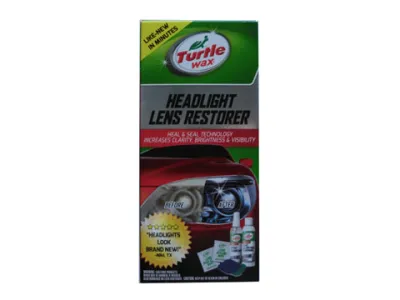
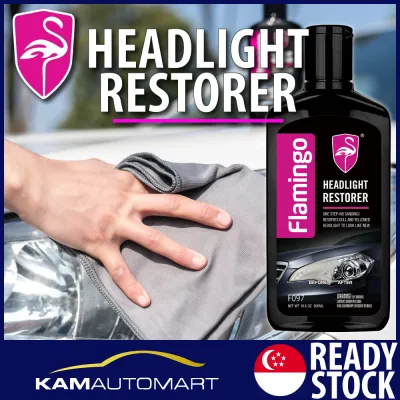
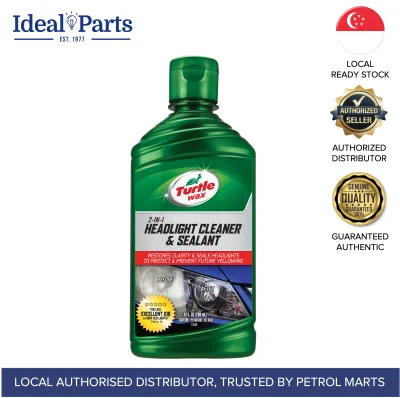
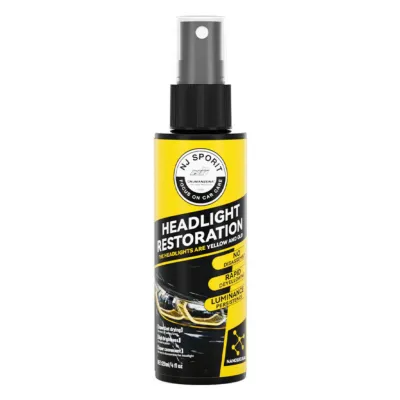
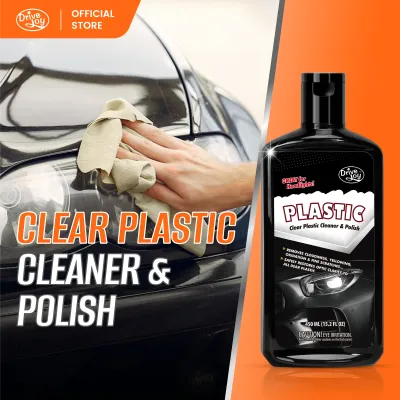
![[24 hours delivery] car headlamp polish 1 second yellow removal head lamp coating polish car care product car headlamp cleaner car headlight repair fluid headlamp restoration kit](https://img.lazcdn.com/g/p/2f54b0ac231abab722d9578c4894992a.jpg_400x400q80.jpg_.webp)
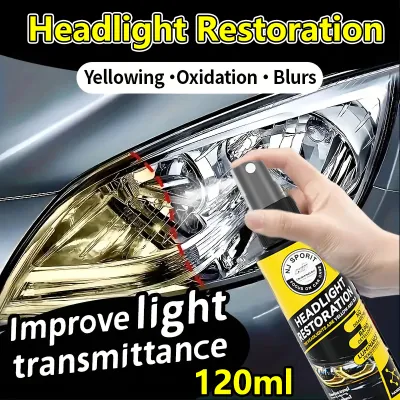
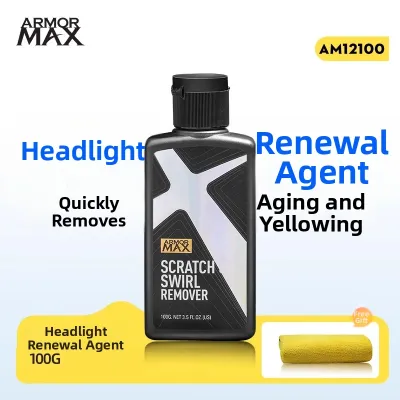
Prices are valid at publication and may change. Please refer to the product page for the latest price.
Furthermore, Singapore’s high relative humidity (often exceeding 80%) and sudden rain showers present significant challenges during the application and curing phases of protective products. Moisture in the air can interfere with the chemical bonding process, leading to premature failure, hazing, or uneven coverage if the product is not applied under dry, sheltered conditions.
Evaluating Polish, Wax, and Ceramic Coating Specifications
When selecting a product for a headlight restore project, it is essential to look past marketing buzzwords and evaluate the actual chemical specifications and manufacturer instructions. Different categories of products serve distinct roles: some are designed to correct physical defects, while others act as sacrificial barriers or form semi-permanent chemical bonds.

To verify a product’s suitability for polycarbonate plastics, always check the product label and Safety Data Sheet (SDS). Look for explicit mentions of UV inhibitors, hydrophobic properties, and plastic compatibility. Avoid products that contain harsh solvents or high concentrations of petroleum distillates, as these chemicals can attack polycarbonate, causing stress cracking or chemical etching. The product instructions should clearly outline the required surface preparation, application temperature range, and curing times, which must be strictly followed to achieve the stated performance.
Automotive Polish and Compound Limitations
Automotive polishes and cutting compounds are designed to remove material rather than protect it. They contain micro-abrasives that physically level the surface of the polycarbonate lens, shaving away microscopic imperfections, oxidation, and scratches to restore a smooth, clear finish.
While a finishing polish can make a headlight look brand new, it leaves the bare polycarbonate completely exposed to the elements. Without a dedicated protective barrier, the unprotected plastic will re-oxidize and turn yellow again within a matter of weeks under intense tropical sunlight.
Some “all-in-one” (AIO) polishes contain temporary sealants or waxes designed to protect the surface in a single step. However, the protective ingredients in these products are typically light and easily washed away, offering only short-term defense compared to dedicated, standalone protective coatings.
Carnauba and Synthetic Wax Characteristics
Traditional carnauba wax is a natural substance prized for its warm gloss, but it has a relatively low melting point (typically around 82°C to 86°C). Under Singapore’s intense sun, headlight lenses can reach high temperatures, causing natural carnauba wax to soften, degrade, and wash away rapidly during routine cleanings.
Synthetic polymer sealants, often marketed as synthetic waxes, are engineered to withstand much higher temperatures and offer superior resistance to UV radiation and environmental contaminants. These synthetic formulations create a cross-linked sacrificial barrier over the polycarbonate, blocking UV rays and repelling water.
To monitor the condition of a wax or sealant layer, perform regular visual and tactile inspections. A loss of water beading during washing or a slight drag when sliding a clean microfiber cloth across the lens indicates that the protective layer has degraded and requires reapplication.
Ceramic Coating Application and Curing Requirements
Ceramic coatings utilize silicon dioxide (SiO2) or silicon carbide (SiC) formulations that chemically bond with the polycarbonate surface, creating a hard, semi-permanent protective layer. This covalent bond provides excellent UV protection and hydrophobic properties, but the application process is highly sensitive to environmental conditions.
Before applying a ceramic coating, the headlight lens must be completely decontaminated. Any remaining polishing oils, wax residues, or fingerprints will prevent the coating from bonding to the plastic. A thorough wipe-down with an isopropyl alcohol (IPA) solution or a dedicated panel prep spray is mandatory to ensure a chemically clean surface.
High ambient humidity can drastically accelerate the flashing time (the window during which the solvents evaporate and the coating begins to cure) of ceramic coatings. If the coating flashes too quickly due to moisture in the air, it can become difficult to level, resulting in high spots, streaks, or a cloudy finish.
Furthermore, most ceramic coatings require a strict curing period—often 12 to 24 hours—during which the vehicle must be kept completely dry and away from dust, rain, and dew. If you do not have access to a covered, dry garage, achieving a successful ceramic bond in Singapore’s humid climate can be exceptionally challenging.
Comparing Durability and Maintenance in High UV and Humidity
To choose the right protection method for your headlight restore project, you must weigh the preparation effort and curing requirements against the expected durability and your maintenance habits. The table below outlines the key operational differences between these three approaches under tropical conditions.
| Feature | Polish (AIO / Temporary) | Synthetic Wax / Sealant | Ceramic Coating |
|---|---|---|---|
| Preparation Effort | Low (Basic wash and light polish) | Moderate (Wash, clay bar, and polish) | High (Sanding, polishing, and IPA wipe) |
| Application Complexity | Very Easy (Wipe on, buff off immediately) | Easy (Apply thin layer, cure briefly, buff) | High (Precise application, level high spots) |
| Curing Environment | No special requirements | Dry shade for 20–30 minutes | Strictly dry, low-humidity shelter for 12–24 hours |
| Reapplication Trigger | Loss of slickness (typically 2–4 weeks) | Loss of water beading (typically 2–4 months) | Visual degradation or yellowing (typically 1–2 years) |
Environmental factors play a major role in how quickly these protective layers degrade. Frequent exposure to automated car washes that use harsh, high-alkaline detergents will rapidly strip away natural waxes and synthetic sealants. Acidic rain and road grime also degrade the sacrificial barriers over time, requiring more frequent maintenance.
It is crucial to recognize the early warning signs of protective layer failure before the underlying polycarbonate suffers permanent damage. A complete loss of water beading, a rough texture on the lens surface, or subtle yellowing at the top edges of the headlight assembly indicate that the protective barrier has failed, leaving the plastic vulnerable to rapid UV oxidation.
Decision Framework: Which Protection Fits Your Routine?
Selecting the ideal headlight restore protection method requires matching the product’s requirements to your physical workspace, available tools, and willingness to perform regular maintenance.
Choose Polish + Synthetic Sealant if you want a quick, low-cost solution and do not mind performing regular upkeep. This combination is ideal if you park outdoors, lack a covered garage, and are comfortable reapplying a synthetic sealant every few months during your routine car washes.
Choose Wax if you enjoy hands-on car care and prefer a highly forgiving application process. High-quality synthetic waxes are easy to apply in shaded outdoor areas, do not require precise environmental controls, and provide excellent water-beading properties with minimal risk of application errors like hazing or high spots.
Choose Ceramic Coating if you have access to a clean, dry, climate-controlled workspace (such as an indoor garage) and want the longest-lasting protection possible with minimal ongoing maintenance. This option is best for those who can keep the vehicle completely dry during the critical curing phase and want a durable, hydrophobic barrier that resists harsh weather.
Verify first if the chosen product is explicitly rated for polycarbonate plastics and check the manufacturer’s documentation for any warranty exclusions. Some heavy-duty ceramic coatings designed for automotive paint may contain solvents that can damage or craze plastic lenses, so verifying plastic compatibility before purchase is essential for safety and optimal results. Additionally, ensure that any restoration work does not interfere with the headlight’s electrical connections or physical alignment; if you must disassemble any part of the lighting system, consult your vehicle’s original manual or seek qualified professional assistance to maintain road legality and safety.
Frequently Asked Questions (FAQ)
Can I apply a ceramic coating directly over existing wax or polish residue?
No, you cannot apply a ceramic coating directly over existing wax or polish residue. Ceramic coatings require direct contact with the bare polycarbonate plastic to establish a secure chemical bond. Polishing compounds often leave behind lubricating oils, and waxes leave a hydrophobic barrier, both of which will prevent the ceramic coating from adhering. If applied over these residues, the coating will fail to bond and will wash away quickly. To ensure proper adhesion, always perform a thorough decontamination step using an isopropyl alcohol (IPA) wipe or a dedicated panel prep spray after polishing and before applying the coating.
How do I safely maintain the protective layer without stripping it?
To maintain the protective layer on your restored headlights, always wash them using pH-neutral car shampoos and soft, clean microfiber wash mitts. Avoid using abrasive brushes, stiff sponges, or harsh household detergents, which can scratch the plastic and strip away waxes or sealants. Additionally, stay away from high-alkaline degreasers and heavy-duty wheel cleaners, as these aggressive chemicals can degrade both synthetic sealants and ceramic coatings. When drying the headlights, gently pat them dry with a clean microfiber towel rather than dragging a dirty cloth across the lens, which can introduce fine scratches and compromise the protective barrier.

Community discussion
Share your experience or ask a question. Comments are reviewed before publication.