
Protecting your motorcycle helmet when you are off the bike is just as important as wearing it while riding. A high-quality helmet is a significant investment, and leaving it exposed to accidental drops, scratches, or harsh weather can compromise its structural integrity and aesthetic appeal. Choosing the right helmet bag comes down to a fundamental choice between a hard shell and a soft bag. Your decision should align with your daily commuting habits, storage availability, and how much physical protection your gear requires when it is not on your head.
A hard shell helmet bag provides a rigid, molded exterior that shields your helmet from crushing forces and heavy impacts, making it excellent for crowded transit environments or securing to your bike. Conversely, a soft helmet bag offers a lightweight, flexible, and highly packable alternative that easily compresses when empty, making it ideal for riders who need to store the bag in a backpack or desk drawer during the day. By understanding how these two designs handle impact, portability, weather, and daily wear, you can select the option that seamlessly integrates into your riding routine.
Core Differences Between Hard Shell and Soft Helmet Bags
To make an informed choice, it helps to understand the physical construction of these two categories. Hard shell helmet bags are typically constructed from molded ethylene-vinyl acetate (EVA), acrylonitrile butadiene styrene (ABS), or other rigid plastics. These materials are thermoformed to hold a permanent, dome-like shape that does not collapse under pressure. The exterior acts as a protective shield, while the interior is usually lined with soft fabric to prevent surface abrasions.
Products mentioned in this guide
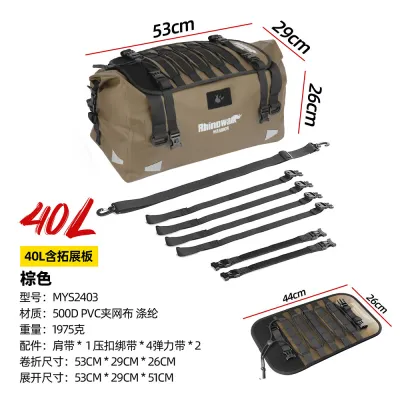
4 Lazada user ratings
It's pretty good for holding my daily water bottle, phone, and cigarettes perfectly.
The bag is really nice.
Very satisfied.
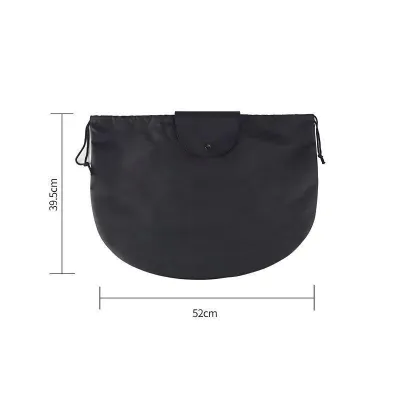
1 Lazada user ratings
quality normal
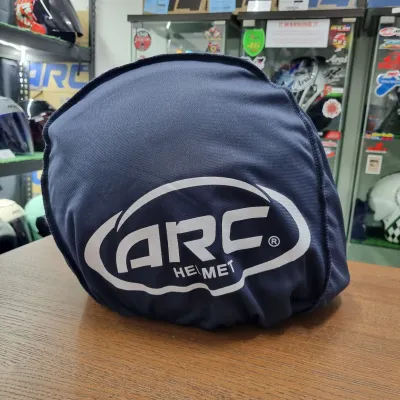
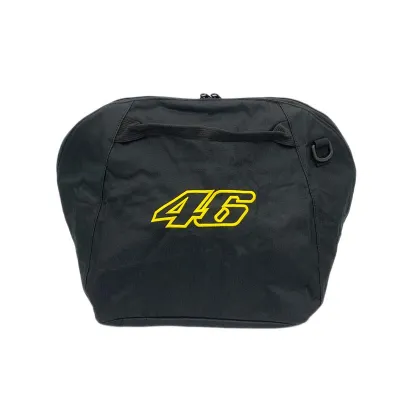
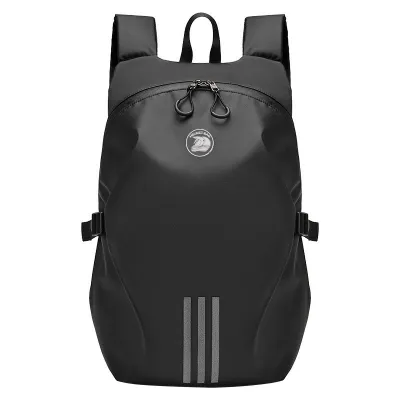
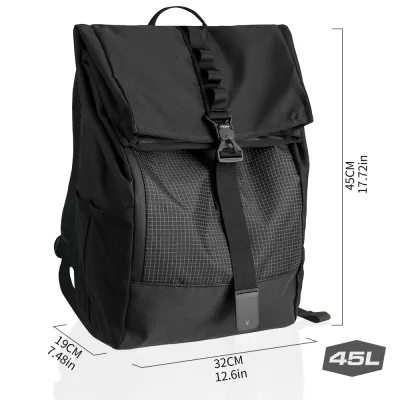
Prices are valid at publication and may change. Please refer to the product page for the latest price.
Soft helmet bags, on the other hand, are made from flexible textile materials such as heavy-duty nylon, polyester, or canvas. Rather than relying on a rigid outer structure, they protect the helmet using layers of internal foam padding, fleece linings, or microfiber fabrics. Because they lack a fixed frame, these bags conform to the shape of the object inside and can be folded, rolled, or flattened when they are not in use.
Below is a comparison of how these two types of helmet bags stack up across key operational dimensions:
| Feature | Hard Shell Helmet Bag | Soft Helmet Bag |
|---|---|---|
| Structural Rigidity | High (maintains shape under pressure) | Low (collapses when empty) |
| Empty Weight | Moderately heavy | Lightweight to ultra-lightweight |
| Packability | Low (requires fixed storage space) | High (can be folded or compressed) |
| Relative Price Tier | Mid-range to Premium | Entry-level to Mid-range |
| Primary Protection | Crush resistance and heavy impacts | Scratch prevention and minor bumps |
Before purchasing either style, it is essential to measure your specific helmet and compare it against the bag’s internal dimensions. Helmet shapes vary widely; a standard full-face helmet has a different footprint than a modular helmet with an external chin bar mechanism, or an adventure helmet equipped with a prominent sun peak. Checking these measurements beforehand ensures you do not buy a bag that is too tight, which can put unnecessary pressure on the helmet’s ventilation ports or visor mechanisms.
Impact Protection and Scratch Prevention
The primary job of any helmet bag is to safeguard your safety gear from physical damage. Hard shell bags excel at providing a rigid defense against crushing forces. If you frequently park in crowded public motorcycle lots, travel on public transport, or store your gear in shared spaces, your bag is likely to get bumped, squeezed, or knocked over. A hard shell exterior distributes the force of an impact across its entire surface, preventing the energy from transferring directly to the helmet’s EPS (expanded polystyrene) liner, which is designed to degrade upon absorbing impact.

Soft helmet bags approach protection differently, focusing heavily on scratch prevention and dampening minor everyday bumps. They are typically lined with plush materials like fleece, microfiber, or brushed polyester that keep your expensive visor and paint job free from hairline scratches. While high-quality soft bags feature thick foam padding to absorb light shocks, they cannot prevent the helmet from being crushed if a heavy object falls on top of the bag or if someone accidentally steps on it.
When evaluating protection claims, it is important to look at the manufacturer’s specific construction details rather than assuming a thicker bag is automatically safer. Some premium hard shell bags feature certified impact-resistant materials or reinforced corners, while high-end soft bags might use advanced high-density foam layers that offer superior shock absorption compared to standard open-cell foam. Always check the product specifications for details on padding density and shell materials to verify the level of protection you are getting.
Portability, Weight, and Everyday Convenience
How a helmet bag fits into your daily routine is just as important as how much protection it offers. The empty weight of the bag plays a significant role in carrying comfort, especially if you have a long walk from the parking lot to your office or classroom. Hard shell bags, due to their rigid plastic or EVA construction, are inherently heavier than their soft counterparts. Carrying a heavy, bulky container over long distances can become tiring, particularly if you are already carrying a laptop bag or other personal items.
Soft helmet bags offer unmatched convenience when it comes to storage flexibility. Because they lack a rigid frame, you can easily fold, roll, or compress an empty soft bag and stuff it into a backpack, under-seat storage compartment, or a small office drawer. This makes them highly popular among daily commuters who do not want to carry a bulky, empty container around once they have taken their helmet out. A hard shell bag, by contrast, takes up the exact same amount of space whether it is full or empty, requiring dedicated storage room at your destination.
Carrying configurations also differ between the two styles. Many hard shell bags are designed as aerodynamic backpacks or rigid shoulder slings, which distribute weight evenly across your back but can feel restrictive. Soft bags often feature versatile carrying options, including simple top handles, drawstring cords, or detachable shoulder straps. When carrying a helmet, pay attention to how the bag balances the weight; a poorly balanced bag can swing awkwardly against your hip or pull uncomfortably on your shoulders during a walk.
Weather Resistance and Long-Term Maintenance
Riding in tropical or highly variable climates, such as Singapore’s frequent rain showers and high humidity, requires gear that can handle wet weather and resist mold. Hard shell bags are naturally highly water-repellent because water slides easily off their plastic or molded EVA exteriors. However, a water-resistant shell does not guarantee a dry interior. You must check the construction of the zippers and seams; look for polyurethane-coated zippers and taped seams to prevent water from seeping through the closures during a heavy downpour.
Soft helmet bags often rely on water-resistant fabric coatings, such as durable water repellent (DWR) finishes on nylon or polyester. While these coatings are effective at shedding light drizzle, they can saturate over time during prolonged exposure to heavy rain. If you choose a soft bag, look for models that include an integrated rain cover or are made from inherently waterproof fabrics like TPU-coated nylon.
Ventilation is another critical factor, particularly in warm, humid environments. Putting a slightly damp or sweaty helmet into a completely sealed bag can quickly lead to mold, mildew, and unpleasant odors. Look for helmet bags that feature dedicated ventilation grommets, mesh panels, or breathable fabrics that allow air to circulate. This is especially important for hard shell bags, which can trap moisture inside much more easily than breathable soft fabric bags.
Maintenance routines also differ based on the bag’s materials. Hard shell exteriors are incredibly easy to clean; a quick wipe with a damp microfiber cloth is usually enough to remove road grime, dust, and bugs. Soft bags require a bit more effort to keep clean, as dirt can become embedded in the fabric weave. Depending on the manufacturer’s care instructions, some soft bags can be spot-cleaned with mild soap and water, while others may be hand-washed or placed in a gentle machine cycle. Always check the care label before washing to avoid damaging water-resistant coatings or internal foam padding.
Which Helmet Bag Should You Choose?
Selecting the right helmet bag requires balancing your daily riding habits, parking situations, and storage constraints. There is no single option that suits every rider, but analyzing your typical routine can point you toward the right choice.
Choose a hard shell bag if:
- You frequently leave your helmet secured to your motorcycle in public parking lots or multi-storey car parks where it is exposed to passersby and tight spaces.
- You commute via crowded public transport or carry your gear through busy environments where crushing hazards are common.
- You ride in unpredictable weather and want an exterior that is easy to wipe clean after a rainy commute.
- You own a premium helmet and prioritize maximum physical protection over packability.
Choose a soft bag if:
- You carry your helmet with you into your office, school, or home and can store the empty bag in a small drawer or locker.
- You prefer an ultra-lightweight carrying option that does not add unnecessary bulk to your daily load.
- You need a versatile bag that can easily double as a general-purpose tote or be packed away inside your motorcycle's top box when riding.
- You are looking for a budget-friendly storage solution primarily aimed at preventing dust and scratches at home.
Verify first if: Before making your final decision, always verify that your specific helmet model fits comfortably inside the bag. Pay close attention to adventure helmets with peaks, modular helmets with extended chin bars, or helmets fitted with external Bluetooth communication systems, as these additions can significantly alter the helmet’s overall dimensions. Additionally, inspect the durability of the carrying straps, buckles, and zippers, as these components bear the brunt of daily wear and tear.

Community discussion
Share your experience or ask a question. Comments are reviewed before publication.