
Deciding between LED and halogen H7 bulbs for your fog lights or daytime running lights (DRLs) depends on your vehicle’s housing design, local road regulations, and driving conditions. While LEDs offer longer operational lifespans and a modern, crisp white aesthetic, traditional halogen bulbs remain the standard for plug-and-play compatibility, precise beam patterns in factory reflector housings, and reliable performance without electrical modifications. Upgrading your exterior lighting is not merely a matter of aesthetic preference; it directly impacts your visibility on the road and the safety of oncoming drivers.
Fog lights and DRLs serve distinct operational purposes. Fog lights require a controlled, low, wide beam to cut through heavy rain or haze without reflecting glare back into your eyes. DRLs run continuously whenever the engine is on, making durability and power consumption key factors. To make an informed choice, you must evaluate physical clearance, thermal management, electrical compatibility, and legal compliance to ensure your upgrade improves visibility without compromising safety or violating local transport laws.
Verify Fitment, Legality, and Safety Before Upgrading
Vehicle lighting is a critical safety system, and any modification must begin with a thorough verification of your vehicle’s specifications. Before purchasing any aftermarket bulb, consult your vehicle’s owner’s manual to confirm the exact bulb type, maximum allowed wattage, and the specific housing design. While many vehicles use H7 bulbs for high beams, low beams, fog lights, or DRLs, the electrical and physical requirements can vary significantly between these positions. Installing a bulb with an incorrect wattage rating can overload your vehicle’s wiring harness or damage the sensitive plastic housing.
Products mentioned in this guide
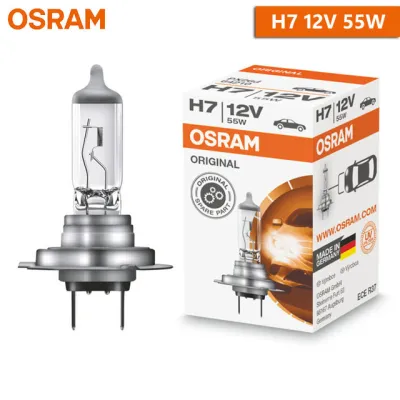
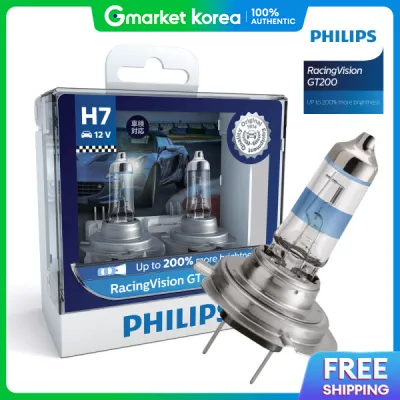
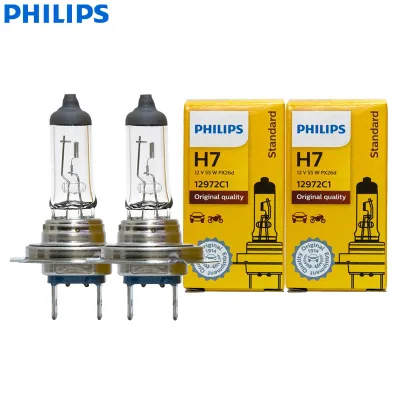
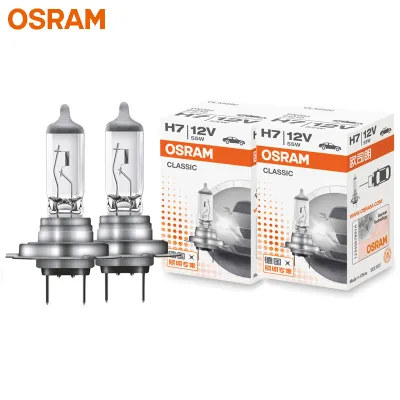
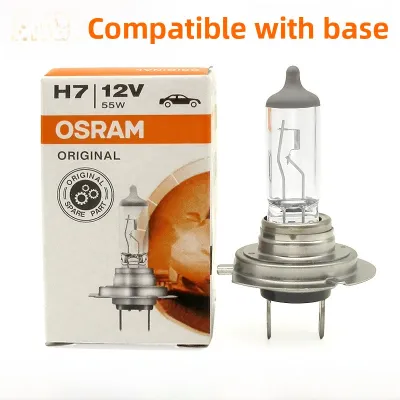
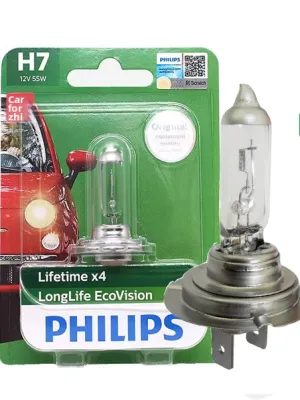
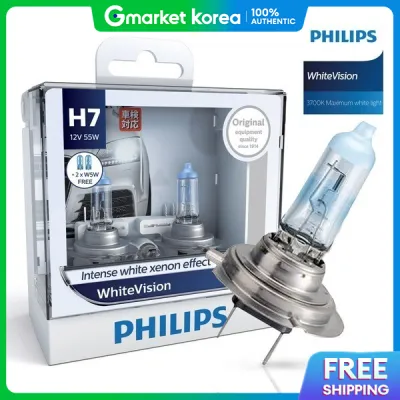
Prices are valid at publication and may change. Please refer to the product page for the latest price.
Road legality is another primary consideration that varies by region. In many jurisdictions, including Singapore, retrofitting LED bulbs into housings originally designed and certified for halogen bulbs is strictly regulated or prohibited on public roads. The Land Transport Authority (LTA) or equivalent local transport bodies often require lighting components to carry specific certifications and maintain original beam patterns to prevent blinding other road users. Unapproved modifications can result in vehicle inspection failures, fines, or even voided insurance policies in the event of an accident. Always verify local transport regulations before committing to an upgrade.
Additionally, you must identify whether your vehicle’s electrical system requires a CANbus adapter or anti-flicker module. Modern vehicles use complex electrical monitoring systems to detect bulb failures. Because LED bulbs draw significantly less power than standard halogens, the vehicle’s computer may interpret this low power draw as a burnt-out bulb, triggering dashboard error lights or causing the LED to flicker. If your vehicle uses a sensitive CANbus system, you will need to install compatible decoders alongside your new bulbs. For complex installations involving external drivers or wiring modifications, seeking qualified professional installation is highly recommended to ensure electrical safety and maintain water-resistant seals.
Halogen H7 Bulbs for Fog Lights and DRLs
Halogen H7 bulbs have been the automotive industry standard for decades due to their reliable performance and predictable light output. These bulbs feature a physical tungsten filament enclosed in a quartz envelope filled with halogen gas. When electrical current passes through the filament, it heats up and glows, producing a warm, yellowish light. This design allows for highly precise beam pattern control when paired with standard reflector or projector housings engineered specifically around the physical dimensions of the halogen filament.

One of the key advantages of halogen technology in fog light applications is beam pattern accuracy. Because the light source is a tiny, centralized filament, the housing’s reflectors can focus and direct the light with high precision. This creates a sharp cutoff line that keeps the light low on the road surface, preventing it from scattering upward into fog or heavy rain, which would otherwise cause reflective glare and reduce your visibility. Furthermore, the warm color temperature of standard halogens (typically around 3,000K to 3,700K) is highly effective in adverse weather, as longer wavelengths of light tend to scatter less off water droplets compared to cooler blue or white light.
Another physical characteristic of halogen bulbs is the generation of forward radiant heat. While this heat is a byproduct of energy inefficiency, it serves a practical purpose in colder climates by melting frost, condensation, or light ice that accumulates on the exterior lens of the fog lights. However, this high operating temperature also means that the bulb’s lifespan is relatively short. A standard halogen H7 bulb typically lasts between 400 to 1,000 hours of operation. When used continuously as daytime running lights, halogen bulbs experience rapid wear, requiring more frequent replacements and ongoing maintenance costs.
LED H7 Bulbs for Fog Lights and DRLs
LED H7 bulbs represent a modern alternative, offering high luminosity, low power consumption, and an extended operational lifespan. Unlike halogens, LEDs produce light through electroluminescence, where electrical current passes through a semiconductor material to emit photons. This process is highly efficient, converting more electrical energy into visible light rather than heat. For daytime running lights, which operate continuously, the low power draw of LEDs reduces the load on your vehicle’s alternator and electrical system.
Luminosity and color temperature are the most noticeable upgrades when switching to LED technology. LED H7 bulbs are available in a variety of color temperatures, with cool white (5,000K to 6,500K) being the most popular. This crisp white light provides excellent contrast in clear night conditions and gives the vehicle a modern, premium appearance. As DRLs, the bright white output makes your vehicle highly visible to other road users during daylight hours, enhancing overall road safety. However, in heavy rain or dense fog, cool white light can scatter more easily off water droplets, potentially creating more reflective glare than a warmer halogen bulb.
The primary engineering challenge of LED H7 bulbs lies in thermal management and physical clearance. While LEDs do not emit forward radiant heat, they generate significant heat at the base of the diode chip. To prevent the semiconductor from overheating and failing prematurely, LED bulbs require robust cooling mechanisms, such as passive aluminum heatsinks or active cooling fans. These cooling structures add physical bulk to the rear of the bulb. Before purchasing, you must verify that your vehicle’s headlight assembly has sufficient clearance to accommodate this extra depth and that the factory dust covers can still be securely sealed to prevent moisture and dust from entering the housing.
Furthermore, potential glare and beam scatter remain critical safety concerns. Because LEDs emit light from flat, discrete diodes rather than a 360-degree filament, the placement of these diodes must perfectly align with the original halogen filament’s focal point. If the diode placement is off by even a fraction of a millimeter, the housing’s reflectors will fail to focus the light correctly. This results in an unfocused beam pattern, reduced downroad visibility, and dangerous glare that can blind oncoming drivers. When selecting an LED H7 bulb, it is essential to check product specifications to ensure the diode alignment matches factory halogen dimensions.
Direct Comparison: Halogen vs LED H7 Specifications
To help you evaluate these two technologies side-by-side, the following comparison outlines the key operational differences between halogen and LED H7 bulbs. While generic specifications provide a helpful baseline, keep in mind that exact performance metrics, physical dimensions, and beam cutoff sharpness will vary depending on the specific aftermarket brand and your vehicle’s housing design.
| Metric | Halogen H7 Bulb | LED H7 Bulb |
|---|---|---|
| Power Draw | Typically 55W | Typically 15W – 30W (varies by brand) |
| Estimated Lifespan | 400 – 1,000 hours | 10,000 – 30,000+ hours (subject to cooling) |
| Heat Dissipation | Forward radiant heat through lens | Rearward heat via heatsink/fan |
| Installation | Plug-and-play (direct fit) | May require clearance checks & CANbus adapters |
| Beam Pattern | Factory-optimized cutoff | Highly dependent on diode alignment & housing |
When reviewing these specifications, remember that higher luminosity does not automatically translate to better visibility. A bulb’s performance is entirely dependent on how effectively your vehicle’s housing can focus that light onto the road. An unaligned LED bulb in a reflector housing designed for halogens may produce a high volume of light, but much of it will be wasted as scattered glare rather than usable illumination.
Decision Framework: Choosing Your H7 Upgrade
Choosing the right H7 upgrade requires balancing your vehicle’s physical compatibility, your local driving conditions, and your regulatory environment. There is no universal winner; instead, the optimal choice depends on your specific priorities and setup.
You should choose Halogen H7 bulbs if you are operating on a strict budget and want a guaranteed plug-and-play installation without the need for additional wiring or CANbus decoders. Halogens are also the ideal choice if you prioritize absolute road legality and want to ensure your vehicle passes mandatory inspections without any compliance risks. Additionally, if you frequently drive in heavy rain, dense fog, or cold winter conditions where forward radiant heat is needed to clear the lenses, the warm color temperature and thermal characteristics of halogens provide superior practical performance.
You should choose LED H7 bulbs if your primary goal is to extend the lifespan of your continuously running daytime running lights and reduce the frequency of bulb replacements. LEDs are also suitable if you want to achieve a modern, cool-white aesthetic that matches other LED styling elements on your vehicle. However, you must first verify that your vehicle’s headlight housing has adequate physical clearance for the rear heatsink and that you have the necessary electrical adapters to prevent dashboard errors or flickering.
Before making any purchase, always verify your vehicle’s specific requirements. If you are unsure about your headlight housing type, local vehicle inspection laws, or the electrical compatibility of your vehicle’s monitoring system, consult your owner’s manual or seek advice from a qualified automotive technician. Taking the time to verify these details beforehand will save you from costly compatibility issues and ensure your lighting upgrade is both safe and legal.
Frequently Asked Questions (FAQ)
Do LED H7 bulbs require a CANbus decoder?
Whether your LED H7 bulbs require a CANbus decoder depends entirely on your vehicle’s electrical monitoring system. Modern vehicles often use a Controller Area Network (CANbus) to monitor the status of exterior bulbs. Because LED bulbs draw significantly less power than standard 55W halogen bulbs, the vehicle’s computer may interpret this low resistance as a broken circuit or a burnt-out bulb. This can result in dashboard error warnings, rapid flashing, or the bulbs failing to illuminate at all. If your vehicle’s manual or manufacturer specifications indicate a sensitive bulb-monitoring system, you will need to install a compatible CANbus decoder or load resistor to simulate the power draw of a standard halogen bulb and stabilize the electrical current.
Will an LED H7 bulb melt my fog light housing?
An LED H7 bulb is highly unlikely to melt your fog light housing, but the way it manages heat is fundamentally different from a halogen bulb. Halogen bulbs generate high levels of forward radiant heat, which is projected through the front lens of the housing. LED bulbs, on the other hand, remain cool to the touch at the front but generate concentrated heat at the rear base of the diode chip. If the LED bulb features a high-quality passive heatsink or active cooling fan, this heat is safely dissipated into the surrounding air behind the headlight assembly. However, if you install an LED bulb with inadequate cooling or if there is insufficient clearance inside the housing for air to circulate, the heat can build up at the base, potentially damaging the bulb’s internal circuitry or affecting nearby plastic components. Always check your housing’s physical clearance and material limits before installing high-output LED upgrades.
Community discussion
Share your experience or ask a question. Comments are reviewed before publication.