
When deciding how to protect your vehicle’s paint, the choice between a spray-on silica sealant like Gyeon WetCoat, traditional car wax, and a full ceramic coating comes down to your available time, budget, and maintenance habits. There is no single option that suits every driver; instead, the right choice depends on whether you prioritize rapid application during your wash routine, the deep visual warmth of natural ingredients, or the long-term chemical resistance of a professionally installed coating. By evaluating the preparation requirements, expected lifespan, and realistic visual outcomes of each method, you can select the protection strategy that aligns with your detailing goals.
Understanding the Core Differences in Application and Prep
Applying a full ceramic coating is a meticulous process that demands a controlled environment. Unlike simple spray products, a true ceramic coating requires the paint surface to be completely free of defects, oils, and contaminants. This means you must perform a thorough wash, clay bar decontamination, mechanical polishing (paint correction), and a final panel wipe with an isopropyl alcohol solution to ensure proper bonding. Any remaining swirl marks or dust will be locked beneath the cured coating.
Furthermore, ceramic coatings are highly sensitive to environmental conditions during application. High humidity and extreme temperatures can cause the coating to flash too quickly, leading to high spots or uneven curing. For this reason, manufacturers typically recommend applying these coatings indoors, such as in a clean, well-ventilated garage, away from direct sunlight and wind-blown dust.
Products mentioned in this guide
Prices are valid at publication and may change. Please refer to the product page for the latest price.
In contrast, traditional waxes and spray sealants like Gyeon WetCoat offer a much more forgiving application window. Traditional paste or liquid wax still requires a clean, dry surface and benefits from claying, but it does not demand absolute paint perfection to bond. You can apply it in a wider range of temperatures, though direct sunlight should still be avoided to prevent the wax from drying too hard before buffing.
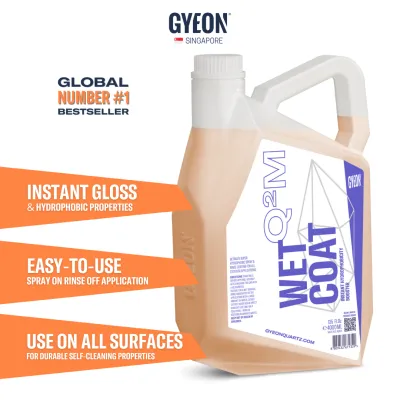
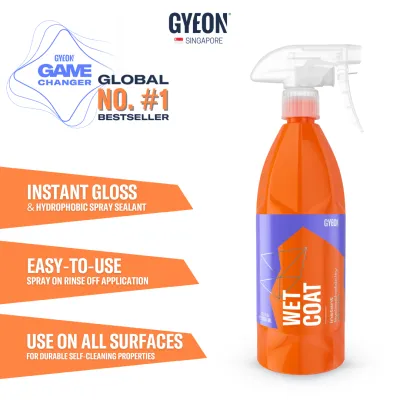
Gyeon WetCoat represents the most straightforward end of the spectrum, designed as a wet-application spray sealant. You apply it directly to a freshly washed, still-wet vehicle panel and immediately rinse it off with a high-pressure stream of water. The water pressure activates the product, leaving a hydrophobic layer without the need for manual buffing or curing in a closed garage. However, you must ensure the vehicle is completely cool to the touch and out of direct sunlight to prevent the product from drying on the paint, which can cause stubborn water spots.
Evaluating Durability and Maintenance Requirements
To understand how long each protection method will last, you should always verify the manufacturer-stated longevity claims on the product labels or technical data sheets. While general category estimates exist, actual durability varies widely based on environmental exposure, parking conditions, and washing frequency. A ceramic coating is designed to last for years, whereas traditional waxes typically degrade within a few months, and spray-on wet sealants generally require topping up every few weeks to months.

Maintaining these protective layers requires consistent, careful washing habits regardless of the method you choose. To preserve the hydrophobic properties and prevent premature degradation, you should use a pH-neutral car shampoo. Harsh, highly alkaline pre-washes or acidic cleaners can strip away traditional waxes and degrade the top layers of spray sealants and ceramic coatings.
You can easily identify when your paint protection is beginning to degrade by observing how water behaves on the surface. When the protection is fresh, water will bead into tight, round droplets and sheet off the panels rapidly. As the product wears off, you will notice a distinct loss of water beading, slower water sheeting, and an increase in dirt retention, signaling that it is time to reapply the wax or spray sealant, or to apply a maintenance booster to your ceramic coating.
Comparing Visual Results and Protection Levels
The visual outcome of your detailing work depends heavily on the chemical composition of the protective layer. Traditional carnauba waxes are celebrated for producing a deep, warm, and oily glow that enhances the richness of dark paint colors. Silica-based products, including Gyeon WetCoat and full ceramic coatings, deliver a different aesthetic characterized by a highly reflective, glassy, and hard-looking gloss that emphasizes sharp body lines.
However, it is vital to recognize that the initial condition of your vehicle’s paint limits the final visual result. No wax, spray sealant, or ceramic coating can hide deep scratches, heavy swirl marks, or oxidation. If the underlying clear coat is dull or damaged, applying a protective layer will simply seal in those defects; achieving a highly refined finish always requires mechanical paint correction beforehand.
Protection levels also differ significantly when it comes to environmental hazards. Ceramic coatings offer an exceptionally high level of chemical resistance, shielding the paint from bird droppings, tree sap, and road salt, though you should check the product’s technical specifications for its exact pH tolerance limits. Traditional waxes and spray sealants provide a sacrificial barrier against these elements, but they degrade much faster when exposed to harsh environmental contaminants and require prompt washing to prevent paint etching.
Assessing Cost and Long-Term Value
When evaluating the financial aspect of paint protection, you must weigh the immediate upfront costs against the long-term value and reapplication frequency. A bottle of spray sealant like Gyeon WetCoat or a tub of quality traditional wax is relatively inexpensive, typically costing between S$20 and S$80. In contrast, a professional ceramic coating installation in Singapore can range from several hundred to over a thousand dollars, primarily reflecting the intense labor required for paint correction and surface preparation.
If you choose the DIY route, you must also factor in the cost of necessary preparation materials to achieve a successful bond. A complete setup requires clay bars, clay lubricants, dedicated polishes, microfiber towels, and specialized applicators, which can quickly add up. For a driver who enjoys maintaining their car on weekends, these initial tool investments are spread over many applications, making DIY spray sealants and waxes highly cost-effective on a per-month basis.
Conversely, a professional ceramic coating represents a significant upfront investment that offers convenience over several years. While the initial price is high, the cost-per-month over a three-to-five-year lifespan can be comparable to buying high-end DIY products and detailing accessories repeatedly. The primary value of a ceramic coating lies in saving you time, as it drastically reduces the frequency of intensive detailing sessions.
Decision Framework: Choosing the Right Paint Protection
To select the right paint protection method, you should evaluate your lifestyle, detailing experience, and how much time you want to spend maintaining your vehicle.
You should choose Gyeon WetCoat or a similar spray-on silica sealant if you prioritize speed and convenience. This method is highly convenient for drivers who want to add robust hydrophobic protection and gloss during their regular wash routine without spending hours buffing dry panels. It is a strong fit for those who wash their cars frequently and want an easy way to top up protection during the drying process.
You should choose traditional wax if you appreciate the classic, hands-on detailing process and seek a deep, warm visual glow, particularly on dark-colored vehicles. This option is best suited for enthusiasts who do not mind dedicating a few hours every few months to claying, waxing, and buffing their car by hand.
You should choose a full ceramic coating if you want excellent long-term chemical and environmental resistance and are willing to invest either the time for extensive DIY prep or the money for professional installation. This is a highly practical choice if you want to minimize daily maintenance and keep your vehicle protected for years with only basic wash routines.
Before making your final decision, verify if your vehicle’s paint requires significant correction to look its best, as applying a ceramic coating over unpolished paint can lock in unsightly defects. Additionally, check if your vehicle has a specialized factory finish, such as matte or satin paint. Matte finishes restrict the use of traditional waxes and gloss-enhancing sealants, requiring specialized matte-safe protection products to avoid creating unwanted shiny spots.
Frequently Asked Questions (FAQ)
Can I apply Gyeon WetCoat over an existing ceramic coating or wax?
Yes, you can generally apply Gyeon WetCoat over an existing ceramic coating to act as a sacrificial maintenance layer, boosting its hydrophobic properties and gloss. However, applying it over a traditional wax is less effective, as the sealant may struggle to bond properly to the oily wax surface. As a general rule, protective products bond best to bare paint or compatible base layers. You should always consult the specific product’s technical data sheet or manufacturer instructions to verify layering compatibility, curing times, and potential bonding limitations.
Does a ceramic coating prevent rock chips and deep scratches?
No, a ceramic coating does not prevent rock chips, road debris impacts, or deep scratches. While a coating provides excellent chemical resistance and minor resistance to very light wash marring, it is too thin to absorb physical impacts from gravel or road debris. If your primary goal is to defend your vehicle’s front end against physical damage and rock chips, you should consider installing a dedicated Paint Protection Film (PPF), which is a thick, physical urethane barrier designed specifically for impact protection.

Community discussion
Share your experience or ask a question. Comments are reviewed before publication.