
Choosing between Gyeon WetCoat and a traditional spray wax depends on whether you prioritize rapid, wet-surface application with high hydrophobic performance or a hands-on, dry-surface buffing routine that delivers a warm, deep gloss. Gyeon WetCoat represents a modern class of touchless silica-based (SiO2) sealants designed to bond chemically with your vehicle’s paintwork while it is still wet. In contrast, traditional spray waxes—typically formulated with natural carnauba blends or synthetic polymers—require a clean, dry surface to level properly and cure. Understanding these fundamental chemical differences is key to selecting the right paint protection for your maintenance routine.
The core distinction lies in how these products interact with water and the paint surface. Gyeon WetCoat utilizes a highly reactive SiO2 formulation that is hydrophobic by nature. When sprayed onto a wet, clean panel, the water acts as a carrier, helping to distribute the silica particles evenly across the surface. As you rinse the vehicle with a strong stream of water, the pressure activates the chemical bond, leaving behind a durable, protective barrier without any physical rubbing. Traditional spray waxes, on the other hand, rely on physical application and manual buffing. The solvents in the wax must evaporate on a dry surface, leaving behind a thin layer of wax or polymer molecules that fill microscopic paint imperfections to create a smooth, reflective finish.
Evaluating Durability and Hydrophobic Effects on Your Paint
To accurately compare the longevity of these two product types, vehicle owners should consult the manufacturer’s product labels and technical data sheets, as environmental factors and washing frequencies heavily influence real-world durability. Generally, SiO2-based wet coats are engineered to withstand harsher chemical exposure, including acidic rain and alkaline car wash soaps, compared to traditional carnauba-based spray waxes. While a standard spray wax might offer protection for a few weeks, a high-quality silica sealant can often maintain its protective properties for several months under normal driving conditions. However, frequent washing with aggressive detergents or exposure to heavy road grime will gradually degrade both types of protection, requiring regular observation of the paint’s surface behavior.
Products mentioned in this guide
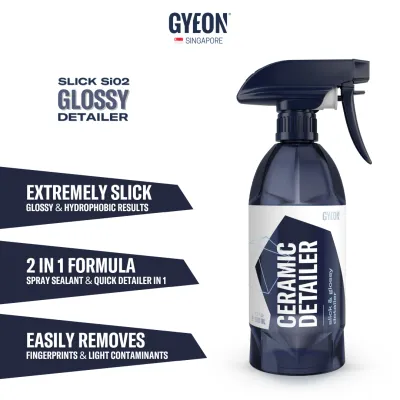
62 Lazada user ratings
Long-lasting protection, Enhances hydrophobicity. Done the ceramic coating with the same jing gang and decided to get their products as well…Read full reviewShow less
Long-lasting protection, Enhances hydrophobicity. Done the ceramic coating with the same jing gang and decided to get their products as well.
Gyeon good and effective for my truck paintworks . IUse the tire shine also last for three weeks rain or shine .
👌Ease of Use:Easy to use and apply, spray wipe n shineIdeal for car maintenance, Great performance boost,
Just received. If they are as good as what’s used by the detailers, they should be excellent products.
Super fast delivery. Well bubbled wrapped.
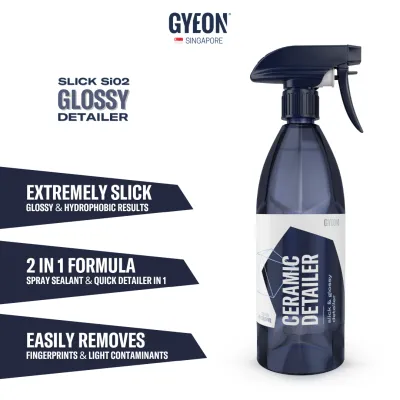
61 Lazada user ratings
Havent open yet. Gyeon peoducts are very good! Its one of the 3 brands that i only use to maintain my car.
Used this product before. Brought with good discounts. Overall happy with this purchase.
Great for maintaining ceramic coatings, Extremely glossy and slick,
Use it after every wash, with high gloss effect & protection.
Great seller, fast delivery and highly recommend.
Prices are valid at publication and may change. Please refer to the product page for the latest price.
The visual and physical indicators of protection differ significantly. SiO2 wet coats are renowned for producing extreme hydrophobic behavior, characterized by tight, high-contact-angle water beads and rapid water sheeting. When rain or rinse water hits a silica-treated surface, it forms nearly spherical droplets that roll off easily, carrying away loose dirt with them. Traditional spray waxes tend to exhibit a softer, lower-contact-angle water beading pattern. Instead of rapid sheeting, water on a waxed surface often glides off in larger sheets, which still prevents pooling but does not repel water with the same kinetic energy as a silica barrier.
The aesthetic finish also presents a clear choice for car enthusiasts. Gyeon WetCoat and similar SiO2 products deliver a sharp, glass-like, highly reflective shine that accentuates the sharp lines and metallic flake of modern paint finishes. This look is often described as cold or clinical, emphasizing maximum clarity and gloss. Traditional spray waxes, particularly those containing natural carnauba, produce a warm, deep, and wet-looking glow. This finish fills minor paint defects effectively, making it a popular choice for older vehicles, dark-colored paintwork, or owners who prefer a classic, rich luster over a mirror-like glaze.
Application Effort: Wet Surface Convenience vs Dry Surface Buffing
The physical workflow and time investment represent the most significant practical differences. The application of Gyeon WetCoat is integrated directly into the wash process, eliminating the need to dry the car beforehand. After washing and thoroughly rinsing the vehicle to remove all dirt and soap residue, you spray the wet coat directly onto one wet panel at a time. Immediately afterward, you must rinse the panel with a high-pressure washer or a strong hose stream. This rinse step is crucial, as the force of the water spreads and cures the product. Because you skip the initial drying phase and do not need to buff the paint, this method can reduce your overall detailing time by a substantial margin.

Conversely, applying a traditional spray wax demands a more methodical, dry-surface approach. After washing the car, you must dry it completely using a high-quality microfiber drying towel to prevent water spots and ensure the wax can bond directly to the paint. Once dry, you spray the wax onto a clean microfiber towel or directly onto a single panel, spread it evenly, allow it to haze if specified by the manufacturer, and then buff it to a high shine with a second, dry microfiber cloth. This process requires physical effort and careful attention to detail, as applying the product too heavily or failing to buff it completely can lead to unsightly streaks, especially on dark paint.
Environmental conditions play a critical role in the success of both application methods, particularly in tropical climates like Singapore. When applying Gyeon WetCoat, it is vital to work in the shade and ensure the vehicle’s panels are cool to the touch. If the product dries on the paint before it is rinsed, it can leave stubborn, cured silica spots that are difficult to remove without machine polishing. For traditional spray waxes, high humidity can delay the hazing and curing times, making the buffing process more labor-intensive and increasing the risk of streaking. Regardless of the product chosen, avoiding direct sunlight and working on cool panels are essential safety steps to prevent chemical staining and ensure an even, protective layer.
Long-Term Value: Maintenance Frequency and Cost per Wash
Evaluating economic value requires looking beyond the initial purchase price to calculate the cost per application and maintenance frequency. To estimate this, divide the retail price of the bottle (in S$) by the average volume required to treat your vehicle. While a bottle of Gyeon WetCoat or a similar premium SiO2 sealant may carry a higher upfront cost than a standard bottle of retail spray wax, the actual cost per wash can be highly competitive. Because wet coats are applied sparingly via a fine mist onto wet panels, a single bottle can last for numerous applications, and the extended durability means you apply it far less frequently.
A cheaper traditional spray wax might seem more economical initially, but its shorter lifespan often demands bi-weekly or monthly reapplications to maintain a consistent level of protection and gloss. This frequent reapplication increases product consumption and requires a greater investment of your personal time and physical effort. Over a six-month period, the total volume of spray wax used, combined with the cost of high-quality microfiber towels needed for buffing, can equal or exceed the cost of a single, highly durable silica sealant application.
Another factor to consider is product compatibility and layering. Some car owners attempt to stack multiple products to maximize gloss and protection, but incompatible chemical layering can lead to smearing, hazing, and premature product failure. Silica-based wet coats generally do not bond well when applied over a fresh layer of traditional wax, as the oily wax barrier prevents the SiO2 molecules from chemically anchoring to the paint. Conversely, applying a traditional spray wax over a cured SiO2 coating is possible but often redundant, as the high surface energy of the silica layer may cause the wax to slide off during application or degrade rapidly. For optimal results, stick to a compatible product family or follow the manufacturer’s specific guidelines for layering.
Decision Framework: Which Paint Protection Fits Your Routine?
To choose the right product, align the characteristics of each paint protection type with your maintenance habits, storage conditions, and aesthetic preferences. This decision framework helps categorize which product fits your specific routine.
You should choose Gyeon WetCoat if your primary goal is to minimize detailing time while achieving maximum water-repelling performance. This product is ideal for car owners who wash their vehicles frequently at self-service car washes, where speed is essential, and who prefer a bright, glass-like shine. It is also highly suited for vehicles that are already protected by a professional ceramic coating, as it serves as an excellent booster to restore hydrophobic properties and maintain the underlying coating’s performance.
You should choose a traditional spray wax if you enjoy the hands-on, therapeutic process of detailing and prefer a deep, warm, carnauba-style gloss. This option is well-suited for owners who have a dedicated, shaded garage space to dry and buff their vehicles thoroughly, and who do not mind spending extra time to achieve a classic, smooth-to-the-touch finish. Traditional spray waxes are also more forgiving on older paintwork with minor imperfections, as the wax oils can temporarily mask light swirl marks.
Before making your final choice, always verify the current condition of your vehicle’s paint. If the paintwork is heavily oxidized, rough to the touch, or covered in embedded contaminants, neither product will perform optimally. In such cases, you must perform a thorough decontamination and paint correction (claying and polishing) before applying any protection. Additionally, if your vehicle is parked outdoors and exposed to harsh environmental contaminants, the robust chemical resistance of an SiO2 wet coat will generally provide more reliable, long-lasting protection than a traditional organic wax.
Frequently Asked Questions (FAQ)
Can You Apply Gyeon WetCoat Over Traditional Wax?
Applying Gyeon WetCoat over traditional carnauba or synthetic wax is not recommended. The chemical formulation of Gyeon WetCoat requires direct contact with the vehicle’s clear coat or an existing, compatible silica-based coating to form a proper bond. Traditional waxes leave behind an oily, hydrophobic barrier that prevents the SiO2 molecules in the wet coat from anchoring to the surface. If applied over wax, the wet coat may fail to bond evenly, leading to immediate runoff, reduced durability, or unsightly smearing and streaking on the paintwork.
How to Tell When It Is Time to Reapply Protection
You can determine when your paint protection has degraded by observing how water behaves on the surface during a wash or rain shower. When the protection is fresh, water will bead into tight, round droplets or sheet off the panels rapidly. As the product wears away, the water beading angle will flatten, and water will begin to pool or cling to the paint in large, slow-moving sheets. Additionally, you may notice increased surface friction when gliding a microfiber wash mitt over the panels, indicating that the slick, protective barrier has worn off and a fresh application is required.

Community discussion
Share your experience or ask a question. Comments are reviewed before publication.