
Choosing the right paint protection for your vehicle in Singapore’s tropical climate involves balancing durability, visual finish, and the effort you are willing to invest in maintenance. Gyeon offers two distinct pathways to preserve your car’s clear coat: advanced silicon dioxide (SiO2) ceramic coatings and premium wax formulations. While ceramic coatings provide a semi-permanent, glass-like barrier that resists harsh environmental contaminants, waxes offer a traditional, warm gloss with a more straightforward application process. Deciding between them depends on your vehicle’s current paint condition, your access to a controlled application environment, and whether you prefer long-term convenience or regular hands-on detailing.
Understanding Gyeon Coatings vs Waxes: Core Differences
Gyeon’s product lineup is divided by distinct chemical compositions designed for different protective behaviors. Their ceramic coatings are formulated with silicon dioxide (SiO2), a compound that forms a semi-permanent chemical bond with the vehicle’s clear coat. Once applied, this liquid formula cures into a hard, transparent layer that essentially becomes an extension of the paint itself. This chemical integration provides a highly hydrophobic surface that repels water and dirt with exceptional efficiency.
In contrast, Gyeon’s wax products rely on physical layering rather than chemical bonding. These formulations typically combine high-grade carnauba wax with synthetic polymers or fluorine additives to create a protective barrier that sits on top of the paint surface. Because the wax does not fuse with the clear coat at a molecular level, it remains a sacrificial layer that gradually wears away over time under the influence of heat, friction, and washing.
Products mentioned in this guide
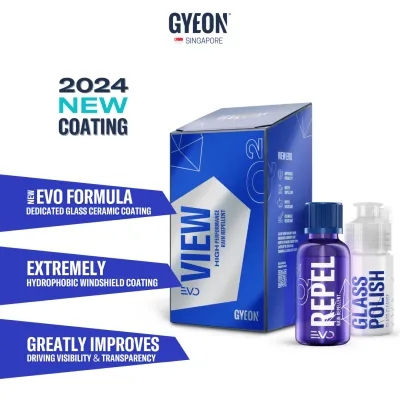
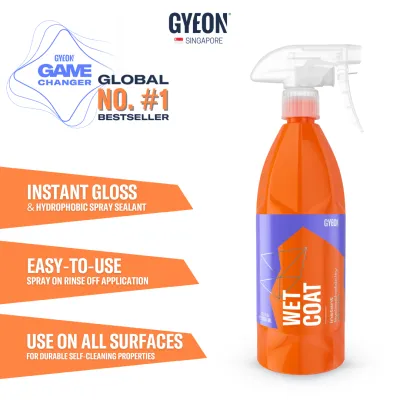
Prices are valid at publication and may change. Please refer to the product page for the latest price.
The visual characteristics of these two methods also differ significantly due to how they interact with light. Gyeon’s ceramic coatings deliver a highly reflective, glassy, and sharp finish that accentuates the sharp lines and metallic flakes of modern paintwork. Waxes, on the other hand, produce a deep, warm, and liquid-like glow that many enthusiasts prefer, particularly on darker paint colors. This aesthetic difference often drives the choice for car owners who prioritize a specific type of shine.
Comparing Durability and Protection Levels
When evaluating longevity, the chemical bond of a ceramic coating inherently outperforms the physical barrier of a wax. Gyeon’s ceramic coatings are engineered to last for several years, with entry-level consumer kits often rated for up to twenty-four months and professional-grade coatings lasting significantly longer. These durations are contingent on proper maintenance and the application of compatible booster sprays during routine washes.

Gyeon’s wax products offer a shorter protective window, typically requiring reapplication every few months depending on local weather conditions and driving habits. In Singapore’s intense heat, high humidity, and frequent rain, any sacrificial wax layer faces rapid degradation. The constant exposure to ultraviolet (UV) radiation and acidic rainwater accelerates the breakdown of organic wax components, making regular top-ups essential to maintain protection.
Environmental resistance also varies between the two categories. Ceramic coatings provide robust protection against UV rays, industrial fallout, bird droppings, and light chemical exposure, preventing these contaminants from etching into the clear coat. While waxes do offer a basic shield against these elements, their lower melting point and softer structure mean they can be easily stripped by strong alkaline car washes or road grime, requiring a more delicate maintenance routine.
To sustain the claimed durability of either option, proper washing techniques are mandatory. For ceramic coatings, this involves using pH-neutral shampoos and avoiding abrasive automatic car washes that can cause micro-marring. Waxes require similarly gentle care, but because they are easily degraded, owners must avoid harsh degreasers or traffic film removers that would instantly strip the protective wax layer from the paintwork.
Evaluating Application Effort and Paint Preparation
The application process highlights the greatest practical divide between Gyeon’s ceramic coatings and their waxes. Applying a ceramic coating is a meticulous, multi-step procedure that demands extensive paint preparation. Before the coating can be applied, the paint must be thoroughly washed, decontaminated with iron removers and clay bars, and ideally polished to remove any swirl marks or scratches, as the coating will lock these imperfections beneath its cured layer.
The final preparation step for a ceramic coating involves a thorough panel wipe using an isopropyl alcohol-based preparation spray to remove all polishing oils and residues. This ensures the SiO2 molecules can bond directly to the bare clear coat. Any remaining oils will compromise the chemical bond, leading to premature failure of the coating. Waxes are far more forgiving, requiring only a clean, dry surface, though paint decontamination still improves their overall bonding and longevity.
Environmental control is another critical factor during application. Gyeon ceramic coatings require a dust-free, indoor, and climate-controlled environment to cure properly without interference from moisture, direct sunlight, or wind-blown debris. Waxes can be applied in more flexible conditions, including shaded outdoor areas or open carports, making them highly accessible for DIY enthusiasts who do not have access to a dedicated garage.
Curing times also differ dramatically. Ceramic coatings typically require at least twelve to twenty-four hours of dry curing time before the vehicle can be exposed to moisture, and up to a week before the first wash. Waxes, however, require only a short hazing period of a few minutes before being buffed off, and the vehicle can be driven immediately afterward. This makes waxing a much faster option for daily-driven vehicles that cannot be taken off the road for extended periods.
Assessing Upfront Costs and Long-Term Value
The financial commitment required for these paint protection methods involves both initial product costs and the value of your time or professional labor. In the Singapore market, a high-quality Gyeon wax kit generally retails in the range of S$60 to S$100, offering multiple applications from a single container. This makes wax an exceptionally cost-effective entry point for car owners who enjoy maintaining their vehicles themselves.
In contrast, a DIY Gyeon ceramic coating kit typically costs between S$120 and S$250, depending on the specific product line and included applicators. However, the true cost of a ceramic coating must factor in the necessary preparation materials. Purchasing clay bars, iron removers, polishing pads, compounds, and panel wipes can easily add another S$150 to S$300 to the total DIY budget, assuming you already own a dual-action polisher.
For car owners who prefer professional installation, the costs increase significantly. Having a professional detailer apply a high-tier Gyeon ceramic coating—which often includes multi-stage paint correction and comes with manufacturer-backed warranties—can range from S$800 to over S$2,000. While this represents a substantial upfront investment, the long-term value is realized through reduced maintenance time, fewer detailing sessions, and superior paint preservation over several years.
When evaluating long-term value, DIY waxing requires a continuous investment of time and effort every few months, along with the ongoing purchase of quick detailers and wax top-ups. A ceramic coating, while expensive upfront, minimizes the need for frequent detailing. The self-cleaning properties of a coated car mean washes are faster and require less physical contact, reducing the risk of wash-induced swirl marks over the lifespan of the vehicle.
Decision Framework: Which Gyeon Protection Suits Your Car?
To determine which Gyeon paint protection method is right for your vehicle, you must evaluate your lifestyle, detailing preferences, and the current condition of your car’s paintwork.
Choose Gyeon Wax if you meet the following criteria:
- You enjoy the hands-on process of detailing your car on weekends and find the application of wax therapeutic.
- You prefer a deep, warm, liquid-like gloss over a highly reflective, glassy shine.
- You want to keep upfront costs low and do not have access to an indoor, dust-free garage for application.
- Your vehicle is parked in a sheltered area most of the time, reducing the rate of wax degradation.
Choose Gyeon Ceramic Coating if you meet the following criteria:
- You want maximum, long-term protection that lasts for years with minimal reapplication effort.
- You prefer a highly hydrophobic surface that repels water and dirt, making routine washes quick and effortless.
- You desire a sharp, glassy, and extremely reflective finish that highlights the metallic flake in your paint.
- You are willing to invest the time and money into thorough paint preparation or professional installation.
Before making your final decision, always verify the condition of your vehicle’s paintwork. If your car has significant swirl marks, oxidation, or deep scratches, these must be corrected before applying a ceramic coating, which may require professional intervention. Additionally, check the product specifications of your chosen Gyeon coating; some advanced formulas are restricted to certified professional installers to ensure proper application and warranty coverage.
Frequently Asked Questions (FAQ)
Can I apply Gyeon wax over a Gyeon ceramic coating?
Applying a traditional wax over a Gyeon ceramic coating is generally not recommended by the manufacturer. While it might seem like adding an extra layer of protection would be beneficial, the wax will actually mask the superior hydrophobic and self-cleaning properties of the underlying ceramic coating. Dirt and water will cling to the softer wax layer rather than sliding off the slick ceramic surface. If you want to boost the gloss and slickness of your Gyeon coating, you should use a dedicated SiO2-based maintenance spray designed specifically to bond with and enhance ceramic coatings.
How do I know when it is time to reapply Gyeon wax or top up a coating?
You can determine when your paint protection is degrading by observing how water behaves on the surface of your clean vehicle. When a Gyeon wax or ceramic coating is fully active, water will bead into tight, round droplets and sheet off the panels rapidly when the car is in motion. If you notice that water begins to pool in flat, lazy sheets on the hood or doors, or if the surface no longer feels slick to the touch after a thorough wash, the protective layer has degraded. For waxes, this indicates it is time for a full reapplication; for ceramic coatings, it signals that the coating needs to be thoroughly decontaminated and topped up with a maintenance spray.
Community discussion
Share your experience or ask a question. Comments are reviewed before publication.