
Quick Answer: Which Brand Offers Better Protection?
There is no single “best” engine oil brand that universally outperforms the others. The ideal choice for your vehicle depends entirely on matching the manufacturer’s exact specifications, including the required viscosity grade and performance ratings. When comparing these three major manufacturers, each brand exhibits a distinct engineering focus and market positioning.
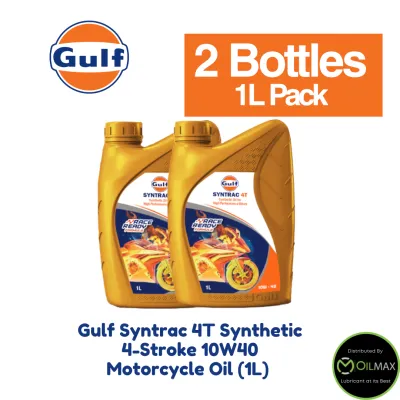
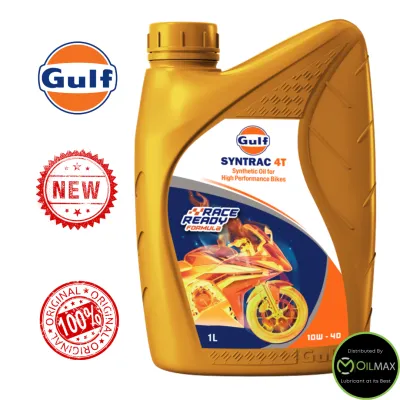
Shell is highly regarded for engine cleanliness, utilizing gas-to-liquid technology to prevent sludge and deposit buildup. Castrol focuses on high-stress protection, engineering its lubricants to maintain film strength under extreme mechanical pressure. Meanwhile, gulf engine oil delivers excellent thermal stability and reliable lubrication at a highly competitive price point, making it a strong value-oriented option for everyday commuting.
Ultimately, selecting the correct oil specification and adhering to a disciplined oil change interval is far more critical to your engine’s longevity than the brand logo printed on the bottle.
Products mentioned in this guide
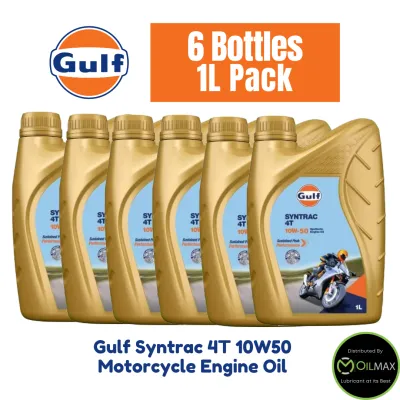
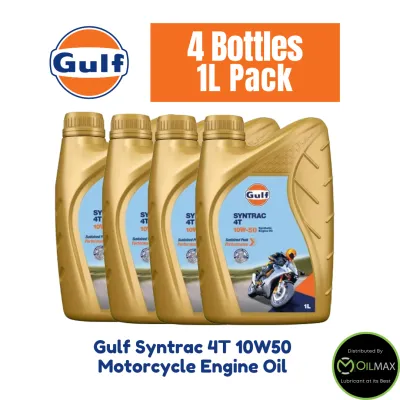
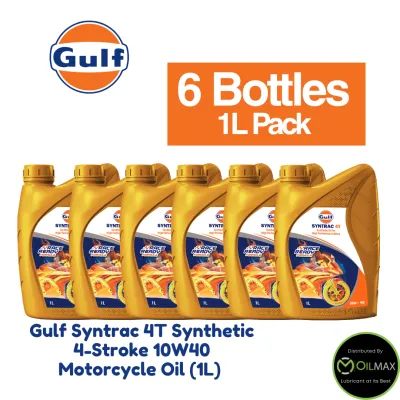
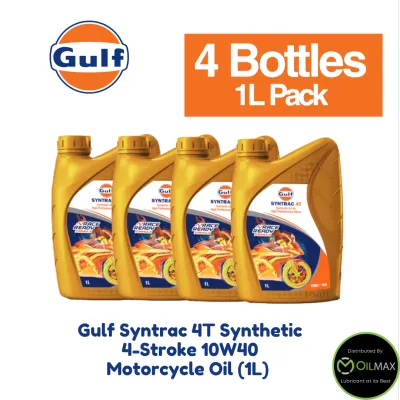
Prices are valid at publication and may change. Please refer to the product page for the latest price.
What Defines "Better Protection" in Engine Oil?
To objectively evaluate engine oil protection, vehicle owners must look past marketing slogans and focus on standardized industry metrics. Engine oil serves multiple critical functions: reducing friction between moving parts, dissipating heat, sealing the combustion chamber, and keeping internal components clean. The effectiveness of an oil in performing these duties is determined by three core factors.

First, the viscosity grade, established by the Society of Automotive Engineers (SAE), dictates how the oil flows at different temperatures. For example, in a 5W-30 oil, the “5W” indicates low-temperature flow characteristics, while the “30” represents the oil’s kinematic viscosity at 100°C (the typical operating temperature of an engine). Using an incorrect viscosity can lead to inadequate lubrication during startup or an oil film that is too thin at high operating temperatures.
Second, industry performance standards establish the baseline quality and capability of the lubricant. These standards are defined by organizations such as the American Petroleum Institute (API) and the Association des Constructeurs Européens d’Automobiles (ACEA). Modern gasoline engines typically require API SP or ILSAC GF-6 standards, which are formulated to protect against low-speed pre-ignition (LSPI) and chain wear in turbocharged direct-injection engines.
Third, the quality of the base oil and the additive package determines how well the lubricant resists degradation over time. Base oils are categorized into five groups, with Group III (hydrocracked mineral oil), Group IV (polyalphaolefins or PAO), and Group V (esters and other synthetics) forming the foundation of high-performance synthetic lubricants.
Your vehicle’s owner’s manual is the ultimate authority on these requirements. No premium brand or advanced additive package can protect an engine if the oil’s viscosity or technical specifications do not align with the engine’s design tolerances.
Brand Technologies: Comparing Gulf Engine Oil, Shell, and Castrol
Gulf: Value and Thermal Stability
Gulf engine oil has established a reputation for delivering reliable, everyday performance with an emphasis on thermal stability and cost-effectiveness. The brand’s product lines, such as Gulf Formula and Gulf Ultrasynth, utilize high-quality synthetic base stocks combined with robust additive packages to meet a wide array of OEM specifications.
Gulf focuses on maintaining consistent lubrication under standard driving conditions, preventing oxidation and thermal breakdown over the course of a standard service interval. This makes it an exceptionally practical choice for drivers who want a fully compliant, high-quality synthetic oil without paying the price premium often associated with more heavily marketed brands.
To evaluate a specific Gulf product, drivers should consult the product’s Technical Data Sheet (TDS). Key metrics such as the Viscosity Index (VI) and Total Base Number (TBN) will confirm the oil’s ability to resist thinning at high temperatures and neutralize acidic combustion byproducts over time.
Shell: Engine Cleanliness and PurePlus Technology
Shell’s premium lubricant line, Shell Helix Ultra, is defined by its proprietary PurePlus Technology. This gas-to-liquid (GTL) process converts natural gas into a crystal-clear base oil that is virtually free of the impurities typically found in crude-derived base stocks.
This high level of purity results in several distinct performance advantages. GTL base oils exhibit lower volatility, which reduces oil consumption and the need for top-ups. They also demonstrate superior low-temperature flow, ensuring rapid oil circulation to critical engine components during cold starts.
Shell pairs this pure base oil with Active Cleansing Technology, an additive package engineered to prevent dirt and contaminants from clustering into performance-robbing sludge. This heavy focus on cleanliness makes Shell an excellent option for maintaining efficiency in modern, highly sensitive engines. Always verify the specific API or ACEA approvals on the bottle to ensure compatibility with your vehicle.
Castrol: High-Stress Protection and Fluid Titanium
Castrol’s engineering philosophy centers on maintaining oil film strength under extreme mechanical pressure. This focus is most prominent in the Castrol EDGE line, which features Fluid Titanium Technology.
Under the high-pressure conditions found in modern downsized engines, the titanium polymers in the oil physically transform their behavior. The oil film temporarily becomes stronger at points of extreme pressure, reducing metal-to-metal contact and minimizing frictional drag. This technology is particularly beneficial for high-performance vehicles or engines subjected to heavy loads.
For daily driving, Castrol offers the Magnatec line, which utilizes “intelligent molecules” designed to cling to engine surfaces even when the engine is turned off. This provides a continuous protective layer that guards against wear during the critical startup phase, when a significant portion of engine wear occurs. As with all premium lubricants, these specialized technologies are only effective when paired with the correct viscosity grade.
Performance in Singapore's Driving Conditions
Heat Resistance and Thermal Breakdown
Singapore’s tropical climate presents unique challenges for automotive lubricants. With ambient temperatures regularly exceeding 30°C and high humidity levels, vehicle cooling systems must work harder, which in turn increases the thermal load placed on the engine oil.
Under prolonged exposure to high operating temperatures, lower-quality oils can undergo thermal oxidation. This process causes the oil to thicken, lose its lubricating properties, and form harmful varnish deposits on internal engine surfaces. To combat this, drivers in Singapore should prioritize fully synthetic lubricants from Gulf, Shell, or Castrol.
Fully synthetic oils possess superior molecular uniformity, allowing them to resist thermal shear and maintain their viscosity under high heat. When comparing options, check the manufacturer’s TDS for the flash point and NOACK volatility. A higher flash point (typically above 220°C) indicates greater resistance to thermal breakdown, while a lower NOACK percentage (ideally under 10%) means the oil is less prone to evaporative loss in hot climates.
Stop-and-Go Traffic and Sludge Prevention
Beyond high temperatures, Singapore’s urban environment is characterized by heavy stop-and-go traffic on major expressways like the PIE and CTE, alongside frequent short-distance trips. This driving pattern is classified as “severe service” by vehicle manufacturers.
During short trips—often under 10 kilometers—the engine may not reach its optimal operating temperature of 90°C to 104°C. When an engine runs cool, moisture from condensation and unburnt fuel can accumulate in the crankcase. If the oil does not reach a high enough temperature to evaporate these contaminants, they mix with the lubricant to form a thick, gelatinous substance known as black sludge.
Each of the three brands addresses this urban challenge differently:
- Shell relies on its GTL base oil and active dispersants to keep contaminants suspended in the oil, preventing them from settling and forming sludge.
- Castrol utilizes its surface-clinging molecules to protect components during frequent stop-start cycles when the oil pressure fluctuates.
- Gulf employs a high-detergency additive package designed to neutralize acidic combustion byproducts and prevent early deposit formation.
Regardless of the brand’s additive strength, relying solely on premium oil is not enough to prevent sludge in severe driving environments. Drivers must adhere strictly to the “severe service” maintenance intervals outlined in their owner’s manual, which often recommend changing the oil every 5,000 to 7,500 kilometers, or every six months, rather than the standard 10,000-kilometer interval.
How to Verify Compatibility Before You Buy
To protect your vehicle’s engine and preserve its warranty, you must perform a systematic compatibility check before purchasing any engine oil. Follow this step-by-step verification process:
- Consult the Owner's Manual: Locate the exact viscosity grade (e.g., 0W-20, 5W-30) and the required international specifications (e.g., API SP, ILSAC GF-6A, or ACEA C3) prescribed by your vehicle's manufacturer.
- Cross-Reference the Bottle Label: Inspect the back label of the oil bottle. The oil must explicitly state that it meets or exceeds the exact specifications identified in your manual.
- Check for OEM-Specific Approvals: Many European and modern Asian vehicle manufacturers require proprietary oil approvals (such as Mercedes-Benz MB-Approval 229.51, VW 504.00/507.00, or BMW Longlife-04). These approvals indicate that the oil has passed specific testing protocols designed for those engines. Verify these approvals using the oil brand's official online product selector tool.
- Observe the Safety Boundary: If the instructions in your owner's manual conflict with the information on the oil label, or if you are unsure of your vehicle's specific requirements, stop immediately. Do not add the oil. Consult your vehicle manufacturer or a qualified professional technician to confirm compatibility.
Additionally, avoid mixing different brands, viscosities, or synthetic and conventional oils during top-ups. Each brand formulates its lubricants with a highly specific, proprietary balance of chemical additives, including friction modifiers, anti-wear agents, and detergents. Mixing different products can disrupt this chemical balance, potentially causing additives to precipitate out of solution, reducing wear protection, or accelerating the degradation of the oil.
Final Verdict: Choosing the Right Oil for Your Car
When choosing between Gulf, Shell, and Castrol, your decision should be guided by your specific vehicle requirements, driving habits, and maintenance budget. Use the following decision framework to select the appropriate lubricant:
- Choose Shell if your primary goal is maximum engine cleanliness, deposit control, and minimizing oil consumption. This is particularly beneficial for modern, turbocharged gasoline direct-injection (TGDI) engines that are highly sensitive to intake valve deposits and sludge.
- Choose Castrol if your vehicle is frequently subjected to high-stress conditions, such as carrying heavy loads, spirited driving, or operating in extreme stop-and-go traffic where physical wear protection and film strength are paramount.
- Choose Gulf if you are looking for a highly reliable, fully synthetic lubricant that meets all necessary OEM standards for daily commuting while offering excellent value for money. It is an ideal choice for budget-conscious drivers who maintain a disciplined, timely oil change schedule.
Remember that the brand name is secondary to the technical specifications of the oil. A properly matched, mid-tier synthetic oil that is changed at the correct interval will always provide better engine protection than an expensive, premium-brand oil of the wrong viscosity or specification left in the engine for too long.
Community discussion
Share your experience or ask a question. Comments are reviewed before publication.