
Choosing between an advanced hydrophobic coating like Gtechniq G5 and a traditional car wax is a pivotal decision for any vehicle owner looking to preserve their car’s exterior finish. While traditional waxes offer a classic, warm gloss and a highly forgiving application process, modern chemical coatings provide long-lasting hydrophobic performance and robust resistance to environmental contaminants. The right choice depends on how much time, effort, and budget you want to invest in protecting your vehicle’s exterior, as well as the specific surfaces you intend to protect. Understanding how these two distinct approaches bond to your vehicle’s surfaces is the key to selecting the right protection method for your driving habits and maintenance routine.
Understanding the Core Differences in Paint Protection
To make an informed choice, it is essential to understand the fundamental chemical and structural differences between ceramic coatings and traditional waxes. Ceramic coatings, along with advanced hydrophobic sealants like Gtechniq G5, rely on silicon dioxide (SiO2) or similar chemical compounds that form a semi-permanent covalent bond with the substrate. This chemical cross-linking creates an ultra-thin, hard physical barrier that integrates with the surface at a molecular level. Because of this tight bond, the coating does not wash off easily with water or standard detergents, providing a durable shield against environmental factors.
Traditional waxes, whether derived from natural carnauba or synthetic polymers, function in an entirely different manner. Instead of bonding chemically, wax sits on top of the clear coat as a temporary sacrificial layer. It has excellent filling characteristics, meaning it flows into microscopic imperfections, fine scratches, and pores in the paint surface. This creates a flat, smooth plane that reflects light evenly, giving the paint a deep, wet look. However, because there is no chemical cross-linking, this layer relies purely on physical adhesion to stay in place.
Products mentioned in this guide
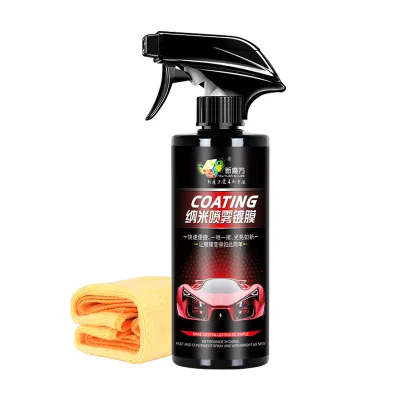
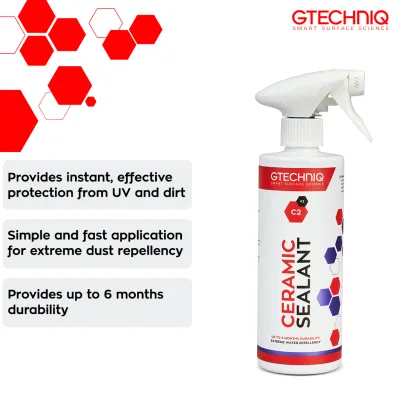
Prices are valid at publication and may change. Please refer to the product page for the latest price.
These structural differences in adhesion directly dictate the expected lifespan of each protection method. A traditional wax layer is highly susceptible to heat, UV radiation, and road grime, which break down the physical bond relatively quickly. In tropical climates with intense sunlight and heavy rainfall, a standard wax may only last a few weeks to a couple of months before requiring reapplication. In contrast, the robust covalent bonds of ceramic coatings and specialized hydrophobic sealants allow them to withstand high temperatures, harsh weather, and repeated washing cycles, offering protection that can last for many months or even years.
Comparing Durability, Appearance, and Maintenance Effort
Evaluating how these protective options perform in real-world conditions helps determine which method aligns best with your daily driving and washing habits. Durability is often the most significant point of contrast. While manufacturers state expected lifespans on their product labels, these figures are highly dependent on environmental exposure and maintenance frequency. In regions characterized by high humidity, intense UV exposure, and frequent tropical downpours, any protective layer faces accelerated wear. To verify the health of your paint protection, observe how water behaves on the surface during a wash; a noticeable decline in water sheeting or rapid beading indicates that the protective layer is degrading and requires attention.

The visual effects of these two methods also appeal to different aesthetic preferences. Ceramic coatings and advanced hydrophobic sealants are celebrated for producing a sharp, glass-like reflectivity. They create an extremely slick surface that exhibits high hydrophobic properties, causing water to bead up into tight droplets and roll off rapidly under wind pressure. This water-shedding action often carries away loose dust and dirt, creating a self-cleaning effect. Traditional waxes, by contrast, are prized for their ability to deliver a deep, warm glow with rich color depth, particularly on dark-colored vehicles. While they do not shed water or dirt with the same high-velocity efficiency as a ceramic coating, they offer a classic, show-car aesthetic that many enthusiasts prefer.
Daily maintenance requirements represent another critical factor in your decision. Coated vehicles require specific care to preserve their hydrophobic properties and prevent premature degradation. You must avoid high-pH detergents, harsh traffic film removers, and automatic car washes with abrasive brushes, as these can wear down the coating’s surface structure. Instead, a neutral-pH car shampoo and safe washing accessories are necessary. Waxed vehicles are generally more forgiving of different wash soaps and minor maintenance variations, but they demand a much more frequent reapplication schedule to maintain their protective qualities, requiring you to dedicate time to rewaxing the vehicle every few months.
Evaluating Application Requirements and Safety Boundaries
Before purchasing any paint protection product, it is vital to understand the necessary preparation work and application limits to avoid accidentally damaging your vehicle’s clear coat. The necessity of paint correction is one of the most critical distinctions between these two methods. Because advanced coatings are optically clear and highly reflective, they act like a magnifying glass over your vehicle’s paint. Any existing surface defects, such as swirl marks, light scratches, holograms, or water spots, will be locked beneath the coating and highlighted. Consequently, applying a coating properly requires a thorough decontamination process and mechanical paint correction to ensure the surface is flawless. Traditional waxes are far more forgiving; their natural filling capabilities allow them to temporarily mask minor swirls and light imperfections, making them an excellent choice if you want to improve your car’s appearance without spending hours polishing the paint.
The application environment also plays a decisive role in the success of your DIY project. Advanced coatings are highly sensitive to environmental conditions during application and curing. You must carefully check the product instructions for specific temperature, humidity, and ventilation requirements. High humidity can cause the solvents in a coating to flash or evaporate too quickly, making it incredibly difficult to buff off the excess product smoothly. This can result in “high spots,” which appear as dark, cloudy, or rainbow-colored patches that can only be removed by mechanical polishing once the coating cures. Traditional waxes are much less sensitive to humidity and temperature, allowing for a more relaxed application process in a wider variety of outdoor or garage settings.
Recognizing safety and professional boundaries is essential for protecting your vehicle’s finish. While DIY application is highly feasible for many car owners, there are times when you should stop and consult a qualified detailing professional. If your vehicle’s paint exhibits heavy oxidation, deep scratches that catch a fingernail, or clear coat failure (where the clear lacquer is peeling away), applying a retail coating or wax will not resolve the underlying damage. A professional detailer can safely measure your paint’s thickness using specialized gauges, determine if there is enough clear coat left to safely polish, and perform the necessary correction work using professional-grade equipment before applying a long-term protective barrier.
Cost and Value Assessment for Your Vehicle
Conducting a thorough cost-benefit analysis based on your vehicle’s value, ownership timeline, and budget will help you make the most practical choice. Upfront cost variables differ significantly between the two methods. A complete setup for applying an advanced coating like Gtechniq G5 or a ceramic equivalent involves not just the protective product itself, but also specialized panel preparation sprays, high-quality microfiber towels, foam applicators, and potentially polishing compounds and a dual-action polisher. This initial investment can easily range from S$80 to several hundred dollars depending on the tools you need to purchase. In contrast, a premium traditional wax and a set of basic foam applicators present a much lower upfront cost, often requiring an investment of under S$50.
To evaluate the true financial impact, you should calculate the annualized protection cost based on the product’s stated durability. While an advanced coating has a higher initial price tag, its long-lasting nature means you may only need to apply it once every year or two. This drastically reduces the frequency of product purchases and the time spent preparing and treating the vehicle. Traditional wax, while inexpensive upfront, requires reapplication every two to three months. Over a two-year period, the cost of multiple wax containers, clay bars, and prep sprays, combined with the significant labor hours required for regular reapplication, can equal or exceed the cost of a single high-quality coating application.
This comparison leads to a clear decision framework to guide your purchase. Choose an advanced coating like Gtechniq G5 or a ceramic equivalent if you prioritize long-term hydrophobic protection, a self-cleaning effect, and a lower maintenance frequency, and if you are willing to invest the time or money into proper paint preparation. Choose traditional wax if you prefer a lower upfront cost, enjoy the hands-on ritual of regular detailing, and want an easy way to mask minor paint imperfections without extensive polishing. Regardless of your choice, always verify the condition of your paint first; if your vehicle requires extensive paint correction to look its best, you must factor that preparation work into your final budget and timeline before applying any protective layer.
Frequently Asked Questions (FAQ)
Can I apply traditional wax over a Gtechniq G5 ceramic coating?
Applying a traditional wax over an advanced ceramic coating is generally not recommended. The wax layer will cover the coating, masking its superior hydrophobic properties and self-cleaning abilities with the less efficient water-shedding properties of the wax. Additionally, because ceramic coatings are designed to repel substances from bonding to them, the wax may struggle to adhere properly to the slick surface, leading to premature degradation and a patchy appearance. If you wish to add an extra layer of gloss or protection to your coating, always consult the specific manufacturer’s instructions regarding compatible maintenance sprays or dedicated ceramic toppers designed to work harmoniously with the base layer.
Does ceramic coating make my car completely scratch-proof?
No, ceramic coatings do not make a vehicle scratch-proof. While they offer a degree of resistance to very light marring and wash-induced swirl marks due to their surface hardness, they cannot protect your paint from deeper physical scratches, keying, or high-velocity rock chips. The thin barrier created by a coating is designed to resist chemical etching and environmental contaminants rather than heavy physical impacts. To prevent physical damage to your paint, you must still employ safe washing techniques, such as the two-bucket method and high-quality microfiber wash mitts, or consider installing a physical paint protection film (PPF) on high-impact areas of the vehicle.

Community discussion
Share your experience or ask a question. Comments are reviewed before publication.