
Yes, premium Grasse-fragrance car diffusers can degrade, leak, or lose their scent profile rapidly when exposed to the intense heat of a parked car under the Singapore sun. While the prestige of “Grasse” refers to the high-quality fragrance oils sourced from the historic perfume capital of France, the physical delivery system—whether liquid, gel, ceramic, or solid—is entirely subject to the laws of thermodynamics. In Singapore’s tropical climate, where outdoor temperatures regularly hover around 31°C to 34°C, a closed vehicle parked in direct sunlight acts as a greenhouse, trapping thermal radiation and driving cabin temperatures to extreme levels that can compromise even premium scent accessories.
Choosing a high-quality grasse diffuser for your car is an excellent way to elevate your daily commute, but understanding how tropical heat interacts with these products is essential to protect both your investment and your vehicle’s interior. The premium essential oils and aromatic compounds that make these diffusers so appealing are highly sensitive to temperature fluctuations. Without proper placement and care, the extreme heat inside a parked car can lead to rapid evaporation, chemical breakdown of the scent, and physical damage to the diffuser housing or the car’s interior surfaces.
Understanding Parked Car Temperatures in Singapore
To understand why a premium car scent is at risk, one must examine the severe environmental conditions that develop inside a parked vehicle in Singapore. When a car is parked in an open-air car park, such as those found in HDB estates or outdoor shopping areas, it is subjected to intense solar radiation. The glass windows of the vehicle allow shortwave solar radiation to pass through easily. This radiation is absorbed by the dark surfaces of the interior, including the dashboard, steering wheel, and seats. These surfaces then re-radiate this energy as longwave infrared heat, which cannot easily escape back through the glass windows.
Products mentioned in this guide
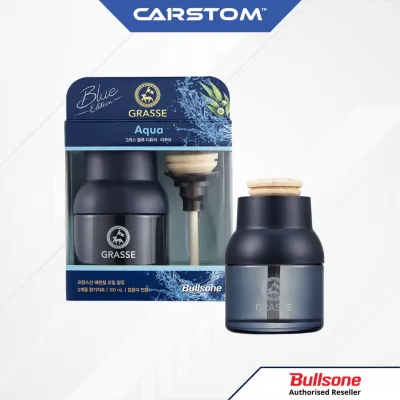
![Grasse Diffuser [Local] - Essential Oils Air Freshener Car Freshener Home Air Freshener for Cars diffuser](https://img.lazcdn.com/g/p/192d57e9ef04fad58943ec939e81b127.jpg_400x400q80.jpg_.webp)
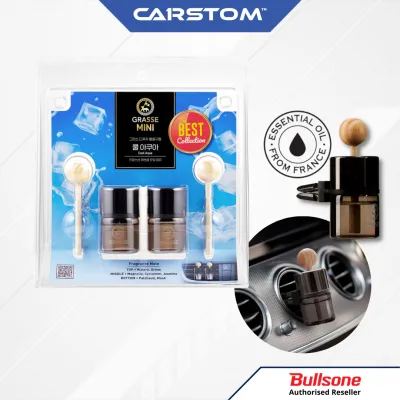
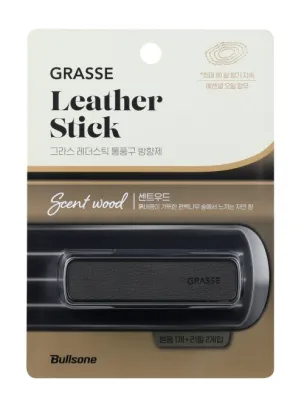

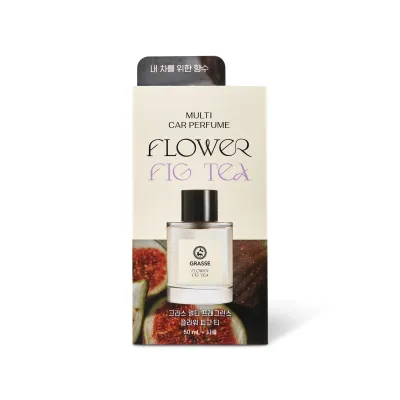
Prices are valid at publication and may change. Please refer to the product page for the latest price.
This process creates a powerful greenhouse effect inside the cabin. Within just 30 to 60 minutes of parking under direct sunlight, the interior air temperature of the vehicle can easily rise to 50°C or 60°C, even when the outside ambient temperature is a standard 32°C. The dashboard surface, which sits directly beneath the windshield, bears the brunt of this exposure and can reach scorching temperatures of 70°C to 80°C. This is an exceptionally harsh environment for any consumer product, particularly those containing volatile organic compounds or sensitive chemical formulations.
For automotive interior accessories, prolonged exposure to this trapped heat is a major cause of premature failure. Most household items and standard consumer goods are designed to remain stable at room temperatures of 20°C to 25°C. When subjected to the thermal extremes of a parked car in Singapore, materials expand, chemical bonds break down, and volatile liquids vaporize at an accelerated rate. While a premium Grasse fragrance utilizes superior ingredients compared to cheap synthetic air fresheners, the ultimate survival and performance of the scent depend entirely on the physical format of the diffuser and how well it is shielded from these extreme conditions.
How Extreme Heat Impacts Different Grasse Diffuser Formats
The specific physical and chemical reactions that occur when a diffuser is exposed to high temperatures depend heavily on its format. Different delivery systems handle thermal stress in distinct ways, presenting unique risks that vehicle owners must manage.

Liquid and Gel-Based Diffusers
Liquid-based diffusers typically feature a glass or plastic reservoir filled with fragrance oils, carrier solvents, and sometimes alcohol to aid evaporation. When the temperature inside the car rises, these liquids undergo thermal expansion. As the liquid and the air trapped inside the bottle expand, they generate substantial internal pressure. If the diffuser’s seals, wooden caps, or plastic plugs are not engineered to withstand this pressure, the liquid can be forced out, leading to leaks and spills onto sensitive dashboard plastics or leather upholstery.
Furthermore, high temperatures significantly accelerate the evaporation rate of the volatile compounds within the liquid. Fragrances are structured with top, middle, and base notes, each evaporating at different temperatures. Under extreme heat, the light, fresh top notes—such as citrus, lavender, or green tea—evaporate almost instantly. This rapid depletion leaves behind only the heavier, denser base notes, completely altering the balanced scent profile designed by the perfumer. Consequently, a liquid diffuser rated to last 60 days may dry up or lose its intended character in less than three weeks when exposed to daily Singapore sunshine.
Gel-based diffusers present a different set of challenges. These products use a polymer or gelling agent to suspend the fragrance oils in a semi-solid state. If the polymer base is not rated for high-temperature automotive use, the intense heat can cause the gel to melt back into a liquid state or shrink rapidly into a hard, non-reactive block. This melting can cause the gel to overflow its container, leaving a sticky, difficult-to-clean residue on your console and rendering the diffuser useless.
Solid, Ceramic, and Plaster Carriers
Solid carriers, such as porous ceramic discs, plaster ornaments, or natural wood blocks, are often favored for their aesthetic appeal and perceived durability. While these solid materials themselves will not melt or liquefy under typical car temperatures, they are not immune to the effects of extreme heat. The premium Grasse essential oils or perfume concentrates infused into these porous carriers remain highly vulnerable to thermal degradation and oxidation.
When exposed to high temperatures and oxygen, the chemical structures of the essential oils break down. Oxidation can turn a sophisticated, multi-layered fragrance into a flat, stale, or sour scent that no longer resembles the original perfume. Additionally, the rapid temperature fluctuations common in Singapore—such as transitioning from a 60°C parked cabin to a cool 22°C air-conditioned environment when driving—cause the porous carrier materials to expand and contract repeatedly. Over time, this thermal cycling can induce physical stress, leading to micro-fractures, cracking, or crumbling of ceramic and plaster carriers.
Vent Clips and Dashboard Mounts
The physical housing and mounting mechanisms of a car diffuser are also highly susceptible to heat damage. Many vent clips and dashboard-mounted diffusers utilize plastic components, synthetic rubber grips, or double-sided adhesive pads to secure them in place. Under the relentless heat of the Singapore sun, ordinary plastics can warp, lose their structural integrity, or become extremely brittle, causing the mounting clips to snap during installation or adjustment.
Adhesive pads are particularly prone to failure under high temperatures. The shear strength of standard adhesives degrades rapidly as temperatures exceed 50°C. When a dashboard-mounted diffuser is subjected to these conditions, the adhesive can soften into a slippery, gooey residue. This can cause the diffuser to slide off the dashboard during sudden braking or cornering, potentially spilling its contents, scratching interior panels, or creating a dangerous distraction for the driver.
What to Check on Product Labels for Heat Resistance
To ensure your chosen grasse diffuser can survive the challenging tropical climate of Singapore, it is crucial to look beyond brand prestige and carefully evaluate the product’s physical specifications. When shopping for a car scent, check the packaging, user manual, or manufacturer’s official website for specific indicators of heat resistance:
- Operating Temperature Range: Look for products that explicitly state an operating temperature range. A high-quality automotive diffuser should be rated to withstand temperatures up to at least 60°C or 70°C without leaking, warping, or degrading structurally.
- Automotive-Grade Materials: Verify the material composition of the diffuser housing. Opt for products constructed from UV-stabilized plastics (such as high-grade ABS or polycarbonate), tempered glass, or anodized aluminum. These materials are engineered to resist solar degradation and thermal cycling far better than cheap, brittle plastics.
- Leak-Proof and Spill-Proof Designs: For liquid or gel formats, look for certified leak-proof designs. Some premium diffusers utilize advanced semi-permeable membranes or specialized wood caps that regulate fragrance release without allowing liquid to escape, even if the container is inverted or subjected to high pressure.
- Flammability and Solvent Disclosures: Because many liquid diffusers contain alcohol or volatile organic solvents to assist in scent dispersion, they are technically flammable. Check the label for safety warnings regarding flammability and heat exposure. Avoid placing any diffuser that carries a high-flammability warning in areas of direct, concentrated sunlight.
- Realistic Longevity Claims: Be skeptical of generic "long-lasting" claims, such as "up to 90 days of freshness." These estimates are almost always based on standard room temperature testing (around 21°C). In Singapore's climate, you should expect the actual lifespan of the scent to be significantly shorter unless the manufacturer explicitly states that the product has been tested under high-humidity or tropical automotive conditions.
Strategic Placement and Care for Tropical Climates
Maximizing the lifespan of your premium Grasse car diffuser and protecting your vehicle’s interior requires a combination of strategic placement, cabin temperature management, and routine maintenance.
To minimize heat exposure, avoid mounting any liquid, gel, or adhesive-backed diffuser directly on top of the dashboard or in the direct path of windshield sunlight. Instead, opt for shaded, cooler locations within the cabin. Excellent alternative mounting positions include:
- Under-Seat Placement: Placing a solid or gel diffuser under the driver or passenger seat keeps it completely out of direct sunlight while allowing the scent to rise naturally throughout the cabin.
- Door Pockets and Center Consoles: Utilizing door side pockets or lower center console cup holders keeps the diffuser shaded and secure, preventing accidental tips or falls.
- Secure Vent Mounting: If using a vent-mounted diffuser, ensure the clip is fully compatible with your vehicle's vent blades. When parking your car in an open area, consider closing the specific vent where the diffuser is mounted to block hot air from rising directly through the vent ducting.
- Rear-View Mirror Hanging: If using a hanging diffuser, ensure it is lightweight, securely tied, and does not obstruct your forward field of view, which is a safety hazard and can violate local traffic regulations in Singapore.
Reducing the overall peak temperature inside your parked car is also highly beneficial. Always use a high-quality, reflective front windshield sunshade when parking outdoors to block direct solar radiation. Additionally, ensure your vehicle is equipped with legally compliant, high-heat-rejection window solar films (tints) that meet the Land Transport Authority (LTA) guidelines. These simple steps can lower the peak cabin temperature by several degrees, protecting your diffuser, dashboard, and leather seats from thermal damage.
Establish a routine visual inspection checklist to monitor the condition of your car scent accessory. Every two to three weeks, check for:
- Micro-leaks or weeping around the cap, seals, or seams of liquid containers.
- Sticky residues or melting in gel-based products.
- Warping, cracking, or discoloration of the plastic housing or mounting clips.
- Changes in the fragrance profile, such as a sour, metallic, or excessively alcoholic smell, which indicates chemical degradation.
If you detect any minor leaks or spills, immediate and careful cleanup is necessary to prevent permanent damage to your vehicle’s interior. Many fragrance oils contain strong organic solvents that can melt dashboard plastics, strip paint finishes, or permanently stain leather upholstery.
First, consult the applied cleaning product’s label and the vehicle manufacturer’s care instructions for your specific dashboard or upholstery material. If instructions conflict, the material is unidentified, or the specific use is not covered, stop and consult the vehicle manufacturer or a qualified professional car detailing service. Never invent cleaning parameters or rely on unverified chemical mixtures, as a hidden-area test cannot replace official suitability instructions.
When cleaning a fresh spill, blot the liquid immediately with a dry, clean microfiber cloth. Do not rub or wipe aggressively, as this can spread the oil and push it deeper into textured plastics or leather pores. Clean the area gently using a mild, pH-neutral soapy water solution or a dedicated automotive interior cleaner approved for your specific material, then dry it thoroughly with a separate clean cloth.
Frequently Asked Questions (FAQ)
Can I leave a liquid Grasse diffuser on the dashboard?
No, you should strongly avoid placing a liquid or gel Grasse diffuser directly on the dashboard of a car parked in Singapore. The dashboard experiences the highest concentration of heat and UV exposure in the entire vehicle, with surface temperatures often exceeding 70°C. This extreme heat will cause rapid thermal expansion of the liquid, leading to leaks, and will quickly degrade the premium fragrance oils. Additionally, glass bottles containing liquid can occasionally act as magnifying lenses, focusing intense sunlight into a concentrated beam that poses a serious risk of scorching your dashboard or starting a fire.
Does heat permanently alter the fragrance profile of Grasse perfumes?
Yes, prolonged exposure to extreme heat permanently alters the chemical composition and scent profile of premium Grasse fragrances. High-quality perfumes are complex mixtures of top, middle, and base notes. High temperatures break down the delicate chemical bonds of the lighter top and middle notes—such as citrus, light florals, and fresh herbs—causing them to oxidize or evaporate prematurely. This leaves behind a flat, unbalanced, and often sour or heavily alcoholic scent profile that cannot be restored even after the car cabin cools down.

Community discussion
Share your experience or ask a question. Comments are reviewed before publication.