
Grasse car diffusers are highly sought after by drivers who appreciate premium, multi-layered French perfumery. However, using these sophisticated fragrances in Singapore presents unique challenges. The country’s relentless tropical heat and high humidity directly impact how these diffusers perform, how long they last, and whether they are safe for your vehicle’s interior.
Yes, you can successfully use a Grasse car diffuser in Singapore, but you must select the right format and manage how it is exposed to the elements. Without proper precautions, the intense cabin heat can cause rapid scent depletion, physical leaks, and even damage to your car’s dashboard. Understanding the interaction between tropical climates and fragrance formulation is key to maintaining a pleasant, safe cabin environment.
How Singapore's Tropical Climate Affects Car Fragrances
Singapore’s climate is characterized by uniform temperatures, high humidity, and abundant rainfall year-round. When your vehicle is parked in an open-air lot, such as an HDB surface car park, it acts as a greenhouse. Solar radiation passes through the windshield and windows, heating up the dark surfaces of the dashboard, seats, and steering wheel. Within an hour, interior cabin temperatures can easily soar past 60°C, even when ambient outdoor temperatures hover around 32°C.
Products mentioned in this guide
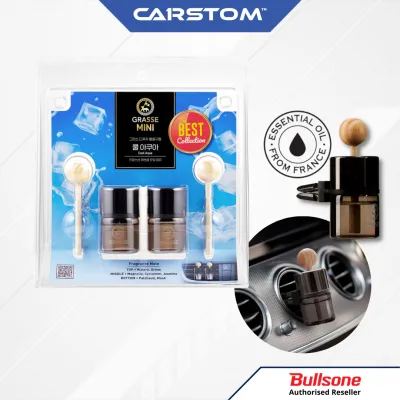
![[Local InStocks 2days Delivery] Bullsone Grasse Diffuser Blackberry & Cherry/Grapefruit/Pure Cotton Aroma](https://img.lazcdn.com/g/ff/kf/S39141699dd3e4612b545c71dedfc915bW.jpg_400x400q80.jpg_.webp)
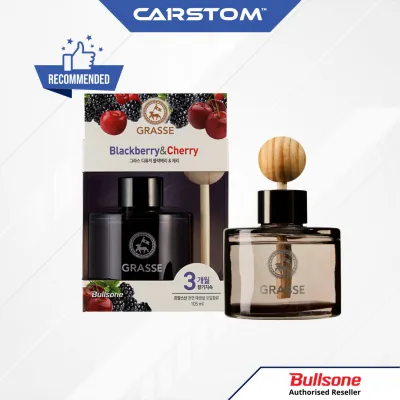
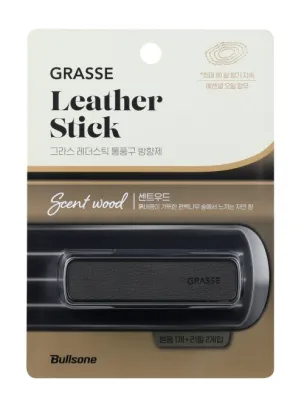
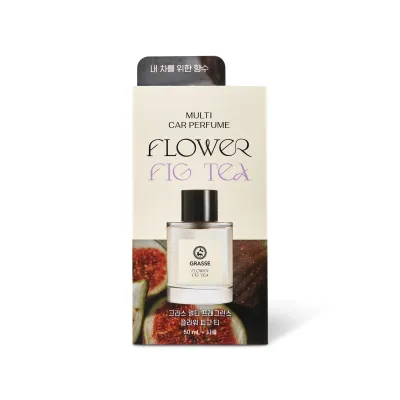
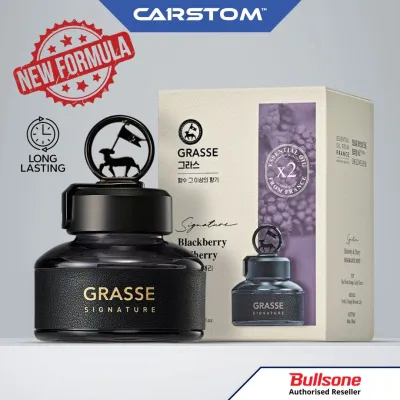
Prices are valid at publication and may change. Please refer to the product page for the latest price.
This extreme heat has a drastic physical effect on any fragrance medium. Volatile organic compounds, which give perfumes their scent, evaporate much faster as temperatures rise. In a hot cabin, the molecular kinetic energy increases, forcing the fragrance oils to vaporize at an accelerated rate. This results in an initial scent throw that can be overwhelmingly strong, followed by rapid depletion of the remaining liquid or gel.
Humidity adds another layer of complexity to scent diffusion. Singapore’s relative humidity regularly exceeds 80 percent, especially in the mornings and after heavy downpours. High moisture levels in the air can saturate porous diffuser materials, such as wood caps, clay tablets, or cardboard hanging cards. When these materials become waterlogged with atmospheric moisture, they cannot absorb or release the fragrance oils effectively, leading to a weak or inconsistent scent throw. Over time, trapped moisture in passive diffusers can also encourage mold or mildew growth.
Furthermore, premium Grasse-inspired fragrances often contain a high concentration of natural essential oils to achieve their complex, realistic scent profiles. Natural extracts are chemically complex and highly sensitive to environmental factors. Exposure to high heat and ultraviolet (UV) light triggers oxidation, a chemical reaction that breaks down the delicate scent molecules. This not only shortens the lifespan of the fragrance but can also alter its character, turning fresh, bright notes into flat, sour, or rancid aromas.
Evaluating Grasse Diffuser Formats for Tropical Conditions
Liquid and Alcohol-Based Diffusers
Liquid car diffusers, which often feature glass bottles with wooden caps or reeds, are popular for their elegant appearance and strong scent delivery. However, they carry the highest risk when exposed to Singapore’s intense cabin heat. Many liquid formulations rely on alcohol or volatile solvents as carriers to help the fragrance evaporate and disperse into the air. In a hot car, these alcohol-based carriers vaporize at an alarming rate, causing the bottle to empty much faster than advertised.

Thermal expansion is another serious concern with liquid diffusers. As the air and liquid inside a sealed or semi-sealed glass bottle heat up, they expand. This pressure can force the liquid out through the wooden cap, wick, or seals, leading to leaks. If concentrated fragrance oils or alcohol-based carriers drip onto your vehicle’s interior, they can cause permanent damage. These substances act as strong solvents that can dissolve soft-touch plastic coatings, strip the clear coat from dashboards, or stain and crack leather and synthetic upholstery.
If you prefer liquid diffusers, it is crucial to inspect the product for secure, spill-proof mechanisms. Look for bottles designed with specialized membrane wicks that prevent free-flowing liquid from escaping even if tilted. Additionally, choosing diffusers housed in UV-protective glass, such as dark amber or cobalt blue, can help shield the internal liquid from solar radiation, reducing the rate of chemical degradation.
Essential Oils and Solid Balms
Solid balms, gels, and pure essential oil diffusers offer a spill-free alternative, but they are not entirely immune to tropical conditions. Many traditional solid air fresheners utilize natural wax or low-melting-point gel bases. When left in a car parked under the direct sun, these bases can liquefy. Once melted, the structural integrity of the balm is lost, and the fragrance oils may separate from the carrier, pooling at the bottom of the container or evaporating in a single, intense burst.
Natural essential oils are particularly vulnerable to rapid oxidation in these conditions. Citrus oils, such as bergamot, lemon, or grapefruit, which are common top notes in Grasse fragrances, degrade quickly when heated. This chemical breakdown can cause the scent profile to shift dramatically, leaving you with a sour or metallic odor rather than the clean, refreshing aroma you expected.
To mitigate these issues, look for car diffusers that utilize high-temperature stabilized polymer gels or synthetic ceramic carriers. These materials are engineered to withstand temperatures exceeding 70°C without melting or losing their shape. If you prefer natural scents, ensure the product is specifically labeled as an automotive-grade formulation, which typically includes stabilizing agents to prevent premature oxidation and separation.
Vent Clips and Hanging Cards
Vent clips and hanging paper cards are passive diffusion methods that are highly practical for tropical climates because they eliminate the risk of liquid spills. Vent clips rely on the airflow from your car’s air conditioning system to distribute the scent. In Singapore, drivers typically run their air conditioning continuously to combat the heat. This constant flow of cold, dry air helps preserve the fragrance medium while the car is in motion, preventing the rapid, heat-induced evaporation associated with dashboard-mounted diffusers.
However, this format has its own trade-offs. The active airflow can exhaust the fragrance compounds quickly when the system is running at high fan speeds. Once the active scent molecules on the surface of the clip or card are depleted, the remaining scent deep within the medium may struggle to diffuse. Additionally, when the car is parked and the air conditioning is off, the cabin quickly fills with hot, humid air, subjecting the clip or card to the same thermal stresses as other formats.
Hanging cards and felt pads are especially susceptible to humidity absorption when the vehicle is parked. Cardboard and felt are highly porous and naturally draw moisture from the damp tropical air. When you return to your car and turn the air conditioning back on, the saturated card may release a muted, damp scent rather than the intended fragrance. Over time, this constant cycle of moisture absorption and rapid drying can ruin the fibers of the card, causing it to warp and lose its effectiveness prematurely.
Specifications and Labels to Check for Heat Resistance
When shopping for a Grasse car diffuser in Singapore, reading the product label and manufacturer specifications carefully can save you from premature scent loss and interior damage. Look for products explicitly designated as “automotive-grade” or “high-temperature resistant.” These formulations are specifically engineered to remain stable in the extreme temperature fluctuations typical of vehicle cabins, utilizing synthetic stabilizers that prevent the fragrance oils from breaking down under heat.
For liquid-based diffusers, pay close attention to the flash point of the formulation if it is listed on the safety data sheet or product documentation. The flash point is the lowest temperature at which a liquid can vaporize to form an ignitable mixture in the air. While car diffusers are not exposed to open flames, a higher flash point generally indicates a more stable, less volatile formulation that will evaporate at a controlled, moderate rate in a hot cabin, reducing both flammability risks and rapid scent depletion.
Packaging is another critical indicator of heat and light resistance. Avoid diffusers housed in clear, thin plastic or clear glass if you plan to place them in sun-exposed areas. Instead, prioritize diffusers packaged in thick, dark amber, cobalt, or opaque ceramic containers. These materials block harmful UV rays, protecting light-sensitive natural fragrance compounds from photolytic degradation and preserving the original scent profile.
Examine the ingredient list to understand how the fragrance is structured. While 100% natural essential oils are highly appealing, they rarely perform well over long periods in tropical car interiors without synthetic support. The most successful tropical car diffusers utilize hybrid formulations, where natural Grasse perfume oils are blended with stable synthetic fixatives. These fixatives act as anchors, slowing down the evaporation of volatile top notes and ensuring a more consistent, long-lasting scent release.
Finally, always verify if the manufacturer explicitly states that the product is safe for automotive interiors. Look for warnings regarding contact with plastics, leather, or painted surfaces. Because many fragrance ingredients can act as mild solvents, choosing a product that has been tested for material compatibility—or one that features a completely enclosed, leak-proof housing—is essential for protecting your car’s dashboard and upholstery.
Best Practices for Preserving Scent Quality and Safety
Implementing smart placement and maintenance strategies can significantly extend the life of your Grasse car diffuser and protect your vehicle’s interior.
Placement Strategy Avoid mounting your diffuser directly on top of the dashboard or hanging it from the rearview mirror where it receives direct sunlight through the windshield. Instead, place it in shaded areas of the cabin. Good options include the lower center console, inside a door pocket, or on a tray under the front seats. For hanging diffusers, consider suspending them from the rear passenger grab handles or placing them on the rear parcel shelf, provided they are shielded by window tinting or a sunshade. Keeping the diffuser out of direct sunlight minimizes both UV degradation and peak thermal exposure.
Ventilation and Parking Whenever possible, park your vehicle in shaded or covered areas, such as multi-storey car parks (MSCPs) or basement parking lots, which are widely available across Singapore. If you must park in an open-air surface lot, always use a high-quality, reflective front windshield sunshade. This simple step can lower the peak cabin temperature by several degrees, drastically reducing the thermal stress on your diffuser and other interior materials. Additionally, cracking your windows slightly (if safe and weather-permitting) can help hot air escape, preventing the extreme heat buildup that accelerates fragrance evaporation.
Airflow Management If you are using a vent clip diffuser, moderate the airflow to control the diffusion rate. Most high-quality vent clips feature an adjustable dial or shutter that allows you to open or close the scent vents. In Singapore’s hot weather, you do not need to keep the vents fully open; a partially closed setting will provide a subtle, consistent scent while preventing the cold AC blast from exhausting the fragrance carrier too quickly. You can also place the clip on a side vent rather than the central vents to reduce direct, high-volume airflow.
Routine Inspection Make it a habit to periodically inspect your car diffuser, especially if it uses a liquid or gel format. Look for visual signs of heat damage or chemical breakdown, such as cloudiness, dramatic color shifts (e.g., a clear liquid turning dark brown), or the formation of sediment at the bottom of the container. These are clear indicators of oxidation. If you notice these changes, or if the scent becomes noticeably sour or distorted, it is time to replace the diffuser, as the degraded oils will no longer provide the premium fragrance experience.
Spill Response In the event of an accidental leak or spill, immediate action is required to prevent permanent damage to your car’s interior. First, consult your vehicle’s manufacturer instructions for approved cleaning methods on your specific dashboard or upholstery materials. Blot the spilled liquid immediately using a clean, dry microfiber cloth; avoid rubbing, as this can push the solvent deeper into the textured plastic or leather grains. Clean the area gently with a mild, pH-neutral soap and water solution, then dry it thoroughly with a clean cloth. Avoid using harsh chemical cleaners, household solvents, or abrasive pads, which can react with the fragrance oils and worsen the damage to your interior surfaces.
Replacement Cadence Adjust your expectations regarding how long a car diffuser will last in Singapore. While manufacturers often advertise lifespans of 60 to 90 days based on temperate climate testing, a realistic lifespan in a tropical environment is typically 3 to 5 weeks. Accepting this faster replacement cycle allows you to enjoy the high-quality, complex notes of a Grasse fragrance at their best, rather than trying to stretch out a degraded, oxidized product that no longer smells as intended.
Frequently Asked Questions (FAQ)
Will high temperatures destroy the complex scent notes of Grasse fragrances?
Yes, sustained high temperatures inside a parked car can alter the balance of complex Grasse fragrance profiles. Perfumes are constructed with top, middle, and base notes, each possessing different volatility rates. Heat accelerates the evaporation of lightweight top notes, such as citrus, green, and light floral accords, much faster than heavier base notes like amber, musk, or cedarwood. This uneven evaporation causes the fragrance to lose its initial brightness and complexity quickly, leaving behind a flatter, heavier scent profile. While this thermal degradation shifts the aroma, it does not make the fragrance toxic; it simply diminishes the artistic balance designed by the perfumer.
Can spilled liquid diffusers damage car interior materials?
Yes, spilled liquid diffusers can cause severe, irreversible cosmetic damage to automotive interior surfaces. Most liquid diffusers utilize alcohol, glycols, or synthetic solvents as carriers to help disperse the highly concentrated fragrance oils. These chemical carriers can act as powerful solvents when in contact with car cabin materials. If left on surfaces, they can dissolve the soft-touch polyurethane coatings on plastic dashboards, strip away clear coats, cause discoloration on vinyl, and break down the protective finishes or dyes on genuine and synthetic leather upholstery. Prompt cleanup and secure mounting are essential to prevent costly interior repairs.

Community discussion
Share your experience or ask a question. Comments are reviewed before publication.