
The Short Answer: Which Windshield Treatment Should You Choose?
Maintaining clear visibility through your windshield during a sudden tropical downpour is a critical safety priority. The ideal windshield treatment depends on your budget, your willingness to perform meticulous preparation work, and how frequently you want to reapply the product. For drivers seeking a practical balance of intensive cleaning and reliable, medium-term water repellency, a dedicated glass compound polish—such as a glaco glass compound—is often the most efficient choice.
Traditional automotive waxes offer a quick, low-cost solution for short-term water beading but degrade rapidly under intense sunlight and wiper friction. Conversely, professional-grade ceramic glass coatings provide the ultimate long-term hydrophobic barrier, keeping your glass slick for up to a year or more, but they demand rigorous multi-step decontamination and a higher upfront investment to prevent issues like wiper skipping.
Breaking Down the Three Windshield Treatments
To make an informed decision, it is essential to understand how these three distinct product categories interact with your vehicle’s glass. Automotive glass is not as smooth as it appears to the naked eye; microscopically, it is filled with tiny peaks, valleys, and pores that trap dirt, road oils, and mineral deposits over time. Each treatment addresses these microscopic imperfections differently, altering how water, grime, and wiper blades behave on the surface.
Products mentioned in this guide
Prices are valid at publication and may change. Please refer to the product page for the latest price.

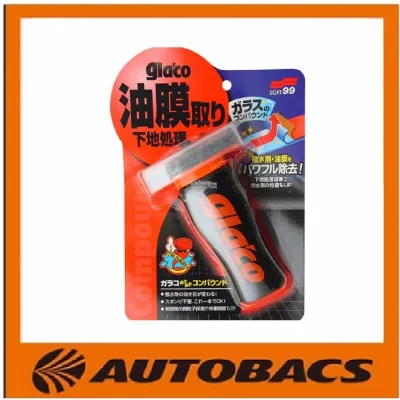
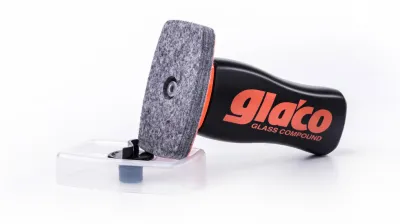
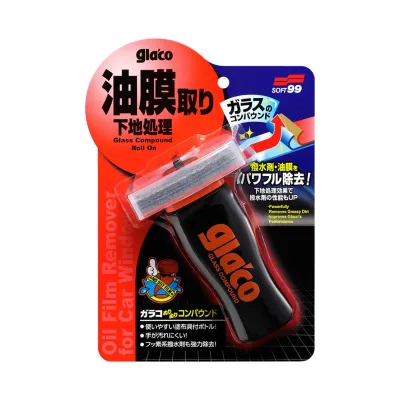
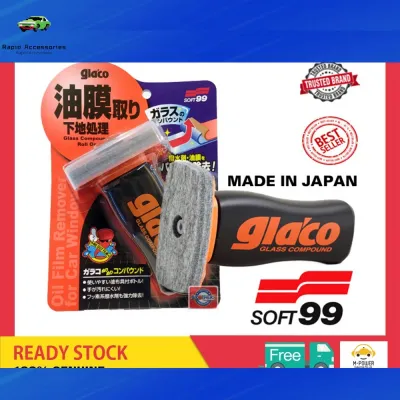
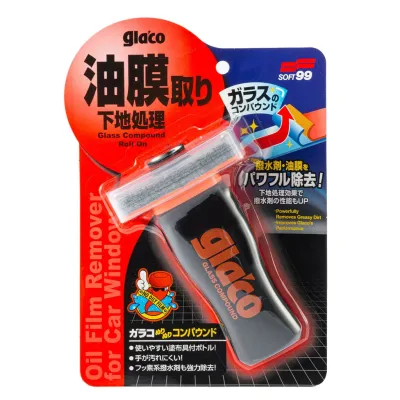
Glass Compound Polish (e.g., Glaco Glass Compound)
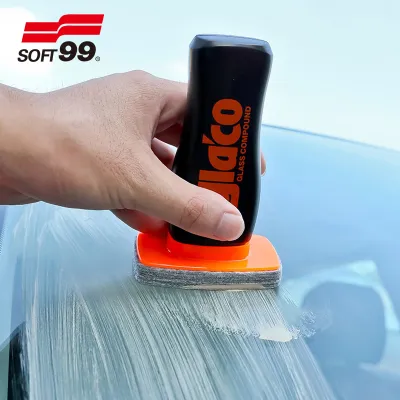
A glass compound polish, such as the widely recognized glaco glass compound, is formulated specifically to tackle the stubborn contamination that standard glass cleaners cannot remove. These products combine mild chemical cleaning agents with specialized microscopic abrasives designed specifically for automotive glass. When scrubbed onto the windshield, the physical abrasives mechanically shear away bonded mineral spots (water spots), traffic film, road salt, and stubborn silicone residues from previous car washes.
In addition to deep-cleaning the surface, many modern glass compounds deposit a temporary fluoropolymer or silicone-based hydrophobic layer during the polishing process. This dual-action mechanism cleans and protects simultaneously. By stripping the glass down to its bare, pristine state and immediately sealing it, these compounds restore optical clarity and ensure that rainwater beads up and slides off rapidly. This makes them an excellent restorative choice for older vehicles or windshields showing signs of heavy weathering and oil film buildup.
Automotive Glass Wax
Automotive glass waxes utilize traditional carnauba wax or synthetic polymer formulas to create a temporary hydrophobic barrier. Unlike compounds, a standard glass wax does not contain heavy abrasives to deep-clean or strip the glass. Instead, it is designed to be wiped onto a clean surface, where it fills in the microscopic pores of the glass, creating an ultra-smooth, flat plane that forces water to bead and roll away.
While applying a glass wax is incredibly straightforward—often requiring nothing more than a simple wipe-on, haze, and buff-off routine—its durability is highly limited. Wax molecules do not chemically bond to the glass; they merely sit on top of the surface. Consequently, the protective layer is highly vulnerable to degradation. Intense ultraviolet (UV) radiation, high ambient temperatures, harsh windshield washer fluids, and the constant mechanical friction of wiper blades will quickly wear the wax away, typically requiring reapplication every few weeks to maintain any noticeable water-beading effect.
Ceramic Glass Coating
Ceramic glass coatings represent the most advanced chemical protection available for automotive glass. These formulations utilize silicon dioxide (SiO2) or fluorinated silane compounds that form a semi-permanent covalent bond directly with the silica in the glass itself. Once applied and cured, the coating becomes an integral part of the glass surface rather than a temporary top layer.
This chemical bonding process creates an exceptionally slick, hydrophobic barrier that is highly resistant to chemical degradation, extreme heat, and mechanical wear. Rainwater sheets off the windshield at relatively low driving speeds, often reducing the need to use wiper blades during steady highway cruises. However, because ceramic coatings bond so tightly to the surface, they will permanently trap any underlying contamination, oil film, or water spots if the glass is not perfectly prepared beforehand. Any trapped imperfections can cause severe optical distortion, hazing under headlights, or uneven wiper performance.
Head-to-Head Comparison: Durability, Effort, and Cost
Choosing between these treatments requires a closer look at how they perform in real-world conditions, the amount of labor they demand, and their overall financial impact.
Durability and Longevity
The lifespan of your windshield treatment dictates how often you must spend time maintaining it. Traditional glass waxes sit at the bottom of the spectrum, usually lasting between two to four weeks under typical driving conditions. A dedicated glass compound polish offers a substantial step up, generally maintaining its hydrophobic properties for two to four months, depending on how frequently you use your windshield wipers and park outdoors. Ceramic glass coatings are the clear leaders in durability, with high-quality formulations lasting anywhere from six months to over a year. This longevity is highly beneficial in tropical climates where heavy seasonal downpours and intense daily sunlight accelerate the degradation of weaker sealants.
Application Effort and Curing Requirements
The effort required to apply these treatments varies dramatically. Glass wax is the easiest to apply, requiring only a clean microfiber applicator and a few minutes of buffing, with zero curing time needed before driving. A glass compound polish demands more physical effort, as you must firmly scrub the paste or liquid across the glass in overlapping circular motions to mechanically agitate and clean the surface. However, it requires no curing time and can be rinsed off immediately.
Ceramic coatings demand a highly meticulous, multi-step application process. The glass must undergo comprehensive washing, claying, polishing, and a final chemical panel wipe to remove all traces of polishing oils. The coating must then be applied in precise crosshatch patterns, leveled carefully to prevent high spots, and allowed to cure in a dry, sheltered environment—often for 12 to 24 hours—before the vehicle can be exposed to moisture or rain.
Cost Evaluation and Long-Term Value
When evaluating cost, it is helpful to look at both the initial purchase price and the long-term value. Traditional glass waxes are highly economical, with bottles typically costing under S$15 and lasting for dozens of applications. Glass compounds, such as a glaco glass compound, generally fall into a moderate price band of S$20 to S$40. Given their dual-action cleaning and protecting capabilities, they offer excellent value for DIY enthusiasts.
Ceramic coatings are the most expensive option. DIY ceramic coating kits specifically formulated for glass typically range from S$40 to S$80, while professional detailing services can charge anywhere from S$150 to over S$300 for a full multi-stage glass polish and ceramic application. While the upfront cost of ceramic is high, its long-term value is significant for drivers who want to minimize maintenance frequency and enjoy consistent, long-lasting wet-weather visibility.
Wiper Compatibility and the Risk of Chatter
A critical but frequently overlooked aspect of windshield treatments is how they affect your wiper blades. Windshield wipers are designed to slide smoothly across bare, clean glass. Introducing a hydrophobic layer alters the friction coefficient of the surface. If a treatment is applied unevenly, or if the product is naturally thick and sticky, the wiper blades may struggle to glide smoothly. This results in “wiper chatter”—a noisy, irritating skipping motion that can leave behind dangerous streaks and accelerate wiper wear.
Traditional waxes are highly prone to causing chatter because they leave a relatively soft, thick residue that can transfer to the wiper rubber. Ceramic coatings can also cause chatter if they are not perfectly leveled during application or if the wiper blades themselves are old and hardened. Glass compounds generally present the lowest risk of wiper chatter because they strip away the uneven road grime and leave behind a very thin, uniform polymer layer. To minimize the risk of chatter with any treatment, always ensure your wiper blades are clean, supple, and free of dry rot.
| Treatment Type | Longevity | Prep Effort | Upfront Cost | Primary Benefit | Wiper Chatter Risk |
|---|---|---|---|---|---|
| Glass Wax | Short-term (2-4 weeks) | Low | Low (Under S$15) | Quick, easy application | High |
| Glass Compound | Medium-term (2-4 months) | Moderate | Moderate (S$20-S$40) | Deep cleans and protects | Low |
| Ceramic Coating | Long-term (6-12+ months) | High | High (S$40-S$150+) | Maximum durability and slickness | Moderate |
How to Choose Based on Your Routine and Budget
Selecting the right windshield treatment requires balancing your personal car care routine, your budget, and the specific driving conditions you face. By analyzing how much time you are willing to invest in maintenance, you can easily identify the ideal match.
- Choose Glass Compound if: You want an efficient, two-in-one product that deep-cleans and protects in a single session. This option is highly suited for drivers who regularly face heavy tropical rainstorms and prefer a straightforward maintenance routine every few months. If your windshield currently suffers from stubborn water spots, road film, or wiper marks, a glaco glass compound will restore optical clarity while providing immediate water-beading performance without the need for complex curing steps.
- Choose Wax if: You are working with a limited budget, already own a high-quality glass cleaner, and do not mind dedicating ten minutes every few weeks to reapply protection. Glass wax is a practical choice for car owners who enjoy washing their vehicles weekly and want a quick, temporary boost in water repellency with minimal physical scrubbing.
- Choose Ceramic Coating if: You prioritize maximum longevity, drive extensively on expressways in all weather conditions, and want a "set-and-forget" solution. This path is ideal if you are willing to invest several hours in rigorous glass decontamination—or pay a professional detailer—to ensure a flawless chemical bond. The exceptional water-sheeting properties at highway speeds make it a premium choice for long-term driving safety.
- Verify First if: Your current wiper blades are worn, hardened, or showing signs of cracking. Regardless of which treatment you choose, applying a hydrophobic barrier to your windshield will amplify any underlying wiper issues. If your wipers are old, they are highly likely to skip, squeak, or chatter across the newly treated surface. Always inspect and, if necessary, replace your wiper blades with high-quality, coated-glass-compatible blades before applying any hydrophobic treatment.
Crucial Preparation Steps for Any Glass Treatment
The success of any glass treatment—whether it is a simple wax, a glass compound, or a high-end ceramic coating—depends entirely on the quality of your preparation work. No chemical or polymer can form a secure, uniform bond if it is applied over a layer of road grime, traffic film, or embedded mineral deposits. Skipping the preparation phase will inevitably lead to premature product failure, uneven water beading, and severe wiper chatter.
To prepare your windshield correctly, begin with a thorough wash using a dedicated car shampoo to remove loose dirt and dust. Next, use a specialized glass stripper or oil-film remover to break down stubborn road oils, grease, and old wax residues. For deeply embedded industrial fallout, tree sap, or overspray, gently run a detailing clay bar across the wet glass using a dedicated clay lubricant or clean soapy water. Run your hand over the glass; it should feel perfectly smooth, like a polished mirror.
Safety & Application Boundaries
When applying these treatments, it is vital to respect safety boundaries to protect your vehicle and maintain optimal driving visibility. Never apply heavy glass waxes or ceramic coatings to the interior of your windshield. Interior glass requires specialized anti-fog products; applying exterior hydrophobic coatings inside will cause severe, dangerous glare from oncoming headlights and permanent smearing that is incredibly difficult to remove.
Additionally, avoid applying these products directly to the rubber elements of your wiper blades, as the chemicals can degrade the rubber compound and cause premature tearing. Before applying any aftermarket glass treatment, always consult your vehicle manufacturer’s guidelines and product labels. This is especially critical for modern vehicles equipped with Advanced Driver-Assistance Systems (ADAS). Many safety cameras are mounted directly behind the upper windshield; certain glass coatings or compounds can interfere with the camera’s optical path or sensor lenses, potentially compromising safety systems. If your vehicle features heated wiper park areas or specialized acoustic glass, verify compatibility with the manufacturer before proceeding.
Frequently Asked Questions (FAQ)
Can I apply a ceramic coating over a glass compound or wax?
No, you should never apply a ceramic coating directly over a glass compound or wax. Ceramic coatings require a completely bare, chemically clean silica surface to establish a durable covalent bond. If you apply a ceramic coating over a wax or a compound residue, the coating will bond to the temporary barrier instead of the glass. This results in poor adhesion, immediate hazing, uneven performance, and premature failure of the coating. If you wish to upgrade to a ceramic coating, you must first strip all existing waxes, sealants, and compounds using a dedicated glass polish or an isopropyl alcohol (IPA) panel wipe.
Why do my wipers chatter after applying a glass treatment?
Wiper chatter is a common issue typically caused by uneven product application, leftover residue, or an abrupt change in the friction coefficient of the glass. If a wax or ceramic coating is applied too thickly or is not buffed completely flat, the wiper blade rubber will catch on the high spots, causing it to skip and squeak. To resolve this, thoroughly buff the windshield with a clean, damp microfiber cloth to level any high spots. If the chatter persists, clean your wiper blades with a mild soap solution, check for wear, and consider replacing them with silicone-based or coated-glass-compatible wiper blades that are designed to glide smoothly over hydrophobic surfaces.
Is it safe to use these treatments on side mirrors and rear windows?
Yes, applying these hydrophobic treatments to your side mirrors, side windows, and rear glass is highly safe and exceptionally beneficial. Because side mirrors and side windows do not have wiper blades to clear away rain, they rely entirely on wind flow and gravity to shed water. A high-quality hydrophobic treatment will cause rainwater to sheet off immediately, dramatically improving your side-view visibility and reducing blind spots during heavy storms. However, always check your vehicle’s owner’s manual first, particularly if your side mirrors feature specialized anti-glare coatings, integrated heating elements, or surround-view camera sensors that could be affected by chemical applications.
Community discussion
Share your experience or ask a question. Comments are reviewed before publication.