
When deciding how to protect your vehicle’s exterior, it is common to compare specialized products like Glaco, traditional carnauba waxes, and modern ceramic coatings. However, these three products are not mutually exclusive alternatives that compete for the exact same surfaces. Instead, they serve entirely different primary areas of your vehicle and fulfill distinct protective roles.
Glaco is a specialized glass coating engineered specifically for windshields and windows to enhance wet-weather visibility and hydrophobic performance. In contrast, traditional waxes and ceramic coatings are formulated primarily for paintwork and clear coat protection. Choosing the best protection method depends entirely on which part of the vehicle you are treating. A comprehensive car care strategy often combines these products to achieve complete, bumper-to-bumper coverage.
Understanding the Contenders: What Are Glaco, Traditional Wax, and Ceramic Coatings?
Glaco Glass Coating (Fluoropolymer Water Repellents)
Glaco and similar automotive glass coatings rely on fluoropolymers or silicone-based compounds to create a highly slick barrier. Microscopic inspection reveals that even brand-new automotive glass is filled with tiny pores and imperfections that trap water, dirt, and road grime. This specialized coating fills these microscopic pores, creating an ultra-smooth, hydrophobic surface. When rain hits the treated glass, it cannot cling to the surface and instead forms tight, spherical beads. This formulation is engineered specifically to withstand the mechanical friction of wiper blades and environmental exposure on exterior glass surfaces.
Products mentioned in this guide
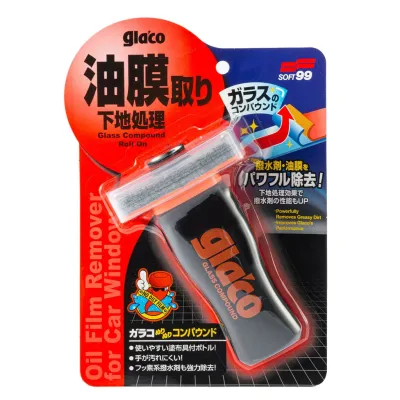
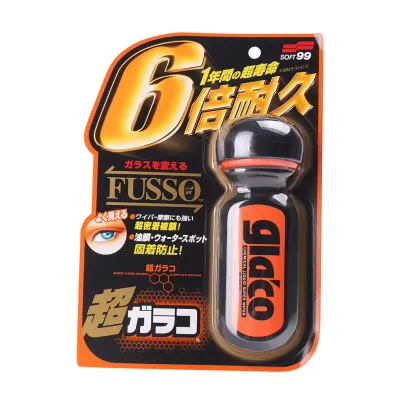
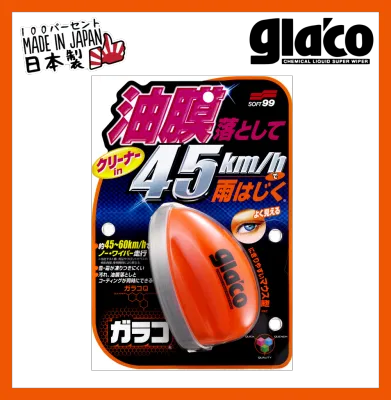
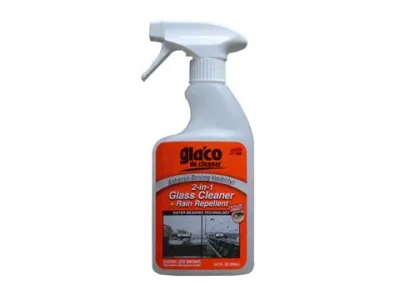
Prices are valid at publication and may change. Please refer to the product page for the latest price.
The chemical structure of fluoropolymers provides exceptional resistance to both friction and chemical degradation. This ensures that the water-repellent effect remains active even after repeated wiper cycles during heavy storms. By reducing the surface tension of the glass, the coating also prevents environmental contaminants like bird droppings, tree sap, and road film from bonding tightly to the surface, making routine glass cleaning significantly easier.
Traditional Waxes (Carnauba and Synthetic Sealants)
Traditional paint protection generally falls into two categories: natural carnauba waxes and synthetic polymer sealants. Natural carnauba wax, harvested from Brazilian palm trees, is prized by enthusiasts for producing a deep, warm gloss and rich reflections. Synthetic polymer sealants are lab-formulated alternatives designed to offer slightly better durability and resistance to heat. Both types of wax sit on top of the clear coat, acting as a temporary, sacrificial barrier against UV rays, light contaminants, and water. Because they do not form a permanent bond with the paint, these waxes naturally degrade over time and require regular reapplication to maintain their protective qualities.
Carnauba wax is particularly favored for show cars and weekend cruisers due to its unique optical properties, which fill minor paint imperfections and create a wet-look finish. Synthetic sealants, on the other hand, utilize cross-linking polymers that bond more tightly to the clear coat than natural wax. While they do not provide the same depth of warmth as carnauba, they offer superior resistance to high temperatures and automated car washes, making them a practical choice for daily drivers.
Ceramic Coatings (SiO2 Paint Protection)
Ceramic coatings utilize silicon dioxide (SiO2) or similar nanotechnology compounds that chemically bond with the vehicle’s clear coat. This chemical reaction creates a hard, semi-permanent protective layer that essentially becomes an extension of the paint itself. The resulting barrier offers superior resistance to chemical etching from bird droppings or tree sap, UV degradation, and light wash marring. While some specialized ceramic products are formulated for glass, plastic trim, or wheels, the term generally refers to high-durability paint protection within the detailing industry.
The nanotechnology behind ceramic coatings allows the active ingredients to penetrate the microscopic pores of the clear coat, forming a highly dense crystalline structure upon curing. This layer is significantly harder than traditional waxes or sealants, providing a measurable shield against fine swirl marks caused by improper washing techniques. Furthermore, the semi-permanent nature of the bond means that the coating cannot be washed away by standard car shampoos or rain, offering continuous protection that lasts for years rather than months.
Key Comparison Dimensions: Durability, Hydrophobics, and Application
Hydrophobic Performance and Water Behavior
Water behavior is a critical performance metric, particularly when driving through heavy tropical downpours. Glaco is optimized for high-speed water shedding on glass surfaces. At typical driving speeds, wind resistance forces water beads to roll off the windshield rapidly, which significantly improves visibility and reduces the need for constant wiper blade usage. This high-speed shedding effect is crucial for maintaining clear sightlines during sudden cloudbursts, allowing drivers to react faster to road hazards.

Ceramic coatings on paintwork exhibit extreme hydrophobicity, causing water to “sheet” and slide off vertical panels easily, which carries away loose dirt and minimizes water spotting. Traditional waxes also create tight, aesthetic water beads on paint, but this hydrophobic effect degrades much faster than that of a ceramic coating or a dedicated glass sealant as the sacrificial wax layer wears thin.
| Protection Type | Primary Surface | Primary Water Behavior | Relative Longevity | Skill Level Required |
|---|---|---|---|---|
| Glaco Glass Coating | Automotive Glass | High-speed water beading & shedding | Moderate (Several months) | Beginner to Intermediate |
| Traditional Wax | Painted Clear Coat | Tight water beading | Low (Weeks to months) | Beginner |
| Ceramic Coating | Painted Clear Coat | Extreme water sheeting & beading | High (Years) | Advanced / Professional |
Longevity and Environmental Resistance
The lifespan of each protection method is highly dependent on environmental exposure, driving conditions, and maintenance habits. Glaco requires periodic reapplication, typically every few months, because the constant physical friction of wiper blades and exposure to road grit slowly wear down the fluoropolymer layer. In areas with high rainfall and frequent wiper usage, the coating on the front windshield may degrade faster than on the side or rear windows.
Traditional wax is the shortest-lasting option among the three. Under intense UV exposure and frequent washing, a standard carnauba wax may last only three to six weeks, while a high-quality synthetic sealant might protect the paint for two to three months before requiring another application. The intense tropical sun can rapidly melt or degrade natural carnauba wax, making it less suitable for vehicles parked outdoors.
Ceramic coatings represent the longest-lasting paint protection available, often enduring for several years when maintained correctly. Their chemical bond resists acidic environmental contaminants, road salt, and harsh detergents, though they still require regular, proper maintenance washes to prevent the microscopic pores from clogging with road film.
Surface Preparation and Application Skill
The ease of application is a major deciding factor for DIY car owners. Glaco and traditional waxes are highly accessible DIY tasks that require only basic cleaning, claying, and drying before application. The process involves wiping the product onto the surface, allowing it to haze, and buffing it off with clean microfiber towels. This low barrier to entry makes them popular choices for car owners who prefer to maintain their vehicles at home.
In contrast, ceramic coatings demand rigorous surface preparation to ensure proper bonding. Any paint defects, swirl marks, or contaminants left on the clear coat will be locked beneath the semi-permanent ceramic layer. Therefore, paint correction (machine polishing), claying, and chemical decontamination are mandatory steps before application.
Furthermore, applying a ceramic coating requires a highly controlled environment. High humidity or direct sunlight can cause the coating to flash too quickly, leaving behind unsightly “high spots” (dark, uneven patches) that can only be removed by machine compounding. Proper curing also requires keeping the vehicle dry for at least 24 hours post-application.
Surface-by-Surface Guide: Where to Apply Each Protection
Windshields, Windows, and Mirrors
Exterior glass requires specialized treatment because it is subject to mechanical wear from wiper blades and must maintain perfect optical clarity. Applying Glaco or a dedicated glass coating to these surfaces dramatically improves driving safety during heavy rain by keeping the glass clear of water pooling. The hydrophobic layer also prevents water spots from baking onto the glass under intense sunlight, which can otherwise cause permanent etching.
Before applying any glass coating, always check the product label and your vehicle’s manufacturer instructions regarding wiper blade compatibility. Some heavy-duty glass coatings can cause wiper blade judder or squeaking if used with worn wipers or specific rubber compounds, meaning you may need to adjust your wiper type or ensure the blades are thoroughly cleaned. If you notice any skipping or noise after application, inspecting the wiper assembly and ensuring the glass is free of residue is a necessary troubleshooting step.
Paintwork, Clear Coat, and Wheels
The vehicle’s painted body panels and wheels are subjected to different types of stress than the glass. Traditional wax is an excellent choice for classic cars, garage-kept vehicles, or enthusiasts who find a therapeutic ritual in detailing their car every few weekends and prefer the deep, warm aesthetic of carnauba. It provides a quick, reversible layer of protection that can be easily stripped and reapplied.
Ceramic coatings are highly recommended for daily commuters parked outdoors, where they provide robust defense against bird droppings, industrial fallout, and UV-induced oxidation. Additionally, wheels and brake calipers benefit immensely from specialized, high-heat resistant ceramic coatings, which prevent hot brake dust from embedding into the wheel finish and make cleaning road grime significantly easier. Applying ceramic protection to wheels also helps resist the harsh road salt and chemicals encountered during daily driving.
Plastic Trim and Rubber Seals
Non-painted exterior surfaces require careful product selection to avoid permanent cosmetic damage. Never apply glass coatings like Glaco or traditional paste waxes to unpainted, porous plastic trim or rubber weather stripping, as these products will dry into a stubborn, unsightly white residue that is exceptionally difficult to remove. This white staining occurs because the wax or glass coating gets trapped in the textured pores of the plastic.
Always consult the product label to verify surface compatibility before application. If you need to protect porous plastics, use a dedicated trim restorer or a specific ceramic trim coating designed to penetrate and bond with plastic without leaving chalky residues. These specialized trim products help restore the deep black color of faded plastics while providing a durable barrier against UV-induced fading and cracking.
Cost and Effort: DIY vs Professional Detailing in Singapore
Understanding the financial and time investment required for each method is essential for car owners in Singapore. Glaco and traditional waxes are highly cost-effective, low-barrier entry points. They are perfect DIY projects that can be easily completed over a weekend in a well-ventilated, shaded area, such as a multi-storey HDB or condo carpark, requiring only basic microfiber cloths, applicators, and a bit of elbow grease. This allows car owners to maintain their vehicles on a budget without professional assistance.
Ceramic coatings, while available in consumer-grade DIY kits, represent a much higher upfront cost and effort. Achieving a professional-grade finish requires extensive paint correction to remove swirl marks, which often necessitates purchasing a dual-action polisher or paying for professional labor. The high humidity and warm temperatures in Singapore can also complicate the DIY application of ceramic coatings, as the product may flash too rapidly, leaving little room for error.
For most car owners, hiring a professional detailing studio in Singapore to apply a ceramic coating is the preferred route. This ensures the vehicle undergoes proper decontamination and machine polishing in a dust-free, climate-controlled environment, which is crucial for the coating to cure correctly under Singapore’s high-humidity conditions. Professional detailers also have access to commercial-grade coatings that offer superior durability and are backed by multi-year warranties.
While the initial cost of a professional ceramic coating is significantly higher than a bottle of wax or glass sealant, the long-term value proposition is strong: it reduces the frequency of detailing sessions and provides years of continuous protection, whereas wax and glass coatings demand ongoing purchases and regular weekend labor.
Decision Framework: Which Method Should You Choose?
To finalize your car care strategy, evaluate your driving habits, storage conditions, and willingness to perform regular maintenance.
- Choose Glaco if: Your primary goal is to enhance wet-weather driving safety, reduce reliance on wiper blades during heavy downpours, and make it easier to clean bugs and road film off your windshield. It is an indispensable addition for anyone driving frequently during the monsoon season.
- Choose Traditional Wax if: You enjoy the hands-on process of detailing your vehicle, have a garage-kept car, and prioritize a deep, warm, show-car gloss over long-term durability. It is perfect for hobbyists who view car care as a therapeutic weekend activity.
- Choose Ceramic Coating if: You drive a daily commuter that is frequently parked outdoors, want maximum protection against environmental contaminants, and prefer a low-maintenance, long-lasting solution. It is the ideal choice for busy car owners who want to protect their investment with minimal effort.
- Combine Them if: You want the ultimate, comprehensive protection strategy. Apply a ceramic coating to your paintwork and wheels, use Glaco on all exterior glass surfaces, and apply dedicated trim sealants to your plastic moldings. This multi-product approach ensures every surface receives specialized, optimal protection.
- Verify First if: Your car's paintwork has deep scratches, oxidation, or clear coat failure. Protective coatings and waxes cannot repair damaged paint; they will only seal in the defects and make them more visible. Always inspect your vehicle's paint condition and, if necessary, consult a professional detailer to perform paint correction before applying any protective layer.
Frequently Asked Questions (FAQ)
Can I apply Glaco to my car's paintwork?
No, you should not apply Glaco to your car’s painted surfaces. Glaco is chemically formulated strictly for glass surfaces, relying on chemical bonds that interact with the silica in glass. Applying it to paint can result in an uneven, hazy finish, is highly difficult to buff off, and will not provide the intended protective or hydrophobic benefits. Always check the applied product’s label for authorized uses, and if you accidentally apply it to paint, consult the manufacturer’s instructions for safe removal rather than attempting to scrub it off with abrasive materials.
Do I need to polish before applying wax or ceramic?
While polishing is optional but highly recommended before applying traditional wax, it is a mandatory step before applying a ceramic coating. Polishing removes microscopic scratches, swirl marks, and oxidation, ensuring the paint surface is perfectly smooth. For ceramic coatings, this step is critical because the coating chemically bonds with the clear coat; any contaminants or defects left on the paint will be locked beneath the hard glass layer, making them impossible to correct without polishing off the entire coating. If you apply a coating over contaminated paint, the bond will be compromised, leading to premature failure.
How do I safely remove old coatings before reapplication?
To safely remove old wax or synthetic sealants, you can use a dedicated wax-stripping car wash shampoo or a mild isopropyl alcohol (IPA) wipe-down after washing. Removing old Glaco or other glass coatings requires a specialized glass compound polish or an abrasive glass cleaning sponge designed specifically for automotive glass to strip the worn fluoropolymer layer. Always check the treated item’s manufacturer instructions and the product label before using any chemical strip wash, and avoid harsh household detergents that can dry out rubber seals or damage your clear coat. If in doubt, consult a professional detailer to avoid scratching the surface.
Community discussion
Share your experience or ask a question. Comments are reviewed before publication.