
When shopping for a GIVI helmet in Singapore, your budget determines the shell materials, comfort features, and aerodynamic refinements you will receive. Entry-level options focus on basic open-face or thermoplastic designs for short city commutes, mid-range models introduce drop-down sun visors and moisture-wicking liners for daily riding, and premium helmets offer lightweight composite shells and advanced ventilation for long-distance touring. Understanding what each price tier delivers allows you to allocate your funds effectively while ensuring your gear matches your specific riding habits.
By analyzing your daily routes, typical speeds, and comfort preferences, you can avoid overpaying for features you do not need or underinvesting in comfort elements that make a daily commute bearable. This guide breaks down what to expect at each budget level so you can make an informed, practical decision.
Establishing Your Safety Baseline and Riding Profile
Before filtering GIVI helmets by price, you must identify your non-negotiable safety requirements and primary riding scenarios. Never compromise on basic protection; instead, use safety standards as the foundation of your decision-making process.
Products mentioned in this guide
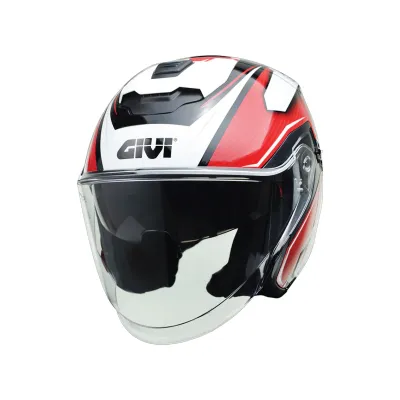
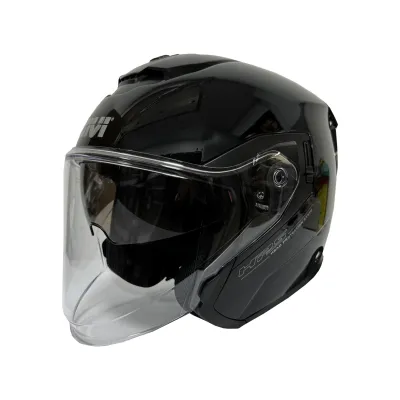
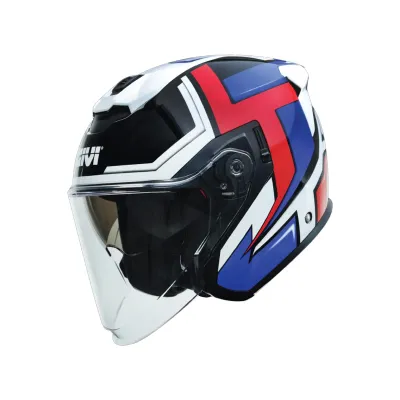
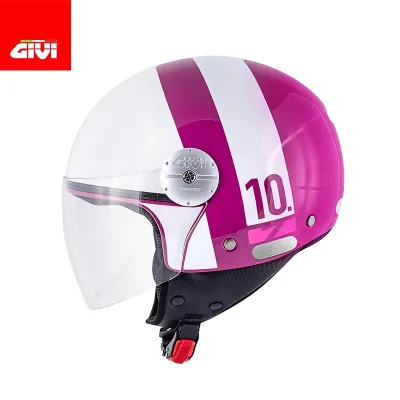
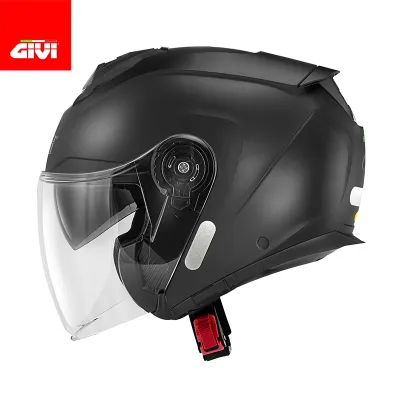
Prices are valid at publication and may change. Please refer to the product page for the latest price.
Always verify mandatory and recognized safety certifications directly on the helmet label and packaging. In Singapore, helmets used on public roads must comply with local safety standards, which are verified via the batch test label system, alongside recognized international certifications such as ECE 22.05 or ECE 22.06. Checking for these physical labels ensures the helmet has undergone rigorous impact and penetration testing.
Match the helmet style to your typical riding environment. Open-face helmets offer maximum ventilation and a wider field of view, making them highly popular for dense, low-speed city commuting. Conversely, full-face or modular designs provide superior chin protection and wind isolation, which are essential for high-speed highway travel or longer journeys.
Determine which features are essential versus optional based on your daily ride duration, typical speeds, and weather exposure. If you ride daily through unpredictable tropical downpours or intense afternoon sun, features like integrated sun visors or anti-fog lens compatibility transition from luxury upgrades to daily necessities.
Entry-Level GIVI Helmets: Core Protection for Short Commutes
Entry-level GIVI helmets are designed to provide reliable, basic protection for riders covering short distances or operating within urban speed limits. These models prioritize essential safety and straightforward functionality over advanced comfort technologies.

At this budget tier, you will primarily find standard open-face or basic full-face designs. These models are typically constructed with ABS (Acrylonitrile Butadiene Styrene) or standard thermoplastic shells, which are highly impact-resistant but inherently heavier than advanced composite materials.
Expect straightforward, functional features. Ventilation systems are usually basic, consisting of manual open-and-close ports on the forehead and chin, paired with standard clear visors and simple fastening mechanisms like micrometric quick-release buckles or classic D-rings.
Choosing an entry-level model involves accepting certain practical trade-offs. These helmets often feature a heavier overall shell weight, simpler non-removable interior padding that requires more effort to clean, and higher levels of wind noise when traveling at elevated speeds. For short trips to the local market or neighborhood transit stations, however, these trade-offs are highly manageable.
Mid-Range GIVI Helmets: Balanced Comfort for Daily and Weekend Rides
Stepping up to a mid-range GIVI helmet unlocks significant upgrades in comfort, materials, and convenience, making them ideal for daily commuters and weekend tourers who spend hours on the road.
In this tier, look for advanced thermoplastic or entry-level composite shells. These materials offer better weight distribution across the head, which directly reduces neck strain during longer periods in the saddle.
Interior comfort receives a substantial boost. Mid-range models typically feature fully removable and washable interior liners crafted from moisture-wicking fabrics. This is a crucial feature for managing sweat and maintaining hygiene in Singapore’s humid tropical climate.
You will also find added conveniences that improve daily usability. These include integrated drop-down inner sun visors to combat sudden glare, Pinlock-ready outer face shields to prevent fogging during heavy rain, and quick-release visor mechanisms that simplify routine cleaning and maintenance.
Premium GIVI Helmets: Advanced Engineering for Touring and Performance
Premium GIVI helmets represent the brand’s highest level of engineering, tailored for dedicated long-distance riders, touring enthusiasts, or those seeking maximum performance and minimal fatigue.
These high-end models utilize lightweight composite, fiberglass, or carbon-fiber shells. These advanced materials are engineered specifically to minimize overall weight while maintaining exceptional structural integrity, significantly reducing rider fatigue during long hours of continuous riding.
Aerodynamics and climate control are highly refined. Premium helmets feature shell shapes optimized in wind tunnels to minimize buffeting at high speeds, extensive multi-channel ventilation systems that pull hot air out of the helmet efficiently, and premium anti-bacterial interior fabrics.
Safety and utility features are also highly advanced. Look for integrated communication system readiness with dedicated speaker pockets, emergency cheek pad release systems designed for first responders, and optically correct visors that eliminate visual distortion across your entire field of view.
Hidden Costs and Pre-Purchase Verification Checklist
When planning your helmet budget, it is essential to account for potential hidden costs and verify the product before finalizing your purchase. The sticker price of the helmet is often only the starting point of your investment.
Factor in the cost of essential add-ons that may not be included in the base package. Accessories like Pinlock anti-fog inserts, tinted or mirrored visors, and Bluetooth communication mounts can add to your total expenditure if purchased separately.
Verify the seller’s authorization and warranty terms to protect yourself against counterfeit products. When browsing e-commerce platforms or online marketplaces, ensure the seller is an authorized dealer who can provide a valid local warranty and genuine replacement parts.
Always plan for a physical fitting session before buying. Head shape compatibility cannot be determined by specifications alone, so you must physically try on the helmet to check for uncomfortable pressure points on your forehead or temples, proper cheek tightness, and a secure overall fit that does not shift when you move your head.
Frequently Asked Questions (FAQ)
How do I know if a budget GIVI helmet is authentic?
To verify the authenticity of a GIVI helmet, check for official holographic stickers, serial numbers, and safety certification labels permanently affixed inside the helmet shell or on the chin strap. Compare the packaging quality, user manuals, and included accessories against the manufacturer’s official specifications. To guarantee legitimacy and ensure your warranty remains valid, purchase only from authorized physical dealers or verified official stores on online marketplaces.
Can I upgrade the visor or padding on an entry-level GIVI helmet later?
Upgrading an entry-level GIVI helmet depends heavily on the specific model’s design. Confirm visor mechanism compatibility before purchasing tinted or Pinlock-ready shields, as budget models often use simpler, proprietary mounting systems that do not support premium accessories. Check if the manufacturer offers thicker or replacement cheek pads for your exact model to fine-tune the fit over time. Never attempt to modify the helmet shell or drill holes for aftermarket accessories, as this immediately voids the warranty and compromises structural integrity.
Is it better to buy a mid-range helmet on sale or a premium helmet at full price?
When choosing between a discounted premium helmet and a full-price mid-range model, prioritize checking the manufacturing date. Avoid heavily discounted helmets that are approaching or past their recommended five-year lifespan, as helmet materials degrade over time regardless of use. Evaluate whether the premium features, such as lighter carbon-fiber shells or advanced aerodynamics, genuinely align with your actual riding frequency and route types. Finally, ensure any discounted helmet still includes all original accessories, manuals, and a valid, unexpired warranty card from an authorized source.
Community discussion
Share your experience or ask a question. Comments are reviewed before publication.