
Deciding between genuine leather and synthetic leather seat covers for your Cadillac depends on your budget, your willingness to perform regular maintenance, and how you manage the intense tropical heat. Genuine leather offers an authentic, premium feel and develops a rich patina over time, but it demands strict, routine conditioning to prevent drying and cracking in hot, humid climates. Conversely, synthetic leather—often made of high-grade polyurethane—provides excellent durability, effortless cleaning, and a lower initial cost, making it highly practical for daily commutes and families, though it lacks the natural breathability of real hide.
Core Comparison: Durability, Comfort, and Maintenance
Durability and Wear Resistance
Genuine leather is highly resilient and can easily last for decades, but its longevity is strictly conditional on proper maintenance. Because it is an organic material, it remains susceptible to scratches from pet claws, sharp keys, or metal rivets on clothing, and it will inevitably dry out and crack if neglected in a hot vehicle.
High-quality synthetic leather, such as premium vinyl or polyurethane (PU), generally offers superior out-of-the-box resistance to scratches, stains, and ultraviolet (UV) fading. It does not dry out like organic skin, meaning it resists the intense solar radiation typical of outdoor parking. However, lower-tier synthetic options are prone to peeling, flaking, or delaminating over time as the adhesive backing degrades under high temperatures.
Products mentioned in this guide
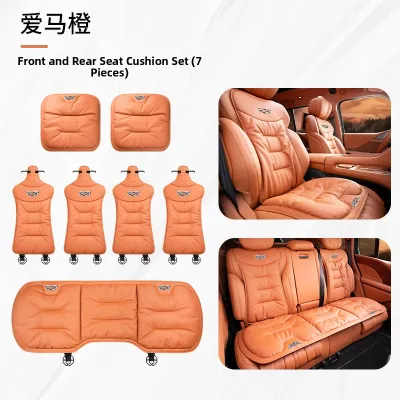
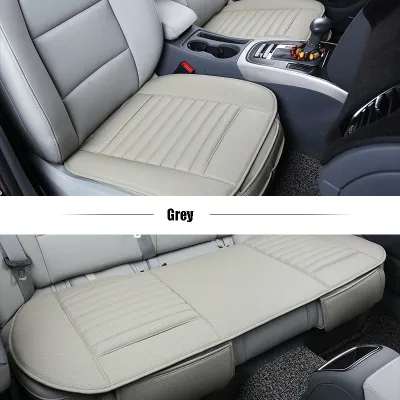
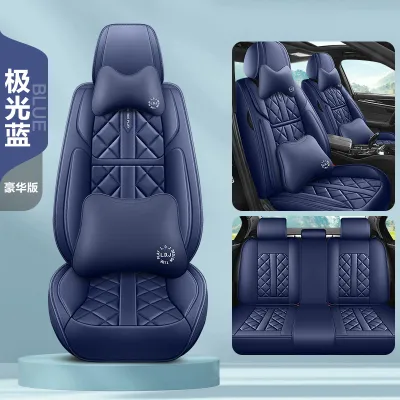
Prices are valid at publication and may change. Please refer to the product page for the latest price.
When shopping for aftermarket covers, you should look beyond generic marketing terms. Check the manufacturer’s technical specifications for verified abrasion resistance ratings (such as Wyzenbeek or Martindale double-rub cycles) and explicit UV-resistance certifications to ensure the material can withstand long-term exposure.
Comfort and Climate Adaptability
The tropical climate of Singapore presents a unique challenge for automotive upholstery, where high humidity and intense sunshine can turn a car interior into an oven. Genuine leather possesses natural pores that allow it to breathe and adapt to your body temperature, providing a cooler seating surface once the air conditioning is running. However, if your Cadillac is parked in direct sunlight without high-quality window tinting or windshield shades, genuine leather can absorb significant heat, becoming uncomfortably hot to the touch.
Standard synthetic leather lacks these natural pores and tends to trap both body heat and ambient moisture. During long drives in humid conditions, this can result in a sticky, sweaty experience for passengers.
To mitigate this heat retention, you should verify if the synthetic seat covers feature engineered perforations, integrated mesh inserts, or specialized cooling backing materials designed to facilitate airflow. If your Cadillac is equipped with factory ventilated seats, choosing a non-perforated synthetic cover will completely block the airflow, rendering the ventilation system useless.
Maintenance and Cleaning Requirements
Preserving the luxurious look of genuine leather requires a dedicated, multi-step maintenance routine. You must commit to regular vacuuming to remove abrasive dirt from the seams, followed by the application of pH-balanced leather cleaners and high-quality conditioners every few months to maintain the hide’s natural moisture and flexibility.
In contrast, synthetic leather is exceptionally low-maintenance and highly forgiving of daily mishaps. Most spills, dirt, and mud can be cleaned simply by wiping the surface with a damp microfiber cloth and a mild, diluted soap solution.
Regardless of which material you choose, you must avoid using harsh household chemicals, bleach, alcohol-based sanitizing wipes, or stiff abrasive brushes, as these can permanently strip the protective topcoat of both genuine and synthetic materials. Always consult the specific care label provided by the seat cover manufacturer and test any cleaning product on a small, hidden area first.
Aesthetics, Smell, and Premium Feel
The sensory experience is often the deciding factor for Cadillac owners who appreciate the brand’s heritage of luxury. Genuine leather delivers a distinct, rich aroma, unique grain variations, and a soft, supple hand-feel that cannot be perfectly replicated by synthetic alternatives. As it ages, real leather develops a personalized patina, reflecting the character and usage of the vehicle.
Synthetic leather offers a highly uniform grain, consistent color matching, and a clean, modern aesthetic. While high-end synthetic options can closely mimic the look of real leather, they generally lack the signature scent and can feel slightly more rubbery or artificial to the touch.
To maintain a cohesive look, you should choose a seat cover material and color that harmonizes with your Cadillac’s existing interior trim, such as the dashboard, door panels, and center console materials, ensuring the aftermarket addition does not clash with the factory design.
Safety and Fitment: Airbags, Sensors, and Installation
When upgrading your Cadillac’s interior, safety must remain your absolute priority. Front seats in modern Cadillac vehicles are equipped with integrated side-impact airbags designed to deploy instantly from the outer bolsters during a collision. Installing an incompatible seat cover can delay or entirely block airbag deployment, posing a severe safety risk to occupants. You must strictly verify that any aftermarket seat cover is explicitly certified as “airbag-compatible,” featuring specialized tear-away stitching or precise cutouts designed to rupture under the force of an deploying airbag.

Furthermore, Cadillac seats are sophisticated systems often featuring integrated heating elements, cooling ventilation fans, multi-point massage mechanisms, and active side bolsters that adjust during cornering. Thick, heavy, or non-breathable seat covers can insulate these thermal elements, causing overheating or reduced performance, and can physically restrict the movement of active bolsters. Additionally, heavy or tightly strapped covers might interfere with the occupant classification system (OCS) sensors in the passenger seat, which detect passenger weight for airbag deployment. Before purchasing, check the manufacturer’s compatibility list to confirm the covers are designed to work alongside these specific original equipment manufacturer (OEM) electronic features.
The physical installation process also carries distinct requirements based on the cover type. While basic, universal slip-on covers can be installed as a DIY project, custom-fit leather covers designed to replace or tightly wrap the factory upholstery require precise tensioning and alignment. Professional installation by a qualified automotive upholsterer is highly recommended for luxury vehicles to ensure that safety tethers are securely anchored, seatbelt buckles remain fully accessible, and electronic adjustment controls are not obstructed. If the seat cover installation instructions conflict with your Cadillac owner’s manual regarding seat modifications or airbag clearance, stop immediately and consult a professional.
Budget and Long-Term Value Assessment
Genuine leather seat covers represent a premium upfront investment. The higher cost reflects the extensive sourcing, tanning, and precise hand-crafting required to produce high-grade hides. Beyond the initial purchase, you must also budget for specialized leather care products, such as pH-balanced conditioners, and potentially professional detailing services over the vehicle’s lifespan to keep the leather from deteriorating.
Synthetic leather covers serve as a highly cost-effective alternative, offering a comparable luxury aesthetic at a fraction of the price. The ongoing cost of ownership is virtually non-existent, as they require no specialized chemical treatments or conditioning oils to maintain their structural integrity.
When calculating long-term value, you should weigh the initial purchase price against your planned ownership duration of the Cadillac. If you plan to keep the vehicle for many years and are willing to invest the time in regular maintenance, genuine leather can preserve or even enhance the cabin’s resale appeal. However, if you use your vehicle as a daily commuter, frequently transport pets or young children, or prefer a set-and-forget solution, synthetic leather provides superior practical value and wear resistance per dollar spent.
Decision Framework: Which Seat Cover Should You Choose?
To make the final decision for your Cadillac, evaluate your lifestyle, driving habits, and maintenance preferences against these clear guidelines.
Choose Genuine Leather if:
- You prioritize sensory luxury: You demand the authentic sensory experience of real leather, including its natural scent, unique grain patterns, and soft tactile feel.
- You commit to regular care: You are committed to a regular maintenance routine, including vacuuming and applying specialized conditioners every three to six months.
- You want long-term character: You want an investment that ages beautifully, developing a rich patina that enhances the luxury character of your Cadillac over several years.
Choose Synthetic Leather if:**
- You need high durability: You require a highly durable, scratch-resistant, and spill-proof barrier to protect your seats from pets, children, or heavy daily use.
- You prefer low maintenance: You prefer a low-maintenance, easy-to-clean solution that only requires an occasional wipe with a damp cloth.
- You are budget-conscious: You want a cost-effective upgrade that delivers a clean, uniform, and modern aesthetic without a premium price tag.
Verify First if:
- You have advanced seat features: Your Cadillac features specialized seat functions like ventilation, heating, massage, or active bolsters, which require compatible cover designs.
- You plan to install them yourself: Ensure you have the necessary tools and that the product does not obstruct side-impact airbag deployment paths or OCS sensors.
- Your vehicle faces harsh sun exposure: Your vehicle is frequently parked outdoors in intense tropical sunlight, making UV-resistant material specifications a critical requirement.
Frequently Asked Questions (FAQ)
Will synthetic leather damage my Cadillac's original seats?
High-quality, breathable synthetic seat covers generally act as an excellent protective barrier, shielding your original factory upholstery from wear, spills, and UV damage. However, low-quality, completely non-breathable synthetic covers can trap moisture, sweat, and humidity between the cover and the original seat material. In humid climates like Singapore, this trapped moisture can create an ideal environment for mold growth or accelerate the degradation of the factory leather underneath. To prevent this, always choose synthetic covers that feature a breathable, soft backing material, such as non-woven fabric or foam, and ensure the seats are completely dry before installation.
Can I install custom-fit leather seat covers myself?
While simple, elastic-banded slip-on covers can be easily installed at home, true custom-fit leather covers designed to replicate factory upholstery are highly complex. Achieving a tight, wrinkle-free finish requires specialized tools, such as hog ring pliers, and a thorough understanding of seat disassembly. Improper DIY installation can lead to loose material that shifts during driving, blocked electronic controls, or compromised airbag seams. For luxury vehicles like a Cadillac, professional installation is strongly recommended to guarantee safety compliance and a flawless aesthetic finish.
How do I handle liquid spills on genuine vs synthetic leather?
The immediate response to a liquid spill depends heavily on the seat cover material. If you spill liquid on genuine leather, you must blot the area immediately with a clean, dry microfiber cloth—avoid rubbing, which can push the liquid deeper into the pores. Follow up with a dedicated, leather-safe cleaner to prevent permanent staining or water spots. Synthetic leather is far more forgiving; because it is non-porous, liquids will pool on the surface rather than soaking in. You can simply wipe the spill away with a damp cloth and mild soap, though you should still clean it promptly to prevent liquid from seeping through the stitched seams.
Community discussion
Share your experience or ask a question. Comments are reviewed before publication.