
Upgrading your BMW’s interior with a steering wheel cover is an effective way to protect the original factory leather, improve your daily grip, and enhance the cabin’s overall aesthetic. The choice between genuine leather and polyurethane (PU) leather ultimately depends on how you balance tactile feedback, long-term durability, maintenance effort, and upfront cost. While genuine leather offers a classic, breathable feel that matures over time, PU leather provides a highly consistent, cost-effective, and low-maintenance alternative. Understanding how these materials perform under daily driving conditions is essential for making an informed decision that complements your vehicle’s premium interior.
Material Basics: Genuine vs PU Leather for Steering Wheels
To make an informed choice, it is helpful to understand the structural differences between these two popular materials. Genuine leather used for automotive accessories typically falls into categories like top-grain or split leather. Top-grain leather comes from the outer layer of the hide, retaining the natural pore structure, which allows the material to breathe and develop a unique patina over time. Split leather, derived from the lower layers of the hide, is often embossed or coated to mimic top-grain textures. Both types offer the natural elasticity and scent associated with authentic hide products, though top-grain remains the premium standard for tactile feedback.
In contrast, PU leather is an entirely synthetic product. It consists of a backing layer—typically made of polyester, cotton, or split leather—coated with a flexible layer of polyurethane plastic. This manufacturing process allows producers to create a highly uniform surface that can be embossed with various grain patterns, including those that closely resemble high-end automotive leather. Because of its synthetic nature, PU leather does not possess natural pores, making it highly resistant to moisture but less breathable than its genuine counterpart.
Products mentioned in this guide
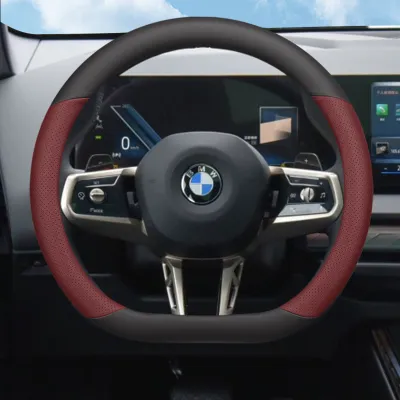
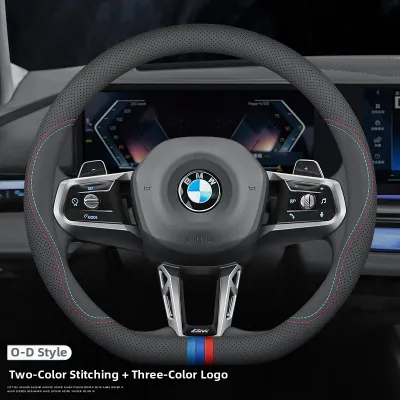
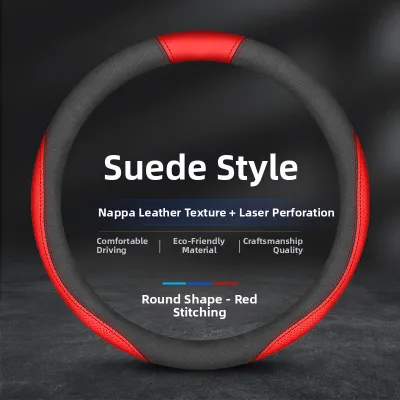
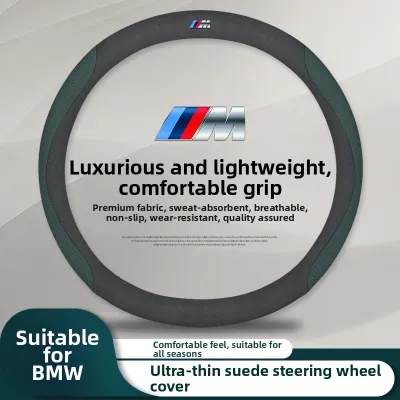
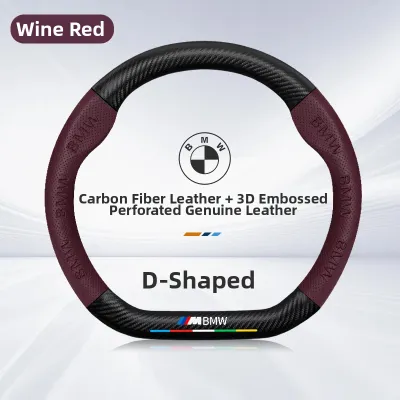
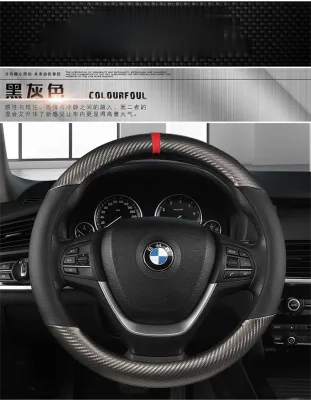
Prices are valid at publication and may change. Please refer to the product page for the latest price.
When shopping for a BMW steering wheel cover, it is crucial to look past ambiguous marketing terms. Phrases like “premium leather,” “eco-leather,” or “leatherette” are frequently used to describe synthetic materials. To ensure you know exactly what you are purchasing, always verify the product tags, material composition lists, and official manufacturer specifications. Genuine leather products should explicitly state their origin and cut, while synthetic options should clearly list polyurethane or faux leather in their material disclosures.
Tactile Feel, Grip, and Temperature Response
The physical sensation of holding the steering wheel is one of the most direct connection points between a driver and their BMW. Genuine leather is highly regarded for its natural texture, which offers a subtle, organic grip that actually improves as the material breaks in. Initially, a genuine leather cover may feel slightly stiff, but with regular use, it molds to the contours of your hands and the steering wheel itself, creating a personalized fit. This material also breathes naturally, which helps reduce palm sweat during spirited driving or long commutes.

PU leather, on the other hand, provides a highly consistent feel from the very first day. Because it is manufactured under controlled conditions, there is no break-in period required, and the texture remains uniform across the entire surface of the cover. However, because synthetic polyurethane lacks natural breathability, it can sometimes feel slightly slick or rubbery under heavy use, particularly if your hands tend to sweat.
Temperature response is another critical factor, especially in warm and humid climates like Singapore. When a vehicle is parked under direct sunlight, the cabin temperature can rise rapidly. Genuine leather tends to dissipate heat more efficiently than synthetic materials, meaning it will feel less scalding to the touch when you first enter the car. PU leather, being a plastic-based compound, tends to absorb and retain heat more intensely, which can make the steering wheel uncomfortably hot to hold initially.
Before finalizing your purchase, it is highly recommended to assess the grip texture, overall thickness, and seam placement of the cover. A cover that is too thick can alter the steering dynamics of your BMW, while poorly placed seams can cause discomfort during long drives. If you are purchasing from an online automotive accessory store where physical inspection is not possible, always verify the seller’s return policy to ensure you can exchange the cover if the tactile feel does not meet your expectations.
Durability, Aging, and Wear Patterns
The long-term performance of a steering wheel cover is heavily influenced by how its material reacts to daily wear and environmental exposure. Genuine leather is exceptionally durable when properly maintained. As it ages, it undergoes a natural oxidation process, absorbing oils from your hands to develop a rich patina. This aging process actually enhances the visual character of the leather rather than degrading it. However, if left completely dry and exposed to intense UV rays, genuine leather can eventually stretch, fade, or develop fine cracks.
PU leather exhibits very different wear patterns over its lifespan. While it is highly resistant to initial staining and moisture, the polyurethane coating is susceptible to degradation from constant friction, hand oils, and UV exposure. Over time, the synthetic layers can begin to separate from the backing material, leading to peeling, flaking, or surface cracking. Once a PU cover begins to peel, the damage is irreversible and typically requires a complete replacement of the cover.
Beyond the primary material, the overall construction quality plays a vital role in the cover’s functional lifespan. When evaluating any steering wheel cover, closely inspect the stitching quality, edge finishing, and backing adhesion. Poorly stitched seams can unravel under the tension of installation or daily steering maneuvers, regardless of whether the material is genuine or synthetic. Additionally, a high-quality non-slip rubber backing is essential to prevent the cover from sliding around the wheel, which poses a significant safety hazard during sudden driving maneuvers.
Maintenance, Cleaning, and Care Requirements
To maximize the lifespan of your steering wheel cover and maintain a hygienic driving environment, establishing a regular, gentle cleaning routine is essential. For both genuine and PU leather, the safest cleaning method involves using a clean, damp microfiber cloth and a mild, pH-neutral soap solution. Gently wipe down the surface to remove accumulated dust, sweat, and hand oils, then dry the cover thoroughly with a separate, dry microfiber cloth. This simple routine prevents buildup without damaging the material’s surface.
It is critical to avoid harsh chemical cleaners, alcohol-based sanitizing wipes, or abrasive scrubbing brushes. Alcohol and strong solvents can quickly strip the protective topcoats from genuine leather, leading to premature drying and cracking. On PU leather, these harsh chemicals can dissolve the polyurethane binders, causing the synthetic surface to become sticky, bubble, or peel prematurely.
When it comes to conditioning, the two materials require completely different approaches. Genuine leather benefits from the occasional application of a dedicated leather conditioner to restore lost moisture and maintain flexibility. However, you must always check the specific cover manufacturer’s care label before applying any aftermarket conditioners, sealants, or UV protectants. Applying leather conditioner to a PU leather cover is ineffective, as the synthetic polyurethane barrier cannot absorb the oils; instead, the product will simply sit on the surface, creating a slick, greasy film that compromises your grip and safety.
Evaluating Value and Cost Considerations
When comparing the financial aspect of these two options, it is helpful to look beyond the initial purchase price. Genuine leather steering wheel covers generally command a price premium, often ranging from S$40 to S$150 or more, depending on the customization level and leather grade. This higher upfront cost should be viewed as an investment in superior tactile feel, breathability, and long-term aging potential, rather than a guarantee of maintenance-free durability.
PU leather covers are significantly more budget-friendly, typically priced between S$15 and S$40. For drivers who prefer a straightforward, low-cost solution and do not mind replacing the cover every few years, PU leather offers excellent short-term value. When evaluating the cost-per-year, a well-maintained genuine leather cover can easily outlast multiple PU covers, potentially making it the more economical choice over several years of vehicle ownership, provided you are willing to invest the time in regular maintenance.
Be cautious of suspiciously low-priced covers marketed as “100% genuine leather” on online marketplaces. Authentic leather cannot be produced or sold at synthetic price points. To avoid counterfeit products, verify the material authenticity by checking the seller’s credentials, examining detailed product photos for natural grain variations, and reading comprehensive buyer reviews. Genuine leather will typically have a distinct, natural scent and slight surface irregularities, whereas synthetic alternatives will smell faintly of chemicals and exhibit a perfectly repeating pattern.
Decision Framework: Which Cover Fits Your Driving Needs?
To finalize your decision, consider how each material aligns with your driving habits, maintenance preferences, and budget.
Choose Genuine Leather if: You prioritize a premium, natural tactile feel that improves with age, appreciate the development of a unique patina, and are fully prepared to perform regular, gentle cleaning and conditioning to preserve the material.
Choose PU Leather if: You prefer a lower upfront cost in S$, want a consistent texture and appearance from day one, and desire a low-maintenance accessory that can be easily wiped clean without the need for specialized conditioners.
Verify First if: The cover claims specific compatibility with your BMW model. Always cross-check the steering wheel’s outer diameter and grip thickness against the cover’s specifications. It is vital to ensure that the cover fits snugly and does not obstruct critical safety features, such as airbag deployment seams, integrated driver-assistance sensors, or paddle shifters.
Stop and Consult if: The installation process requires removing the original steering wheel, involves disconnecting any electrical wiring, interferes with factory heated steering wheel functions, or blocks capacitive touch sensors on the wheel rim. In these scenarios, seek assistance from a qualified automotive technician to ensure your vehicle’s safety systems remain fully operational.
Frequently Asked Questions (FAQ)
Will a leather steering wheel cover interfere with my BMW's heated steering wheel?
Yes, adding any aftermarket cover over your steering wheel can affect the performance of factory-installed heating elements. Because both genuine leather and PU leather act as insulating barriers, they will significantly reduce the rate of heat transfer, meaning it will take longer for the steering wheel to feel warm, and the overall temperature may feel noticeably lower. Before purchasing, check the cover manufacturer’s specifications for heat-transfer compatibility. Additionally, ensure the material is rated to withstand repeated heating cycles without trapping excessive heat, which could potentially degrade the underlying original equipment manufacturer (OEM) leather or damage the internal heating pads.
How do I measure my BMW steering wheel for a custom-fit cover?
To ensure a secure, non-slip fit, you must take two precise measurements using a flexible measuring tape. First, measure the outer diameter by stretching the tape across the widest part of the steering wheel from the outer edge of one side to the outer edge of the opposite side. Second, measure the grip circumference by wrapping the tape tightly around the thickest part of the steering wheel rim. Keep in mind that many modern BMWs feature specialized steering wheel designs, such as flat-bottom M Sport wheels or extra-thick sport grips. These variations require specifically contoured, custom-fit covers rather than standard, universal circular designs to prevent dangerous slipping or bunching during operation.
Community discussion
Share your experience or ask a question. Comments are reviewed before publication.