
Selecting the right truck steering cover is a critical decision for commercial drivers who spend long hours behind the wheel. The choice between genuine leather and suede is not about finding a universally superior material, but rather about matching a cover to your specific cabin environment, hand sweat levels, and maintenance habits. Genuine leather offers a classic, smooth feel, exceptional longevity, and a surface that is easy to wipe clean, making it highly suitable for temperature-controlled cabins. Suede, on the other hand, provides high-friction grip and excellent moisture absorption, which is highly beneficial for drivers who experience sweaty hands or operate in demanding climates. By evaluating how each material handles the daily rigors of heavy-duty driving, you can select a cover that enhances both comfort and control.
What Truck Drivers Need from a Steering Cover
Commercial truck driving places unique physical demands on both the driver and the vehicle’s interior components. Unlike passenger cars, heavy-duty trucks are operated for extended shifts, meaning the steering wheel is subjected to constant friction, pressure, and skin oil exposure over hundreds of kilometers daily. This continuous contact can lead to hand fatigue, especially if the steering wheel surface is too hard, too thin, or prone to becoming slippery.
Hand sweat is a primary concern for long-haul drivers. As temperatures rise or during high-stress maneuvering, perspiration can accumulate on the steering wheel, significantly reducing grip and compromising safety. A reliable truck steering cover must provide consistent friction to prevent slippage under these conditions.
Products mentioned in this guide
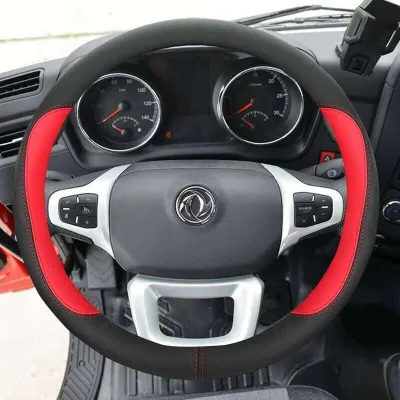
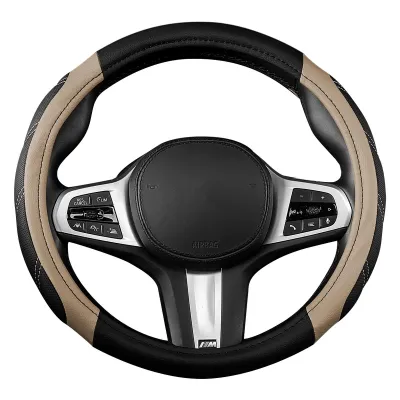
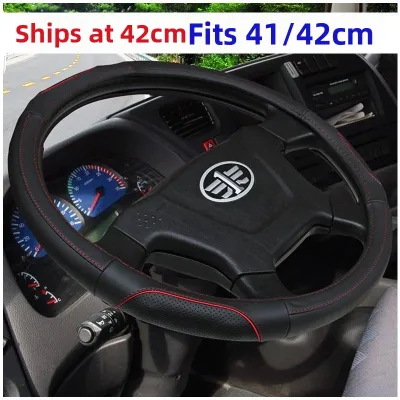
Prices are valid at publication and may change. Please refer to the product page for the latest price.
Furthermore, truck cabins experience extreme temperature fluctuations, particularly when parked during mandatory rest breaks. A steering wheel left in direct sunlight can become painfully hot, while cold weather can make the rim stiff and uncomfortable to hold. The ideal cover material should act as a thermal barrier, moderating these temperature extremes to ensure the driver can maintain a secure, comfortable grip from the moment they start the engine.
Genuine Leather: Durability, Feel, and Maintenance
Genuine leather is a traditional favorite for truck steering covers due to its robust nature and premium feel. When first installed, high-quality leather may feel somewhat firm, but it undergoes a natural break-in period. Over weeks of continuous use, the material molds to the contours of your hands and the steering wheel, developing a unique patina that many drivers find increasingly comfortable over time.

However, genuine leather is highly sensitive to environmental temperatures. In cabs exposed to direct sunlight, a dark leather cover can absorb significant heat, requiring the driver to wait for the air conditioning to cool the cabin before comfortable contact can be made. Conversely, in cold climates, leather can feel quite chilly and stiff until it absorbs body heat from the driver’s hands.
Maintenance is one of the strongest advantages of genuine leather. For daily cleaning, a simple wipe-down with a damp microfiber cloth is usually sufficient to remove dust, light dirt, and surface oils. To prevent the leather from drying out, cracking, or fading under UV exposure, drivers should periodically apply a dedicated leather conditioner. Always verify the conditioner’s label instructions to ensure compatibility with automotive-grade leather, as incorrect products can leave a slippery residue that compromises steering safety.
In terms of grip, genuine leather performs exceptionally well when the driver’s hands are dry. The smooth, natural texture provides a solid, reassuring hold. However, if your hands tend to sweat heavily, or if you operate in high-humidity environments, the leather surface can become slick, requiring a firmer grip to prevent minor slips during tight turns.
Suede: Maximum Grip and Moisture Management
Suede steering covers are highly valued by drivers who prioritize high-friction grip and active moisture management. The defining characteristic of suede is its raised, textured surface, known as the nap. This texture provides a high level of mechanical grip, ensuring that your hands remain securely in place even with minimal gripping force, which can help reduce hand fatigue during long shifts.
For drivers who experience damp or heavily perspiring hands, suede offers excellent performance. The material naturally absorbs moisture and breathes, preventing sweat from pooling on the surface and creating a slippery barrier. This makes suede highly effective at maintaining consistent friction throughout long, demanding drives.
Despite these performance benefits, suede is highly vulnerable to the accumulation of natural skin oils, dirt, and liquid spills. Over time, the absorption of oils and sweat can cause the nap to flatten, mat down, and develop shiny, hard patches. If left unmanaged, this accumulation not only degrades the appearance of the cover but also reduces its slip-resistant properties.
To preserve the performance of a suede cover, drivers must commit to a regular cleaning protocol. This involves using a specialized suede brush to gently lift the nap and remove embedded dust and dry dirt. For deeper cleaning, specialized suede cleaners must be used sparingly, following the manufacturer’s exact instructions to avoid oversaturating the material, which can cause permanent staining or hardening of the fibers.
Leather vs Suede: Feature-by-Feature Breakdown
To help you weigh the practical trade-offs between these two popular materials, the following table summarizes their performance across key operational categories:
| Feature | Genuine Leather | Suede |
|---|---|---|
| Dry Grip | Smooth, firm, and highly comfortable | High-friction, soft, and secure |
| Wet/Sweaty Grip | Can become slick; requires dry hands | Excellent; absorbs moisture to maintain grip |
| Durability & Aging | Long-lasting; develops a smooth patina | Moderate; nap can wear down and mat over time |
| Temperature Comfort | Absorbs heat/cold; highly temperature-sensitive | Remains relatively neutral in hot and cold weather |
| Maintenance Effort | Low; simple wipe-down with periodic conditioning | High; requires regular brushing and specialized care |
| Relative Cost | Generally higher initial cost due to material longevity | Moderate to high; depends on backing and stitching quality |
The visual wear patterns of these materials differ significantly over their lifespans. Genuine leather tends to age gracefully, polishing slightly and darkening where your hands rest most frequently. Suede, conversely, shows wear through localized flattening of the nap. If you do not regularly brush the suede, the high-contact areas will eventually look smooth and shiny, resembling worn felt.
From a cost perspective, genuine leather often represents a higher initial investment, but its long-term durability typically delivers excellent value over years of heavy-duty service. Suede covers may require more frequent replacement if the nap becomes permanently matted or soiled, making them a choice driven primarily by immediate grip performance rather than maximum lifespan.
Which Material Matches Your Driving Routine?
Selecting the right material requires an honest assessment of your daily driving habits, cabin environment, and maintenance preferences.
Choose Genuine Leather if:
- You prefer a low-maintenance accessory that can be quickly cleaned with a damp cloth during a brief rest stop.
- Your truck cabin is equipped with reliable climate control that minimizes extreme temperature shifts.
- You appreciate a classic aesthetic and want a cover that will age gracefully and last for years without losing its structural integrity.
- Your hands do not sweat excessively while driving.
Choose Suede if:
- Your primary concern is maintaining a non-slip grip, especially during tight maneuvers or when backing up trailers.
- You frequently experience sweaty or damp hands and need a material that actively manages moisture.
- You are willing to dedicate time to regular maintenance, including dry brushing and using specialized suede care products.
- You operate in environments with extreme temperature swings and want a cover that remains comfortable to touch in hot or cold weather.
Verify first if:
- You have measured your steering wheel accurately. Before purchasing any cover, you must verify the exact outer diameter and grip circumference of your truck's steering wheel against the product specifications.
- The cover is compatible with your specific vehicle model and year. Never assume a cover labeled for "trucks" will fit your specific steering wheel profile without checking the manufacturer's sizing chart.
Sizing and Safe Installation for Truck Wheels
Safety is the absolute priority when installing any interior accessory that affects vehicle control. A poorly fitted steering cover can slip during a sudden maneuver, leading to a dangerous loss of control. Therefore, you must measure your steering wheel precisely before making a purchase. Use a flexible measuring tape to find the outer diameter from one edge of the wheel to the opposite edge. Additionally, measure the grip thickness (the circumference of the rim itself) to ensure the cover will wrap fully and securely.
Truck steering covers are generally available in three main designs:
- Slip-on covers: These feature a semi-rigid rubber or elastomer inner ring. They must fit extremely snugly; installing them often requires significant physical effort or warming the cover slightly to make it pliable.
- Lace-up covers: These wrap entirely around the rim and are hand-stitched together using heavy-duty thread. While they take longer to install, they provide the most secure, custom-like fit with zero risk of slippage.
- Wrap covers: These are secured using adhesive strips or hook-and-loop fasteners, offering a middle ground between slip-on ease and lace-up security.
Once installed, perform a thorough safety check before driving. Ensure the cover does not slip or rotate on the wheel when you apply turning pressure. Verify that the added thickness does not interfere with your ability to reach the steering column controls, windshield wiper stalks, turn signals, or any integrated steering wheel buttons. If you detect any movement, slippage, or control interference, remove the cover immediately and consult the manufacturer’s instructions or seek assistance from a qualified professional installer.
Frequently Asked Questions (FAQ)
Can I use a standard car steering cover on a commercial truck?
No, you should not attempt to use a standard passenger car steering cover on a commercial truck. Passenger car steering wheels typically have an outer diameter ranging from 37 to 39 centimeters, whereas commercial truck steering wheels are significantly larger, often ranging from 40 to 50 centimeters or more. Attempting to stretch a passenger car cover onto a truck wheel can cause the material to tear, or worse, result in an extremely tight fit that warps the cover, leading to sudden slippage or interference with the steering mechanism. Always select a cover specifically designed and sized for commercial vehicle dimensions.
How do I safely clean sweat and oils off a suede steering cover?
To clean a suede steering cover safely, start by using a dry, soft-bristled suede brush to gently rub the surface in circular motions. This lifts the flattened nap and loosens dry dirt and dust. For areas darkened by skin oils, you can use a specialized suede cleaning eraser to gently rub away the buildup. If a liquid cleaner is necessary, apply a very small amount of specialized suede cleaner to a clean cloth—never directly to the cover—and gently blot the area. Avoid soaking the material, as excess moisture can ruin the suede’s texture. Always check the cover manufacturer’s care label first, and if the staining is severe or the material begins to harden, consult a professional automotive detailer.
Community discussion
Share your experience or ask a question. Comments are reviewed before publication.