
Quick Answer: Leather vs. Suede for Tesla Steering Wheels
Choosing the right tesla steering cover comes down to a direct trade-off between tactile performance and maintenance commitment. Suede (often Alcantara-style microfiber) delivers exceptional dry grip and a sporty, track-inspired aesthetic, making it a favorite for drivers who want a high-friction feel. However, suede requires consistent, specialized maintenance to prevent its fine fibers from matting and absorbing skin oils.
On the other hand, genuine leather provides a classic, premium texture that is incredibly durable and easy to wipe clean. While leather can feel slightly slick when brand new or in highly humid conditions, it gradually breaks in over time to offer a highly personalized, comfortable grip. Neither material is objectively superior; your choice should align with your willingness to maintain the material and your tactile preferences.
Grip and Tactile Feel: Comparing Leather and Suede
Suede and Microfiber Grip
Synthetic suede, often referred to by brand names like Alcantara, is engineered from a blend of polyester and polyurethane. This composition creates a dense, brushed surface nap consisting of millions of microscopic fibers. These fibers dramatically increase the surface area in contact with your hands, resulting in a high-friction, matte texture that offers superb dry grip. For active driving or quick maneuvers, this slip-resistant quality provides immediate confidence and a highly connected steering feel.
Products mentioned in this guide

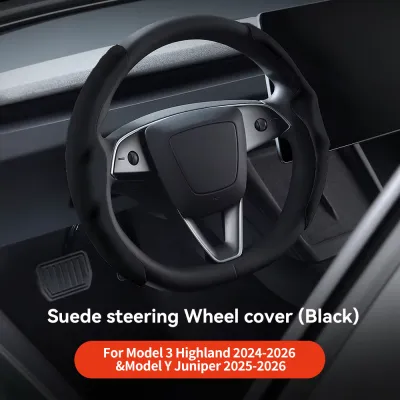
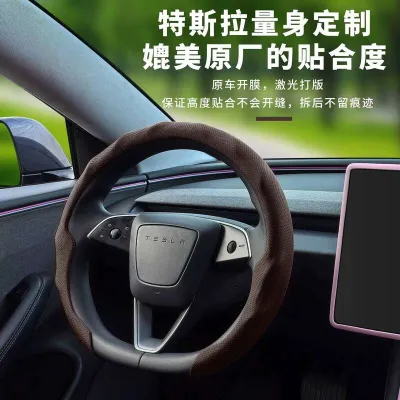
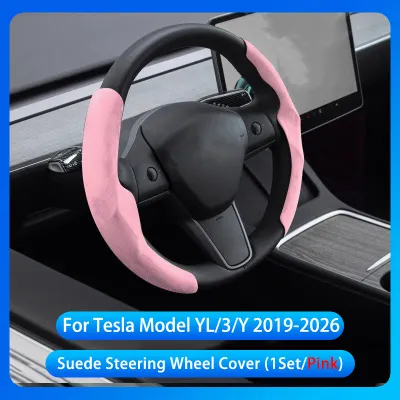

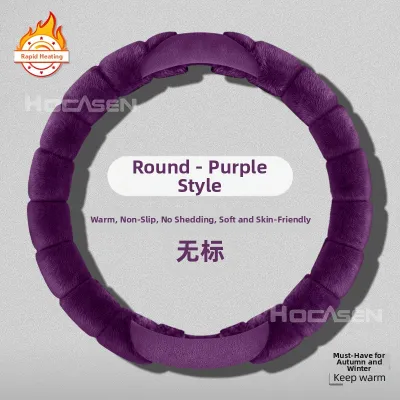

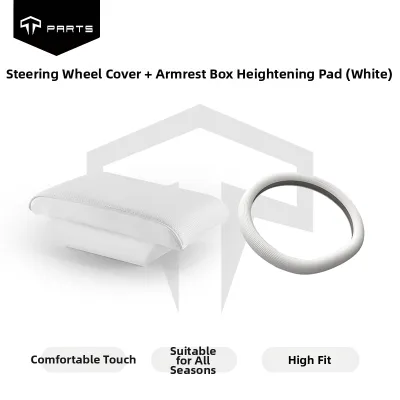
Prices are valid at publication and may change. Please refer to the product page for the latest price.

However, this open, fibrous structure is highly absorbent. In tropical or humid climates, or during long drives where your palms may sweat, the material can absorb moisture. When synthetic suede becomes saturated with sweat, the fibers temporarily flatten and lose their dry-friction advantage. This can make the cover feel damp and slightly greasy until it has completely dried out.
Genuine Leather Grip
Genuine leather, particularly top-grain or full-grain cowhide, offers a smooth, closed-pore surface that feels naturally luxurious. When you first install a genuine leather cover, you may notice it feels somewhat slippery, especially if your hands are dry or if the leather has been treated with a glossy protective sealant. This initial slickness is a common characteristic of new leather and requires a brief adaptation period.
As you drive, the leather undergoes a natural breaking-in process. It absorbs microscopic amounts of natural oils from your skin and experiences gentle surface friction, which gradually softens the hide. Over several weeks, the leather molds to the exact contours of your hands, and the surface develops a subtle, natural tackiness that significantly improves your grip without feeling sticky.
Environmental Factors and Climate Impact
Your driving environment plays a critical role in how these materials feel. In a hot climate, such as Singapore’s year-round tropical weather, vehicles parked in direct sunlight experience extreme cabin heat. Suede does not retain heat as intensely as leather, meaning the steering wheel will be comfortable to touch almost immediately after you step into the car.
Conversely, genuine leather absorbs solar heat rapidly and can become uncomfortably hot to the touch. However, once your Tesla’s climate control cools the cabin, leather quickly temperature-regulates. If you primarily drive with the air conditioning set to a high fan speed, leather remains dry and highly tactile, whereas suede can sometimes absorb ambient cabin humidity and feel slightly heavy or damp.
Durability and Wear Resistance in Daily Use
The Long-Term Resilience of Genuine Leather
Genuine leather is renowned for its structural durability. The natural collagen fiber network within real animal hide is incredibly tough, resisting stretching, tearing, and puncture under daily stress. As genuine leather ages, it does not degrade; instead, it develops a patina—a slight darkening and natural sheen that actually strengthens the surface layer against friction.
When shopping for a leather cover, it is vital to distinguish genuine top-grain leather from cheap synthetic alternatives. Many products marketed as “vegan leather,” “PU leather,” or “bonded leather” are actually thin layers of polyurethane plastic over a fabric backing. Under intense UV exposure and constant hand friction, these synthetic plastics dry out, delaminate, crack, and peel away. Always check the manufacturer’s product label to verify that you are purchasing authentic, top-grain genuine leather.
The Wear and Matting Challenges of Suede
While high-quality synthetic suede is structurally strong and highly resistant to tearing, its surface aesthetics and texture are highly vulnerable to daily wear. The microscopic fibers that create the soft nap are easily damaged by physical friction and chemical contamination. Every time you turn the wheel, the twisting force of your palms compresses these delicate fibers.
Furthermore, your hands naturally secrete sebum (skin oils), sweat, and microscopic dirt particles. Suede acts like a sponge for these substances. Over time, the combination of friction and oil absorption causes the fibers to clump together and flatten—a process known as matting. If left unaddressed, the matted suede turns into a smooth, shiny, and highly slippery crust, permanently ruining both the premium look and the high-grip performance of the cover.
UV Exposure and Solar Heat Resistance
Tesla vehicles feature expansive glass roofs that, despite factory tinting, allow a significant amount of ultraviolet (UV) radiation into the cabin. Prolonged exposure to UV rays can damage both steering wheel materials. For genuine leather, UV radiation dries out the natural oils, leading to hardening and eventual cracking if the material is not conditioned.
For synthetic suede, UV exposure can break down the polyurethane binders within the material, leading to premature fading, color shifting (often turning dark black into a dull grey or brown), and a loss of elasticity. When selecting a cover, look for manufacturers that explicitly state their materials have been treated with UV-resistant stabilizers to prolong their lifespan under direct sunlight.
Cleaning and Maintenance: What Each Material Demands
Routine Upkeep for Genuine Leather
Maintaining a genuine leather steering cover is incredibly straightforward and requires very little time. For routine weekly cleaning, simply wipe the cover down with a clean, slightly damp microfiber cloth to remove surface dust and sweat. This simple step prevents dirt from grinding into the leather’s pores.
Every three to six months, perform a deeper clean using a dedicated, pH-balanced leather cleaner. Apply the cleaner to a microfiber towel, gently scrub the surface to lift embedded oils, and wipe it dry. Follow this with a light application of a specialized leather conditioner. Conditioning is essential in air-conditioned cabins, as the dry air strips moisture from the leather; the conditioner restores flexibility and prevents premature cracking.
Specialized Maintenance for Suede
Suede and Alcantara-style materials demand a much more delicate, hands-on maintenance routine. You cannot simply wipe suede with a wet cloth, as excess water will flatten the nap and create permanent water spots. Instead, you must use a dedicated soft-bristle suede brush at least once a week. Gently brushing the surface in circular motions lifts the compressed fibers, releases trapped dust, and restores the original matte texture.
When the material inevitably absorbs skin oils and develops dark, flattened patches, you must use a specialized suede or microfiber cleaner. Spray a small amount of the cleaner onto a clean microfiber cloth—never directly onto the steering wheel—and gently blot and rotate the cloth over the stained areas. Avoid rubbing aggressively, as this can tear the delicate fibers and create bald spots.
Preventing Chemical and Water Damage
To preserve either material, you must strictly avoid using harsh household chemicals, all-purpose car interior cleaners, glass cleaners, or alcohol-based hand sanitizers. These chemicals will strip the protective topcoats from genuine leather, causing it to dry out and peel, and will permanently dissolve the synthetic binders in suede, leading to irreversible matting.
Before applying any cleaning product, always read the manufacturer’s label to ensure it is rated safe for your specific material. If you prefer a low-maintenance interior that requires minimal effort to keep looking pristine, the demanding cleaning regimen of suede may quickly become a chore, making genuine leather the more practical lifestyle choice.
Fitment, Installation, and Tesla-Specific Safety
Steering Wheel Shape and Model Compatibility
Tesla steering wheels are highly specific in their geometry, and the designs have evolved across different models and production years. For example, the refreshed Model 3 (Highland) features a slightly different wheel profile compared to older versions, while the Model S and Model X offer distinct round, flat-bottom, or Yoke steering configurations.
Never assume a generic steering cover will fit your vehicle based on a broad category term. Before purchasing, you must verify your exact Tesla model, manufacturing year, and steering wheel shape against the product documentation. An improperly sized cover will either fail to fit entirely or, worse, slip during use, creating a severe driving hazard.
Slip-On vs. Stitch-On Installation Methods
Aftermarket covers generally fall into two categories: slip-on and stitch-on (wrap-around) designs. Slip-on covers are highly popular because they can be installed in under five minutes by stretching them over the wheel. However, they add significant thickness to the steering wheel, which can feel bulky, and they rely solely on friction to stay in place, raising the risk of shifting during sudden evasive maneuvers.
Stitch-on covers require you to wrap a pre-cut piece of leather or suede around the wheel and hand-sew the edges together using a needle and thread. While this installation process is labor-intensive—often taking between one and three hours of careful work—it results in an ultra-slim, OEM-like fit. Because the cover is tightly stitched around the spokes, it absolutely cannot slip or shift, providing maximum safety and a factory-finished appearance.
Critical Safety Boundaries and Sensor Clearances
When installing any steering wheel cover, you must ensure that it does not compromise the vehicle’s safety systems or driver controls. The cover must not obstruct the scroll wheels, touch-sensitive buttons, or the seams where the driver’s airbag is designed to deploy. Never wrap any material over the center horn pad or the airbag deployment zone.
Additionally, modern Tesla steering wheels utilize capacitive touch sensors to detect the driver’s hands during Autopilot and Full Self-Driving (FSD) operation. Thick slip-on covers can insulate these sensors, preventing them from detecting your hands and leading to frequent safety prompts or Autopilot disengagements. If you are installing a stitch-on wrap that uses adhesive tape to hold the material in place, ensure the adhesive is automotive-grade and safe for the original steering wheel material so it does not cause permanent damage upon removal. If you are unsure about the installation process or safety clearances, consult a qualified professional automotive upholsterer.
Final Verdict: How to Choose the Right Cover for Your Driving Style
Choose Suede if:
- You prioritize maximum dry grip and want a sporty, motorsport-inspired aesthetic in your Tesla cabin.
- You are willing to commit to weekly brushing and specialized spot-cleaning to prevent oil absorption and fiber matting.
- You frequently park in hot, sun-exposed areas and want a steering wheel surface that remains cool to the touch.
Choose Genuine Leather if:
- You want a highly durable, classic luxury feel that naturally develops a personalized grip over time.
- You prefer a low-maintenance accessory that can be easily wiped clean with a damp cloth during your weekly car wash.
- You want a cover that resists daily sweat, dirt, and air-conditioning dryness with minimal risk of surface degradation.
Verify Before Buying
Before making your purchase, always check the exact material composition on the product label to ensure you are getting authentic top-grain leather or high-quality synthetic suede rather than cheap plastic imitations. Additionally, if your Tesla is equipped with a heated steering wheel, keep in mind that any aftermarket cover will act as an thermal insulator. Thick leather or dense suede will delay or significantly reduce heat transfer to your hands, so look for covers explicitly labeled as thin-profile or heated-wheel-compatible to preserve this comfort feature.
Frequently Asked Questions (FAQ)
Will a steering wheel cover block the heated steering wheel function in my Tesla?
Yes, any aftermarket steering wheel cover will add a layer of insulation over the heating elements. Thick genuine leather or dense synthetic suede will significantly slow down or reduce the transfer of heat to your hands. If preserving the heated steering wheel function is a priority, look for thin-profile, stitch-on covers that are explicitly advertised as compatible with heated steering wheels.
Can I use standard car interior cleaners on my suede Tesla steering cover?
No, you should never use standard all-purpose car interior cleaners, degreasers, or glass cleaners on suede or Alcantara-style microfiber. These products contain harsh chemical agents that can strip the synthetic fibers, dissolve the material’s binders, and cause permanent matting and loss of grip. Always use cleaners specifically formulated for suede or delicate microfiber, and apply them using a blotting technique with a microfiber cloth.
Community discussion
Share your experience or ask a question. Comments are reviewed before publication.