
Choosing between a genuine leather and a suede steering wheel cover comes down to balancing tactile preference, maintenance commitment, and driving conditions. Genuine leather is the traditional choice for drivers seeking a durable, low-maintenance accessory that develops a smooth patina over time. Suede, on the other hand, offers an exceptionally high-friction grip and a sporty, premium aesthetic, though it demands regular grooming to prevent its soft texture from matting.
To make an informed decision, you must evaluate how each material handles daily wear, cabin heat, and the natural oils from your hands. A steering wheel cover is not merely a cosmetic upgrade; it is your primary physical connection to the vehicle, directly impacting steering precision and overall driving comfort.
Grip Feel and Tactile Comfort
The tactile interaction with your steering wheel changes dramatically depending on the material you choose. Genuine leather provides a classic, firm feel underhand. Its smooth surface offers predictable slip-resistance during casual driving, allowing the wheel to slide smoothly through your palms when self-centering after a turn. However, if your hands tend to sweat or if you frequently apply hand lotions, a smooth leather surface can become temporarily slick, requiring a firmer grip to maintain control. To mitigate this, many manufacturers offer perforated leather designs, which enhance airflow and help disperse moisture from your palms.
Products mentioned in this guide
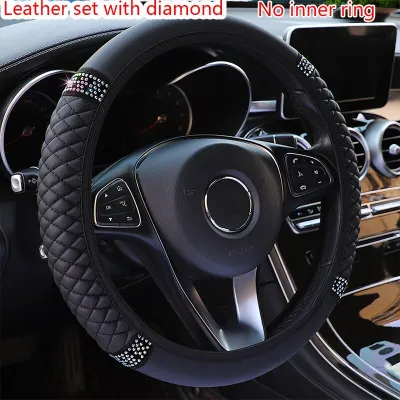
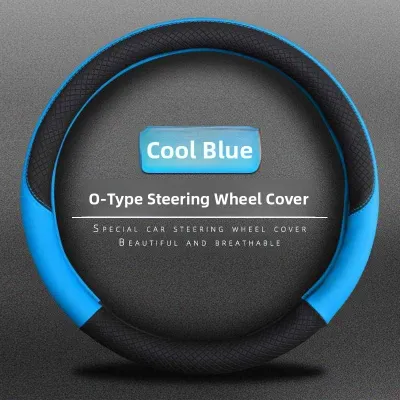
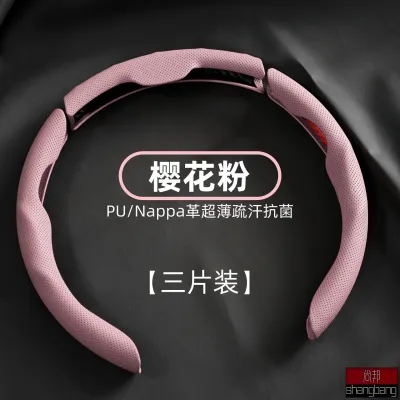
Prices are valid at publication and may change. Please refer to the product page for the latest price.
Suede offers a completely different tactile experience characterized by its raised, napped texture. This nap creates a high-friction surface that delivers outstanding dry grip, making it a popular choice for spirited driving and performance vehicles. The fibers of suede naturally absorb minor hand moisture, maintaining a consistent, non-slip feel even in high-humidity environments. However, this absorption is a double-edged sword; over time, the accumulation of sweat, skin cells, and hand lotions will saturate the fibers, causing the napped surface to flatten, harden, and lose its signature grip.
When browsing product descriptions on online marketplaces or at local automotive shops, pay close attention to the inner lining of the cover. High-quality covers of both material types should feature an eco-friendly, odorless rubber or silicone anti-slip backing. This inner layer is critical because it prevents the cover from sliding against the original steering wheel surface during sudden maneuvers, ensuring that your physical inputs translate directly to the steering rack.
Durability and Long-Term Wear
The way these two materials age determines their long-term value and appearance inside your cabin. Genuine leather is highly resilient and handles the friction of daily commuting exceptionally well. As it ages, leather undergoes a natural wear process where it absorbs oils and develops a slight shine, known as a patina. This process generally makes the leather softer and more pliable without compromising its structural integrity. High-quality leather resists cracking and peeling, provided it is not subjected to extreme, prolonged dryness without occasional conditioning.

Suede ages in a much more visible and demanding manner. Instead of developing a smooth patina, suede tends to mat down in high-contact areas, such as the “9 and 3” hand positions. The friction from your hands compresses the delicate nap, while hand oils bind the fibers together, resulting in shiny, dark patches that feel rough or greasy. If left unaddressed, this matting becomes permanent, and the material may begin to bald or fade under constant exposure to ultraviolet (UV) rays filtering through the windshield.
Before making a purchase, always review the manufacturer’s material specifications and warranty terms regarding wear resistance. Look for covers that specify UV-resistant treatments or reinforced stitching along the seams. Seam separation is a common failure point for low-quality covers, so inspecting the density and uniformity of the stitching in product photos or in-store displays is a reliable way to gauge overall durability.
Heat Absorption and Temperature Comfort
In warm, tropical climates, cabin heat is a major consideration for interior accessories. When your vehicle is parked under direct sunlight, the temperature inside the cabin can rise rapidly, making the steering wheel uncomfortable or even painful to touch. Genuine leather, being a dense and relatively non-porous material, absorbs and retains heat efficiently. A solid, dark leather cover can become extremely hot to the touch after a few hours in the sun, requiring you to wait for the air conditioning to cool the cabin before you can comfortably drive.
Suede performs significantly better in terms of temperature regulation. Because of its open, fibrous structure and napped surface, suede does not retain heat in the same dense manner as smooth leather. It generally remains warm rather than hot, allowing you to grip the wheel immediately without discomfort. Additionally, the breathability of suede prevents it from feeling sticky against your skin during humid days, offering a more consistent temperature profile throughout your drive.
Regardless of which material you select, relying solely on the cover to manage temperature is rarely sufficient. Practical mitigation strategies are essential to protect your interior and your hands. Utilizing a high-quality, reflective front windshield sunshade when parked outdoors is the most effective way to block UV rays and keep cabin temperatures manageable. Additionally, parking in shaded areas or using window tints that comply with local transport regulations will significantly extend the lifespan of both leather and suede covers by reducing thermal stress.
Cleaning and Maintenance Requirements
The effort you are willing to invest in maintenance should heavily influence your choice, as the cleaning protocols for these materials are entirely different. Genuine leather is highly forgiving and inherently stain-resistant. For routine cleaning, a simple wipe-down with a damp microfiber cloth is usually sufficient to remove dust and light oils. For deeper cleaning, applying a mild, pH-balanced leather cleaner with a soft cloth will lift embedded dirt. Periodically applying a dedicated leather conditioner keeps the material supple and prevents UV-induced cracking, but always verify the product label to ensure it is safe for automotive interior leather.
Suede requires a specialized, water-free maintenance routine to preserve its delicate nap. Water and standard liquid cleaners can easily stain suede or cause the fibers to stiffen permanently. To clean a suede cover, you must use a dedicated suede brush—typically featuring soft brass or nylon bristles—to gently lift dust and restore the nap. For stubborn spots, a specialized suede eraser can be used to rub away dry grime.
You must never apply standard leather conditioners, creams, or greasy protectants to a suede steering wheel cover. Doing so will instantly ruin the texture, flattening the nap into a slick, greasy mess that is incredibly difficult to restore. Always read the manufacturer’s care instructions carefully and verify that any cleaning product you purchase is explicitly labeled as safe for suede or Alcantara.
Sizing, Fitment, and Safety Checks
Ensuring a precise fit is the most critical safety aspect of installing any steering wheel cover. A cover that is too loose can slip during an emergency turn, causing a temporary loss of steering control that could lead to an accident. Before purchasing, you must accurately measure your steering wheel. Use a flexible measuring tape to find the outer diameter of the wheel from edge to edge. Next, measure the grip circumference (the thickness of the wheel rim itself) at its thickest point. Compare these measurements directly with the manufacturer’s sizing chart rather than relying on generic “medium” or “one-size-fits-all” labels.
You will generally choose between slip-on and stitch-on (wrap) installation methods. Slip-on covers are convenient and easy to install, but they must fit extremely tightly to be safe. If a slip-on cover slides onto the wheel with little to no effort, it is too large and should not be used. Stitch-on covers require significant time and patience to sew directly over the original wheel using the provided needle and thread. While stitch-on covers require more effort, they provide a highly secure, custom-fit finish that mimics an original factory wrap, eliminating any risk of slipping.
Before finalizing your installation, verify that the cover does not obstruct any steering wheel functions. It must not block access to steering wheel controls, paddle shifters, or the horn. If your vehicle is equipped with a heated steering wheel, be aware that adding a thick cover will significantly reduce the heat transfer to your hands. Always consult your vehicle’s owner’s manual to ensure that adding an aftermarket cover does not interfere with the integrated safety systems, such as the driver’s airbag housed in the steering wheel hub.
Decision Framework: Which Material Fits Your Driving Style?
To choose the right material, align your selection with your daily driving habits, maintenance preferences, and aesthetic goals.
Choose a genuine leather steering wheel cover if you prioritize low-maintenance durability, classic styling, and easy cleanup. It is the ideal choice for daily commuters, family vehicles, and drivers who prefer a smooth, traditional grip that handles daily wear without requiring specialized grooming tools.
Choose a suede steering wheel cover if you want a sporty, high-performance aesthetic and prioritize maximum dry grip during spirited driving. This material is best suited for automotive enthusiasts who do not mind dedicating time to regular brushing and who appreciate a cover that remains comfortable to the touch even after parking in the sun.
Verify first if you have the patience for specialized care or if your vehicle has unique steering wheel contours. If you dislike the idea of dry-brushing your steering wheel regularly, or if your hands sweat heavily and you do not wear driving gloves, suede may quickly become unsightly, making genuine leather the more practical and satisfying choice.
| Decision Dimension | Genuine Leather Cover | Suede Cover |
|---|---|---|
| Grip Characteristics | Smooth, firm; can become slick with moisture | High-friction, napped; excellent dry grip |
| Maintenance Effort | Low; simple wipe-down with damp cloth | High; requires regular dry brushing and specialized tools |
| Aging & Wear | Develops a smooth patina; highly durable | Mats down over time; prone to shiny spots |
| Heat Tolerance | Absorbs heat; can get hot in direct sun | Remains comfortable; dissipates heat well |
| Best Suited For | Daily commuting, low-maintenance setups | Performance driving, sporty aesthetics |
Frequently Asked Questions (FAQ)
Will a suede steering wheel cover wear out faster than leather?
Yes, under typical daily driving conditions, a suede steering wheel cover will generally show signs of wear faster than a genuine leather one. Because suede has an open, napped texture, it is highly susceptible to absorbing hand oils, sweat, and dirt. This absorption, combined with the constant friction of your hands, causes the fibers to mat down and turn shiny over time. While genuine leather resists these elements and develops a protective patina, suede requires consistent, proactive maintenance to prevent premature aging and bald spots.
Can I use standard leather conditioner on a suede steering wheel cover?
No, you must never use standard leather conditioners, oils, or creams on a suede steering wheel cover. Standard conditioners are designed to penetrate smooth leather to keep it supple, but applying them to suede will instantly flatten the delicate nap, binding the fibers together into a greasy, hardened layer. This completely ruins the texture and grip of the suede. Always verify the product label and use only dry cleaning methods, such as a suede brush and eraser, or cleaners explicitly formulated for suede and Alcantara.
Community discussion
Share your experience or ask a question. Comments are reviewed before publication.