
Selecting the right steering wheel cover for your Toyota involves balancing comfort, driving dynamics, and the realities of your local climate. For drivers in Singapore, where high humidity and intense solar heat are daily constants, this choice is particularly critical. The decision typically comes down to two premium materials: genuine leather and suede. Each material offers a distinct driving experience, requiring a trade-off between tactile grip, aesthetic appeal, and the amount of maintenance you are willing to perform.
Quick Answer: Which Material Suits Your Driving Style?
To make an immediate decision, you must evaluate how you use your vehicle and your willingness to maintain its interior. Genuine leather is the traditional, highly durable choice that excels in daily commuting and long-term wear. It is easy to clean, resists the oils from your hands, and ages gracefully over years of exposure to the sun.
Suede, on the other hand, is a performance-oriented material that offers unparalleled grip and a sporty, high-end cabin feel. However, its fibrous texture acts like a sponge for moisture, sweat, and dirt, making it highly demanding to maintain, especially in Singapore’s humid environment.
Products mentioned in this guide


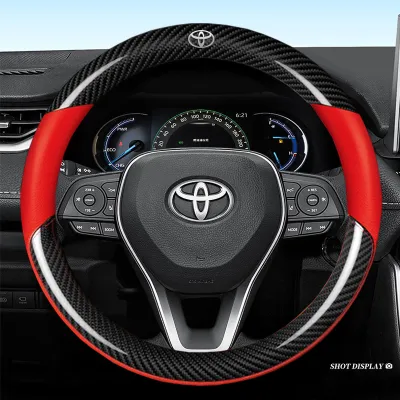
Prices are valid at publication and may change. Please refer to the product page for the latest price.
- Choose Genuine Leather if: You prioritize low-maintenance durability, a classic premium appearance, and a smooth, consistent texture that remains comfortable during daily commutes across the island.
- Choose Suede if: You prioritize maximum steering friction, prefer a sporty or race-inspired aesthetic, and are prepared to follow a strict, specialized cleaning regimen to prevent the material from matting.
Genuine Leather vs. Suede: Grip, Feel, and Daily Driving Experience
Grip and Handling Performance
The physical interaction between your hands and the steering wheel directly influences your vehicle control. Suede is renowned for its high coefficient of friction. The tiny, raised fibers of the nap create a textured surface that locks into the ridges of your palms. This mechanical grip is highly beneficial during spirited driving, as it minimizes the physical effort required to hold the wheel steady. Even if your hands become slightly damp from sweat, suede maintains its traction, preventing micro-slips that can disrupt your steering inputs.

In contrast, genuine leather offers a smoother, more uniform surface. While high-quality leather provides excellent natural traction when dry, its grip level can change depending on environmental conditions. If your hands are wet, sweaty, or covered in hand lotion, a smooth leather cover can feel somewhat slippery. To mitigate this, many premium leather covers feature perforated sections or textured grain patterns designed to channel away moisture and improve tactile feedback.
The actual grip performance of any cover is not determined solely by the base material name. The surface treatments, tanning processes, and backing materials used by the manufacturer play a massive role. Some leather covers are finished with slick protective topcoats that prioritize stain resistance over grip, while others use a matte finish that feels much more secure. Always verify the manufacturer’s specifications regarding surface finishes and backing textures to ensure the cover will not slide against the original steering wheel rim.
Tactile Feel and Comfort in Singapore's Climate
Singapore’s tropical climate presents unique challenges for automotive cabin materials. When your Toyota is parked in an open-air carpark, cabin temperatures can easily exceed 50 degrees Celsius. Genuine leather absorbs this heat rapidly, making the steering wheel hot to the touch when you first enter the vehicle. However, high-quality leather also dissipates this heat relatively quickly once the air conditioning is running, especially if the cover is perforated to allow airflow.
Suede handles temperature extremes differently. Because of its open fiber structure, it does not feel as intensely hot as solid leather after hours of sun exposure. The material remains soft and comfortable to hold immediately upon startup. However, the primary drawback of suede in a humid environment is its hygroscopic nature. Suede readily absorbs ambient humidity and moisture from your hands. Over time, this can cause the material to feel slightly damp or clammy during long drives if the cabin humidity is not actively managed by your vehicle’s air conditioning system.
To optimize comfort, look for steering wheel covers that incorporate specific design features. Perforated leather covers significantly improve breathability by allowing heat and moisture to escape. If you prefer the feel of suede but worry about humidity, consider advanced synthetic alternatives like Alcantara or specialized microfiber suedes. These engineered materials are designed to mimic the tactile feel of natural suede while offering superior moisture-wicking properties and better resistance to environmental humidity.
Cleaning, Care, and Long-Term Durability
Genuine Leather Maintenance Routine
Genuine leather is highly resilient and responds well to standard cleaning practices, making it an excellent choice for drivers who want a low-maintenance interior. Over months of driving, leather will naturally accumulate dust, body oils, and light dirt, but these contaminants remain on the surface rather than sinking deep into the material. This surface-level accumulation makes cleaning straightforward and highly effective.
A safe, basic maintenance routine for a genuine leather steering wheel cover involves three key steps:
- Routine Dusting: Wipe down the cover once a week with a clean, dry microfiber cloth to remove surface dust and prevent oils from building up.
- Gentle Cleaning: Every few months, or when visible dirt appears, apply a small amount of pH-balanced leather cleaner to a microfiber cloth and gently wipe the surface. Never spray cleaners directly onto the steering wheel, as excess liquid can seep into seams or electronic switches.
- Conditioning: Apply a dedicated leather conditioner once or twice a year to restore moisture and prevent the leather from drying out, cracking, or fading under intense UV exposure.
Before applying any cleaner, conditioner, or UV protectant, always read the cover manufacturer’s care instructions and test the product on a small, hidden area of the cover first. Using harsh household detergents, alcohol-based wipes, or vinyl protectants can strip the leather’s protective topcoat, permanently altering its grip and voiding any manufacturer warranties.
Suede Care and Stain Prevention
Suede requires a highly specialized and disciplined maintenance routine to preserve its unique texture and gripping properties. Because suede lacks the smooth protective topcoat of leather, its exposed fibers easily trap dirt, dust, and oils from your skin. If left uncleaned, these oils cause the delicate fibers (the nap) to flatten, stick together, and harden—a process known as matting. Once suede becomes severely matted and soiled, it loses its signature soft feel and high-friction grip, becoming slick and unsightly.
To keep a suede steering wheel cover in optimal condition, you must use tools and techniques specifically designed for delicate fabrics:
- Dry Brushing: Use a dedicated suede brush with soft nylon or brass bristles at least once a week. Gently brush the material in circular motions to lift the nap and dislodge trapped dust and dry dirt.
- Stain Spotting: For dry stains or scuffs, use a specialized suede eraser. Gently rub the eraser over the affected area to break up the dirt, then brush away the residue.
- Deep Cleaning: If the material becomes soiled with hand oils, use a dedicated suede or Alcantara cleaner. Apply a minimal amount of foam to a soft brush, gently work it into the fibers, and wipe away the moisture with a clean microfiber cloth. Allow the material to air dry completely before driving.
Never use standard leather conditioners, oily vinyl dressings, or wet household wipes on suede, as these will permanently ruin the nap, flatten the fibers, and leave greasy stains. Additionally, if your cover is made of a synthetic suede-like material, verify the cleaning instructions on the product label. Synthetic suedes are often more water-resistant than natural suede but still require specific, oil-free cleaning agents to prevent fiber degradation.
Fitment, Installation, and Safety Checks for Toyota Steering Wheels
When installing an aftermarket steering wheel cover on your Toyota, safety must be your absolute highest priority. A steering wheel is a primary safety control interface; any failure of the cover can lead to a loss of vehicle control. The most critical safety hazard is cover slippage. If a cover is too loose, it can slide around the steering wheel rim when you attempt to make a sudden turn, preventing the wheels from turning as expected.
To ensure a secure fit, you must choose between different cover designs:
- Universal Slip-On Covers: These covers rely on a tight rubber inner ring to grip the steering wheel. While convenient to install, they must be sized precisely to your Toyota's steering wheel diameter. A universal cover that is even slightly too large will slip under pressure, while one that is too small will stretch excessively and may tear or fail prematurely.
- Custom-Fit Wrap-and-Stitch Covers: These covers are designed specifically for your exact Toyota model and trim. They wrap entirely around the steering wheel rim and spokes and are hand-stitched into place. While installation requires several hours of meticulous work, wrap-and-stitch covers offer the highest level of safety, as they cannot slip, bunch up, or shift during driving.
Before purchasing or installing any cover, consult your Toyota owner’s manual regarding aftermarket steering wheel accessories. Modern Toyota vehicles, such as the Corolla, Camry, RAV4, and Harrier, are equipped with sophisticated safety systems. These may include heated steering elements, paddle shifters, and steering column-mounted sensors for Driver Monitoring Systems (DMS) or Toyota Safety Sense.
During and after installation, perform the following safety checks:
- Verify Control Clearance: Ensure the cover does not obstruct or pinch the paddle shifters, cruise control stalks, or steering wheel buttons.
- Check Sensor Line of Sight: Confirm that the thickness of the cover does not block any infrared cameras or sensors mounted on the steering column that monitor driver attentiveness.
- Test for Slippage: With the vehicle parked safely, grip the installed cover firmly and attempt to twist it around the steering wheel rim. If there is any movement, slippage, or bunching of the material, remove the cover immediately and do not drive the vehicle.
- Confirm Airbag Clearance: Ensure the cover does not encroach upon the central horn pad where the driver's airbag is housed. The cover must not interfere with the seam lines designed to split open during airbag deployment.
How to Choose: Decision Framework for Your Driving Style
To determine which material is right for your Toyota, consider how your driving habits, maintenance preferences, and vehicle features align with the characteristics of each material.
Use this structured framework to guide your final decision:
- Choose Genuine Leather if:
- Your Toyota is a daily commuter, family SUV, or commercial vehicle where utility and durability are paramount.
- You want a "fit and forget" accessory that requires minimal cleaning and easily handles spills, sweat, and daily wear.
- You prefer a classic, sophisticated interior aesthetic that matches the factory leather upholstery of executive trims.
- You frequently park outdoors in Singapore's sun and want a material that will not degrade or mat under intense heat.
- Choose Suede if:
- You drive a performance-oriented Toyota model (such as a GR Yaris, GR86, or GR Supra) or enjoy a highly spirited driving style.
- You prioritize maximum physical grip and tactile feedback through the steering wheel above all else.
- You want to create a sporty, race-inspired cabin atmosphere.
- You are committed to performing weekly dry brushing and using specialized cleaning products to maintain the material's texture.
- Verify First if:
- Your Toyota features integrated steering wheel heating, as the cover's thickness will act as an insulator and reduce heat transfer.
- Your vehicle is equipped with advanced driver-assist sensors on the steering column that could be obstructed by a bulky cover.
- Your specific steering wheel has heavily contoured thumb grips or unique spoke shapes that require a custom-stitched wrap rather than a slip-on cover.
Frequently Asked Questions (FAQ)
Will a steering wheel cover interfere with my Toyota's heated steering wheel?
Yes, adding any aftermarket steering wheel cover will affect the performance of a heated steering wheel. The cover acts as an insulating barrier between the heating elements inside the steering wheel rim and your hands, which will significantly reduce the perceived warmth and slow down the heating time.
Furthermore, thick genuine leather or dense suede materials can trap heat internally. This insulation can cause the steering wheel’s internal heating elements to run hotter than designed to reach the target temperature, potentially triggering safety shut-offs or, in extreme cases, damaging the heating system. Always consult your Toyota owner’s manual and verify with the cover manufacturer that the specific product is rated as safe and compatible for use with heated steering systems before installation.
How do I measure my Toyota steering wheel for a custom-fit cover?
To ensure a safe, non-slip fit, you must measure your steering wheel precisely rather than relying solely on your Toyota’s model name or year. Steering wheel dimensions can vary significantly between different trim levels, production years, and optional sport packages.
To measure your steering wheel, follow these steps:
- Measure the Outer Diameter: Use a firm tape measure to measure the distance from the outermost edge of the steering wheel to the opposite outermost edge, passing directly through the center emblem. Most Toyota steering wheels have an outer diameter between 36.5 cm and 39 cm.
- Measure the Grip Circumference: Wrap a flexible sewing tape measure around the rim of the steering wheel at its thickest point (excluding the thumb rests) to find the grip thickness.
- Compare Measurements: Compare these exact physical measurements against the sizing chart provided by the cover manufacturer to select the correct size. If your measurements fall between sizes, or if your steering wheel features highly pronounced ergonomic grips, contact the manufacturer to confirm compatibility before purchasing.
Community discussion
Share your experience or ask a question. Comments are reviewed before publication.