
Operating a heavy commercial vehicle on Singapore’s roads demands constant physical engagement, making the interface between your hands and the steering wheel a critical factor for comfort and safety. Deciding between a genuine leather and a suede steering wheel cover for your lorry requires balancing intense tropical heat and high humidity against your daily driving habits. While genuine leather offers a smooth, durable surface that is easy to wipe clean in air-conditioned cabins, suede provides a high-friction, textured grip that excels at managing hand sweat during long shifts. Neither material is universally superior; instead, the right choice depends on how you manage your cabin temperature, your willingness to perform regular maintenance, and the specific dimensions of your lorry’s steering setup.
Core Differences in Material Structure and Feel
Genuine leather is typically sourced from the outer layers of animal hide, resulting in a dense, smooth grain that undergoes tanning and protective surface coating. This manufacturing process seals the pores, creating a resilient barrier against external elements. In contrast, traditional suede is crafted from the underside of the hide, featuring a napped, fibrous texture that remains open and highly porous. Synthetic alternatives, such as high-grade microfibre suede, replicate this napped structure using densely woven polyester and polyurethane fibres to mimic the tactile feel of natural suede.
Lorry steering wheels feature significantly larger diameters and thicker rims than standard passenger cars, requiring broader hand movements and sustained physical leverage. The smooth surface of genuine leather provides a classic, firm feel that allows your hands to slide smoothly during rapid hand-over-hand turning maneuvers. Suede, with its raised nap, offers immediate tactile feedback and a high-friction interface that resists sliding, which can reduce the physical effort needed to maintain a steady grip on bumpy industrial routes.
Products mentioned in this guide
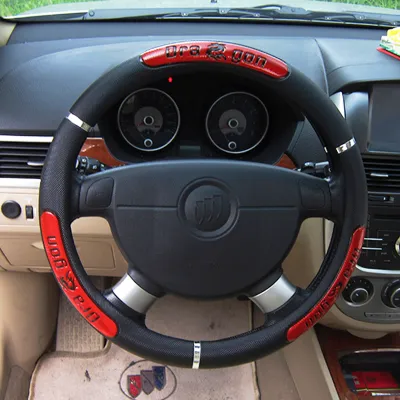
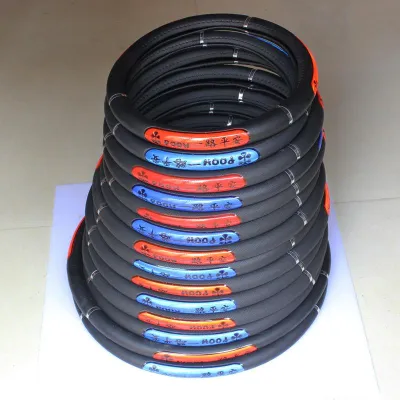
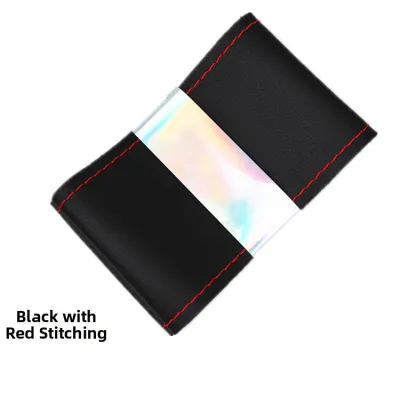
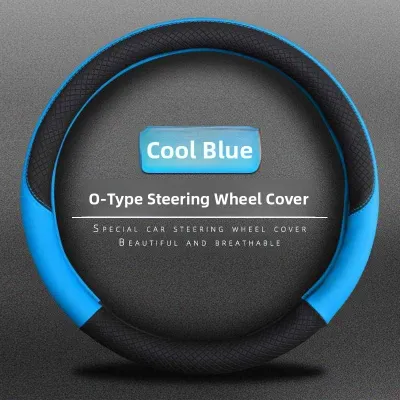
Prices are valid at publication and may change. Please refer to the product page for the latest price.
Because the market includes various synthetic blends, split leathers, and composite materials, it is essential to inspect the manufacturer’s product label before purchasing. Look for terms like “full-grain” or “top-grain” for genuine leather, and verify whether a suede cover is natural animal hide or a synthetic microfibre blend, as these structural differences directly impact how the material responds to daily wear and cleaning agents.
Grip and Handling in Humid Conditions
Singapore’s relative humidity frequently hovers above 80 percent, making hand sweat an inevitable challenge for lorry drivers. Suede’s open, porous structure naturally absorbs moisture, drawing sweat away from the surface of your palms to maintain a dry, high-traction grip during active steering. However, if the material becomes oversaturated during long shifts without adequate drying time, the fibers can flatten and lose their slip-resistant properties.

Treated leather features a sealed surface that does not absorb moisture. While this prevents sweat from penetrating the core of the material, it can cause moisture to pool on the surface, creating a thin barrier of lubrication between your hands and the wheel. This pooling increases the risk of your hands slipping during sudden turns, especially if you are maneuvering a heavy vehicle without the assistance of modern power steering systems.
To mitigate these grip issues, check the product specifications for specialized design features. Many high-quality leather covers incorporate perforated sections along the primary hand-grip zones to encourage airflow and reduce sweat accumulation. Additionally, verify that the cover features a high-friction, non-slip rubber or silicone inner lining that grips the original steering wheel firmly, preventing the cover itself from sliding or rotating independently of the wheel.
Your typical cabin environment should dictate your priority. If your lorry’s air conditioning runs constantly, keeping the cabin cool and dry, a smooth genuine leather cover will remain comfortable and secure. If you frequently drive with the windows open to save fuel or during short-haul loading bay stops, the high ambient humidity makes the moisture-wicking properties of a suede or synthetic suede cover highly advantageous.
Heat Retention and Sun Exposure
When parked in open-air industrial estates or loading docks under the intense Singapore sun, a lorry’s cabin can quickly turn into an oven. The temperature of your steering wheel cover depends heavily on its color, material density, and surface finish rather than the material type alone. Darker colors, such as deep black or charcoal grey, absorb a broader spectrum of light and retain heat longer than lighter shades, regardless of whether you choose leather or suede.
Because both materials can become uncomfortably hot to the touch after hours of direct sun exposure, look for covers that specify heat-reflective linings or breathable backing materials. Some manufacturers apply UV-resistant coatings to genuine leather to minimize heat absorption and prevent the material from drying out and cracking. For suede, synthetic variants often incorporate heat-dispersing backing layers designed to prevent the transfer of extreme temperatures from the underlying steering wheel to your hands.
Relying solely on material properties is rarely sufficient to combat tropical heat. Implementing practical cabin management strategies is highly recommended; using a high-quality, reflective front windshield sunshade when parked outdoors will significantly reduce direct solar radiation on the steering wheel. This simple step protects both leather and suede from premature thermal degradation and ensures the wheel is safe to hold when you resume your route.
Before purchasing, verify any manufacturer claims regarding thermal performance or heat resistance. Look for documented specifications or user instructions that outline the material’s maximum operating temperatures, and avoid products that make absolute claims of remaining completely cool in direct sunlight, as all dark interior materials will absorb heat under tropical conditions.
Durability, Maintenance, and Daily Wear
The daily grind of lorry driving exposes your steering wheel to dirt, grease, sweat, and dust from industrial sites. Maintaining genuine leather is straightforward: a simple wipe-down with a damp microfibre cloth and a mild, pH-neutral leather cleaner is usually sufficient to remove surface grime. You must only use cleaning products that are explicitly authorized by the manufacturer’s label to avoid stripping the protective topcoat or damaging the leather’s natural oils.
Suede requires a more disciplined maintenance routine to preserve its texture. Because the napped surface traps dirt and oils from your hands, you must regularly brush the material with a specialized suede brush to lift the fibers and remove embedded debris. Using liquid cleaners on natural suede can permanently stain or mat the nap, so you must verify the manufacturer’s specific care instructions and only apply cleaning agents designed specifically for suede or synthetic microfibre.
Over months of heavy-duty steering, constant friction from your palms will alter the appearance and feel of both materials. Suede fibers will naturally flatten and compress in high-contact areas, eventually developing a smooth, shiny patina that reduces its original high-grip texture. Genuine leather will also polish over time, becoming shinier, but it generally retains its structural integrity and smooth feel without the risk of fiber matting.
When selecting a cover, closely inspect the quality of the stitching and the fastening mechanism. Lorry steering wheels are subject to high torque, meaning cheap elastic bands can quickly stretch out and slip. Look for heavy-duty, double-stitched seams and secure fastening systems, such as lace-up designs or high-tension elastic backings, to ensure the cover remains immovably fixed to the wheel. Check the manufacturer’s warranty conditions to see if they cover seam separation or premature material wear under commercial use.
Decision Framework: Choosing the Right Cover for Your Route
To simplify your selection, evaluate your daily driving conditions against the following material characteristics:
Choose Genuine Leather if:
- Your lorry cabin is consistently air-conditioned, keeping your hands dry.
- You prefer a low-maintenance accessory that can be quickly wiped clean at the end of a shift.
- You want a classic, smooth feel that allows for easy hand sliding during tight maneuvers.
- You prioritize long-term resistance to surface wear and fiber flattening.
Choose Suede if:
- You frequently drive with the windows down, exposing the cabin to high humidity.
- Your hands tend to sweat heavily, and you require a high-friction, non-slip grip.
- You are willing to dedicate time to regular brushing and specialized cleaning routines.
- You prefer a soft, textured feel that provides immediate tactile feedback.
Verify First if:
- The cover's inner diameter and grip thickness match your specific lorry model's steering wheel dimensions.
- The cover is compatible with any integrated steering wheel buttons, horn pads, or driver-assist controls.
- The installation process complies with your fleet's safety guidelines or original vehicle manufacturer instructions.
Before finalizing your purchase, always measure your steering wheel’s outer diameter and rim circumference using a flexible tape measure. Cross-reference these exact measurements with the manufacturer’s sizing chart rather than relying on generic “universal fit” labels, and verify the retailer’s return policy so you can exchange the cover if the initial fit is not securely snug.
Frequently Asked Questions (FAQ)
Do steering wheel covers affect lorry airbag deployment or controls?
Yes, an improperly fitted or excessively bulky steering wheel cover can interfere with critical safety systems and vehicle controls. You must ensure that the cover does not obstruct the central horn pad, airbag deployment zones, or any integrated steering wheel buttons and paddle shifters. Before installing any aftermarket accessory, consult your lorry’s original vehicle manual and the cover manufacturer’s compatibility guidelines to verify that the installation does not compromise road legality or safety mechanisms. If the cover slips even slightly during operation, it poses a severe safety hazard; therefore, if you are unsure about the fit or installation security, seek assistance from a qualified automotive professional.
How do I accurately measure my lorry steering wheel for a proper fit?
To ensure a secure, slip-free fit, you must measure your lorry’s steering wheel manually rather than relying on general vehicle model years. Use a flexible tape measure to find the outer diameter by measuring across the widest part of the wheel from one outer edge to the opposite outer edge. Next, wrap the tape measure around the thickest part of the steering wheel rim to determine the grip circumference or thickness. Write down these measurements in millimeters or inches, and compare them directly against the manufacturer’s specific sizing chart. Never force a cover that is too small onto a wheel, as this can damage the stitching, and never use a cover that is too large, as any internal slippage can lead to a loss of steering control.
Community discussion
Share your experience or ask a question. Comments are reviewed before publication.