
Quick Answer: Choosing Between Leather and Suede
Upgrading your Hyundai Elantra interior with a steering wheel cover is a practical way to protect your cabin investment while tailoring your daily drive to your personal preferences. The choice between genuine leather and suede represents a fundamental split in driving philosophy: one prioritizes classic, low-maintenance durability, while the other focuses on high-friction, sporty tactile feedback.
In a tropical, high-humidity climate, these material characteristics become even more pronounced. Intense cabin heat and moisture from your hands interact differently with each surface. Genuine leather offers a smooth, familiar grip that resists sweat and is easy to wipe down, making it highly practical for daily commuting. Suede provides an immediate, high-friction connection that minimizes hand slippage, though it demands a much more disciplined maintenance routine to prevent the fibers from matting over time.
Ultimately, there is no single superior material. Your decision should align with your willingness to perform regular upkeep, your sensitivity to cabin temperature fluctuations, and the specific aesthetic direction you want for your Elantra’s cockpit.
Products mentioned in this guide
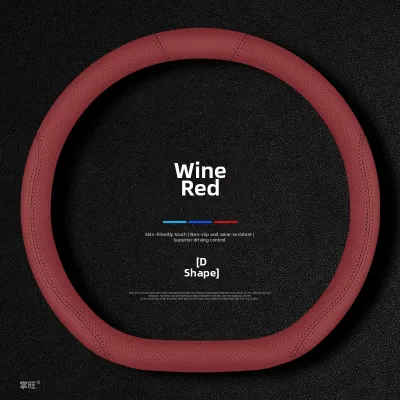
Prices are valid at publication and may change. Please refer to the product page for the latest price.
Grip and Driving Feel: Evaluating Tactile Feedback and Comfort
The physical connection between your hands and the steering wheel directly influences your confidence on the road. Genuine leather provides a classic, firm tactile feedback. Under dry conditions, high-quality leather offers a comfortable, natural slip-resistance that allows for smooth hand-over-hand steering transitions. However, in highly humid environments, moisture on your palms can occasionally cause a slightly slick sensation on smooth leather surfaces. To mitigate this, many drivers look for perforated leather sections that help channel away moisture and improve overall breathability.

Suede offers a completely different tactile experience, characterized by its soft, napped texture. This raised surface creates a high level of friction, giving you an exceptionally secure grip even with minimal hand pressure. For drivers who prefer a sporty, connected feel during spirited drives, suede provides an immediate sense of control. The material naturally absorbs minor palm moisture, preventing the greasy or slippery sensation that can sometimes occur on non-perforated synthetic or smooth leather surfaces.
Temperature regulation is another critical factor for vehicles parked in open-air car parks or exposed to direct sunlight. Smooth genuine leather tends to absorb and retain heat rapidly, making the steering wheel uncomfortably hot to touch after a few hours under the sun. Suede, due to its textured pile and lower thermal conductivity, generally feels less intensely hot or cold to the touch, offering a more consistent temperature regardless of the weather.
When evaluating these materials, it is essential to check the manufacturer’s specific claims regarding slip resistance and backing materials. A cover’s grip is only as good as its inner lining; look for covers featuring high-friction, non-slip rubber or silicone inner rings that prevent the cover from sliding against the original steering wheel surface during sudden maneuvers.
Aesthetics and Interior Match: Styling Your Elantra
The Hyundai Elantra features a modern, driver-centric cockpit design, particularly in recent generations which boast sweeping digital displays and a structured dashboard layout. Choosing a steering wheel cover requires careful consideration of how the material complements this existing design language. Genuine leather delivers a premium, slightly reflective finish that seamlessly integrates with the Elantra’s standard interior trims. It projects a sophisticated, executive appearance that matches well with factory leather seats and satin-chrome accents.
Suede introduces a distinctly athletic, performance-oriented aesthetic to the cabin. Its matte, light-absorbing surface creates a striking visual contrast against the glossy screens and metallic trim of the Elantra’s dashboard. This material is highly favored by those looking to emulate the cockpit feel of high-performance sports cars. However, because suede absorbs light rather than reflecting it, it can make the steering wheel area look visually heavier, which may or may not appeal to your personal taste.
The way these materials age is another crucial aesthetic differentiator. Genuine leather is highly resilient and, over years of use, develops a natural patina. This aging process often enhances the character of the leather, making it look richer and more integrated into the cabin over time, provided it is kept clean. Suede does not age in the same manner. Without meticulous care, the constant friction from your hands will flatten the delicate nap, leading to shiny, worn patches and potential discoloration in high-contact areas.
To achieve a cohesive look, pay close attention to the stitching and color options. If your Elantra features red or blue contrast stitching on the seats or door panels, selecting a cover with matching thread can tie the entire interior design together. Conversely, if your cabin is primarily monochrome, a simple black-on-black stitched cover maintains a clean, factory-installed appearance without cluttering the visual space.
Maintenance and Durability: Comparing Daily Care Requirements
Long-term satisfaction with your steering wheel cover depends heavily on your willingness to maintain it. Genuine leather is exceptionally forgiving and fits easily into a standard car cleaning routine. Because its surface is relatively non-porous, it resists the immediate penetration of hand oils, lotions, and accidental spills. Cleaning typically requires nothing more than a damp microfiber cloth followed by a dedicated leather cleaner and conditioner applied according to the product label instructions. Regular conditioning keeps the leather supple and prevents it from cracking under intense UV exposure.
Suede requires a much more specialized and disciplined maintenance approach. The very texture that provides its excellent grip also acts as a trap for dust, dead skin cells, hand oils, and moisture. If left untreated, these contaminants bind the fibers together, causing the suede to lose its soft texture and turn into a hard, smooth, and unsightly surface. To prevent this, you must use a dedicated suede brush regularly to gently lift the nap and remove loose dirt. For deeper cleaning, only use specialized suede cleaners, as standard leather conditioners or harsh detergents will permanently ruin the texture.
Both materials are susceptible to the degrading effects of ultraviolet (UV) radiation, which is particularly intense in tropical climates. Over time, constant sun exposure can fade the rich colors of both leather and suede, while also drying out the fibers and causing premature cracking or shedding. To protect your investment, look for covers that specify UV-resistant treatments during the manufacturing process. Additionally, using a high-quality windshield sunshade when parked outdoors is a highly effective, low-cost way to shield your steering wheel and dashboard from direct solar damage.
Fitment, Safety, and Installation: Verifying Compatibility
Before purchasing any interior accessory, verifying physical compatibility is paramount for your safety on the road. Steering wheels are not universally sized, and even within the Hyundai Elantra lineup, dimensions can vary across different model years and trim levels, such as the standard trims versus the sportier N Line or N models. You must physically measure the outer diameter of your steering wheel and the thickness of the grip using a flexible measuring tape before placing an order. Relying solely on generic compatibility lists on online marketplaces can result in a cover that is either too loose or impossible to install.
Safety must always take precedence over aesthetics. A steering wheel cover that is too bulky can make it difficult to wrap your fingers securely around the wheel, reducing your steering precision during emergency maneuvers. Furthermore, the cover must not obstruct any steering-wheel-mounted controls, paddle shifters, or interfere with the driver’s airbag deployment zone located in the center hub. Always refer to your Hyundai Elantra owner’s manual to understand the exact boundaries of the steering assembly and airbag modules.
The installation process itself requires careful attention. Many high-quality covers are designed to fit extremely tightly, often requiring significant physical effort to stretch over the wheel. This tight fit is intentional and necessary to prevent the cover from slipping when you turn. If a cover slips even slightly during a turn, it poses an immediate safety hazard. For the most secure fit, some drivers opt for stitch-on wrap covers, which are sewn directly over the existing wheel rim. While these require several hours of meticulous installation, they offer a completely flush, non-slip fit that mimics factory upholstery. If you are uncomfortable with the installation process, seeking assistance from a qualified automotive upholstery professional is highly recommended.
Final Decision Framework: Which Material Should You Choose?
To finalize your choice, evaluate your driving habits and lifestyle against the following structured framework:
Choose Genuine Leather if:
- You want a durable, low-maintenance cover that is easy to wipe clean after daily commutes.
- You prefer a classic, premium aesthetic that matches standard factory leather interiors.
- You want a material that ages gracefully and develops a smooth patina over time.
Choose Suede if:
- You prioritize a high-friction, sporty grip that prevents hand slippage during spirited driving.
- You desire a modern, matte, performance-oriented look for your Elantra's cockpit.
- You are committed to regular maintenance, including brushing and using specialized suede cleaners.
Verify first if:
- The cover's inner diameter matches your specific Hyundai Elantra model year and trim specifications.
- The product listing provides clear details regarding material composition, backing slip-resistance, and return policies.
- You have the opportunity to visit a local automotive accessory store to feel both materials in person before making your final purchase.
Frequently Asked Questions (FAQ)
Can I install a steering wheel cover over the existing factory leather?
Yes, you can install a cover over factory leather, but you must proceed with caution. Adding a cover will significantly increase the overall thickness of the steering wheel grip, which may feel uncomfortable or bulky if you have smaller hands. Additionally, there is a risk of trapping moisture, dirt, and friction between the cover and the factory leather. Over time, this trapped debris can rub against the original leather, causing premature wear, scuffing, or discoloration. If you decide to layer a cover, ensure both surfaces are thoroughly cleaned and dried beforehand, and inspect the factory leather periodically.
Do suede steering wheel covers shed or leave residue on hands?
High-quality genuine suede or premium synthetic suede alternatives are engineered to resist shedding and should not leave residue on your hands during normal use. However, lower-quality materials or covers subjected to improper cleaning may experience pilling, where small fibers clump together and transfer to your palms. To minimize this risk, always verify the material specifications and read user reviews regarding long-term wear. If you notice shedding, it is often a sign of fiber degradation, indicating that the material needs a gentle brush or is reaching the end of its usable lifespan.
Community discussion
Share your experience or ask a question. Comments are reviewed before publication.