
Choosing between a genuine leather and a suede steering wheel cover for your Hyundai Avante comes down to balancing tactile grip under humid conditions against long-term durability and ease of maintenance. The steering wheel is your primary physical connection to the vehicle, and upgrading its surface can significantly alter your daily driving experience. In tropical climates where high humidity and intense sunlight are daily realities, this choice becomes even more critical for comfort and control.
Suede offers an exceptionally high-friction surface that excels at managing hand sweat, making it a popular choice for drivers seeking a sporty, secure hold. Genuine leather, on the other hand, provides a classic, smooth texture that is highly durable and remarkably easy to clean, though it can become slick when exposed to moisture. Before making a purchase, verifying the exact dimensions of your Hyundai Avante’s steering wheel is essential, as different model generations and trim levels feature varying wheel diameters and grip thicknesses.
Grip, Comfort, and Driving Feel Compared
Evaluating how a steering wheel cover feels in your hands involves looking at both the physical texture of the material and how it responds to environmental changes. The cabin of a car parked in an open-air carpark can trap immense heat, directly affecting the temperature of the steering wheel. Furthermore, transitioning from the humid outdoor air to an air-conditioned cabin changes the moisture levels on your skin, which directly impacts how much traction you can maintain on the wheel.
Products mentioned in this guide
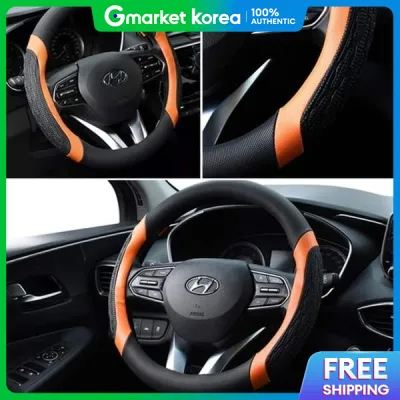
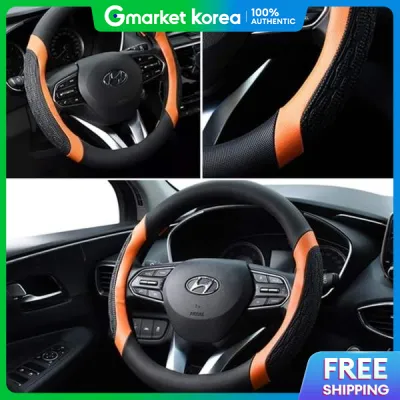
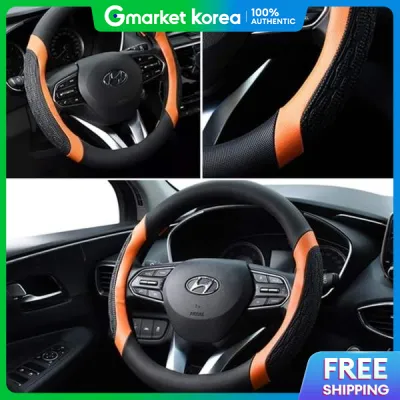
Prices are valid at publication and may change. Please refer to the product page for the latest price.
Genuine leather and suede handle these environmental shifts in fundamentally different ways. Leather relies on a smooth, sealed surface that can feel luxurious and consistent in dry conditions but may require more physical grip strength when humidity rises. Suede utilizes a raised, fibrous nap that creates mechanical friction against your skin, offering a highly secure feel regardless of ambient moisture. Understanding these physical characteristics helps you select a material that aligns with your typical driving routes, whether you are navigating tight urban corners or cruising on long highway stretches.
Grip and Handling Control
Suede is widely recognized for its high-friction surface, which provides an immediate sense of security when you wrap your hands around the wheel. The microscopic fibers of the material interlock slightly with the ridges of your skin, preventing your hands from slipping during sudden maneuvers or sharp turns. This makes suede highly suitable for drivers who prefer a connected, performance-oriented driving feel and want to minimize any chance of hand slippage when negotiating winding roads or heavy traffic.
Genuine leather offers a smoother, more traditional texture that allows for effortless hand-over-hand steering. This lower initial friction makes low-speed maneuvers, such as parallel parking in tight urban spaces, feel fluid and relaxed as the wheel can slide controlledly through your palms. However, if your hands tend to sweat or if the cabin humidity is exceptionally high, a smooth leather surface can become slick. In these situations, maintaining a secure hold on a leather cover requires a firmer grip compared to suede.
When choosing between the two, consider your daily driving environment. If your commute consists of stop-and-go city driving with frequent turns, the high-friction grip of suede can reduce hand fatigue by requiring less squeezing force. If your drive is mostly straightforward highway cruising, the smooth, gliding feel of genuine leather may offer a more relaxed and comfortable experience.
Comfort and Temperature Sensitivity
Temperature management is a crucial factor for cabin comfort, especially when a vehicle is left exposed to direct sunlight. Genuine leather is highly conductive and acts as a thermal sink, absorbing heat rapidly. When you first enter a hot car, a leather steering wheel cover can feel uncomfortably hot to the touch, requiring you to wait for the air conditioning to cool the cabin before you can drive comfortably.
Suede exhibits much lower thermal conductivity due to its fibrous structure, which traps tiny pockets of air. This insulation barrier prevents the material from reaching the extreme temperatures associated with solid leather. Even after hours of sun exposure, a suede cover remains relatively neutral and soft to the touch, allowing you to drive off immediately without discomfort.
Beyond temperature, the physical cushioning of the cover plays a major role in hand comfort. Many aftermarket covers feature integrated foam padding or breathable inner linings. When browsing options, check the product specifications for these added layers, as a heavily padded leather cover might feel completely different from a thin, unpadded stitch-on suede wrap.
Durability, Maintenance, and Daily Wear
While driving feel is important, the long-term appearance and usability of your steering wheel cover depend heavily on how the material ages and how much effort you are willing to invest in maintenance. A steering wheel cover is constantly exposed to friction, UV radiation, skin oils, hand sanitizers, and dirt. Over time, these factors will alter the texture and appearance of both genuine leather and suede.

Leather is highly forgiving of daily neglect and tends to develop a natural patina over years of use, whereas suede requires proactive care to prevent its delicate fibers from flattening and losing their unique texture. Understanding the realistic maintenance commitment for each material ensures you do not end up with a worn-out, slippery cover after just a few months of daily driving.
Longevity and Wear Resistance
Genuine leather is highly resilient and stands up exceptionally well to the constant abrasion of daily driving. High-quality leather can withstand years of friction without tearing or wearing thin, provided it is kept clean. As it ages, leather naturally darkens and develops a sheen, a process known as patination, which many drivers find aesthetically appealing. If the leather begins to dry out, applying a dedicated conditioner can restore its flexibility and prevent cracking.
Suede is significantly more vulnerable to the oils and moisture naturally present on human hands. Over time, these oils saturate the fine fibers of the suede, causing them to flatten, mat down, and accumulate dirt. This process, often referred to as “pilling” or “matting,” turns the once-soft suede into a smooth, shiny, and surprisingly slippery surface. Without regular maintenance, a suede cover can begin to look worn and lose its grip characteristics within a year of heavy use.
Before purchasing, it is wise to inspect the manufacturer’s warranty terms and expected lifespan guidelines. High-quality synthetic suede alternatives, such as Alcantara, often offer slightly better resistance to matting than traditional split-leather suede, but both still require significantly more care than genuine leather to preserve their original texture.
Cleaning and Care Requirements
Maintaining a genuine leather steering wheel cover is straightforward and fits easily into a standard car cleaning routine. For routine care, a simple wipe-down with a damp microfiber cloth is usually sufficient to remove surface dust and light oils. To address deeper dirt, you can apply a mild, label-authorized automotive leather cleaner, followed by a thin coat of leather conditioner to keep the material supple. Avoid using harsh household detergents, multi-purpose sprays, or excessive water, as these can strip the natural oils from the leather and cause premature cracking.
Suede requires a specialized, multi-step cleaning process to maintain its nap and prevent matting. You will need a dedicated suede brush with soft brass or nylon bristles to gently lift the flattened fibers after daily use. If stains or oil buildup occur, you must use a specialized suede cleaner designed to lift dirt without soaking the material. Excessive water is highly damaging to suede, as it can cause the fibers to stiffen and discolor upon drying.
If you frequently use hand lotions, moisturizers, or alcohol-based hand sanitizers, be aware that these substances will rapidly degrade suede fibers. Leather is much more resistant to chemical exposure from hand products, though it should still be wiped down regularly to prevent a greasy buildup.
Fitment and Installation Checks for Hyundai Avante
Ensuring a precise fit is the most critical safety aspect of choosing any steering wheel cover. A cover that is too loose can slip during a sudden turn, leading to a dangerous loss of steering control. Because the Hyundai Avante has been produced across multiple generations—such as the sixth-generation AD model and the seventh-generation CN7 model—steering wheel dimensions, spoke configurations, and grip profiles vary significantly.
Before purchasing a cover, use a flexible measuring tape to measure the outer diameter of your Avante’s steering wheel, as well as the circumference of the grip at its thickest point. Most modern Avante models feature a steering wheel diameter of approximately 37 to 38 centimeters, but verifying this against your specific vehicle documentation is essential. Additionally, you must choose between two primary installation styles:
- Slip-On Covers: These feature a rigid rubber or silicone inner ring wrapped in leather or suede. They are incredibly easy to install, taking only a few minutes to stretch over the wheel. However, they add noticeable bulk to the steering wheel diameter, which may not suit drivers with smaller hands. When buying a slip-on cover, ensure the inner lining is made of high-friction, non-slip rubber to prevent the cover from rotating independently of the wheel.
- Stitch-On Wraps: These are thin leather or suede sleeves that wrap tightly around the wheel rim and are hand-sewn together using a needle and thread. While installation is labor-intensive—often requiring two to four hours of meticulous stitching—the result is a seamless, factory-like appearance that adds virtually no excess bulk. Because they are sewn directly onto the wheel, there is zero risk of the cover slipping during driving.
Safety must always be your top priority during installation. Ensure the cover does not obstruct your access to steering wheel buttons, paddle shifters, or the driver’s line of sight to the instrument cluster. If your Hyundai Avante is equipped with integrated steering wheel sensors, driver-assist touch sensors, or a factory heated steering wheel, consult your vehicle’s owner manual or a qualified professional before installing a cover, as thick aftermarket materials can block sensor signals or insulate heat transfer.
Decision Framework: Choose Based on Your Driving Style
To make your final decision, evaluate how your driving habits, maintenance preferences, and aesthetic goals align with the characteristics of each material. Use the following guidelines to select the cover that best fits your lifestyle:
- Choose Suede if: You prioritize a sporty, high-friction grip that prevents hand slippage during spirited driving. Suede is ideal if you frequently drive with sweaty hands or dislike the initial heat of a sun-baked steering wheel. However, you must be willing to commit to regular brushing and specialized cleaning to prevent the fibers from matting over time.
- Choose Genuine Leather if: You want a premium, classic look that is highly durable and requires minimal maintenance. Leather is perfect for daily commuting, offering a smooth feel that allows for easy hand-over-hand steering. It is the practical choice if you want a cover that is easy to wipe clean and will last for years without showing significant wear.
- Verify First if: You are unsure of your Hyundai Avante's exact steering wheel dimensions or trim specifications. Always measure your wheel's outer diameter and grip thickness before ordering. If you are purchasing from an online marketplace, check the seller's return policy so you can exchange the cover if the physical fit or material texture does not meet your expectations.
Frequently Asked Questions (FAQ)
Will a thick steering wheel cover affect my Avante's steering feel?
Yes, adding any aftermarket cover will increase the overall diameter and thickness of your steering wheel. A thicker grip alters the ergonomics of your hands, which can make the steering feel heavier or require slightly more effort during tight maneuvers. While some drivers prefer a thicker wheel for a more substantial, sporty feel, those with smaller hands may find it fatiguing over long drives. To minimize this effect, consider a thin, stitch-on wrap rather than a bulky slip-on cover.
Can I install a stitch-on suede cover myself?
Yes, you can install a stitch-on cover yourself, but it requires a high degree of patience, basic hand-sewing skills, and several hours of focused work. The process involves aligning the cover perfectly around the wheel spokes and threading a needle through pre-punched holes along the edges. If the wrap is not pulled tight or if the stitching is loose, the cover may shift during driving, creating a safety hazard. If you are not confident in your sewing ability, seeking professional automotive upholstery services is highly recommended.
Do steering wheel covers interfere with heated steering wheels?
Yes, both leather and suede steering wheel covers act as thermal insulators. If your Hyundai Avante is equipped with a factory-installed heated steering wheel, installing a cover will significantly reduce or entirely block the transfer of heat to your hands. Thick slip-on covers with rubber inner rings are particularly restrictive. If you wish to retain the heated function, look for specialized, ultra-thin covers that explicitly state compatibility with heated steering systems, or consult the manufacturer before purchasing.
Community discussion
Share your experience or ask a question. Comments are reviewed before publication.