
Choosing between a genuine leather and a suede steering wheel cover depends on your daily driving environment, maintenance habits, and how your hands react to long hours behind the wheel. Genuine leather offers a classic, highly durable surface that is exceptionally easy to clean, making it ideal for daily commuters who prioritize low-maintenance comfort. Suede, on the other hand, provides an ultra-high-friction, sporty grip that excels in dry conditions, though it requires dedicated upkeep to prevent the material from matting and absorbing hand oils. By evaluating how these materials handle moisture, cabin heat, and long-term wear, you can select an aftermarket cover that enhances your driving control without compromising safety.
How Grip and Comfort Differ Between Leather and Suede
The tactile connection between your hands and the steering wheel directly influences your driving confidence and comfort. Suede is widely recognized for its high-friction, matte texture, which offers an immediate, secure grip the moment you wrap your fingers around the wheel. This material consists of tiny, raised fibers that create a soft, high-traction surface, preventing your hands from sliding even during rapid steering inputs. For drivers who enjoy a spirited, connected feel on dry roads, this velvety texture provides a reassuring level of tactile feedback that feels distinctly sporty.
In contrast, genuine leather features a smoother, more polished finish that relies on the natural grain of the hide to provide traction. While a high-quality leather cover feels premium and supple, its smoother surface naturally offers less initial friction than suede. Under normal driving conditions, leather provides a comfortable, relaxed grip that allows your hands to slide smoothly when letting the wheel self-center after a turn. However, the level of grip can vary depending on whether the leather is perforated, textured, or completely smooth.
Products mentioned in this guide
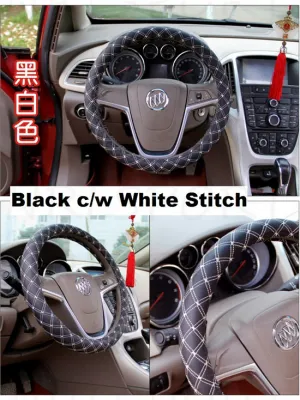

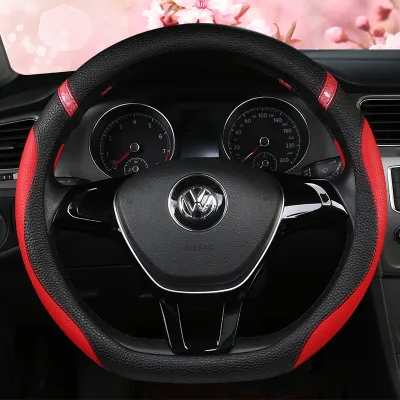
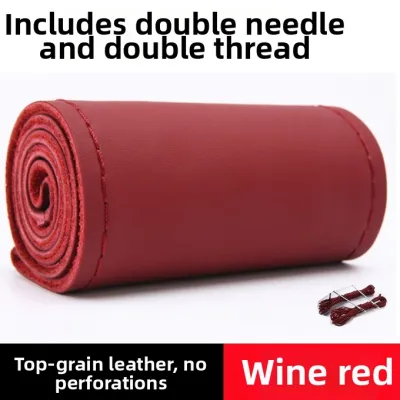

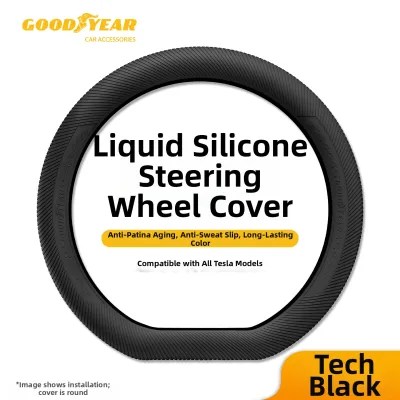
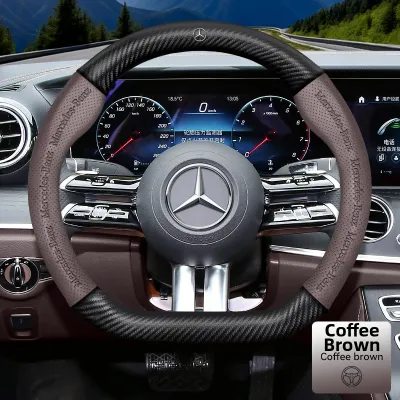
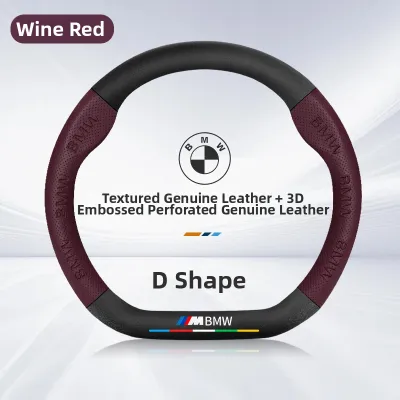
Prices are valid at publication and may change. Please refer to the product page for the latest price.
Moisture and hand sweat introduce a significant divergence in how these two materials perform. When your hands become damp, suede behaves like a sponge, absorbing moisture directly into its fibrous structure. While this initial absorption can keep your palms feeling dry for a short period, saturated suede can eventually become slippery, and the combination of moisture and friction accelerates the degradation of the delicate fibers. Genuine leather does not absorb moisture as readily; instead, sweat tends to pool on the surface, which can make the wheel feel slick or greasy. However, the key advantage of leather is that any accumulated moisture can be instantly wiped away with a clean cloth, restoring full grip immediately.
Tactile comfort is also heavily influenced by temperature retention, especially when your vehicle is parked under direct sunlight in a warm, tropical climate like Singapore. A cabin exposed to intense solar radiation can cause steering wheel surfaces to reach uncomfortable temperatures. Suede excels in temperature regulation because its fibrous, porous structure does not retain heat as intensely as solid materials, allowing it to feel relatively cool to the touch even after hours in the sun. Genuine leather, being a dense and solid material, absorbs and retains heat much more efficiently, often becoming hot enough to cause discomfort during the first few minutes of driving until the cabin climate control lowers the temperature.
Durability, Maintenance, and Climate Considerations
The long-term performance of your steering wheel cover is closely tied to how much effort you are willing to invest in its upkeep. Genuine leather is highly resilient and requires a relatively straightforward cleaning routine. To maintain its appearance and prevent buildup, you can simply wipe the surface down with a damp microfiber cloth or use a mild, label-authorized leather cleaner. Because leather is non-porous compared to suede, it resists deep staining from spilled liquids, dirt, and daily grime, allowing you to maintain a hygienic driving environment with minimal effort.

Suede demands a much more specialized and disciplined maintenance routine to preserve its unique texture. Because the fibers easily trap dust, skin flakes, and oils, a suede cover must be regularly brushed with a dedicated suede brush to lift the nap and prevent matting. If the material becomes soiled, you cannot use standard liquid cleaners, as these will saturate the fibers and cause permanent staining or hardening. Instead, you must use specialized suede or microfiber cleaners, applying them sparingly and allowing the material to dry completely away from direct heat sources to avoid shrinking or warping.
The natural wear patterns of these materials also differ dramatically over years of daily use. As genuine leather ages, it absorbs a small amount of hand oils and undergoes friction, gradually developing a characteristic shine or patina. This aging process is generally considered aesthetically pleasing and does not compromise the structural integrity or grip of the cover. Suede, however, reacts poorly to the continuous transfer of hand oils. Over time, these oils saturate the fibers, causing them to flatten, mat down, and turn into a dark, smooth, and greasy surface that permanently loses its high-friction properties.
Climate factors play a decisive role in material longevity, particularly in regions characterized by high humidity and persistent heat. In Singapore, the humid air can accelerate the breakdown of organic materials and trap moisture within porous surfaces. Suede covers are highly susceptible to absorbing atmospheric humidity, which can lead to a damp feel, musty odors, and even mold growth if the vehicle is left unused in a damp environment. Genuine leather, while still requiring protection from extreme humidity to prevent mildew, is far less prone to trapping airborne moisture and odors, making it a more stable choice for humid tropical climates.
Installation, Fit, and Safety Checks
Before purchasing any aftermarket steering wheel cover, safety must be your primary consideration. The most critical factor is ensuring an exact fit and choosing the correct size for your specific vehicle model. A cover that is even slightly too loose can slip or rotate independently of the steering wheel during sudden, emergency maneuvers, leading to a catastrophic loss of steering control. Always measure the outer diameter and grip circumference of your steering wheel precisely, and verify these dimensions against the manufacturer’s product specifications rather than relying on generic vehicle compatibility lists.
You must also evaluate the thickness of the cover and how it alters the ergonomics of your steering wheel. Thick, heavily padded covers can significantly increase the overall diameter of the wheel, which may strain your hands or make it difficult to maintain a secure wrap-around grip, especially for drivers with smaller hands. Furthermore, an oversized cover can physically obstruct or interfere with integrated steering wheel controls, paddle shifters, or driver monitoring sensors mounted on the steering column. Ensure that the installed cover allows for completely unobstructed access to all original vehicle interfaces.
Finally, always consult your vehicle manufacturer’s guidelines and warranty terms before installing any aftermarket interior accessories. Some modern steering wheels feature integrated heating elements, advanced touch-sensitive sensors for driver-assist systems, or specialized materials that can be damaged by the constant pressure and friction of a tight slip-on cover. If your vehicle is equipped with these technologies, verify that the cover is explicitly rated as compatible, or consult a qualified automotive professional to ensure that the installation does not disable or interfere with critical safety systems.
Decision Framework: Which Steering Wheel Cover Should You Choose?
To make the right choice for your vehicle, weigh your daily driving habits, maintenance preferences, and local climate conditions against the characteristics of each material.
Choose Genuine Leather if:
- You want a low-maintenance accessory that can be easily wiped clean of sweat, dirt, and spills.
- You prefer a classic, premium aesthetic that develops a natural patina over time without losing its functionality.
- You frequently drive in high-humidity environments and want to avoid the risk of moisture and odor retention.
Choose Suede if:
- You prioritize maximum dry grip and tactile feedback for a sporty, connected driving experience.
- You prefer a modern, matte aesthetic and do not mind the velvety texture feeling warm or cool depending on cabin temperature.
- You are fully committed to a regular maintenance routine that includes brushing the nap and using specialized cleaners.
Verify First if:
- Your hands sweat heavily during daily commutes, as this can rapidly degrade suede and make leather feel temporarily slick.
- Your steering wheel features integrated heating, touch sensors, or driver-assist monitors that could be obstructed by an aftermarket cover.
- You have measured your steering wheel's exact dimensions to guarantee a tight, non-slip fit that preserves emergency handling capabilities.
Frequently Asked Questions (FAQ)
Can I use standard leather conditioners on a suede steering wheel cover?
No, you must never apply standard leather conditioners, oils, waxes, or creams to a suede steering wheel cover. These products are formulated to penetrate and moisturize smooth leather, and applying them to suede will instantly saturate the delicate, raised fibers, causing them to mat together permanently. This results in a ruined, greasy texture and a complete loss of the material’s characteristic grip. Always check the product label carefully and use only cleaning solutions that are explicitly formulated for suede, nubuck, or synthetic microfiber.
Do suede steering wheel covers shed or leave lint on my hands?
High-quality suede covers that feature robust edge-stitching and premium material composition generally do not shed or leave noticeable lint on your hands. However, lower-quality synthetic suedes or poorly finished covers may experience minor fiber shedding during the initial break-in period or when subjected to heavy friction. To minimize the risk of shedding, inspect the stitching quality before installation, gently brush the cover with a soft suede brush to remove any loose manufacturing fibers, and avoid using abrasive cleaning tools.
Community discussion
Share your experience or ask a question. Comments are reviewed before publication.