
Choosing the right lorry steering wheel cover is a practical decision that directly impacts your daily driving comfort, safety, and control. In Singapore’s tropical climate, where high humidity and warm temperatures are constant, the choice between genuine leather and suede (often referred to as Alcantara-style) comes down to your specific operating environment. There is no single universal winner; instead, the ideal material depends on your cabin’s climate control, your hands’ tendency to sweat, and how much time you can dedicate to interior maintenance.
Suede covers excel in dry, air-conditioned cabins where you want a high-friction, soft-touch grip right from the start of your shift. Genuine leather, on the other hand, is highly recommended for humid environments, cabins prone to heavy dust or grease, and drivers who prefer a low-maintenance surface that is easy to wipe clean. Before making a purchase, always verify the material’s authenticity, measure your steering wheel’s exact outer diameter, and check the quality of the inner non-slip lining.
Evaluating Grip and Handling for Lorry Steering
Handling a heavy commercial vehicle requires consistent physical effort, making the tactile connection to your steering wheel incredibly important. Suede offers a distinct, high-friction matte finish that feels secure even with a light grip. This texture minimizes hand slippage during tight turns or reversing maneuvers in tight loading bays. However, this high-friction surface relies on the tiny fibers of the material remaining upright and clean.
Products mentioned in this guide
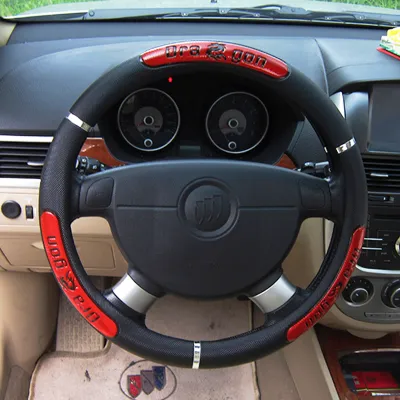
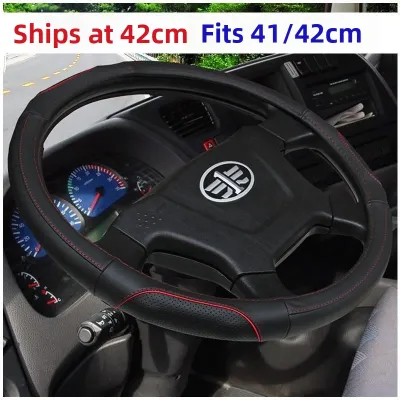
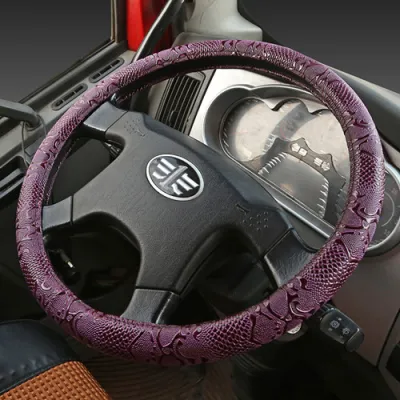
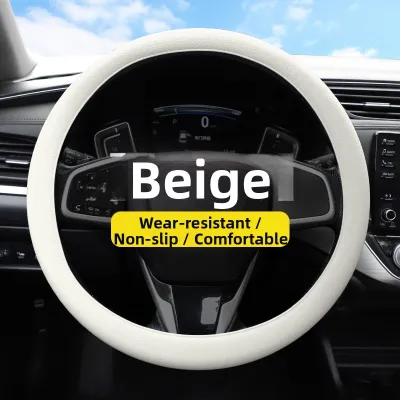
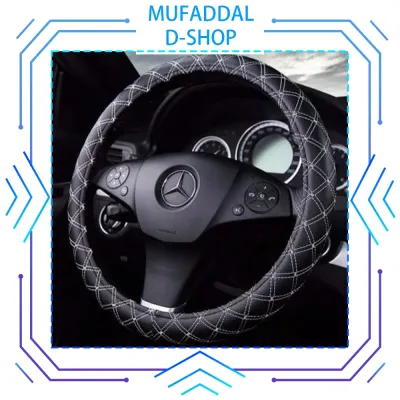
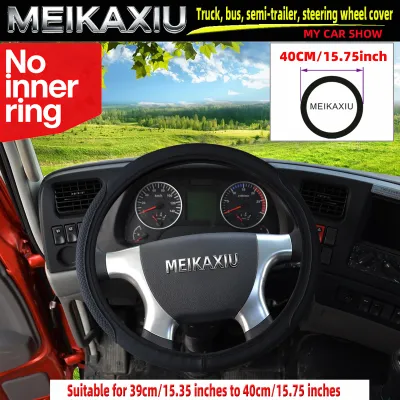
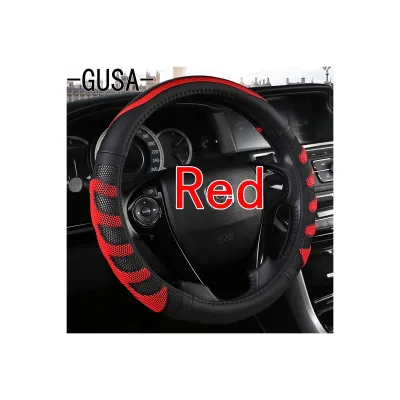
Prices are valid at publication and may change. Please refer to the product page for the latest price.
Genuine leather provides a smoother, firmer hold that naturally conforms to your hands over time. While it may feel slightly more slippery than suede when brand new, high-quality leather develops a natural tackiness as it breaks in. In Singapore’s humid weather, sweat from your palms can accumulate on the wheel during long shifts. Suede tends to absorb this moisture, which can temporarily improve grip but eventually leads to a flattened, slick texture if the fibers become saturated. Leather does not absorb moisture as quickly, allowing you to easily wipe away sweat with a quick cloth pass to restore full traction.
Regardless of the outer material you choose, the actual grip of the cover on the wheel itself is determined by the inner lining. When browsing options at local automotive shops or online marketplaces, look for covers featuring a textured, food-grade rubber or silicone inner ring. This inner lining prevents the cover from slipping or rotating independently of the steering wheel when you apply force. A slipping cover poses a serious safety hazard, so verifying this internal grip pattern is just as critical as choosing the outer fabric.
Assessing Durability and Long-Term Wear
Lorry steering wheel covers endure intense wear and tear due to the high mileage and long hours characteristic of commercial transport. Genuine leather is highly regarded for its exceptional durability under heavy-duty use. It resists minor abrasions from keys, tools, or uniform zippers and is highly resistant to tearing. As leather ages, it develops a patina—a natural sheen that actually enhances its resistance to dirt and moisture without compromising structural integrity.

Suede and Alcantara-style synthetic materials require a gentler touch to maintain their appearance and performance. Over months of continuous contact, the friction and oils from your hands will inevitably flatten the raised fibers of suede. This process, known as matting, creates shiny, smooth patches on the areas of the wheel you hold most frequently. Once matted, suede loses much of its signature grip and can become difficult to restore, making it less suitable for multi-driver fleet lorries where hand hygiene and wear patterns vary wildly.
To ensure you are buying a cover built to last, perform a close visual inspection of the stitching and edge binding. Lorry steering wheels are larger and require more torque to turn, which puts immense stress on the cover’s seams. Look for double-stitched borders and reinforced thread lines along the inner and outer edges. Avoid assuming that a premium price tag or a generic “heavy-duty” label guarantees longevity; instead, check the manufacturer’s specifications for material thickness and warranty coverage.
Comparing Comfort and Temperature Resistance
Spending eight to twelve hours behind the wheel of a commercial vehicle makes cabin comfort a top priority. One of the primary drawbacks of genuine leather is its high thermal conductivity. If your lorry is parked in an open-air industrial yard under direct sunlight, a leather cover will absorb and retain heat, making it uncomfortably hot to touch when you first start your shift. Suede, by contrast, is highly temperature-neutral, remaining relatively cool to the touch even after hours of sun exposure.
However, hand fatigue during long hauls is rarely caused by the outer material alone. The level of cushioning and vibration dampening you experience depends heavily on the inner padding layer of the cover. Many premium lorry steering wheel covers incorporate a layer of high-density foam or gel beneath the outer leather or suede wrap. This padding helps absorb road vibrations transmitted through the steering column, reducing joint strain in your fingers and wrists.
If your lorry cabin lacks consistent, high-performing air conditioning, breathability becomes a major factor in your comfort. Perforated genuine leather covers offer a practical compromise, allowing air to circulate and reducing the buildup of sweat under your palms. Suede is naturally breathable due to its fibrous structure, but this benefit decreases if the material becomes clogged with dirt, dust, or sweat. Always verify the thickness of the padding and the presence of ventilation features before finalizing your choice.
Decision Framework: Which Cover Fits Your Needs?
To help you decide which material aligns best with your daily driving routine, consider the specific conditions of your lorry’s cabin and your personal maintenance habits.
Choose Suede if:
- Climate-controlled cabin: Your lorry cabin is consistently air-conditioned and kept free of heavy dust or grease.
- Immediate grip priority: You prioritize an immediate, high-friction grip that feels soft and premium.
- Maintenance willingness: You are willing to spend a few minutes each week brushing the material to keep the fibers clean and upright.
- Sun exposure concerns: You frequently park in uncovered areas and want a cover that stays cool in the sun.
Choose Genuine Leather if:
- Variable environments: Your driving environment involves variable temperatures, high humidity, or dusty construction sites.
- Low-maintenance preference: You prefer an accessory that can be cleaned with a quick wipe of a damp cloth.
- Long-term investment: You want a cover that becomes more comfortable and characterful as it wears in.
- Shared vehicles: You share the vehicle with other drivers and need a surface that is easy to sanitize between shifts.
Verify First if:
- Sizing compatibility: The cover matches the exact outer diameter of your lorry's steering wheel, which typically ranges from 40cm to 50cm.
- Grip thickness: The thickness of the cover is comfortable for your hand size without making the wheel feel excessively bulky.
- Wheel shape: Your steering wheel features a flat-bottom (D-shape) design or unique spoke configurations that require a specialized cover shape.
Installation Checks and Daily Maintenance
Installing a lorry steering wheel cover requires patience and care to ensure a secure fit without damaging the accessory or your vehicle. Always follow the manufacturer’s step-by-step installation guide, as some covers require pre-warming (such as leaving them in the sun or using a hairdryer on a low setting) to make the material pliable enough to stretch over the large wheel. Forcing a cold, stiff cover onto the wheel can tear the stitching or damage the delicate seams of your original steering wheel.
Daily maintenance routines should be tailored strictly to the material you choose to prevent premature degradation. For genuine leather, use a slightly damp microfiber cloth to wipe away dust and sweat at the end of your shift. Avoid using harsh household detergents, dish soap, or alcohol-based sanitizers, as these chemicals strip the natural oils from the leather, leading to cracking and peeling. For suede covers, use a soft-bristled dry brush specifically designed for suede or Alcantara to gently lift the fibers and remove embedded dirt.
Safety must always come first when modifying any part of your vehicle’s control interface. If your lorry’s steering wheel features integrated buttons, driver monitoring sensors, or heating elements, ensure the cover does not block or interfere with these systems. If you notice the cover slipping during turns, or if it obstructs the deployment zone of a steering-wheel-mounted airbag, stop using it immediately and consult a professional installer or your fleet manager for a safer alternative.
Frequently Asked Questions (FAQ)
Can I use a standard car steering wheel cover on a lorry?
Standard passenger car steering wheel covers are designed for wheels with a diameter of 37cm to 39cm. Lorries and commercial heavy goods vehicles have much larger steering wheels, often measuring between 40cm and 50cm in diameter, with significantly thicker rims. Attempting to stretch a standard car cover onto a lorry wheel will cause the material to tear, or prevent it from fitting entirely. Always use a tape measure to find the exact outer diameter and rim circumference of your lorry’s wheel, then purchase a cover specifically labeled for commercial vehicles.
Does a steering wheel cover affect the lorry's warranty or safety systems?
An aftermarket steering wheel cover can affect your vehicle’s safety compliance if it is installed incorrectly or blocks essential components. Modern lorries often feature driver-assist sensors, lane-keeping haptic feedback, and integrated control buttons directly on the steering wheel rim or spokes. If a cover covers these sensors or restricts the movement of the wheel, it could compromise safety systems or void parts of the vehicle’s warranty. Before installing any cover, consult your lorry’s owner manual or speak with your fleet manager to ensure compliance with local transport safety regulations.
Community discussion
Share your experience or ask a question. Comments are reviewed before publication.