
Selecting the ideal gear knob cover is more than a cosmetic upgrade; it directly influences your physical connection to your vehicle’s drivetrain. For drivers seeking a low-maintenance, classic feel that withstands daily wear, genuine leather is the practical choice. If your priority is maximum tactile feedback and high-friction grip during spirited driving, suede offers an unmatched performance-oriented texture. Your decision ultimately hinges on your daily driving environment, your maintenance habits, and how you interact with your shifter.
Identifying Your Driving Style and Shift Preferences
To choose the right material, you must first analyze your daily driving routine and how you handle the gear shifter. Commuters navigating heavy, stop-and-go traffic require a cover that remains comfortable during constant, repetitive shifts. In these scenarios, a smooth surface that allows your palm to glide easily over the knob can reduce localized hand strain over long periods.
Conversely, spirited driving on winding roads or closed tracks demands a completely different tactile relationship with your car. When executing rapid, precise gear changes, any slight slip of the hand can lead to a missed shift or disrupted momentum. For these high-demand situations, a high-friction surface that locks your hand in place becomes a valuable asset.
Products mentioned in this guide

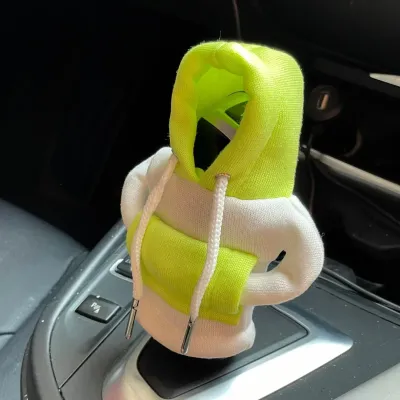
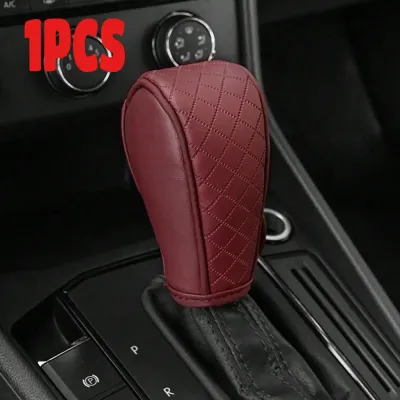
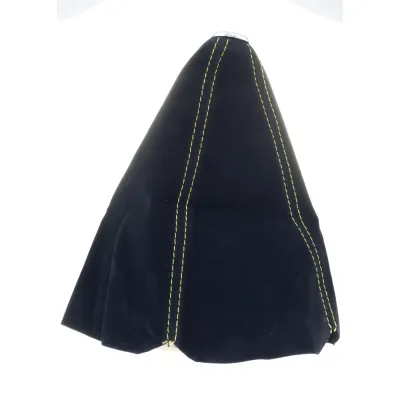
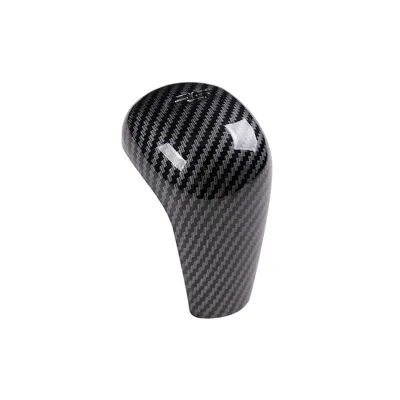
Prices are valid at publication and may change. Please refer to the product page for the latest price.
Your choice of handwear also plays a critical role in this decision. Drivers who prefer bare-handed contact typically favor materials that feel natural against the skin and do not collect sweat rapidly. If you wear dedicated driving gloves, however, certain materials interact far better with synthetic or leather glove palms to maximize control.
Finally, consider your aesthetic preferences and how they align with your vehicle’s interior design. A classic leather cover complements traditional luxury or clean, modern cabins without drawing excessive attention. A suede cover, on the other hand, immediately signals a motorsport-inspired aesthetic that matches carbon fiber accents or sport seats.
Grip and Tactile Feedback: Leather vs Suede
The primary functional difference between these two materials lies in their surface friction and how they communicate mechanical feedback to your hand. Suede features a raised, napped texture consisting of tiny, flexible fibers that naturally conform to the micro-contours of your palm. This structural characteristic creates a high-friction interface, ensuring your hand remains securely anchored even during sudden, aggressive gear transitions.

Genuine leather offers a smoother, more uniform surface that provides a consistent feel across the entire shift pattern. While it lacks the immediate, high-traction bite of suede, high-quality leather gradually softens and molds to the unique shape of your hand over months of use. This custom-fit sensation provides a highly personalized, comfortable grip that improves the longer you own the vehicle.
Environmental factors and physical exertion heavily influence how both materials perform in real-time. During intense driving sessions, hand moisture and sweat can make a smooth leather surface feel slightly slick or greasy, temporarily reducing your control. Suede is highly effective at absorbing initial moisture to maintain its grip, but excessive saturation will eventually cause the fibers to flatten and lose their tactile advantage.
In high-humidity environments, such as tropical climates, the ambient moisture in the air can alter the baseline feel of both covers. Leather tends to resist absorbing atmospheric moisture, maintaining its characteristic smooth texture. Suede can absorb dampness from the air, occasionally feeling slightly heavy or tacky until the cabin climate control system dries the interior.
Durability, Upkeep, and Climate Resilience
Maintaining the appearance and structural integrity of your gear knob cover requires a clear understanding of each material’s long-term resilience. Genuine leather is highly durable and naturally resistant to the oils, dirt, and sweat transferred from your hands. For routine maintenance, a simple wipe-down with a damp microfiber cloth is usually sufficient to keep the surface clean and free of debris.
Suede requires a significantly higher level of commitment to prevent premature wear and deterioration. Because of its open, fibrous structure, it acts like a sponge for hand oils, dust, and dead skin cells. Over time, these contaminants bind the fibers together, causing the material to mat down into a shiny, hard, and slippery surface that loses both its aesthetic appeal and its grip.
To preserve suede, you must use specialized tools and cleaning agents specifically labeled for use on delicate nap textures. Regular brushing with a dedicated brass or nylon suede brush is necessary to lift the fibers and release trapped dirt. If the material becomes heavily soiled, you must apply a specialized suede cleaner sparingly, as excess liquid can permanently stain or stiffen the backing.
The climate inside a parked vehicle can be incredibly harsh, with cabin temperatures rising rapidly under direct sunlight. High heat can dry out genuine leather, leading to cracking or fading if it is not treated occasionally with a dedicated leather conditioner. For both materials, extreme heat and humidity can degrade the adhesives or inner foam linings used to secure the cover, potentially causing the accessory to slip or peel away from the gear knob.
Comfort and Temperature Sensitivity
Cabin temperature fluctuations directly impact how comfortable a gear knob cover feels when you first enter your vehicle. Genuine leather is highly conductive, meaning it readily absorbs and retains ambient temperatures. On hot days, a leather gear knob left in direct sunlight can become uncomfortably hot to the touch, requiring you to wait for the air conditioning to cool the cabin before shifting comfortably.
Suede exhibits excellent temperature-neutral properties, making it far more resilient to extreme weather conditions. Because the fibrous nap creates a microscopic barrier of air between your skin and the solid structure of the knob, it rarely feels excessively hot or freezing cold. This thermal stability allows you to operate the shifter immediately and comfortably, regardless of how long the car has been parked.
For long-distance journeys, the physical texture of the cover plays a major role in hand fatigue. The soft, cushioned feel of suede provides a gentle interface that reduces pressure points on your palm during extended drives. However, some drivers find the continuous high-friction drag of suede tiring over several hours, preferring the effortless glide and smooth transitions offered by a well-broken-in leather cover.
Fitment, Safety, and Installation Verification
Before purchasing any aftermarket gear knob cover, you must verify its compatibility with your specific vehicle model to ensure safe operation. Shifters come in a wide variety of shapes, including spherical, teardrop, T-shaped, and ergonomic pistol-grip designs. A cover designed for a round knob will not fit securely on a teardrop shifter, leading to loose material that can slip during critical driving maneuvers.
To guarantee a precise fit, use a flexible measuring tape to record the exact height, width, and circumference of your gear knob. Compare these measurements directly with the manufacturer’s specifications rather than relying on generic “universal fit” claims. If your vehicle features a reverse lockout collar—a mechanism you must pull up to engage reverse—verify that the cover’s lower edge does not block this movement.
The method used to secure the cover is a vital safety consideration. Some covers use elastic bands for quick installation, while others require hand-stitching with a needle and thread for a tight, custom fit. Avoid covers that rely on low-grade, permanent adhesives that can ruin the original material underneath, and ensure that whatever fastening method you choose prevents the cover from rotating or sliding under heavy hand pressure.
Always check your vehicle’s original documentation before attempting to disassemble or modify any part of the shifter assembly. If your gear knob contains integrated electronics, such as digital gear indicators, overdrive buttons, or park-assist sensors, consult a qualified professional to avoid damaging internal wiring. Ensure the added thickness of the cover does not obscure the shift pattern layout if your vehicle requires it to be visible for road legality.
Decision Framework: Choosing the Right Material
To finalize your decision, evaluate your driving habits against a clear set of practical priorities. Choose a genuine leather gear knob cover if your vehicle serves primarily as a daily commuter, and you want a premium, long-lasting accessory that requires minimal upkeep. Leather is the ideal choice for drivers who value a smooth, classic feel and want a cover that easily wipes clean after a busy day.
Opt for a suede gear knob cover if your driving style is performance-oriented, and you prioritize absolute grip and tactile feedback above all else. Suede is perfect for track enthusiasts or spirited drivers who do not mind dedicating time to regular brushing and specialized cleaning. This material is also highly suitable if your car is frequently parked in open areas where sun exposure makes metal or leather shifters uncomfortably hot.
Before finalizing any purchase on an online marketplace or specialty automotive store, carefully inspect the product specifications. Verify that the listing explicitly details the exact dimensions, material composition, and installation method. Choosing a cover that matches your vehicle’s precise specifications ensures a safe, comfortable, and visually appealing upgrade to your driving experience.
Frequently Asked Questions (FAQ)
Can I use a generic steering wheel cover for my gear knob?
No, you should never attempt to repurpose a steering wheel cover or its leftover material for a gear knob. Steering wheel covers are engineered with different thicknesses, stretch profiles, and diameters designed specifically for wide, thin rims. Using these materials on a gear shifter can result in a loose, bulky fit that interferes with your shift boot, blocks mechanical linkages, or slips during gear changes, creating a serious safety hazard.
How do I restore a matted suede gear knob cover?
To restore matted suede, start by using a dedicated suede brush to gently brush the surface in circular motions, which helps lift the flattened fibers and release trapped dirt. If the matting is caused by heavy hand oils, apply a small amount of specialized suede cleaner to a microfiber cloth and gently work it into the material, avoiding oversaturation. If the fibers remain stiff, shiny, or bald after cleaning and brushing, the material has degraded past the point of recovery and the cover must be replaced.
Will an aftermarket gear knob cover affect my car's warranty?
In general, non-invasive and fully reversible interior accessories like slip-on or stitched gear knob covers will not affect your vehicle’s factory warranty. However, if the cover uses strong adhesives that permanently stain, melt, or damage the original leather or plastic underneath, the cost to repair or replace the original gear knob will not be covered under warranty. Always avoid permanent modifications and choose secure, non-damaging fastening methods to preserve your vehicle’s original components.
Community discussion
Share your experience or ask a question. Comments are reviewed before publication.