
Finding the ideal steering wheel cover for your Hyundai Elantra requires verifying your specific model year and trim specifications, as steering wheel shapes and dimensions vary across generations. Choosing between genuine leather and suede depends on your driving environment, maintenance preferences, and grip requirements, especially in Singapore’s tropical, humid climate. Safety, secure fitment, and non-slip performance must always take priority over aesthetics to ensure safe vehicle handling.
Verifying Steering Wheel Fitment for Your Hyundai Elantra
To find a steering wheel cover that fits your Hyundai Elantra perfectly, you must first understand the specifications of your vehicle’s model year and trim level. Hyundai has redesigned the Elantra across several generations, and each iteration brings changes to the interior styling, steering wheel diameter, and grip thickness. For instance, an older fifth-generation Elantra (MD) will have different steering wheel dimensions compared to a seventh-generation Elantra (CN7). Relying on a generic “one-size-fits-all” label can lead to a cover that is either too loose, which is highly dangerous, or too tight to install without damaging the original material.
To begin, you should measure the outer diameter of your steering wheel using a flexible tape measure. Stretch the tape measure across the front of the wheel, starting from the outermost edge on one side directly across the center emblem to the outermost edge on the opposite side. Most modern Hyundai Elantra steering wheels have an outer diameter of approximately 37 to 38 centimeters, but verifying this measurement on your actual vehicle is the only way to guarantee compatibility. Even a difference of half a centimeter can affect how securely a slip-on cover grips the wheel.
Products mentioned in this guide
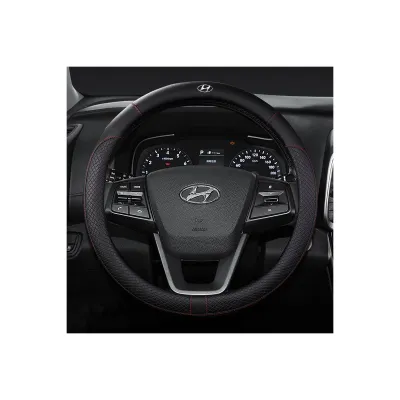
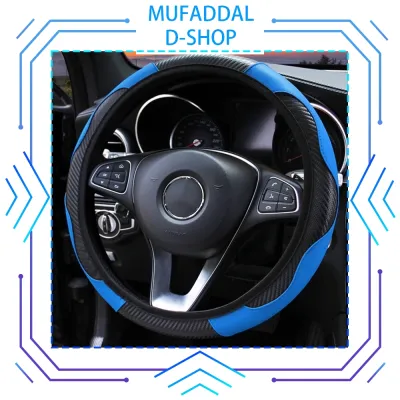
Prices are valid at publication and may change. Please refer to the product page for the latest price.
Next, measure the grip circumference, which is the thickness of the steering wheel rim itself. Wrap your flexible tape measure around the rim at a position where there are no buttons or spokes, typically at the “ten-o’clock” or “two-o’clock” position. This measurement is crucial because it determines whether the cover will wrap fully around the rim or leave an uncomfortable gap where your fingers rest. A cover designed for a thicker sports steering wheel will feel loose and bulky on a standard, thinner Elantra wheel.
You must also identify the shape of your steering wheel, as Hyundai offers different designs depending on the trim level. Standard Elantra trims typically feature a traditional, fully round steering wheel. However, sportier trims, such as the Elantra N Line or the high-performance Elantra N, often come equipped with a D-shape, or flat-bottom, steering wheel. A standard round cover will not conform to the flat bottom of a D-shape wheel, creating a loose section that can slip during tight turns and compromise your control of the vehicle.
Additionally, take note of the physical clearance around the steering wheel spokes and the placement of multifunction buttons. Modern Elantras are equipped with steering-wheel-mounted controls for cruise control, media playback, and voice commands, as well as paddle shifters on sportier trims. The cover you select must not overlap these buttons or restrict the movement of paddle shifters. It is also important to check if your Elantra has a heated steering wheel; if so, you must verify that the cover material is compatible with heated elements to prevent heat damage or reduced heating performance. Always consult your vehicle owner’s manual to check for any specific warnings regarding aftermarket steering wheel accessories.
Comparing Genuine Leather and Suede for Daily Driving
Choosing between genuine leather and suede for your Hyundai Elantra steering wheel cover involves balancing tactile preference, aesthetic goals, and the practical realities of your daily commute. Both materials offer a premium look and feel that can significantly elevate your driving experience, but they behave very differently under various environmental conditions. In Singapore’s tropical climate, where high humidity and intense heat are constant factors, the physical properties of each material will directly impact your comfort and the cover’s longevity.

Genuine leather is highly regarded for its classic appearance, robust durability, and natural resistance to wear. When driving in hot and humid conditions, high-quality genuine leather remains relatively breathable, helping to keep your hands dry. However, if your Elantra is parked under direct sunlight, a leather cover can absorb significant heat, making the wheel uncomfortable to touch initially. Over time, genuine leather develops a natural patina from the oils on your hands, which can actually enhance its grip and character, provided it is cleaned regularly.
In terms of durability, genuine leather is exceptionally resilient. It resists abrasion from rings, fingernails, and daily friction much better than softer materials. The tight grain structure of genuine leather prevents dirt and sweat from penetrating deeply into the fibers, making it less susceptible to deep-seated stains. For daily drivers who want a low-maintenance, long-lasting upgrade that maintains a clean, professional appearance, genuine leather is often the most practical choice.
Suede, and high-quality synthetic suede alternatives like Alcantara, offer a distinctly sporty, high-performance aesthetic reminiscent of race cars. The primary advantage of suede is its exceptional grip texture; the soft, napped surface provides high friction even with light hand pressure, reducing hand fatigue during long drives. Suede also has excellent temperature regulation properties, meaning it does not get as hot as leather when exposed to direct sunlight, allowing you to drive comfortably immediately after starting your car.
However, the very characteristics that make suede comfortable also make it highly vulnerable to the elements. Suede is highly porous and acts like a sponge for moisture, humidity, and the natural oils produced by your skin. In a humid climate like Singapore’s, hand sweat can quickly saturate the suede fibers, causing the nap to flatten, mat down, and develop a shiny, greasy appearance. Once matted, suede loses its signature grip and can feel slick and uncomfortable, requiring diligent and frequent maintenance to restore.
The maintenance routines for these two materials are vastly different and should play a major role in your decision. Genuine leather requires periodic wiping with a clean, damp microfiber cloth to remove surface dust and oils, followed by the application of a dedicated leather conditioner every few months to keep the material supple and prevent cracking. Suede, on the other hand, requires a dedicated suede brush to gently lift the nap and remove embedded dust after almost every week of heavy use. Spills or heavy sweat buildup on suede must be treated immediately with specialized, label-authorized suede cleaners, as standard leather care products will permanently ruin the delicate texture.
Evaluating Construction, Safety, and Ergonomics
When selecting a steering wheel cover for your Hyundai Elantra, safety and ergonomics must always take precedence over visual appeal. A steering wheel is your primary interface for controlling the vehicle, and any accessory that compromises your grip or interferes with the wheel’s operation poses a serious safety hazard. Evaluating the construction quality and design features of a cover before purchase is essential to ensure it supports safe vehicle handling under all driving conditions.
The most critical safety feature of any steering wheel cover is its inner lining. High-quality covers utilize an inner ring made of non-slip, odorless rubber or silicone that is designed to bite firmly onto the original steering wheel surface. This lining must prevent any independent movement or rotation of the cover when you turn the wheel. If the inner lining is made of cheap, slick plastic or lacks sufficient grip, the cover can slip during sudden maneuvers, preventing you from steering effectively and potentially leading to an accident.
You should also carefully examine the seam placement and stitching quality of the cover. Poorly constructed covers often have thick, raised seams that can rub against your palms and fingers, causing discomfort or blisters during long drives. Look for covers with flat, reinforced stitching that lies flush with the material surface. High-quality stitching not only ensures a comfortable grip but also prevents the cover from unraveling under the constant tension and friction of daily steering.
Ergonomics and hand size are equally important considerations. Adding a cover naturally increases the overall thickness of the steering wheel rim. While a thicker grip can reduce hand fatigue for drivers with larger hands, it can make the wheel difficult to grasp securely for those with smaller hands. Ensure that the added bulk of the cover does not prevent you from wrapping your fingers completely around the wheel. A secure, full-hand grip is vital for maintaining control during emergency evasive maneuvers.
Furthermore, verify that the cover does not obstruct your view of the Elantra’s instrument cluster or digital dashboard. An excessively bulky cover can block the top edge of the speedometer or critical warning lights, forcing you to adjust your seating position awkwardly. Additionally, ensure the cover’s edges do not interfere with the deployment zone of the driver’s airbag, which is located in the center of the steering wheel. While the cover only wraps around the outer rim, any loose flaps or poorly fitted sections could potentially catch on deploying components or affect your hand clearance during an emergency.
Installation Methods and Long-Term Care
Installing a steering wheel cover on your Hyundai Elantra requires patience and attention to detail to ensure a secure, professional fit. Depending on the type of cover you choose—slip-on, wrap-on, or custom-stitched—the installation process and the level of skill required will vary significantly. Understanding these methods beforehand will help you select the option that best matches your comfort level and desired aesthetic outcome.
Slip-on covers are the most common and easiest to install, but they require substantial physical strength to stretch over the wheel. Because they must fit extremely tightly to prevent slipping, a proper slip-on cover will feel like it is too small when you first attempt to install it. To ease the process, you can warm the cover slightly in the sun or with a hairdryer to make the rubber lining more pliable. Always start from the top of the steering wheel and work your way down evenly on both sides, ensuring the cover is perfectly centered before pulling the final section over the bottom edge.
Wrap-on covers offer a lower profile and a more secure fit than slip-on models. These covers wrap around the steering wheel rim and are secured by lacing a heavy-duty cord through pre-punched holes along the edges. While wrap-on covers require more time and patience to install, they provide a much tighter fit that conforms closely to the contours of the wheel, reducing added bulk and minimizing the risk of slippage.
For the ultimate factory-like finish, custom-stitched covers are the gold standard. These covers are designed specifically for your Elantra’s exact steering wheel model, wrapping completely over the spokes and requiring you to hand-stitch the cover using a needle and thread provided in the kit. This installation process can take several hours and requires a high level of patience and precision. However, the result is a seamless, professional look with zero added bulk and absolute security, as the cover is physically stitched onto the wheel. If you feel overwhelmed by the complexity of a custom-stitched installation, or if you suspect the cover might interfere with your steering wheel’s electronic controls, stop immediately and consult a qualified automotive upholstery professional.
Long-term care is essential to preserve the material integrity and safety of your steering wheel cover. Always follow the manufacturer’s specific care labels and instructions for cleaning. For genuine leather, use a mild, pH-balanced leather cleaner and a soft microfiber cloth to remove dirt, followed by a light application of leather conditioner to prevent drying and cracking. For suede, use a dry suede brush to regularly lift the nap and remove dust, and only use specialized, label-authorized suede cleaners for spot cleaning. Regularly inspect the cover for any signs of material degradation, loose stitching, or fitment loosening; if the cover begins to slide or rotate, it must be replaced immediately to ensure safe driving.
Frequently Asked Questions (FAQ)
Can I use a universal steering wheel cover on a Hyundai Elantra?
Using a universal steering wheel cover on a Hyundai Elantra is generally not recommended due to significant safety and fitment risks. Universal covers are designed to fit a broad range of steering wheel diameters, which often results in a loose fit on specific vehicle models. A loose cover can easily slip or rotate independently of the steering wheel during a turn, leading to a sudden and dangerous loss of steering control. Furthermore, if your Hyundai Elantra trim features a D-shape (flat-bottom) steering wheel, a round universal cover will not align properly, leaving dangerous gaps and potentially obstructing your access to critical steering wheel buttons, paddle shifters, or safety controls.
Does a suede steering wheel cover require more maintenance than genuine leather?
Yes, a suede steering wheel cover requires significantly more active maintenance than a genuine leather cover to preserve its appearance and grip. Suede is a highly porous material with a raised nap that easily absorbs moisture, hand sweat, and natural skin oils. In humid climates, these oils and moisture quickly cause the delicate suede fibers to flatten, mat down, and become slick and shiny, which compromises your grip. While genuine leather can be easily wiped clean and occasionally conditioned, suede requires regular brushing with a specialized suede brush to lift the fibers and prevent matting, along with immediate, careful spot-cleaning using dedicated suede-safe products to prevent permanent staining and degradation.
Community discussion
Share your experience or ask a question. Comments are reviewed before publication.