
Choosing between Fusso Coat F7 and other interior protectors depends on matching the product’s labeled material compatibility, application requirements, and curing conditions to your specific car interior. There is no universal winner; the right choice relies on verifying manufacturer specifications for your exact upholstery type, ensuring the product is safe for your surfaces, and confirming you can meet the necessary preparation and drying conditions.
In tropical climates like Singapore, where high humidity and intense sunlight accelerate the aging of car cabins, choosing the correct protective barrier is essential. However, applying an incompatible chemical can lead to sticky residues, permanent discoloration, or compromised safety components. Before purchasing any aftermarket coating, car owners must carefully evaluate their vehicle’s specific materials and the product’s official instructions.
Identifying Your Car's Upholstery and Material Restrictions
Before selecting any protective coating, you must accurately identify the exact materials used throughout your car’s cabin. Modern vehicles rarely feature a single material type; instead, they often combine genuine leather, synthetic leather, Alcantara, and standard fabric weaves across different sections of the seats, door cards, and dashboard.
Products mentioned in this guide
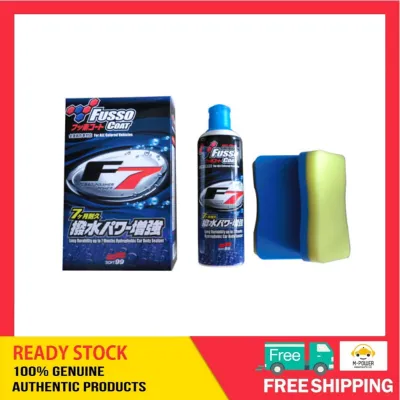

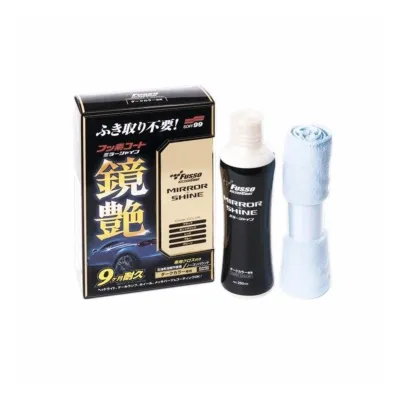
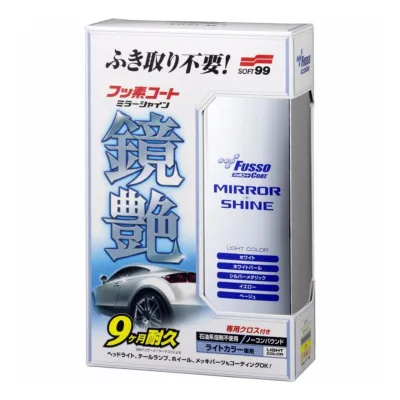
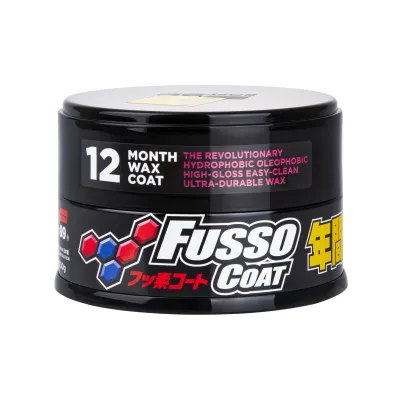
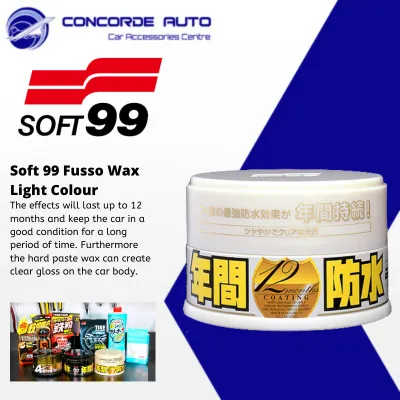
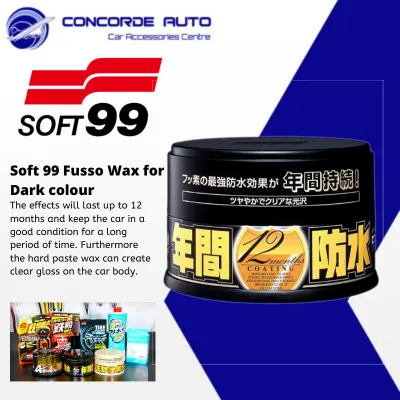
Prices are valid at publication and may change. Please refer to the product page for the latest price.
Genuine leather requires breathable, conditioning agents to maintain its flexibility and prevent cracking over time. Synthetic alternatives, such as Artico or Sensatec, are polyurethane- or vinyl-based materials that do not absorb traditional leather conditioners in the same way and may react poorly to harsh solvents.
Alcantara and other ultra-microfiber materials feature a delicate, brushed pile that can easily become matted, stiff, or permanently ruined if coated with standard fabric or leather sealants. Standard woven fabrics, such as nylon or polyester blends, are highly porous and require specialized hydrophobic barriers that bond to individual fibers without sealing the weave completely.
To prevent costly damage, always consult your vehicle owner’s manual or check the manufacturer tags located under the seats for specific cleaning and coating restrictions. Using a fabric protector on leather can leave a sticky, non-absorbent residue that attracts dirt, while applying a leather-specific oil to fabric will result in greasy, permanent staining.
Key Specifications to Verify on Product Labels
When comparing Fusso Coat F7 with alternative interior protectors, you must rely strictly on the factual specifications printed on the product labels rather than generalized marketing claims. The first and most critical metric to verify is explicit material compatibility. Look for clear statements on the packaging indicating whether the formula is safe for Alcantara, fabric only, or suitable for synthetic leather.

Curing and drying times are equally important to compare, especially in humid environments where moisture in the air can prolong the drying process. Some products require only a few minutes to dry, while others demand up to 24 hours of complete downtime before the vehicle can be driven. Ensure you can accommodate these requirements in your parking setup, particularly if you do not have access to a dry, covered garage.
The application method also dictates whether a product is suitable for your DIY setup. Verify whether the protector requires spraying, wiping with a microfiber cloth, or using specific foam applicator pads. Some advanced coatings require a highly controlled, dust-free environment to cure properly, which may not be feasible if you are applying the product in an open-air car park.
Finally, always review the safety data sheets or product labels for volatile organic compound (VOC) warnings and ventilation requirements. Strong chemical odors can linger in a closed car cabin for days, making adequate airflow during and after the application process a vital safety consideration for you and your passengers.
Evaluating Fusso Coat F7 Application Conditions
Fusso Coat F7 is a well-known name in automotive care, but its suitability for your specific car interior depends on verifying several product-specific factors. First, you must confirm the exact variant of Fusso Coat F7 you are holding. Some variants are formulated strictly as liquid sealants for exterior paintwork, and applying an exterior paint sealant to interior fabrics or leather will cause severe, irreversible damage.
If you have verified that your specific product is labeled for interior use, you must carefully follow the manufacturer’s recommended surface preparation steps. This typically involves a deep clean of the upholstery to remove existing oils, dust, and stains, followed by a complete drying period. Applying any coating over a damp or dirty surface will trap moisture and contaminants, leading to mold growth or premature coating failure.
You should also check the labeled reapplication interval to understand the long-term maintenance commitment. Over time, friction from entry and exit will wear down any protective barrier; look for visual cues such as a loss of water-beading behavior or increased susceptibility to dust accumulation to determine when a fresh coat is required.
Lastly, pay close attention to the contraindications listed on the packaging. Most interior protectors explicitly warn against application on steering wheels, gear shifters, pedals, or glossy plastics. Applying a low-friction coating to these control surfaces can make them dangerously slippery, compromising your ability to operate the vehicle safely.
When to Choose Specialized Alternative Protectors
While general-purpose protectors offer convenience, certain interior materials demand specialized alternative products to preserve their appearance and structural integrity. For instance, genuine leather benefits far more from dedicated leather conditioners than from simple hydrophobic sprays. These conditioners focus on moisturizing the hide and preventing dry rot, which is a more common threat to leather than liquid spills.
Delicate materials like Alcantara and suede require pH-neutral, non-aerosol protectors specifically formulated to preserve the soft texture of the pile. Standard fabric protectors often contain heavy polymers that glue the fine fibers together, resulting in a rough, matted surface that is incredibly difficult to restore.
In some cases, the best choice is to step away from DIY products entirely. If your vehicle features high-end, delicate upholstery or if you want a long-lasting ceramic-based interior coating, you should consult a professional automotive detailer. Professional-grade coatings require precise application techniques and specialized curing equipment that are difficult to replicate at home.
Decision Framework: Choosing the Right Interior Protector
To make the right choice for your car, use a structured decision framework based on your vehicle’s materials and your available application environment.
Choose Fusso Coat F7 if your interior material matches the product’s explicit label claims, you can strictly meet the stated curing and drying conditions, and you prefer the specified application method. This option is ideal for owners who have a dedicated, well-ventilated workspace and whose upholstery aligns perfectly with the product’s intended use.
Choose a dedicated alternative protector if your car features specialized materials like genuine leather or Alcantara that require specific pH levels, conditioning agents, or non-mating formulas. Preserving the unique texture and breathability of these premium materials should always take priority over a one-size-fits-all solution.
Neither option may fit if your car’s interior already exhibits unknown stains, existing peeling, or features aftermarket upholstery with unspecified material compositions. In these scenarios, applying any aftermarket chemical can worsen the damage; you should stop and consult an automotive upholstery specialist.
Always verify first if you are unsure about the exact material composition of your car’s seats or trim. Checking with your vehicle manufacturer or consulting a professional detailer before applying any product will save you from costly repairs and ensure your cabin remains safe and comfortable.
Frequently Asked Questions (FAQ)
Can I apply a fabric protector to my car's seatbelts?
No, you must never apply any fabric protector, sealant, or aftermarket chemical coating to your car’s seatbelts. These products can alter the friction characteristics of the webbing or degrade the synthetic fibers, potentially compromising the structural integrity and safety performance of the restraint system during an impact. Always exclude seatbelts, airbag seams, and steering controls from any protective coating application.
How do I test a protector for colorfastness?
To safely test an interior protector for colorfastness, apply a very small amount of the product to a highly inconspicuous area, such as the underside of a seat cushion or the back of a headrest. Allow the product to dry and cure for the full duration specified on the manufacturer’s label. Once cured, inspect the area under bright light for any signs of discoloration, stiffness, texture changes, or white residue before proceeding with the full application.
Does applying an interior protector void my car's warranty?
Applying an aftermarket interior protector does not automatically void your entire vehicle warranty, but it can void the warranty on your upholstery. If a chemical treatment causes discoloration, cracking, or peeling, the vehicle manufacturer will likely deny any warranty claims for interior trim repairs. Always check your vehicle manufacturer’s warranty guidelines and ensure any product you use is explicitly approved for your specific material type.
Community discussion
Share your experience or ask a question. Comments are reviewed before publication.