
When shopping for interior protection, selecting a universal car mat that promises “full-surround” coverage often seems like the ideal balance of cost and utility. However, the terms “universal” and “full-surround” are inherently contradictory. A universal mat relies on standardized, generic dimensions to fit hundreds of different vehicle models, whereas a true full-surround layout requires highly precise, laser-measured contouring to hug the unique curves of a vehicle’s footwell.
In practice, no universal brand can guarantee 100% edge-to-edge coverage without requiring some level of user modification, such as trimming, or forcing you to accept physical gaps and loose material. If your primary goals are budget friendliness and the flexibility to transfer the mats between different vehicles, a high-quality universal option is a practical choice. Conversely, if you demand exact contouring, zero-trim installation, and flawless aesthetics, investing in custom-fit mats remains the only way to avoid compromises.
The Inherent Trade-offs of Universal Full-Surround Designs
To make an informed decision, it is essential to understand the physical limitations that govern non-custom interior accessories. Custom-fit mats are engineered using 3D laser scanners that capture every millimetre of a specific vehicle make, model, and model year. This precise data allows manufacturers to mold rigid walls that stand perfectly upright against the transmission tunnel and door sills. Universal mats, by contrast, must accommodate a broad range of footwell shapes, meaning their dimensions are compromised to prevent them from being completely unusable in smaller cabins.
Products mentioned in this guide
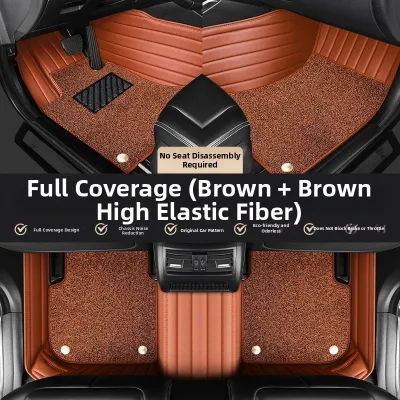
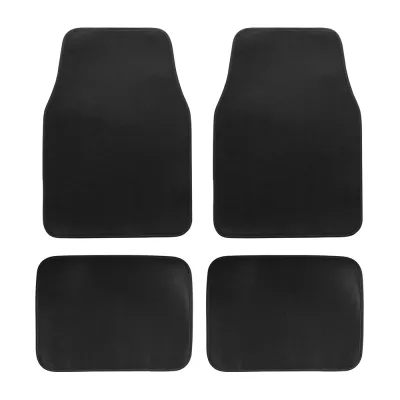
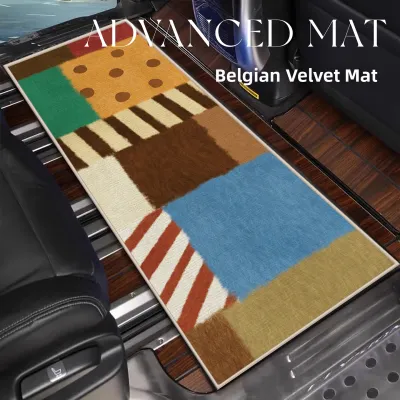
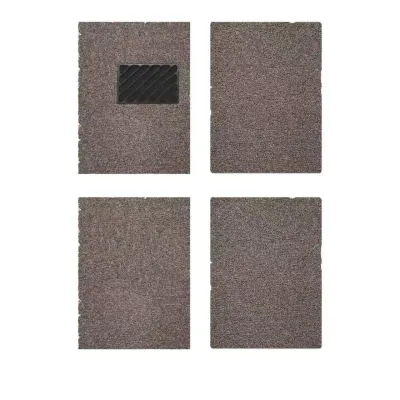
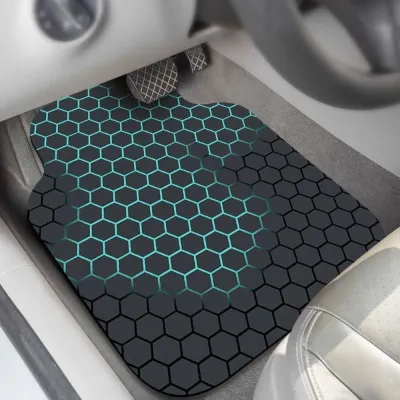
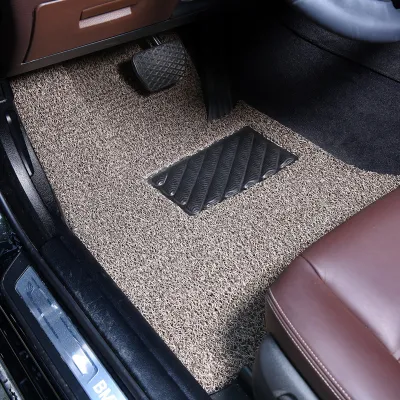
Prices are valid at publication and may change. Please refer to the product page for the latest price.
This compromise becomes highly apparent when evaluating the “full-surround” lip. A vehicle’s footwell is not a flat box; it features complex angles, varying dead pedal heights, sloping center consoles, and raised door sills that differ dramatically from a compact hatchback to a large sports utility vehicle (SUV). Because a universal mat cannot account for these exact physical variations, the raised vertical lips often fold inward, flare outward, or collapse entirely. This mismatch not only ruins the clean look of your interior but also creates pockets where dirt and debris can slip underneath the mat, defeating the purpose of a full-surround design.
Beyond aesthetics, a poorly fitting mat poses a serious safety hazard, particularly in the driver’s footwell. In right-hand drive (RHD) vehicles, which are standard in Singapore, the relationship between the accelerator, brake pedal, and dead pedal is often tight. If a universal mat is too wide or has a vertical lip that does not align with the side walls, the material can bunch up or slide forward. This shifting can physically obstruct pedal travel, trap the accelerator pedal in a depressed position, or prevent you from fully applying the brakes in an emergency.
When comparing different brands, you must look past marketing claims of a “perfect universal fit” and evaluate how each manufacturer mitigates these physical trade-offs. The key differentiators lie in their design philosophies—whether they require manual trimming or rely on flexible materials—as well as the quality of their retention systems and the durability of their materials. By focusing on these objective engineering choices, you can identify a mat that offers acceptable coverage without compromising vehicle safety or interior neatness.
How Brands Engineer Fit and Coverage in Universal Car Mat Designs
Manufacturers of the universal car mat utilize two primary engineering strategies to address the challenge of fitting diverse footwell shapes: manual trimming or pre-molded flexible shapes. Both methods attempt to maximize floor coverage, but they result in very different installation experiences, aesthetic outcomes, and long-term performance.

Trim-to-Fit vs. Pre-Molded Universal Shapes
Trim-to-fit designs are engineered with molded, pre-scored cut lines distributed across the perimeter of the mat. These lines act as guides, allowing you to use heavy-duty shears to slice away excess material until the mat matches the general shape of your footwell. While this offers a highly customizable footprint, cutting through the outer perimeter often compromises or completely removes the raised “surround” lip. Once this vertical barrier is severed, the mat loses its basin-like ability to contain liquid spills, mud, or wet sand, allowing moisture to run directly off the edge and soak into your vehicle’s factory carpet.
Pre-molded universal shapes, on the other hand, are manufactured using highly flexible, elastomeric materials that are designed to bend and drape over footwell contours without requiring cutting. These mats feature soft, pliable vertical walls that rely on gravity and pressure to conform to the transmission tunnel and door sills. The trade-off with this design is that the excess material has to go somewhere; in narrower footwells, the pliable walls will often buckle, overlap, or create large gaps. These loose folds can catch on your shoes when entering or exiting the vehicle, and they can easily trap dirt behind the mat.
Before purchasing either style, it is highly recommended to examine high-resolution product photos or manufacturer diagrams showing the placement of the cut lines or molded contours. Ensure that trimming the mat to fit your vehicle’s specific dimensions will not require you to cut through critical structural sections, such as reinforced borders, heel pads, or integrated retention eyelets.
Retention Systems and Anti-Slip Backing
Securing a universal mat in place is the single most critical factor for both driver safety and long-term fit. Brands employ several backing technologies to prevent mats from sliding forward under pedal pressure. The most common method is aggressive nibbed rubber, which features hundreds of small plastic or rubber spikes designed to bite into the underlying carpet. Other brands use Velcro-compatible hook-and-loop strips or specialized adhesive pads that grip the floor fabric without damaging it.
The effectiveness of these anti-slip backings depends heavily on the condition and texture of your vehicle’s factory carpet. Heavy nibbed backings work exceptionally well on traditional loop-pile carpets, as the nibs can securely lock into the fabric loops. However, if your vehicle features smooth, high-density velour carpeting, or if the factory carpet is already worn and flattened from years of use, these nibs will have nothing to grip, causing the mat to slide easily. Conversely, aggressive hook-and-loop systems can cause severe fraying on delicate carpets if the mats are frequently removed for cleaning.
To ensure maximum safety, you should verify whether the universal brand includes factory-style retention clips, such as twist-lock or post-hole grommets, and whether these features are adjustable. Many modern vehicles feature built-in floor anchors on the driver’s side to lock the mat in place. A high-quality universal mat should either align with these factory anchor points or provide universal floor clips that slide under your vehicle’s plastic trim panels to clamp the edges of the mat securely.
Evaluating Material Durability and Long-Term Wear
When comparing universal car mat options, it is easy to get distracted by elaborate brand names and marketing buzzwords like “space-age polymers” or “ultra-premium leatherette.” To make a smart investment, you must shift your focus to verifiable material properties and the physical construction of the mats. The choice of material directly dictates how well the mat will resist wear, contain liquids, and maintain its shape over years of daily driving.
This evaluation is particularly important in tropical climates like Singapore’s. The combination of intense sunlight, high humidity, and extreme cabin temperatures—which can easily exceed 60°C when a car is parked outdoors—creates a harsh environment for interior plastics and synthetics. Under these conditions, low-quality materials will rapidly degrade, warp, lose their structural integrity, and release unpleasant or potentially harmful chemical odors inside the closed cabin.
TPE vs. PVC vs. Synthetic Leather Construction
Thermoplastic Elastomer (TPE) is widely considered the gold standard for durable, all-weather car mats. TPE combines the physical durability of industrial plastics with the flexible, slip-resistant properties of rubber. It is highly resistant to extreme heat and UV exposure, meaning it will not harden, crack, or warp even after prolonged exposure to intense tropical sunlight. Furthermore, high-quality TPE is virtually odorless and does not undergo off-gassing, ensuring your cabin air remains clean. High-quality TPE or multi-layer synthetic leather mats typically range from S$80 to over S$150, reflecting their superior durability. When choosing a TPE mat, always check the product label or specifications for official material certifications to ensure it is not a cheap plastic blend.
Polyvinyl Chloride (PVC) is a much more common and cost-effective material used in budget-friendly universal mats, often retailing for under S$50. While PVC is highly flexible when new and offers excellent water resistance, it is highly susceptible to thermal degradation. Under high cabin temperatures, the plasticizers that keep PVC flexible begin to evaporate, causing the material to harden, become brittle, and curl at the edges. This evaporation process also releases a strong, distinct chemical “new car” smell that can be highly unpleasant and persistent in hot weather.
Synthetic leather, typically made from Polyurethane (PU) or artificial leather layers stitched over a foam core, is frequently used in luxury-style full-surround mats. These mats provide a sophisticated, cushioned appearance that mimics high-end custom interiors. However, their multi-layer, stitched construction makes them highly vulnerable to moisture. The needle holes from the decorative stitching allow water, mud, and spilled drinks to seep into the internal foam layers. Once wet, the foam core traps moisture, leading to mold growth, unpleasant damp odors, and eventual peeling or delamination of the synthetic leather surface.
Assessing Edge Collapse and Surface Degradation
The structural integrity of a full-surround mat’s vertical walls is crucial for maintaining its protective function. Thin, unsupported lips on cheap universal mats will inevitably flatten and collapse under the weight of passengers’ feet or from material fatigue over time. Once the edges collapse, the mat loses its basin shape, allowing dirt and liquids to spill over onto the factory carpet. To prevent this, look for brands that incorporate reinforced vertical ribs, double-stitched piping, or rigid thermoplastic inserts along the outer edges to help the walls stand upright.
Another critical wear area is the driver’s heel pad, which experiences constant friction from your shoes as you operate the pedals. Because universal mats cannot be shifted or rotated to distribute wear even more, a worn-out heel pad means the entire mat must be replaced. High-quality brands address this by integrating a replaceable, extra-thick, or metallic heel plate in the high-wear zone to prevent your shoes from wearing a hole through the primary material.
Finally, do not blindly trust a manufacturer’s claim that a stitched synthetic leather mat is “100% waterproof.” While the top PU layer itself may repel water, any stitched seam or joint is a potential leakage point. Unless the brand explicitly states that the seams are heat-sealed or high-frequency welded, water can and will penetrate the stitching, slowly rotting the underlying carpet and creating a breeding ground for bacteria.
Decision Framework: Matching Brand Strategies to Your Vehicle
To simplify your purchasing decision, it is helpful to match the engineering strategies of different brands with your specific vehicle layout, maintenance habits, and aesthetic preferences. Because no single universal mat is perfect for every driver, using a structured decision framework will help you identify the right trade-offs for your situation.
- Choose Trim-to-Fit TPE Mats if:
- You are comfortable performing manual DIY measurements and trimming with heavy shears.
- Your primary goal is maximum liquid and dirt containment, and you frequently transport wet items, sports gear, or muddy shoes.
- You drive a vehicle with a relatively flat footwell floor and straightforward contours, where trimming can easily yield a neat, flush fit.
- You prioritize long-term durability, heat resistance, and an odorless cabin over high-end luxury aesthetics.
- Choose Pre-Molded Synthetic Leather Mats if:
- You prioritize a premium, luxury interior aesthetic and want a cushioned, comfortable feel underfoot.
- You are willing to perform regular interior maintenance, including removing the mats to dry them out if they get wet, to prevent moisture trapping.
- You accept that there may be minor gaps, slight buckling, or overlapping material along the door sills and center console.
- Your vehicle's footwells do not have extremely sharp or unusual angles that would cause the multi-layer synthetic leather to bunch up excessively.
- Neither Option May Fit Well if:
- Your vehicle's footwells feature highly complex, deep contours, pronounced transmission tunnels, or unusual floor shapes (common in some compact sports cars or hybrid vehicles with floor-mounted batteries).
- Your car features specialized, non-standard factory floor anchor points that do not align with universal eyelet placements, which could cause the mats to slide.
- You expect a completely seamless, original equipment manufacturer (OEM) look with absolutely zero gaps or loose edges.
- Verify First if:
- You drive a right-hand drive (RHD) vehicle in Singapore. Always double-check the driver's side mat dimensions and pedal clearance specifications before purchasing. Ensure that the thickness of the "surround" lip and the positioning of the heel pad do not interfere with the full travel of your accelerator, brake, or clutch pedals.
Installation and Maintenance for Maximum Lifespan
Proper installation and regular maintenance are essential to ensure your universal car mats remain safe, functional, and durable throughout their lifespan. Taking a few precautionary steps during the initial setup can prevent common issues like edge curling and slipping, while proper cleaning techniques will protect the materials from premature degradation.
Pre-Installation Flattening
Universal mats are often tightly rolled or folded for shipping, which can leave them with a strong “material memory” that causes the edges to curl up. Before placing them in your vehicle, unbox the mats and lay them completely flat on a clean surface. Leaving them in a warm area, or directly under the sun for a few hours, will help soften the TPE, PVC, or synthetic leather, allowing the material to relax and return to its intended flat shape. This simple step ensures a much cleaner and safer fit from day one.
Pedal Clearance Check
Once the mats are positioned in your footwells, you must perform a thorough safety check before driving. Sit in the driver’s seat and fully depress the accelerator, brake, and clutch pedals (if applicable) one by one. Check to ensure that the pedals move smoothly through their entire range of travel without catching, rubbing, or pressing against the top lip of the mat. If there is any contact or restriction, adjust the mat’s position, trim the offending edge, or use retention clips to pull the material away from the pedal assembly.
Cleaning and Drying
To clean your mats, always remove them from the vehicle entirely. For TPE and PVC mats, wash them with water and a mild car shampoo; avoid using harsh industrial degreasers, bleach, or silicone-based dressings, as these chemicals can strip the plasticizers, leading to premature cracking and making the surface dangerously slippery. For synthetic leather mats, wipe them down with a damp microfiber cloth and a dedicated leatherette cleaner. Never soak synthetic leather mats in water, as moisture will penetrate the stitching and ruin the foam core. Always allow all mats to dry completely in a shaded, well-ventilated area before reinstalling them to prevent mold and mildew from growing on your vehicle’s factory carpet.
Frequently Asked Questions (FAQ)
Are universal full-surround mats safe for the driver's pedals?
Universal full-surround mats are safe only if they are properly sized, trimmed, and securely anchored to the floor. Because they are not custom-molded to your specific vehicle, there is a higher risk that the mat can slide forward or that the tall vertical lip can curl inward, potentially trapping or obstructing the accelerator and brake pedals. In right-hand drive configurations, it is absolutely vital to perform a physical pedal clearance test after installation and use robust retention clips to lock the driver’s mat firmly in place.
How do I prevent universal mats from curling at the edges?
Edge curling is typically caused by material memory from shipping or prolonged exposure to high cabin heat. To fix this, remove the mats and reverse-roll them, or lay them flat in a warm, sunny spot to allow the material to relax. If the built-in anti-slip backing fails to keep the edges flush against your car’s trim, you can apply high-quality, double-sided automotive tape to the underside of the curling edges, ensuring the adhesive is rated safe for vehicle carpets to prevent damage.

Community discussion
Share your experience or ask a question. Comments are reviewed before publication.