
Finding the ideal full-surround car rubber floor mat in Singapore is not a matter of identifying a single, universally superior brand. Instead, the optimal choice depends entirely on your vehicle’s specific make, model, year, and steering configuration. The local automotive landscape is highly diverse, featuring a mix of popular Japanese and Korean models, European luxury sedans, and a rapidly growing segment of electric vehicles (EVs). Consequently, a mat that fits a left-hand-drive European model perfectly may not translate well to the right-hand-drive (RHD) vehicles driven on Singapore’s roads.
When evaluating your options, you will generally face a choice between premium global brands and specialized regional custom manufacturers. Premium global brands are renowned for their rigorous engineering, advanced safety certifications, and high-grade materials. However, these international manufacturers often focus their development on Western markets, resulting in a limited database of molds for RHD configurations or niche Asian-market models. This can leave local car owners with fewer choices if they drive specific Japanese or Chinese imports.
In contrast, specialized regional custom brands cater directly to the Asian market. They offer rapid product development and a vast catalog of precise molds for popular local models, including hybrid variants and newly released EVs. These brands frequently feature aggressive “full-surround” designs with high vertical walls that offer maximum protection against dirt and moisture. However, because quality control can vary significantly among regional suppliers, buyers must be more vigilant in verifying material safety and fitment precision.
Products mentioned in this guide
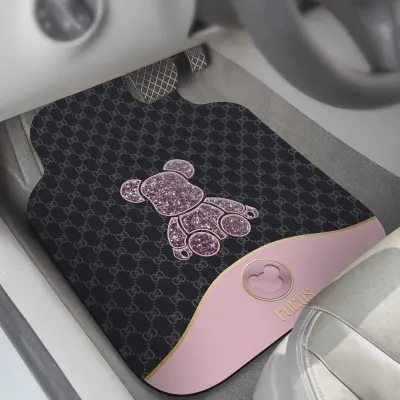
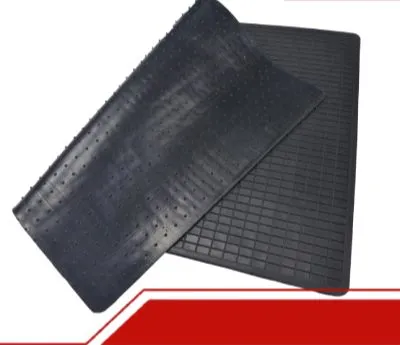

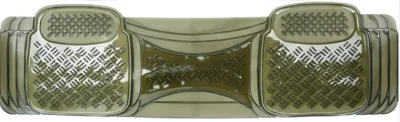
Prices are valid at publication and may change. Please refer to the product page for the latest price.
Ultimately, the best choice for your car is one that balances comprehensive coverage, robust material composition, and absolute safety. A high-quality mat must protect your vehicle’s original carpet from the elements while remaining completely stationary during operation. To achieve this, you must understand the key differences in materials, fitment technologies, and safety requirements before making a purchase.
What Defines a High-Quality Full-Surround Rubber Mat?
To choose the right floor protection, it is essential to clarify the terminology used in the automotive accessory market. While many drivers search for a “car rubber floor mat,” modern high-quality mats are rarely made of traditional vulcanized rubber. Traditional rubber mats are heavy, highly flexible, and often emit a strong, persistent chemical odor that is difficult to eliminate. Furthermore, traditional rubber cannot easily be molded into rigid, three-dimensional shapes with high vertical walls, limiting its effectiveness as a full-surround barrier.
Modern premium mats are typically constructed from Thermoplastic Elastomer (TPE) or Thermoplastic Olefin (TPO). TPE is a hybrid material that combines the elastic, non-slip properties of rubber with the structural rigidity and processing advantages of injection-molded plastics. This unique composition allows manufacturers to create lightweight, durable mats that can be molded into precise three-dimensional shapes. These mats maintain their structural integrity over time, resisting warping, cracking, and curling even under heavy foot traffic.
The term “full-surround” generally refers to 3D, 5D, or 6D mat designs. A standard 3D mat is a single-layer, laser-measured tray with raised edges that cover the horizontal floorboard and curve slightly upward to contain spills. 5D and 6D designs feature much higher vertical walls that cover the dead pedal, the side sills near the door frames, and the entire rear transmission tunnel. Some 5D and 6D systems utilize a multi-layer construction, featuring a synthetic leather (PU or PVC) base layer with a removable wire-loop (coil) mat on top to trap dirt.
In Singapore’s tropical climate, material composition is a critical safety and comfort consideration. When a vehicle is parked under direct sunlight, interior cabin temperatures can easily exceed 60°C. Under these extreme thermal conditions, low-quality PVC (polyvinyl chloride) or cheap synthetic leather mats can begin to degrade. This thermal degradation releases volatile organic compounds (VOCs) and toxic plasticizers, such as phthalates, into the sealed cabin. These gases not only create an unpleasant, pungent odor but also pose potential health risks to passengers.
In contrast, genuine high-grade TPE is highly stable and remains completely odorless and non-toxic across a wide temperature range. It does not off-gas harmful chemicals when exposed to intense solar heat, ensuring that your cabin air quality remains safe. Therefore, when shopping on online marketplaces or at local accessory shops, verifying that the product is made of 100% genuine, medical-grade or food-grade TPE is paramount for long-term health and durability.
Key Comparison Dimensions: Coverage, Material, and Vehicle Fit
Evaluating different car floor mats requires a systematic approach based on three primary dimensions: vehicle-specific fit, coverage area, and material durability. Understanding how these dimensions interact will help you identify which brand category aligns best with your driving habits and vehicle maintenance needs.

Vehicle-Specific Fit The precision of a mat’s fit is the single most important factor governing both aesthetics and safety. High-end manufacturers utilize advanced 3D laser-scanning technology to map every contour, curve, and protrusion of a vehicle’s footwell. This digital map is used to create highly precise injection molds or vacuum-forming tools. A properly laser-measured custom mat will sit completely flush against the floor pan, leaving no gaps where dirt can accumulate and preventing the mat from shifting during driving.
Conversely, semi-custom or universal “trim-to-fit” mats rely on generic shapes that are modified manually with scissors. These mats rarely fit the complex geometry of modern footwells perfectly. Gaps along the edges allow water and debris to slip underneath, while excess material can bunch up near the pedals. A loose or shifting floor mat presents a severe safety hazard, as it can slide forward and trap the accelerator pedal in a depressed position or physically block the brake pedal from being fully applied.
Coverage Area The level of coverage you require depends largely on your lifestyle and how you use your vehicle. Standard flat mats provide basic protection for the horizontal areas where your feet rest, but they leave the vertical carpeted walls of the footwell exposed. Full-surround designs feature high vertical lips, often ranging from two to five inches in height. These high walls protect the side panels from shoe scuffs, pet hair, and dirt, keeping the original factory carpet in pristine condition.
In Singapore, high vertical walls are particularly beneficial during the monsoon seasons. Heavy, unpredictable downpours mean that passengers frequently enter the vehicle with soaking-wet shoes and dripping umbrellas. A full-surround mat acts as a sealed tray, containing all water, mud, and debris within its borders. This prevents moisture from seeping into the underlying factory carpet, which is highly absorbent and difficult to dry. Trapped moisture in a humid climate quickly leads to the growth of mold, mildew, and persistent damp odors that are incredibly challenging to remediate.
Material Durability and Maintenance A floor mat must withstand constant friction, heel pressure, and exposure to dirt without degrading. High-quality TPE mats are engineered to resist abrasion and chemical exposure, meaning they will not wear through where the driver’s heel rests. Many premium designs incorporate reinforced heel pads or thicker material zones in high-wear areas to extend the mat’s lifespan. They must also resist warping or curling at the edges, which can occur when lower-grade plastics are exposed to repeated heating and cooling cycles.
Maintenance is another crucial consideration. TPE mats are exceptionally easy to clean compared to traditional carpet or complex multi-layer coil mats. Because TPE is completely non-porous, dirt and liquids remain on the surface. Cleaning typically involves removing the mats from the vehicle, shaking off loose debris, and rinsing them down with a hose. For stubborn dirt, a mild, pH-neutral automotive interior cleaner can be applied with a soft brush. The mats dry almost instantly when wiped with a microfiber cloth, allowing you to reinstall them immediately without waiting hours for fabric fibers to dry.
Anti-Slip Mechanisms No matter how precise the fit, a mat must be secured mechanically to prevent lateral or forward movement. Modern vehicles are equipped with factory floor anchors—typically rotating clips, hooks, or retention pins—on the driver’s side floorboard. A premium custom mat must feature integrated retention grommets or mounting holes that align perfectly with these factory anchors. This mechanical connection ensures the mat remains locked in place under all driving conditions.
For passenger and rear seats that often lack factory anchors, high-quality mats rely on specialized backing textures. Some brands utilize a high-friction, fiber-like backing that grips the underlying carpet fibers like hook-and-loop fasteners without causing damage. Other designs feature molded rubber nibs or spikes that bite into the carpet to prevent sliding. Avoid mats with completely smooth plastic backings, as they will inevitably slide around under passenger foot movement, compromising safety and reducing coverage.
Comparing Brand Categories: Premium Global vs. Regional Custom
When navigating the market in Singapore, the available options generally fall into two distinct brand categories: premium global brands and specialized regional custom brands. Understanding the structural differences, strengths, and limitations of each category will help you narrow down your search based on your vehicle type and budget.
Premium Global Brands Premium global brands represent the pinnacle of automotive interior protection engineering. These companies invest heavily in research and development, utilizing industrial-grade 3D laser scanners and proprietary TPE or TPO formulations. Their manufacturing processes are tightly controlled, ensuring consistent material thickness, precise edge finishing, and strict adherence to international safety standards regarding flammability and toxicity.
Strengths:
- Flawless, laser-measured fitment that conforms perfectly to every contour of the footwell.
- Integration with original factory floor anchors, ensuring maximum safety and stability.
- High-grade, proprietary TPE compounds that are completely odorless, highly resistant to UV degradation, and exceptionally durable.
- Sleek, low-profile tray designs that blend seamlessly with the vehicle's interior aesthetic, providing a clean, factory-like appearance.
Limitations:
- High price points, with full sets often costing between S$200 and S$400+ depending on the vehicle model.
- Limited model database for right-hand drive (RHD) vehicles, niche Asian-market models, or rapid-release electric vehicles (EVs).
- Lower-profile tray walls compared to regional "5D" designs, which may offer slightly less vertical coverage on the side carpet panels.
Specialized Regional and Custom Brands Specialized regional brands and local custom mat manufacturers cater specifically to the nuances of the Southeast Asian automotive market. These brands are highly agile, quickly producing custom-molded mats for newly released vehicles, right-hand drive configurations, and popular Japanese, Korean, and Chinese makes that may not be widely available in Western markets.
Strengths:
- Extensive coverage database for popular local models, including hybrid variants (e.g., Toyota Prius, Honda Vezel) and electric vehicles (e.g., BYD Atto 3, Tesla Model Y in RHD).
- Aggressive full-surround designs with very high vertical walls (often extending up to the plastic trim), providing maximum protection against dirt and liquid spills.
- Highly competitive pricing, typically ranging from S$80 to S$200 for a complete front and rear set.
- Availability of multi-layer designs (such as removable coil mats over a TPE base) that allow for customized aesthetic and functional preferences.
Limitations:
- Variable quality control between manufacturing batches, which can lead to minor fitment discrepancies or rough edge finishes.
- Deceptive marketing by some online sellers who label cheap PVC, polyurethane, or low-grade plastics as "genuine TPE" or "odorless rubber."
- Potential lack of integrated retention clip compatibility, requiring the user to rely solely on friction backing or aftermarket adhesive clips.
To navigate these options successfully, buyers must look beyond brand names and inspect product specifications closely. If you prioritize absolute material safety, certified non-toxicity, and have a widely supported global vehicle model, a premium global brand is often the safest and most durable investment. However, if you drive an Asian-market specific vehicle or require maximum vertical coverage on a budget, a specialized regional custom brand can provide excellent utility, provided you verify the material is genuine TPE and carefully test the fitment upon installation.
How to Verify Fit and Ensure Pedal Safety
Installing aftermarket floor mats introduces a critical safety boundary that every car owner must respect. Because the footwell houses the primary controls of the vehicle—the accelerator, brake, and clutch pedals—any physical interference in this area can have catastrophic consequences. Before purchasing or operating a vehicle with new full-surround mats, you must perform a series of safety and fitment verifications.
Pre-Purchase Verification Never assume a mat will fit your car based on a generic model name alone. Floor pan geometries can vary significantly within the same model line due to several factors:
- Model Year and Generation: Manufacturers often redesign the floor pan during mid-cycle refreshes or generation changes, altering anchor points or seat rail positions.
- Drivetrain Configurations: Hybrid, plug-in hybrid (PHEV), and battery-electric (BEV) variants often have different floor contours compared to their petrol-only counterparts. This is because battery packs or hybrid components are frequently housed beneath the floorboards or rear seats, altering the shape of the footwells.
- Steering Orientation: Always verify that the mats are explicitly designed for Right-Hand Drive (RHD) vehicles. Left-hand drive (LHD) mats are mirrored and will not fit RHD footwells, creating immediate pedal interference if forced into place.
- Trim Levels: Some luxury or sport trim levels feature different seat designs or center console widths that can affect floor mat fitment.
Before finalizing your order from any online marketplace or accessory shop, cross-reference your vehicle’s exact chassis code and manufacturing year with the seller’s compatibility list. If in doubt, contact the manufacturer or seller directly to confirm fitment compatibility.
Post-Installation Safety Check Once your new full-surround mats arrive, perform a rigorous physical check before driving the vehicle. This procedure must be conducted while the vehicle is parked on a flat surface, the parking brake is firmly engaged, and the engine is completely switched off.
- Clear the Footwells: Remove all existing floor mats, including factory carpet mats and temporary paper liners. Never stack multiple mats, as this raises the floor height and bypasses the safety anchors.
- Install the Driver's Mat: Place the new full-surround mat into the driver's footwell. Press it firmly into the contours of the floorboards.
- Engage the Retention Anchors: Align the mat's mounting holes with the vehicle's factory floor anchors. Rotate the clips or press down until you hear a distinct click, indicating the mat is mechanically locked in place.
- Test Accelerator Clearance: Depress the accelerator pedal slowly through its entire range of motion until it bottoms out against the floor. Inspect the pedal arm and pad; there must be visible clearance (at least 5 to 10 millimeters) between the pedal assembly and the edge of the mat.
- Test Pedal Return: Release the accelerator pedal quickly. It must snap back to its idle position instantly and smoothly. If you feel any resistance, dragging, or if the pedal catches on the mat's edge, remove the mat immediately.
- Test Brake and Clutch Clearance: Depress the brake pedal with maximum force, simulating an emergency panic stop. Ensure that the mat does not compress, shift, or restrict the full travel of the brake pedal. If your vehicle has a manual transmission, perform the same test for the clutch pedal, ensuring clean disengagement and engagement.
- Inspect the Dead Pedal Area: Verify that the portion of the mat covering the dead pedal (footrest) lies completely flat. If this section sags or folds over, it can catch the side of your shoe when transitioning from the footrest to the brake pedal.
If the mat fails any of these steps, do not attempt to drive the vehicle. An ill-fitting mat must be adjusted, exchanged, or returned. Never attempt to trim a molded TPE mat yourself unless the manufacturer explicitly provides authorized guidelines and templates, as improper cutting can compromise the structural integrity and safety features of the mat.
Decision Framework: Choosing the Right Mat for Your Car
To simplify your purchasing decision, use the following condition-based framework to determine which full-surround rubber mat category best suits your needs in Singapore.
Choose Premium Global Brands if:
- You drive a widely supported global vehicle model, such as a Tesla, BMW, Mercedes-Benz, or global Toyota/Honda models.
- You prioritize certified non-toxic, medical-grade TPE materials that are guaranteed to remain completely odorless under Singapore's intense tropical heat.
- You prefer a sleek, low-profile tray design that integrates perfectly with factory floor anchors and prioritizes a clean, original-equipment (OE) look over maximum vertical wall height.
- You are willing to invest a higher upfront cost (S$200 to S$400+) for long-term durability and peace of mind.
Choose Specialized Regional Custom Brands if:
- You drive an Asian-market specific model, a hybrid variant, or a newly released EV model that is not supported by major Western accessory brands.
- You require maximum vertical coverage (high-wall 5D/6D designs) to protect your vehicle's side carpet panels from heavy dirt, mud, and monsoon rainwater.
- You are shopping on a budget (S$80 to S$200) and are willing to spend time manually verifying the material composition and performing rigorous post-installation safety checks.
Verify First: Regardless of the brand category you select, always confirm the seller’s return and exchange policy before purchasing. If you encounter any fitment issues or pedal interference during your post-installation check, stop immediately and contact the manufacturer or a qualified professional for assistance.
Frequently Asked Questions (FAQ)
Are TPE mats better than traditional rubber or PVC leather mats?
Yes, Thermoplastic Elastomer (TPE) mats are generally superior to traditional vulcanized rubber and PVC leather mats for modern vehicles. TPE combines the durability and waterproof nature of rubber with the lightweight, rigid characteristics of molded plastics, allowing for precise 3D custom fitment. Unlike cheap PVC or synthetic leather mats, high-quality TPE is completely odorless and non-toxic. It will not degrade or release harmful volatile organic compounds (VOCs) when exposed to high cabin temperatures in Singapore’s tropical climate.
Can full-surround mats interfere with my car's brake or accelerator pedal?
Yes, poorly fitted or improperly secured full-surround mats pose a severe safety risk of pedal interference. If a mat is not designed for your exact vehicle model, year, and steering orientation (Right-Hand Drive), or if it is stacked on top of an existing mat, it can slide forward. This movement can trap the accelerator pedal in a depressed position or physically block the brake pedal. Always secure the mat using the vehicle’s factory floor anchors and perform a comprehensive pedal clearance test before driving.
How do I clean and maintain full-surround rubber mats in a humid climate?
To clean full-surround TPE mats, first remove them from the vehicle and shake off loose debris. Rinse the mats thoroughly with clean water; for stubborn stains, apply a mild, pH-neutral automotive interior cleaner with a soft-bristled brush. Avoid using harsh chemical solvents, bleach, or silicone-based dressings, as these can degrade the TPE material and leave a dangerously slippery residue on the surface. Allow the mats to dry completely in a shaded, well-ventilated area before reinstalling them. Reinstalling damp mats traps moisture underneath, which quickly leads to mold, mildew, and foul odors in Singapore’s humid climate.

Community discussion
Share your experience or ask a question. Comments are reviewed before publication.