
Quick Answer: Navigating Brand Options for Your Vezel
Selecting the ideal full-surround car mat for your Honda Vezel is not about finding a single, universally “best” brand. Instead, the right choice depends entirely on matching the mat to your vehicle’s exact generation, model year, and drivetrain configuration. For instance, a hybrid Vezel may have different floor contours or battery vent locations compared to its petrol-only counterpart.
When navigating the market, you will primarily choose between premium custom-molded thermoplastic elastomer (TPE) mats and multi-layer synthetic leather (PU/XPE) options. Premium molded brands offer highly precise edge retention and a seamless look, while heavy-duty rubber or TPE alternatives focus on maximum liquid containment and easy cleaning.
Above all, safety must dictate your decision. A poorly fitting driver-side mat can slide forward, potentially trapping the accelerator or brake pedal. Prioritising exact floor contour matching and secure factory anchor points is far more critical than any aesthetic or marketing promise.
Products mentioned in this guide
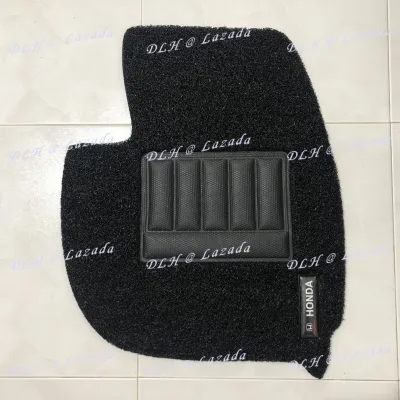
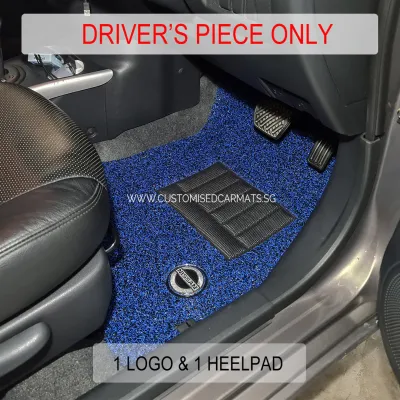
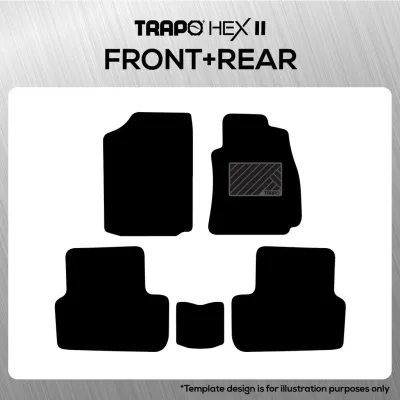
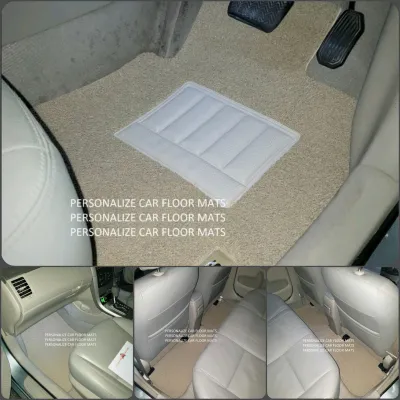
Prices are valid at publication and may change. Please refer to the product page for the latest price.
Defining True Full-Surround Coverage for the Honda Vezel
A true full-surround car mat—often referred to in the automotive aftermarket as a 3D, 5D, or even 7D mat—goes far beyond the coverage of traditional flat rubber or carpet mats. For a compact crossover like the Honda Vezel, full-surround coverage means the mat must climb up the vertical walls of the footwells, protecting the carpet from dirt, moisture, and friction.

In the driver’s footwell, a proper full-surround mat must completely cover the dead pedal (the footrest on the far left) without sagging or slipping. It should also extend high up behind the accelerator and brake pedals, yet maintain a strict clearance boundary to prevent any mechanical interference. On the passenger side, the mat must hug the sloping firewall and the side of the center console.
The rear cabin of the Honda Vezel presents its own unique geometry. A high-quality full-surround set features a single-piece rear mat that bridges the center floor hump seamlessly. It must contour precisely around the rear seat rails and slide under the front seats without blocking the under-seat air conditioning vents or any hybrid battery cooling ducts.
Understanding your Vezel’s generation is vital here. The first-generation Honda Vezel (RU series, produced from 2013 to 2021) and the second-generation Vezel (RV series, introduced in 2021) have entirely different floor pan dimensions, seat rail placements, and center console shapes. A mat designed for an RU1 or RU3 will not fit an RV3 or RV5. Furthermore, petrol and hybrid variants within the same generation can have subtle floor pan variations due to battery placement.
True custom-molded mats are manufactured using high-precision 3D laser scans of the specific vehicle cabin. This ensures that every curve, rise, and anchor point is accounted for. In contrast, generic or “semi-custom” mats are often modified universal designs that rely on folding, trimming, or heavy clips to stay in place, which frequently leads to loose edges, bunching, and potential safety hazards.
Core Dimensions to Compare Across Brands
To objectively evaluate different car mat brands for your Honda Vezel, you must look past generic marketing buzzwords and focus on three core dimensions: fitment precision, material durability, and safety ergonomics.
Fitment Precision and Retention
The primary indicator of a high-quality mat is how well it retains its shape along the vertical edges. Cheaper materials tend to warp, curl, or pull away from the center console and door sills over time, creating gaps where dirt and spilled liquids can accumulate. Look for brands that feature rigid, reinforced vertical walls or integrated clips that tuck securely under the plastic trim of your Vezel.
Equally important is the anti-slip backing. Even custom-molded mats can shift if the underside lacks traction. High-quality options utilize a specialized fiber backing, nibbed rubber, or hook-and-loop fasteners that grip the factory carpet without damaging its fibers. Crucially, the driver’s mat must feature precise cutouts or grommets that lock directly onto the Honda factory floor anchors.
Material Durability and Composition
Full-surround mats are exposed to constant friction, dirt, UV rays, and temperature fluctuations. When comparing materials, verify the manufacturer’s specifications for wear resistance and chemical stability.
- Thermoplastic Elastomer (TPE): This material is highly durable, odorless, and resistant to extreme heat and UV exposure. TPE mats are rigid enough to hold their shape but flexible enough for easy removal. They do not degrade when exposed to water, mud, or common cleaning chemicals.
- Polyurethane (PU) Leather and XPE Foam: Often used in multi-layer "luxury" mats, this combination offers a softer feel underfoot and excellent sound dampening. However, the durability depends heavily on the quality of the top PU layer. Low-grade PU leather can scuff, peel, or crack under heavy heel wear, and the inner foam layers can trap moisture if the stitching is not fully waterproof.
- Odor and Emissions: Because your Vezel's cabin can heat up significantly when parked in the sun, ensure the mats are certified as non-toxic and odorless. Inferior plastics can release harmful volatile organic compounds (VOCs) and unpleasant chemical smells when exposed to heat.
Safety and Ergonomics
A driver’s mat must never compromise vehicle control. The heel area under the pedals receives the most wear and tear; high-quality mats reinforce this spot with a dedicated metal, rubber, or heavy-duty plastic heel pad. This pad prevents your shoe heels from wearing a hole through the mat, which could eventually catch on the pedals.
Furthermore, the mat’s thickness and edge design must allow the accelerator, brake, and clutch pedals to travel through their full range of motion without catching on the mat’s edge.
Evaluating Brands: What to Verify Before Purchasing
When shopping for Honda Vezel car mats on online marketplaces or at local automotive accessory shops, you must perform diligent verification to ensure you receive a product that fits perfectly and lasts.
First, scrutinize the compatibility listings. A reliable seller will explicitly state the supported model years (e.g., “Fits Honda Vezel 2014-2020” or “Fits Honda Vezel 2021-2026”) and specify whether the mats are designed for the petrol or hybrid (e:HEV) variant. If a listing groups multiple unrelated vehicle models together or uses vague terms like “universal fit for compact SUVs,” it is highly likely a generic mat that will require manual trimming and offer poor coverage.
Second, review the seller’s return and exchange policy. Because full-surround mats rely on absolute precision, even a minor manufacturing variance can cause fitment issues. Ensure the retailer offers a clear return policy or a fitment guarantee that allows you to return or exchange the mats if they interfere with your pedals, seat tracks, or console.
Third, look for independent user reviews and real-world photos rather than relying solely on polished promotional images. Pay close attention to feedback from other Honda Vezel owners. Look for mentions of curling edges, persistent chemical odors, or instances where the mat shifted during driving. Photos uploaded by buyers are invaluable for assessing how well the mat actually hugs the Vezel’s unique floor contours.
Decision Framework: Matching Mat Profiles to Your Needs
To choose the right mat profile for your lifestyle and driving habits, consider how you use your Honda Vezel on a daily basis.
The Premium Custom-Molded Profile
If you prioritize a clean, factory-installed aesthetic and want a mat that integrates seamlessly with your Vezel’s interior trim, opt for premium 3D custom-molded TPE mats. These are ideal for daily commuters and families who want maximum protection against everyday dirt, sand, and minor spills without sacrificing the cabin’s visual appeal. They require zero trimming, lock securely into the factory anchors, and maintain their rigid shape over years of use.
The Heavy-Duty Utility Profile
In tropical climates with high humidity and frequent monsoon downpours, wet shoes will constantly track moisture into your Vezel. If you live in an HDB or condominium where washing car accessories is restricted to specific wash bays, heavy-duty TPE mats are highly practical. These mats feature raised outer lips designed to contain large volumes of liquid and mud. They dry rapidly and can be wiped clean without needing a full hose-down.
What to Avoid
Avoid generic, low-cost “universal” full-surround mats. The Honda Vezel has specific floor contours, including a distinct driver-side dead pedal and precise rear seat rail paths. Universal mats often bunch up in these areas, which not only looks untidy but can also block the seat tracks or, worse, slide under the pedals and create a severe driving hazard.
Essential Safety and Installation Checks
Installing your new full-surround mats requires careful attention to detail. Never simply throw the mats into the footwells; follow these essential safety and installation steps to ensure secure operation.
Before installing the new mats, you must completely remove all existing floor mats from your Honda Vezel. Stacking mats on top of one another is extremely dangerous, as it reduces pedal clearance and prevents the bottom mat’s anti-slip backing from gripping the floor carpet.
Once the footwells are clear, position the new mats and align them with the factory retention clips on the driver and front passenger sides. Press down firmly until you hear the clips click into place. If your new mats do not align with these factory anchors, do not drive the vehicle until you have secured them using the manufacturer-supplied retention hardware.
Next, perform a manual pedal clearance test. With the engine turned off, fully depress the accelerator, brake, and clutch pedals one by one. Verify that there is ample clearance between the pedal arm, the pedal pad, and the mat. The pedals must return to their resting positions smoothly without catching, rubbing, or dragging against any part of the mat.
Finally, adjust both front seats through their entire range of motion. Slide them fully forward and fully backward, and adjust the height if applicable. Ensure the seat tracks do not pinch, bunch, or tear the edges of the mats. Check that the mats do not obstruct any under-seat electrical wiring, airbag sensors, or climate control vents.
Frequently Asked Questions (FAQ)
Can I use Honda HR-V mats for my Honda Vezel?
While the Honda Vezel and the Honda HR-V share the same global platform, you cannot assume that mats designed for one will perfectly fit the other. Depending on the model year and the market for which the vehicle was manufactured, there can be subtle differences in floor pan dimensions, center console widths, and seat rail configurations. Additionally, right-hand drive (RHD) and left-hand drive (LHD) configurations have completely mirrored footwell layouts. Always verify the exact chassis code (such as RU1, RU3, RV3, or RV5) and consult the mat manufacturer’s compatibility list to ensure a precise fit.
How do I clean full-surround mats without damaging the material?
To maintain the appearance and longevity of your full-surround mats, always refer to the specific manufacturer’s care instructions. For TPE and rubber mats, remove them from the vehicle, shake off loose dirt, and rinse them with clean water. You can use a mild, pH-neutral soap and a soft brush to scrub away stubborn grime. Avoid using harsh chemical degreasers, bleach, or silicone-based dressings, as these can degrade the material and leave a slippery, dangerous residue on the surface. Ensure the mats are completely dry before reinstalling them in your Vezel to prevent moisture from trapping underneath, which can lead to mold, mildew, and unpleasant odors.

Community discussion
Share your experience or ask a question. Comments are reviewed before publication.