
Quick Answer: Which Full-Surround Mat Material is Best for Pets?
When looking for a high-sided floor liner that acts as a reliable car pet mat, the material and physical construction of the mat are far more critical than any “pet-friendly” marketing label. While many brands advertise all-weather protection, they use vastly different manufacturing techniques that directly affect how well they resist sharp claws and contain messy spills.
For active pets that bring mud, sand, and water into the cabin, a Thermoplastic Elastomer (TPE) injection-molded mat is generally the most robust choice. Its seamless, single-piece construction and high perimeter walls provide excellent liquid containment and scratch resistance, provided you verify the manufacturer’s material thickness specifications.
In contrast, Cross-linked Polyethylene (XPE) thermoformed mats offer a lighter, softer alternative but require careful verification of surface durability. Polyurethane (PU) leather options, while visually appealing, feature stitched seams and delicate surfaces that are highly vulnerable to claw damage and trapped pet hair, making them less practical for pet owners.
Products mentioned in this guide
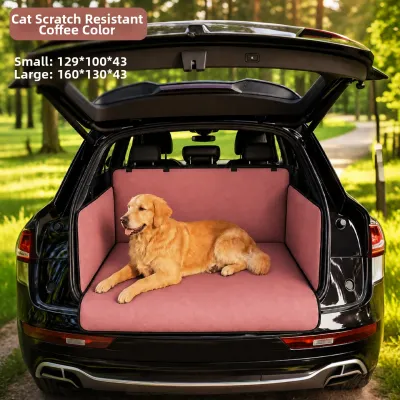
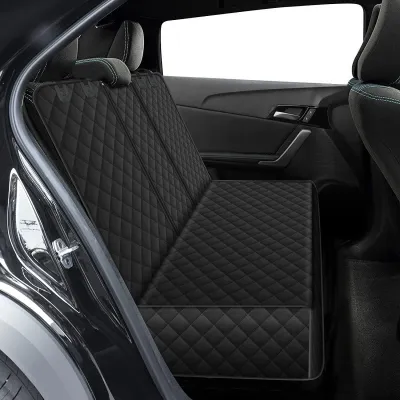
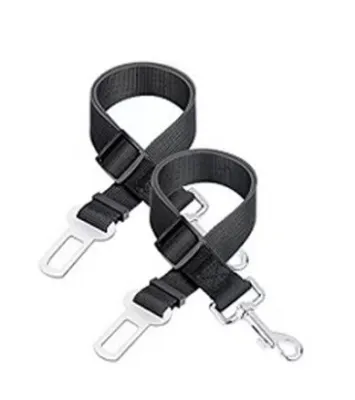
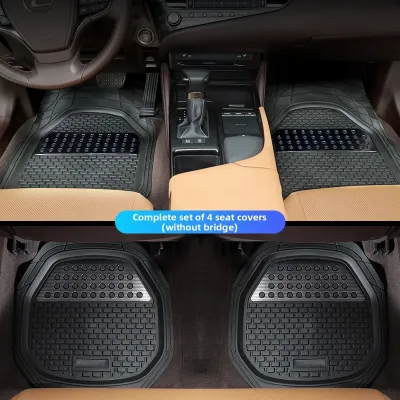
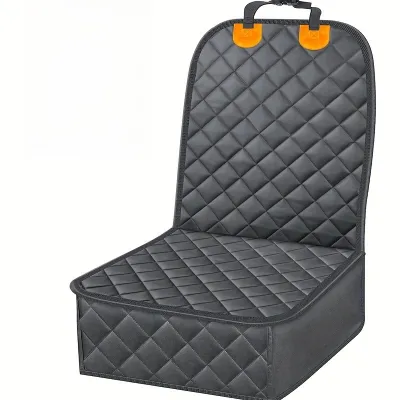
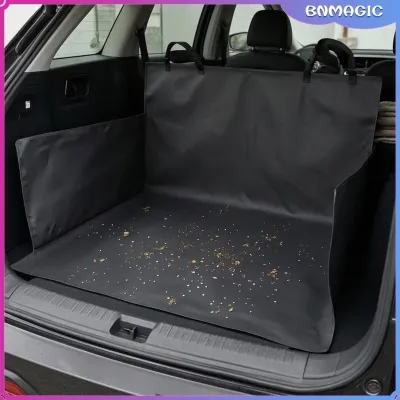
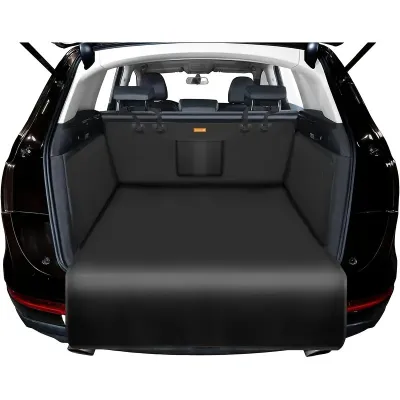
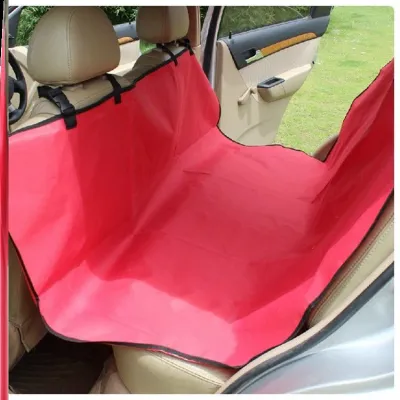
Prices are valid at publication and may change. Please refer to the product page for the latest price.
Core Dimensions for Evaluating Pet-Friendly Car Mats
To find a car pet mat that truly protects your vehicle’s interior, you must look past generic advertising claims and evaluate several physical design characteristics.

- Edge Coverage and Lip Height: A true full-surround mat must feature raised edges that climb the walls of the footwell. When evaluating a mat, check the manufacturer's specified lip height, which ideally should measure at least 3 to 5 centimetres. This physical barrier ensures that muddy water, drool, or spilled drinks remain contained on the mat's surface and do not seep over the edges into the vehicle's underlying carpet, which can lead to mold and persistent damp smells.
- Scratch and Claw Resistance: Dogs and cats exert significant pressure through their claws, especially during acceleration, braking, or cornering. To prevent claws from puncturing the mat and reaching the car's original carpet, verify the physical thickness of the wear layer. Look for manufacturers that specify a high-density material or provide a rated thickness (typically 2 millimetres or more for solid polymers) rather than relying on generic "heavy-duty" descriptions.
- Hair and Mud Cleanup: Pet hair has a frustrating tendency to weave itself into fabric fibers, while wet mud can bake into dry crusts. The surface texture of the mat determines how easily you can restore your cabin's cleanliness. Deep, aggressive containment channels are excellent for trapping liquids but can make vacuuming stubborn pet hair more difficult. Conversely, a completely flat surface allows hair to slide off but fails to contain liquids. Look for textured surfaces with wide, rounded channels that allow for both easy vacuuming and quick hosing down.
- Odor and Off-Gassing: In Singapore's tropical climate, interior cabin temperatures can easily exceed 60 degrees Celsius when parked in direct sunlight. High temperatures accelerate the release of volatile organic compounds (VOCs) from low-quality plastics and adhesives, creating unpleasant chemical odors that are harmful to both humans and pets. Always check the manufacturer's documentation for temperature tolerance ratings and look for certifications such as RoHS or SGS, which verify that the material does not release toxic fumes under extreme heat.
TPE vs. XPE vs. PU Leather: How Top Brands Protect Against Paws and Mud
The market for full-surround car mats is dominated by three primary material constructions. Understanding how these materials are manufactured and how they behave under physical stress is essential for making an informed purchase that matches your pet’s habits.
TPE Injection-Molded Mats: The Heavy-Duty Choice
Thermoplastic Elastomer (TPE) injection-molded mats represent the highest tier of physical protection for pet owners. Unlike cheaper alternatives, these mats are manufactured by injecting molten polymer into a high-pressure mold, resulting in a single, solid piece of material with no seams, stitches, or glued layers.
This seamless construction is a significant advantage for pet owners. Because there are no stitched seams, there is zero risk of muddy water, urine, or drool leaking through the mat onto your car’s floorboards. The material itself behaves like a hybrid of rubber and plastic, offering excellent elastic recovery and high resistance to puncture from sharp dog claws.
However, when choosing a TPE mat, you must verify the manufacturer’s stated temperature limits. High-quality TPE remains stable and odorless in Singapore’s intense heat, but lower-grade formulations can soften slightly or emit a rubbery smell. Additionally, because TPE mats are relatively rigid and heavy, you must check the product dimensions carefully. Ensure the stiff edges do not press against or block the movement of your driver’s side pedals, seat rails, or electronic seat adjustment controls, as this poses a serious safety hazard.
XPE Thermoformed Mats: The Lightweight Alternative
Cross-linked Polyethylene (XPE) mats are created using a thermoforming process that bonds multiple layers of material together under heat and pressure. Typically, these mats feature a decorative top wear layer, an inner XPE foam core for cushioning and sound dampening, and an anti-slip bottom layer.
The primary benefit of XPE is its lightweight, semi-flexible nature. These mats are significantly easier to remove, shake out, and wash than heavy TPE mats, which is highly convenient if you need to clean your vehicle after every pet outing. The foam core also provides a softer, more cushioned surface under your pet’s paws, reducing road vibrations and making the ride more comfortable for anxious animals.
The trade-off lies in long-term durability against claws. Because XPE mats rely on a layered structure, a deep claw puncture can breach the top wear layer and expose the inner foam core. Once the foam is exposed, it can absorb water and odors, eventually deteriorating from the inside out. When shopping for XPE options, inspect the product specifications for the thickness of the top protective film and check for specific scratch-resistance ratings. Additionally, examine the thermoformed edges; some brands use stitched fabric binding along the outer perimeter, which can absorb liquids and trap pet hair.
PU Leather and Stitched Mats: The Aesthetic Trap
Polyurethane (PU) leather mats, often featuring intricate diamond-stitched patterns, are popular for their luxury appearance and soft feel. These mats are constructed by stitching synthetic leather over a foam backing, creating a highly customized, full-coverage look that mimics high-end upholstery.
While they may look sophisticated, stitched PU leather mats are generally unsuited for vehicles carrying pets. The fundamental flaw is the stitching itself. Every single stitch represents a physical hole in the material. Muddy water, wet paws, and pet accidents will inevitably seep through these needle holes, trapping moisture and bacteria underneath the mat where it cannot easily dry. This leads to persistent foul odors and can ruin your vehicle’s original carpeting.
Furthermore, pet hair easily becomes wedged in the stitched grooves, making vacuuming a tedious chore. Cleaning these mats is also highly restrictive; you cannot simply hose them down or scrub them with stiff brushes without damaging the synthetic leather and degrading the internal foam. Over time, dog claws will inevitably scuff, tear, or peel the thin PU surface layer, leaving permanent, unsightly scars that ruin the premium aesthetic.
Verifying Edge Coverage and Fit for Your Specific Vehicle
A full-surround mat can only protect your vehicle if it fits the unique contours of your footwell precisely. Generic, one-size-fits-all mats often leave gaps where pet hair and dirt can accumulate, and worse, they can slide around and interfere with your driving controls.
To ensure a precise fit, prioritize brands that explicitly state they use 3D laser-scanning technology to map individual vehicle models. These custom-fit liners are molded to match the exact floor pan, center console walls, and side sills of your specific car model and year. When browsing product listings, verify that the manufacturer lists your exact model year and trim level, as even minor mid-cycle vehicle updates can alter the floor layout, pedal spacing, or seat rail configurations.
Safety must be your primary consideration when installing any floor mat. Before driving, install the mat and physically test the full range of motion of the accelerator, brake, and clutch pedals. The mat’s raised edges must not catch, rub, or restrict the pedals in any way. Similarly, check that the mat does not block the movement of the front seats along their rails or pinch any electronic wiring harnesses located under the seats.
Finally, evaluate the lip height on the passenger and rear doors. This is where your pet is most likely to leap into the vehicle. A sturdy, high lip on these outer sills prevents dirt and water from being pushed under the mat as your dog steps in, ensuring that the high-impact entry zones remain fully protected.
Common Brand Claims vs. Reality for Pet Owners
Navigating the marketing claims of car mat manufacturers requires a critical eye. Many brands use appealing terms that do not always align with real-world performance under pet ownership conditions.
- "Waterproof" vs. "Water-Containment": A manufacturer may truthfully claim their material is 100% waterproof, but this does not mean the mat system will contain water. If a mat has flat edges, low borders, or stitched seams, any spilled liquid or melted mud will simply run off the sides and pool on your car's carpet. True protection requires a water-containment design, featuring deep molded channels to trap liquids in place and high, seamless outer walls that prevent sloshing during sudden turns.
- "Anti-Slip" Backing: An unsecured floor mat is a severe hazard. If a mat slides forward under braking, it can bunch up beneath the pedals, preventing you from stopping the vehicle safely. It can also cause your pet to lose their footing and sustain an injury. Never rely on generic "anti-slip" descriptions. Instead, look for physical engineering solutions: verify that the mat features built-in retention holes designed to lock onto your vehicle's factory floor anchors. For areas without anchors, look for high-friction backing materials, such as Thermoplastic Rubber (TPR) nibs or specialized micro-hook textures that grip the carpet fibers securely.
- "Eco-Friendly" Materials: Many brands use buzzwords like "green" or "eco-safe" without providing evidence. For pet owners, this is a health concern, as pets spend their time close to the floorboards where off-gassing is most concentrated. To verify these claims, look for recognized independent certifications such as SGS, RoHS, or OEKO-TEX on the product label. These certifications confirm that the polymers used are free from harmful heavy metals, plasticisers, and volatile organic compounds.
Decision Framework: Matching the Mat to Your Pet and Driving Habits
Choosing the right full-surround car mat involves balancing your pet’s size, your cleaning routine, and your vehicle’s specific layout. Use the following framework to guide your decision:
- Choose TPE injection-molded mats if: You own medium to large dogs with sharp claws that easily scratch softer surfaces. Your outdoor activities frequently involve wet mud, beach sand, or heavy rain. You want a highly durable, zero-maintenance solution that you can aggressively hose down and scrub without fear of damage. You can verify that the manufacturer's custom-fit design perfectly matches your vehicle's model and year.
- Choose XPE thermoformed mats if: You have smaller, lightweight pets whose claws are less likely to puncture the outer wear layer. You prefer a lightweight mat that is easy to lift out, shake, and clean on a regular basis. You want a softer, more cushioned surface that helps dampen cabin noise and provides a more comfortable resting spot for your pet.
- Avoid PU leather stitched mats if: Your primary goal is protecting your car from active pets, muddy paws, and heavy shedding. The stitched seams will trap moisture and hair, the synthetic leather will scratch permanently, and the delicate construction cannot withstand heavy-duty washing.
- Verify first if: Your vehicle has specialized floor anchors, unusual footwell contours, or sensitive electronic seat controls that might conflict with the mat's advertised "full-surround" dimensions. Always cross-reference the product's exact fitment list with your car's make, model, and year before completing your purchase.
Community discussion
Share your experience or ask a question. Comments are reviewed before publication.