
Quick Answer: Which Full-Surround Car Mat Brand Type is Best?
Selecting the ideal full-surround car mat depends on whether you prioritize absolute safety clearance, precise floor contouring, or a premium interior aesthetic. There is no single brand or style that fits every driver’s needs, as compatibility depends heavily on your specific vehicle’s make, model, production year, and steering configuration.
For drivers who prioritize safety, minimal maintenance, and long-term durability, custom-molded thermoplastic elastomer (TPE) mats are the superior choice. These mats use laser-scanning technology to match your vehicle’s floor pan exactly, providing rigid, high-walled protection without interfering with the pedals.
Conversely, if you want a luxury aesthetic and a softer underfoot feel, multi-layer synthetic leather (often marketed as 5D or 7D) mats are highly appealing. However, these require diligent maintenance and regular drying to prevent moisture buildup, particularly in humid environments. Whichever type you choose, you must verify that the product is designed specifically for right-hand drive (RHD) configurations if you operate your vehicle in Singapore.
Products mentioned in this guide
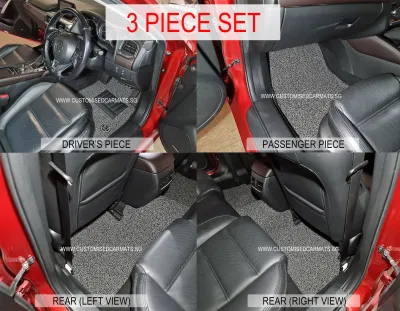
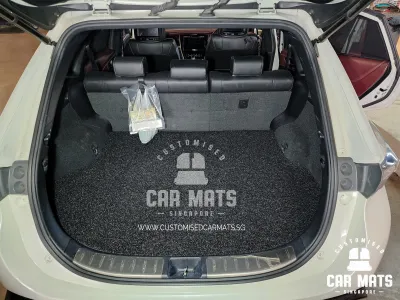
![[TOP CAR MAT FOR HONDA] Car Models / Car Mat / Anti-Slip Mat [BLACK BASE BLACK LINING ONLY]](https://img.lazcdn.com/g/p/da3f62e2326e0c4bf50368379f783d51.jpg_400x400q80.jpg_.webp)
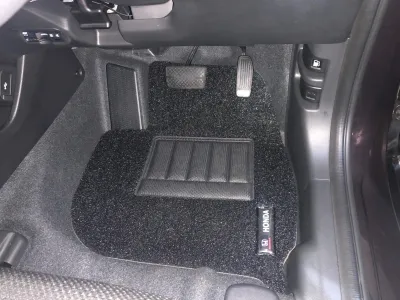
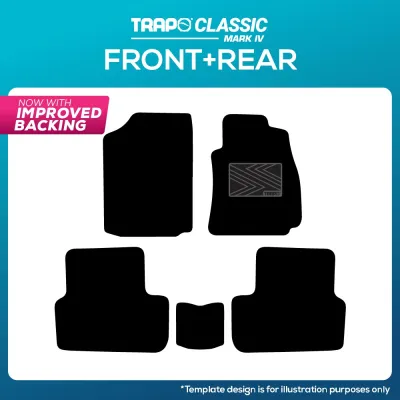
Prices are valid at publication and may change. Please refer to the product page for the latest price.
Defining the Core Comparison Dimensions for Full-Surround Mats
In the automotive aftermarket, “full-surround” refers to floor mats designed with high, raised walls that extend beyond the flat floor pan. Unlike traditional flat mats, these options cover the transmission tunnel, the side footwells, the dead pedal, and the lower kick panels. They are frequently categorized using marketing terms like 3D, 5D, or 7D, which generally refer to the number of material layers and the height of the coverage.

To objectively evaluate these products, you must look past marketing jargon and analyze three core dimensions: coverage, fit, and durability.
Coverage measures the physical surface area the mat protects. It evaluates how high the containment lips rise along the sides of the footwell and whether the mat covers the entire dead pedal and the area beneath the front seats. High coverage is excellent for trapping dirt, but it must be balanced against mechanical clearances.
Fit refers to how perfectly the mat conforms to the complex, three-dimensional curves of your vehicle’s floor. A high-quality fit ensures the mat lays completely flat without bunching, sliding, or blocking essential components like seat adjustment rails, floor-mounted fuel door releases, or heating vents.
Durability dictates how well the mat resists friction from footwear, structural sagging, and environmental degradation. In tropical climates, durability also includes a material’s ability to withstand high cabin temperatures and intense humidity without warping, cracking, or releasing toxic chemical odors.
Coverage Comparison: Maximum Protection vs. Pedal Safety Clearance
High-Lip and Extended Coverage Designs
Many full-surround mats are engineered to maximize coverage by utilizing exceptionally tall side walls. These high-lip designs excel at containing large liquid spills, tracked-in rainwater, mud, and loose sand, keeping these contaminants completely isolated from your vehicle’s original carpet. For drivers who frequently face wet weather, this extensive barrier prevents moisture from soaking into the floor insulation, where it can cause rust or electrical issues.
However, extended coverage introduces a critical safety boundary near the driver’s foot controls. If the mat’s material is too thick, or if the side walls extend too far into the pedal box, the edge of the mat can catch the lower lip of the accelerator, brake, or clutch pedal. This interference can prevent a pedal from returning to its resting position or limit its full downward travel, creating a severe driving hazard.
To mitigate this risk, you must physically verify the clearance of your driver’s side mat immediately after installation. With the engine turned off, depress each pedal slowly and firmly through its entire range of motion to ensure it does not touch, rub, or catch on any part of the mat. If you detect any physical contact or resistance, remove the mat immediately and consult the manufacturer.
Balanced Coverage with OEM Clearances
To address safety concerns, premium manufacturers design mats that balance coverage with original equipment manufacturer (OEM) clearances. These brands intentionally lower the profile of the mat or create specific cutouts in critical operational zones, such as directly beneath the accelerator pedal and around the steering column shaft. This design philosophy prioritizes mechanical safety over 100% carpet coverage.
By leaving small, calculated gaps around the pedal assemblies and seat tracks, these mats ensure that your vehicle’s safety systems function exactly as the manufacturer intended. They also prevent the mat from bunching up when the front seats are slid forward or backward along their rails.
When shopping for full-surround mats, look for brands that explicitly state they design for “pedal clearance” or “zero mechanical interference.” These specifications indicate that the manufacturer has engineered the mat’s dimensions to accommodate the physical travel path of your specific vehicle’s control pedals.
Fit Evaluation: Custom-Molded vs. Universal Trim-to-Fit Designs
Laser-Measured and Custom-Molded Brands
Custom-molded mats are manufactured using advanced 3D laser-scanning technology to capture the exact digital footprint of a specific vehicle’s cabin. This data is used to create highly precise molds, resulting in a mat that fits like a second skin over the floor carpet. These mats feature integrated channels that align perfectly with your vehicle’s factory floor anchors, locking the mat securely in place to prevent sliding.
Because these mats are molded to a highly specific floor pan, they are strictly vehicle-specific. A custom mat designed for a particular sedan will not fit the SUV variant of the same model, nor will it fit a facelifted version of the same car if the manufacturer altered the floor pan geometry. You must verify your vehicle’s exact make, model, body style, and model year before purchasing.
Furthermore, you must pay close attention to steering configuration. Singapore vehicles require right-hand drive (RHD) mats, which feature a mirrored layout compared to left-hand drive (LHD) versions. An LHD driver’s mat placed in an RHD vehicle will not align with the pedals, will cover the wrong footrest area, and will create an immediate, highly dangerous obstruction.
Universal or Semi-Custom Trim-to-Fit Brands
Universal full-surround mats are designed to fit a wide range of vehicle classes and feature printed trim lines that allow you to cut the material down to size. These options are generally much more affordable than custom-molded alternatives and are widely available across online marketplaces. They offer a flexible solution if you change vehicles frequently or drive an uncommon model for which custom mats are unavailable.
However, trimming a universal mat to fit your footwell compromises its ability to act as a true full-surround barrier. Cutting through the raised edges or containment lips flattens the perimeter, allowing dirt and liquids to spill directly onto your vehicle’s carpet. Additionally, the semi-flexible materials used in universal mats rarely conform neatly to vertical kick panels, often leading to unsightly bulging and slipping.
Because universal mats lack model-specific anchor points, they are highly prone to shifting forward under foot pressure. You should avoid using universal trim-to-fit mats on the driver’s side unless you can securely anchor them to the floor and guarantee absolute, permanent pedal clearance. If the mat slides forward during driving, it can easily wedge beneath the brake pedal, severely compromising your braking ability.
Durability Assessment: Material Wear and Tropical Climate Resistance
Thermoplastic Elastomer (TPE) and Rubber Compounds
Thermoplastic elastomer (TPE) is a high-grade compound that combines the structural stiffness of plastics with the flexible, slip-resistant properties of rubber. Premium TPE mats are manufactured using injection molding, which ensures consistent wall thickness and excellent structural integrity. This material is highly resistant to physical wear, meaning it will not wear through or develop holes under constant heel friction.
In tropical environments like Singapore, where cabin temperatures can exceed 60 degrees Celsius when parked under direct sunlight, TPE performs exceptionally well. High-quality TPE is chemically stable, meaning it will not warp, curl at the edges, or degrade under intense UV exposure. It is also completely odorless and does not release volatile organic compounds (VOCs) or chemical fumes when heated.
In contrast, cheap, unidentified rubber or low-grade PVC blends often degrade rapidly in hot cabins. These budget materials can become sticky, lose their shape, and emit a strong, toxic chemical odor that lingers in the vehicle. When purchasing, always check the material composition label to confirm the product is made from high-quality, virgin TPE rather than recycled industrial scrap.
Synthetic Leather (PU/PVC) and Multi-Layer Fabric
Multi-layer synthetic leather mats, commonly referred to as 5D or 7D mats, feature a stitched outer layer of polyurethane (PU) or polyvinyl chloride (PVC) leather, a soft foam or sponge middle layer, and a non-slip backing. This construction provides a highly luxurious, cushioned feel underfoot and coordinates well with premium leather upholstery. They are popular for adding an executive aesthetic to luxury sedans and family SUVs.
Despite their visual appeal, multi-layer mats face distinct durability challenges in hot, humid climates. The top synthetic leather layer can dry out, crack, and peel over time due to friction and UV exposure. Additionally, the needle holes created by the decorative diamond stitching allow water, mud, and spilled drinks to seep into the internal foam layer.
Once moisture penetrates the inner foam layer, it becomes trapped in the dark, warm space beneath the mat. In high-humidity environments, this trapped moisture quickly leads to the growth of mold, mildew, and persistent, musty cabin odors. If you choose multi-layer synthetic leather mats, you must be prepared to remove them regularly, clean them carefully, and allow them to dry completely in a well-ventilated area before reinstalling them.
Decision Framework: Matching the Right Mat Brand to Your Priorities
To select the perfect full-surround car mat for your vehicle, you should evaluate your driving habits, maintenance commitment, and budget against the following framework:
- Choose custom-molded TPE brands if: You prioritize maximum safety, absolute pedal clearance, and long-term durability. These mats are ideal for families, outdoor enthusiasts, and daily commuters who want a low-maintenance solution that can be easily sprayed clean with water and reinstalled immediately.
- Choose multi-layer synthetic leather brands if: You prioritize a luxury interior aesthetic, prefer a soft, cushioned feel underfoot, and are committed to regular vehicle detailing. You must be willing to perform routine maintenance, including drying the mats thoroughly after wet weather, to prevent moisture retention and mold growth.
- Avoid universal trim-to-fit mats on the driver's side if: You cannot guarantee a secure, slip-free mounting solution or if trimming the mat compromises the mechanical clearance around your pedals. Safety must always take precedence over cost savings.
- Verify your vehicle's specific layout before buying: Always confirm if your car has factory floor anchors, under-seat subwoofers, rear air vents, or specialized right-hand drive (RHD) pedal configurations. Check your vehicle's owner's manual to locate these features and ensure the mat brand you choose offers precise, model-specific cutouts that accommodate them.
Frequently Asked Questions (FAQ)
Are full-surround car mats safe for the driver's side?
Full-surround car mats are safe for the driver’s side only if they are custom-molded for your specific vehicle model and do not interfere with pedal operation. You must ensure the mat is securely attached to the factory floor anchors to prevent it from sliding forward. Immediately after installing any new driver’s side mat, check your vehicle’s manual for proper anchor usage, and physically depress the accelerator, brake, and clutch pedals completely to the floorboard. If the mat causes any binding, catching, or restriction of pedal travel, do not drive the vehicle; remove the mat immediately and contact the manufacturer.
How do I clean and maintain multi-layer synthetic leather car mats?
To clean multi-layer synthetic leather mats, remove them from the vehicle and wipe the surface with a damp microfiber cloth and a mild, label-authorized interior cleaner. Avoid soaking these mats, using high-pressure water sprays, or applying harsh chemical solvents, as liquid can easily penetrate the stitching and saturate the inner foam layer. If the mats do get wet, dry them thoroughly in a shaded, well-ventilated area before putting them back in your vehicle. Always refer to the mat manufacturer’s care instructions to ensure you do not use cleaning products that could degrade the synthetic leather or unravel the stitching.

Community discussion
Share your experience or ask a question. Comments are reviewed before publication.