
Selecting the right full-surround floor mats for your vehicle in Singapore is a decision that directly impacts cabin cleanliness, interior preservation, and driving safety. Because Singapore experiences high humidity, sudden tropical downpours, and intense cabin heat when parked outdoors, standard universal mats often fall short. A high-quality full-surround mat must protect your car’s original carpet from moisture and dirt while remaining securely anchored away from your pedals. Understanding the differences in materials, fit precision, and safety features will help you make an informed investment for your vehicle.
To find the best balance of fit and value, you must evaluate how different mat categories perform under local driving conditions. This guide breaks down the essential criteria for choosing full-surround mats, compares the major brand categories available in Singapore, and outlines critical safety checks to perform before you drive.
What Defines a High-Quality Full-Surround Floor Mat?
A premium full-surround floor mat is engineered to provide complete coverage of the footwell, extending up the sides of the transmission tunnel and footwells to prevent dirt and liquids from contacting the original carpet. The structural integrity of these mats depends heavily on their material composition. Common materials include Thermoplastic Elastomer (TPE), Cross-linked Polyethylene (XPE), and multi-layer synthetic leather (polyurethane or PU). TPE is highly regarded for its rubber-like flexibility, durability, and resistance to extreme temperatures, while XPE serves as an excellent lightweight, semi-rigid cushioning layer. Synthetic leather options offer a more traditional, stitched luxury aesthetic but require high-quality backing layers to remain waterproof.
Products mentioned in this guide
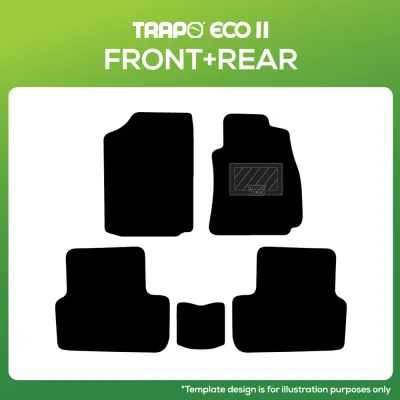

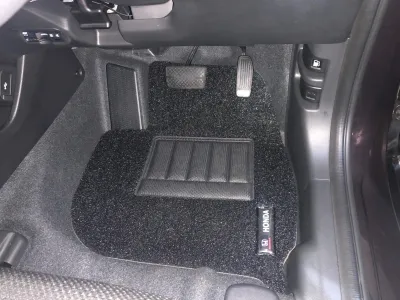
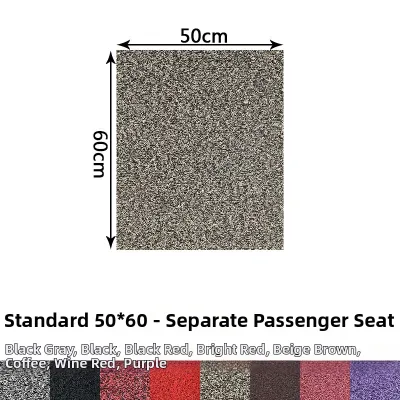
![[TOP CAR MAT FOR TOYOTA] Car Models Car Mat / Anti-Slip Mat [BLACK BASE BLACK LINING]](https://img.lazcdn.com/g/p/512c6ee72f263de3847c1e6d93877991.jpg_400x400q80.jpg_.webp)
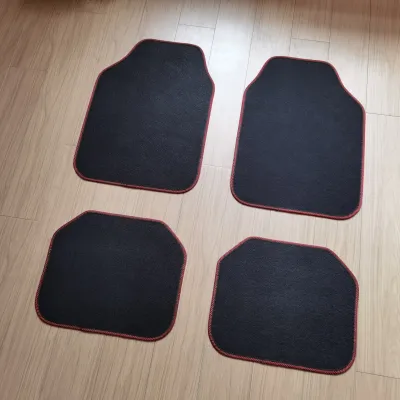
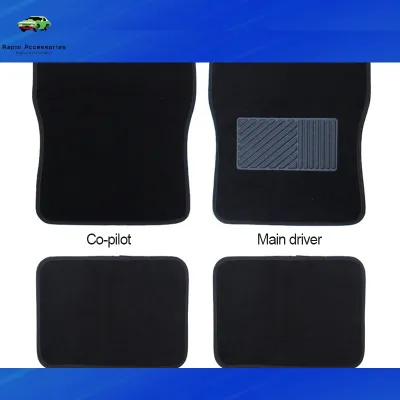
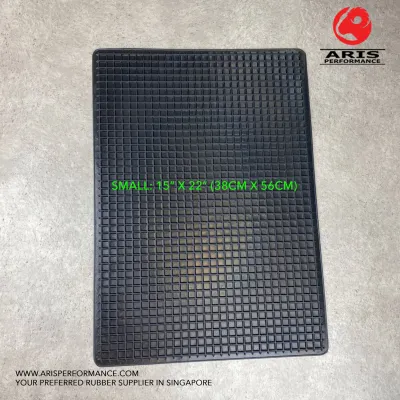
Prices are valid at publication and may change. Please refer to the product page for the latest price.
Edge coverage and lip height are critical for effective spill containment. In Singapore, where heavy rain can lead to wet shoes and dripping umbrellas, a mat with a raised three-dimensional lip (often 3D or 5D designs) ensures that water, mud, and sand remain trapped on the mat’s surface. The edges must be rigid enough to maintain their shape over years of use without curling inward, which could allow debris to slip underneath or interfere with foot movement.
Anti-slip backing mechanisms and factory anchor point compatibility are non-negotiable safety features. High-quality mats feature specialized bottom textures—such as microscopic hook-and-loop fibers or rubberized nibs—that grip the underlying carpet fibers to prevent sliding. Furthermore, they must feature precise cutouts or built-in locking clips that snap directly onto your vehicle’s factory floor anchors, ensuring the mat remains completely stationary during sudden braking or acceleration.
Odor and off-gassing standards are especially important in Singapore’s tropical climate. When a car is parked in direct sunlight, cabin temperatures can easily exceed 60 degrees Celsius. Low-grade plastics and adhesives used in cheap mats can degrade under this heat, releasing unpleasant odors and harmful volatile organic compounds (VOCs) into the enclosed cabin. High-quality mats use non-toxic, medical-grade, or food-grade materials that remain completely odorless and stable even under extreme thermal stress.
Comparing Brand Categories: OEM, Premium Aftermarket, and Budget
When shopping for full-surround mats in Singapore, you will generally choose among three distinct brand categories: dealership OEM mats, specialized premium aftermarket brands, and budget options from online marketplaces. Each category represents a different balance of fit precision, material longevity, and overall value.

Dealership OEM (Original Equipment Manufacturer) mats are designed specifically by your car’s manufacturer. While they guarantee perfect compatibility and absolute safety compliance, they are rarely designed as high-walled, full-surround mats. Instead, they typically consist of flat carpet or basic rubber sheets. They also tend to carry a premium price tag at authorized dealerships without offering the comprehensive side-wall protection that keeps dirt from spilling onto the side carpets.
Specialized premium aftermarket brands utilize advanced 3D laser scanning technology to map the exact contours of specific vehicle footwells. These brands manufacture mats tailored to individual makes, models, and production years, ensuring a glove-like fit. They typically use high-grade TPE or multi-layer synthetic leather with robust warranties. While the initial cost is higher—often ranging from S$150 to over S$300—their durability, precise fit, and superior safety features offer excellent long-term value for car owners who want to preserve their vehicle’s resale value.
Budget options sourced from generic online marketplaces present significant trade-offs. While these mats are highly affordable, they are often mass-produced using universal templates or low-grade materials. They frequently suffer from poor fitment, leaving gaps where dirt can accumulate, or worse, overlapping with the pedals. Additionally, budget mats often lack proper factory anchor compatibility, rely on cheap adhesives that fail in high heat, and emit strong chemical odors that can persist for months.
Key Dimensions for Evaluating Material and Durability
To determine which mat material offers the best value for your daily commute, you must assess how it handles heat, cleaning, and physical wear over time.
Heat resistance is a primary concern in Singapore. Continuous exposure to high cabin temperatures can cause inferior synthetic leather mats to crack, peel, or delaminate as the adhesive layers melt. Pure TPE mats excel in this environment, as they are injection-molded as a single piece without glues, allowing them to withstand high temperatures without warping or losing their structural rigidity.
Ease of cleaning is another major factor. TPE mats are highly practical; they do not absorb liquids, meaning you can simply remove them, hose them down with water, and wipe them dry in minutes. Synthetic leather mats require more careful maintenance. Because water can seep through stitched seams and get trapped in the inner foam layers—leading to mold and musty odors—they should only be wiped down with a damp microfiber cloth and a mild, pH-neutral interior cleaner authorized for synthetic materials.
Long-term wear resistance is determined by how well the mat resists friction, particularly in the driver’s footwell. The constant movement of your heels while operating the pedals can quickly wear through thin materials. Premium mats address this by incorporating reinforced heel pads made of thick rubber, textured plastic, or metal plates on the driver’s side to prevent premature wear-through and extend the lifespan of the entire set.
How to Verify Fit and Safety for Your Specific Car Model
Safety must always be your top priority when installing any interior accessory. A loose, shifting, or poorly designed floor mat can slide forward and trap the accelerator or brake pedal, leading to a loss of vehicle control.
Before purchasing, always verify the manufacturer’s compatibility list for your exact vehicle make, model, production year, and trim level. Do not assume that mats designed for a petrol-engine model will fit the hybrid or electric version of the same car; hybrid batteries and electric drivetrains often alter the floor pan shape, transmission tunnel width, and seat rail placements. Always refer to your vehicle’s original documentation to confirm floor layout specifications.
Once you receive the mats, perform a physical pedal clearance check before driving. With the engine off, fully depress the accelerator, brake, and clutch pedals (if applicable) to their absolute limits. Ensure there is a clear, unobstructed gap between the pedal arms and the edges of the mat. The pedals must be able to travel through their entire range of motion and return to their idle positions smoothly without catching on any part of the mat.
Next, inspect the factory anchor point alignments. The mat’s retention eyelets must align perfectly with the plastic clips or hooks built into your car’s floorboards. Snap them securely into place and attempt to slide the mat forward and backward with your hands. If the mat moves or does not lock securely, do not use it. Additionally, never stack full-surround mats on top of your existing carpet or rubber mats, as this raises the floor height and significantly increases the risk of pedal entrapment.
Decision Framework: Choosing the Right Mat for Your Needs
To select the ideal full-surround floor mat for your vehicle, consider your daily driving habits, passenger profile, and aesthetic preferences.
Choose premium TPE mats if you prioritize maximum durability, low maintenance, and practical protection. This material is ideal for families with young children, pet owners, outdoor enthusiasts, and private-hire drivers who experience high passenger turnover. TPE mats easily handle spilled drinks, muddy shoes, and wet umbrellas, and they can be cleaned and dried with minimal effort.
Choose synthetic leather mats if you drive an executive sedan or luxury SUV and want to maintain a sophisticated, premium cabin aesthetic. These mats provide excellent sound dampening, a plush feel underfoot, and a tailored look that complements high-end leather upholstery. However, you must be willing to dedicate more time to manual cleaning and avoid exposing them to excessive mud or standing water.
Verify first if your vehicle has floor-hinged pedals, unique floor layouts, or aftermarket pedal modifications. If your car falls into any of these categories, prioritize specialized aftermarket brands that offer physical test-fitting or professional installation services in Singapore. If you observe any fitment issues, loose clips, or pedal interference during installation, stop immediately and consult the mat manufacturer or a qualified automotive professional before operating the vehicle.
Frequently Asked Questions (FAQ)
Are full-surround mats safe for cars with floor-hinged pedals?
Floor-hinged pedals (often called organ-style pedals) pivot from the floor rather than hanging from above. Full-surround mats must feature a highly precise, molded cutout around the base of these pedals to prevent interference. If a mat is too thick, poorly cut, or shifts even slightly, it can wedge underneath the pedal or hold it down, creating a severe safety hazard. Always check the manufacturer’s documentation to ensure the mat is specifically certified for floor-hinged configurations. After installation, manually depress the pedal to verify complete clearance, and consult a professional if you detect any resistance.
How do I clean and maintain TPE or synthetic leather full-surround mats?
For TPE mats, remove them from the vehicle, rinse off loose dirt with a hose, and wash them using a mild, pH-neutral car shampoo and a soft brush. Rinse thoroughly and allow them to dry completely in a shaded area before reinstalling. For synthetic leather mats, do not submerge them in water or use high-pressure washers, as moisture can penetrate the stitching and damage the inner foam. Instead, wipe the surface with a damp microfiber cloth and a mild interior cleaner authorized for synthetic leather. Never apply silicone-based tire dressings or vinyl protectants to any floor mat, as these products leave a slick residue that makes the surface dangerously slippery.
Community discussion
Share your experience or ask a question. Comments are reviewed before publication.