
Choosing between a full face, open face, or modular helmet depends on your typical riding speeds, your tolerance for tropical heat, and how much you prioritize maximum impact protection over daily convenience. For high-speed highway commuting and maximum safety, a full face helmet is the standard choice. For low-speed urban trips where ventilation is critical, an open face helmet offers excellent airflow. Meanwhile, a modular helmet bridges the gap, providing a flip-up chin bar that offers versatility for riders who need to communicate or cool down at traffic stops. No single style is universally superior; instead, the right helmet is the one that fits your head shape correctly, complies with local safety standards, and matches your specific riding environment.
Core Differences in Protection and Design
To make an informed decision, it is essential to understand how these three helmet styles differ in their engineering and construction. A full face helmet uses a single, continuous outer shell that completely encloses the head, including the chin and jaw. An open face helmet, or three-quarter helmet, removes the chin bar entirely, leaving the face exposed or covered only by a clear visor. A modular helmet uses a hinged mechanism to connect the chin bar to the main shell, allowing it to pivot upward and temporarily convert the helmet into an open-face configuration.
In tropical environments like Singapore, where high humidity and sudden downpours are common, these structural differences directly affect both rider comfort and safety. A unified, one-piece shell is structurally optimized to distribute impact forces across its entire surface area during a collision, reducing localized trauma to the head and face. In contrast, open or hinged structures do not distribute forces in the same manner, making it critical for riders to check the manufacturer’s safety labels and official certification documentation to understand the structural limits of their specific model before riding.
Products mentioned in this guide
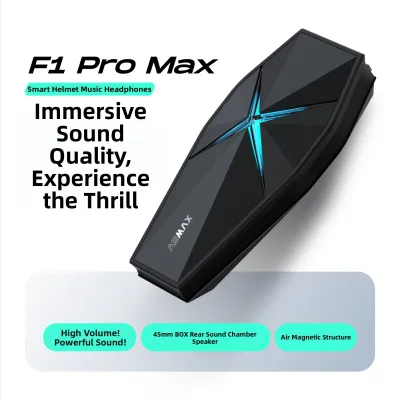
55 Lazada user ratings
The machine is brand new and hasn't been opened, super reliable packaging, I've bought from here multiple times, and they always throw in so…Read full reviewShow less
The machine is brand new and hasn't been opened, super reliable packaging, I've bought from here multiple times, and they always throw in some extras. The customer service is really dedicated and taught me how to use it, so I'll definitely come back to shop here again when I need something.
Really great, the sound quality is awesome, and the voice assistant is super smart. Switching from Vimaitong to these headphones was a huge …Read full reviewShow less
Really great, the sound quality is awesome, and the voice assistant is super smart. Switching from Vimaitong to these headphones was a huge upgrade.
The customer service is great, the headphones have excellent quality and sound, and they're easy to install.
The Bluetooth headphones are great quality. The calls with my teammates are really clear.
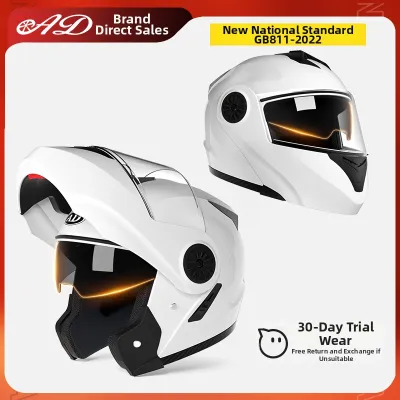
13 Lazada user ratings
Really easy to use, just bought my second one and took apart the two sponges for summer use.
I tried on this helmet, and it’s great! Very satisfied, thanks to the seller!
They fit really well, stay in place, and feel pretty comfortable.
They fit really well, stay in place, and are quite comfortable.
It's definitely worth it and provides good value.
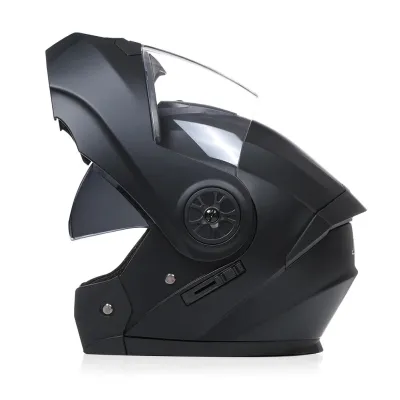
190 Lazada user ratings
Great packaging with four layers: a bag, bubble wrap, a white sack, and a black sack. Exceptional quality product and unbeatable value for m…Read full reviewShow less
Great packaging with four layers: a bag, bubble wrap, a white sack, and a black sack. Exceptional quality product and unbeatable value for money, plus a fantastic seller. Everything works perfectly!
really great product, made of high-quality materials. the seller is friendly and nice, I highly recommend it.
The headset matches the description and is of good quality, so I recommended it again. I suggest this seller.
The product is great, just a small blemish that likely happened during shipping, but otherwise, no issues!
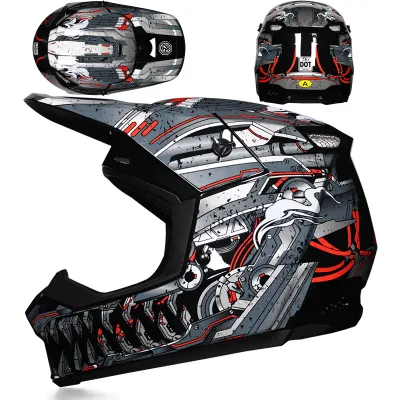
63 Lazada user ratings
You manufacturers are really something else, deceiving overseas customers and sending them low-quality products without refunds.
Really great, I'm happy, just like I ordered.
The helmet feels really well made.
It's alright.
Very sturdy.
Prices are valid at publication and may change. Please refer to the product page for the latest price.
Full Face Helmets: Maximum Coverage for High-Speed and Touring
Full face helmets are widely recognized for offering the highest level of physical coverage and impact protection. Because the chin bar is an integral, non-moving part of the outer shell, it provides rigid protection for the lower face and jaw, which are statistically high-impact zones during a fall. When evaluating a full face helmet, riders should look for specific impact standards, such as the UN ECE 22.06 or the local Singapore Standard SS 9, printed clearly on the certification label inside the helmet.

Beyond impact protection, the continuous shell design offers excellent aerodynamic performance. At highway speeds, the smooth profile minimizes wind lift and buffeting, which significantly reduces neck fatigue over long distances. The enclosed design also acts as a physical barrier against ambient road noise and wind roar, protecting the rider’s hearing and allowing for better concentration on the road ahead.
However, the sealed environment of a full face helmet can lead to heat retention, especially when idling in heavy traffic. To mitigate this, riders should examine the manufacturer’s specifications for advanced ventilation channeling, which uses intake and exhaust vents to pull warm air away from the scalp. Additionally, checking the visor’s lateral width can help ensure the helmet offers an adequate field of view for navigating lane changes safely.
Open Face Helmets: Airflow and Visibility for City Cruising
Open face helmets, also known as three-quarter helmets, prioritize ventilation and situational awareness. By omitting the chin bar, these helmets allow maximum natural airflow across the rider’s face, which is highly valued during slow, stop-and-go city commutes in warm climates. The absence of a chin bar also provides an unrestricted field of view, making it easier to spot hazards, pedestrians, and side-street traffic in dense urban environments.
This high level of visibility and cooling comfort makes the open face style a popular choice for daily riders who operate at lower speeds. The primary trade-off, however, is the complete lack of physical protection for the chin, jaw, and lower face. In the event of a frontal impact, an open face helmet cannot shield these areas from injury.
To protect the eyes from road debris, dust, and insects, riders should verify if the helmet features an integrated drop-down sun visor or prepare to pair the helmet with separate protective goggles. This style is generally best suited for short-distance urban travel, scooter commuting, and classic motorcycle cruising, where speeds are moderate and the rider accepts the structural trade-offs in exchange for comfort and ease of communication.
Modular Helmets: Versatility for Commuters and Long-Distance Riders
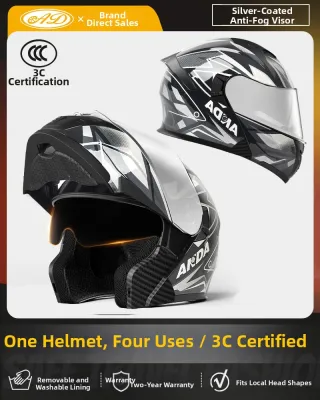
Modular helmets combine features of both full face and open face designs through a hinged chin bar mechanism. This allows the rider to keep the helmet fully closed while riding at high speeds, and then flip the chin bar up when stopping for fuel, navigating slow parking structures, or speaking with others. This dual-function design offers significant convenience, particularly for riders who wear prescription glasses, as the helmet can often be put on or removed without taking off their eyewear.
It also simplifies quick tasks like taking a drink of water or checking a map during long-distance tours. However, the mechanical hinge and locking hardware add noticeable weight compared to a standard full face helmet. This additional weight can contribute to neck fatigue during extended riding sessions, making proper helmet balance and fit even more critical.
Furthermore, riders must understand that not all modular helmets are designed to be worn in the open position while the motorcycle is in motion. It is critical to verify the manufacturer’s documentation and look for specific dual homologation certifications (often marked as “P/J” on the label), which indicate the helmet has been safety-tested and approved for use with the chin bar both down and up. Operating a modular helmet with the chin bar up without this certification can compromise your safety in an accident.
How to Choose the Right Helmet for Your Riding Habits
Selecting the right helmet requires a realistic assessment of your typical riding routes, speeds, and personal comfort priorities.
You should choose a full face helmet if your daily route involves expressways, high-speed touring, or if your primary goal is to secure the highest level of impact protection and noise reduction. The rigid, one-piece construction is the standard choice for high-speed environments where wind resistance and impact forces are significantly greater.
An open face helmet is highly suitable if your riding is confined to dense, low-speed city streets, and you prioritize maximum ventilation and peripheral vision over complete facial coverage. This style is ideal for riders who find enclosed helmets claustrophobic or excessively hot in tropical climates, provided they accept the inherent safety trade-offs.
A modular helmet is the ideal compromise if you want the high-speed protection of a full face helmet but require the practical convenience of an open face design during stops. This style is highly favored by delivery riders, daily commuters, and touring enthusiasts who value the ability to open the helmet without removing it entirely, and who do not mind the slightly heavier weight of the hinge mechanism.
However, these three standard styles may not meet your needs if you participate in specialized riding activities. For instance, if you ride on closed racing circuits, you will likely require an ultra-lightweight, track-focused full face helmet equipped with aerodynamic spoilers and specialized tear-off visor systems. Conversely, if your riding takes you off-road, you will need a dedicated dirt bike helmet featuring an extended chin guard, a sun peak, and an open front designed to accommodate high-airflow off-road goggles.
Fit, Certification, and Safety Checks Before You Buy
Regardless of the style you select, a helmet can only protect you if it fits correctly and complies with recognized safety standards. Before making a purchase, always locate and verify the approved safety standard labels. In Singapore, helmets used on public roads must bear the local regulatory safety mark (such as the TUV SUD PSB test label), alongside international standards like ECE 22.05/22.06 or DOT, which are typically printed on a label stitched to the retention strap or affixed to the rear of the outer shell.
To perform a proper fitment test, place the helmet on your head and fasten the retention system securely. The helmet should feel snug around your entire head, with the cheek pads firmly compressing your cheeks without causing pain. Next, check for any localized pressure points, particularly on your forehead or the crown of your head; if you feel a sharp pinch or discomfort after wearing the helmet for a few minutes, the shape may not match your head profile. Finally, try to roll the helmet forward off your head by pulling up on the rear rim; if it slips off or shifts significantly, the size is too large or the retention strap is improperly adjusted.
Lastly, always inspect the manufacturer’s date stamp, which is usually located on a sticker underneath the comfort liner inside the EPS foam. Helmets degrade over time due to exposure to sweat, hair oils, and UV rays, and manufacturers generally recommend replacing them every five years from the date of first use. Avoid purchasing used helmets, as invisible structural damage to the internal EPS liner from a previous drop or impact can render the helmet ineffective in a future accident.
Frequently Asked Questions (FAQ)
Are modular helmets as safe as full face helmets in an impact?
The safety of a modular helmet depends heavily on its specific design, locking mechanism, and certification status. While a high-quality modular helmet offers excellent protection when the chin bar is locked down, it is structurally different from a solid, one-piece full face helmet. To ensure safety, riders must verify if the helmet has dual homologation (P/J certification), which indicates it has been tested and approved for use in both the open and closed positions. Always consult the manufacturer’s manual to verify the approved riding configurations and structural limitations of your specific model, as riding with an unapproved chin bar in the upright position can expose your face to impact and alter the helmet’s aerodynamics during a fall.
Can I wear prescription glasses with an open face or full face helmet?
Yes, you can wear prescription glasses with all three helmet styles, but comfort depends on the helmet’s internal design. When shopping for a helmet, look for models that feature dedicated glasses grooves or channels cut into the cheek pads and EPS liner, which prevent the helmet from pressing the glasses frames against your temples. During your fitting test, wear your glasses to ensure they sit naturally on your nose without being tilted or squeezed. Modular helmets are particularly convenient for glasses wearers, as the flip-up front allows you to put on or remove the helmet without needing to take off your glasses first, reducing the risk of dropping or damaging your eyewear.
Community discussion
Share your experience or ask a question. Comments are reviewed before publication.