
Quick Answer: Which Sunshade Type Solves Your Problem?
If your steering wheel is too hot to touch, your dashboard is baking, and your front-facing dashcam keeps overheating, you need a front windshield sunshade. This type acts as a primary thermal barrier, blocking intense solar radiation from entering the largest glass surface of your vehicle while it is parked.
If your rear passengers are squinting against the glare, your child is getting uncomfortable on long drives, or you want extra privacy in the back seat, side window sunshades are the correct choice. These shades are designed to remain in place while the vehicle is in motion, providing continuous relief from lateral sunlight.
Using both types together provides the ultimate heat barrier when your car is parked under the intense tropical sun. However, you must ensure that any side window shades do not block your view of the side mirrors or violate local traffic safety laws while driving.
Products mentioned in this guide
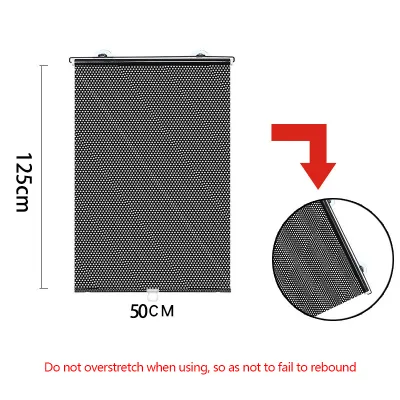
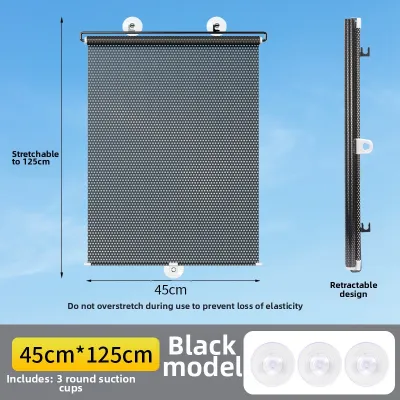
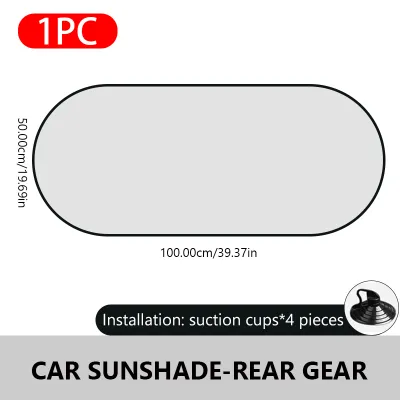
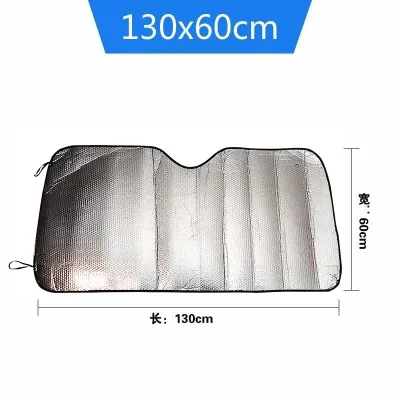
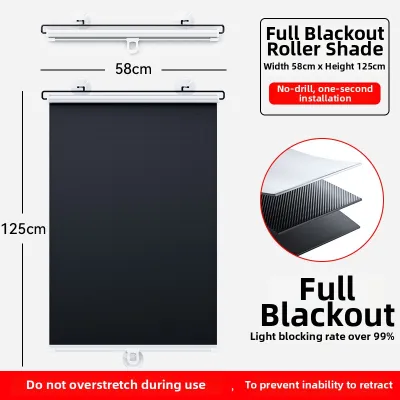
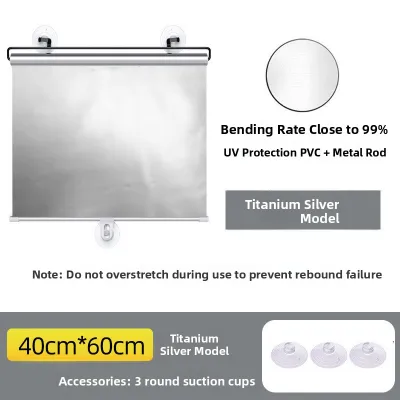
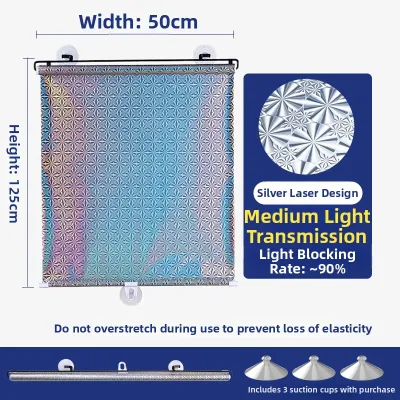
Prices are valid at publication and may change. Please refer to the product page for the latest price.
Front Windshield vs. Side Window Sunshades: Key Differences
To make an informed decision, it helps to understand how these two categories of interior accessories differ in coverage, installation, and primary function.

Coverage Area
A front windshield sunshade is designed to cover the largest single piece of glass on your vehicle. Because the windshield is angled, it allows a massive volume of solar radiation to penetrate deep into the cabin, directly striking the dashboard, steering wheel, and front seats. In contrast, side window sunshades cover smaller, vertical panes of glass, blocking light that enters from the sides of the vehicle.
Installation and Storage
Front windshield shades are typically large, single-piece items that you fold, roll, or collapse like an umbrella when not in use. They are deployed only when the vehicle is stationary. Side window shades offer more variety in mounting mechanisms, including static cling films, magnetic frames that snap onto the metal door frame, roller shades, or suction cups. Some side shades can remain in place while the vehicle is in motion, whereas front windshield shades must always be removed before driving.
Primary Function
The front shade acts as a primary thermal barrier for the entire cabin, protecting sensitive electronics and preventing the front interior surfaces from becoming heat sinks. Side shades focus on passenger comfort, glare reduction, and privacy. They are particularly useful for shielding occupants from direct lateral sunlight during morning and evening commutes.
When a Front Windshield Sunshade Is the Right Choice
If you regularly park your car outdoors in open-air carparks, a front windshield sunshade is an indispensable accessory. In tropical climates like Singapore, parking on a rooftop deck or an uncovered surface lot for even an hour can turn your cabin into an oven. The front windshield acts as a greenhouse, trapping radiant heat and raising the interior temperature significantly.
Deploying a front sunshade blocks this radiant energy before it can penetrate your dashboard. Modern vehicles are packed with sensitive electronics located right behind or on the dashboard, including head-up displays, digital instrument clusters, infotainment screens, and dashcams. Prolonged exposure to extreme heat and ultraviolet (UV) radiation can cause these components to malfunction, degrade, or fail prematurely.
Furthermore, UV rays are notorious for causing leather, vinyl, and soft-touch plastics to dry out, fade, and eventually crack. A high-quality front shade preserves the aesthetic and structural integrity of your interior, helping to maintain your vehicle’s resale value. It also ensures that touchpoints like the steering wheel, gear selector, and seatbelt buckles remain cool enough to handle safely when you return to your car.
Before choosing this option, consider your daily routine. A front windshield sunshade requires active effort; you must unfold it and prop it against your sun visors every time you park, and then fold and store it before you drive. If you primarily park in sheltered, underground, or multi-storey carparks, the daily setup might feel like unnecessary friction. However, if outdoor parking is your norm, the protection it offers far outweighs the minor inconvenience of daily deployment.
When Side Window Sunshades Make More Sense
Side window sunshades are the superior choice if your primary goal is to improve passenger comfort while the vehicle is in motion. While a front windshield shade is strictly for parking, side shades can often remain installed during your drive, providing continuous protection from harsh lateral sunlight.
This is particularly crucial for families traveling with infants, young children, or pets in the rear seats. Young skin is highly sensitive to UV radiation, and direct sunlight streaming through side windows can cause discomfort, overheating, and sunburn. A mesh or static-cling side shade diffuses the light, keeping the rear cabin significantly cooler and more comfortable for sleeping children.
Side shades also solve the problem of lateral glare during early morning or late afternoon commutes. When the sun is low on the horizon, it can bypass your front visors entirely, blinding the driver from the side or making it difficult for passengers to see their screens. Installing a side shade helps maintain a clear, glare-free environment inside the cabin.
However, using side window sunshades requires careful consideration of driver visibility. While rear side windows can generally be shaded heavily, shading the front side windows can severely obstruct your view of the side mirrors and blind spots. When choosing side shades, you must balance the desire for shade and privacy with the absolute necessity of maintaining clear, unobstructed sightlines for safe lane changes, turning, and reversing.
How to Verify Fit, Material, and Safety Before Buying
Before purchasing any window sunshade, you must verify several critical factors to ensure the product is safe, legal, and effective for your specific vehicle model.
Verify the Fit
Never rely solely on generic “one-size-fits-all” labels. Measure your windshield or side windows manually and compare these dimensions against the manufacturer’s size chart. A front sunshade that is too small will leave gaps, allowing heat to bypass the barrier, while one that is too large will sag and fail to stay in place. For side windows, custom-fit magnetic shades designed specifically for your car’s make and model offer the cleanest fit, covering the entire glass area without interfering with window operation.
Check the Material and UV Ratings
Look closely at the product packaging and specifications. Effective front windshield shades typically feature a multi-layer construction, often combining a highly reflective outer foil layer with a bubble-pack or foam thermal barrier core. For side windows, high-density mesh fabrics are common because they block UV rays while still allowing some outward visibility. Verify that the manufacturer explicitly states the UV protection factor (UPF) or UV blocking percentage on the label.
Assess Safety and Legality
Safety must always come first. Local transport authorities regulate window tinting and any aftermarket modifications that might impair driver vision. Opaque or highly reflective shades must never be used on the front windshield or front side windows while the vehicle is moving. If you choose to install side shades on the front doors, ensure they are designed with cutouts or transparent sections that leave your side mirrors completely visible.
Check Window Operation
For side window shades, verify how the mounting mechanism interacts with your car’s window glass and door frame. Some clip-on or suction-cup designs can scratch the glass, damage rubber weatherstripping, or prevent the window from rolling down safely. If you want to be able to open your windows for fresh air while keeping the shade in place, magnetic shades that attach to the metal door frame are generally the safest and most practical option.
Frequently Asked Questions (FAQ)
Can I use both front and side sunshades at the same time?
Yes, combining both front and side sunshades is highly effective when your vehicle is parked. Using a front windshield shade alongside rear side window shades creates a comprehensive heat shield, keeping your cabin significantly cooler while parked in open-air spaces. However, you must never use opaque front windshield shades or front-side window shades while driving, as doing so completely blocks your field of vision and violates traffic safety laws.
Do suction cup sunshades damage the window tint?
Suction cups can pose a risk to aftermarket window tint films. The localized suction pressure, combined with the heat of the sun, can cause the tint film to bubble, peel, or separate from the glass over time, especially if the tint was recently installed. If your vehicle has aftermarket window tinting, it is safer to avoid suction cups. Instead, opt for static-cling shades, magnetic frame shades, or shades that clip directly onto the window frame to protect your investment in window film.
Community discussion
Share your experience or ask a question. Comments are reviewed before publication.